


Gothic Iron Fire Grate
A gothic iron fire grate brings medieval drama and sturdy metalwork straight to the hearth, offering a striking focal point for traditional interiors.
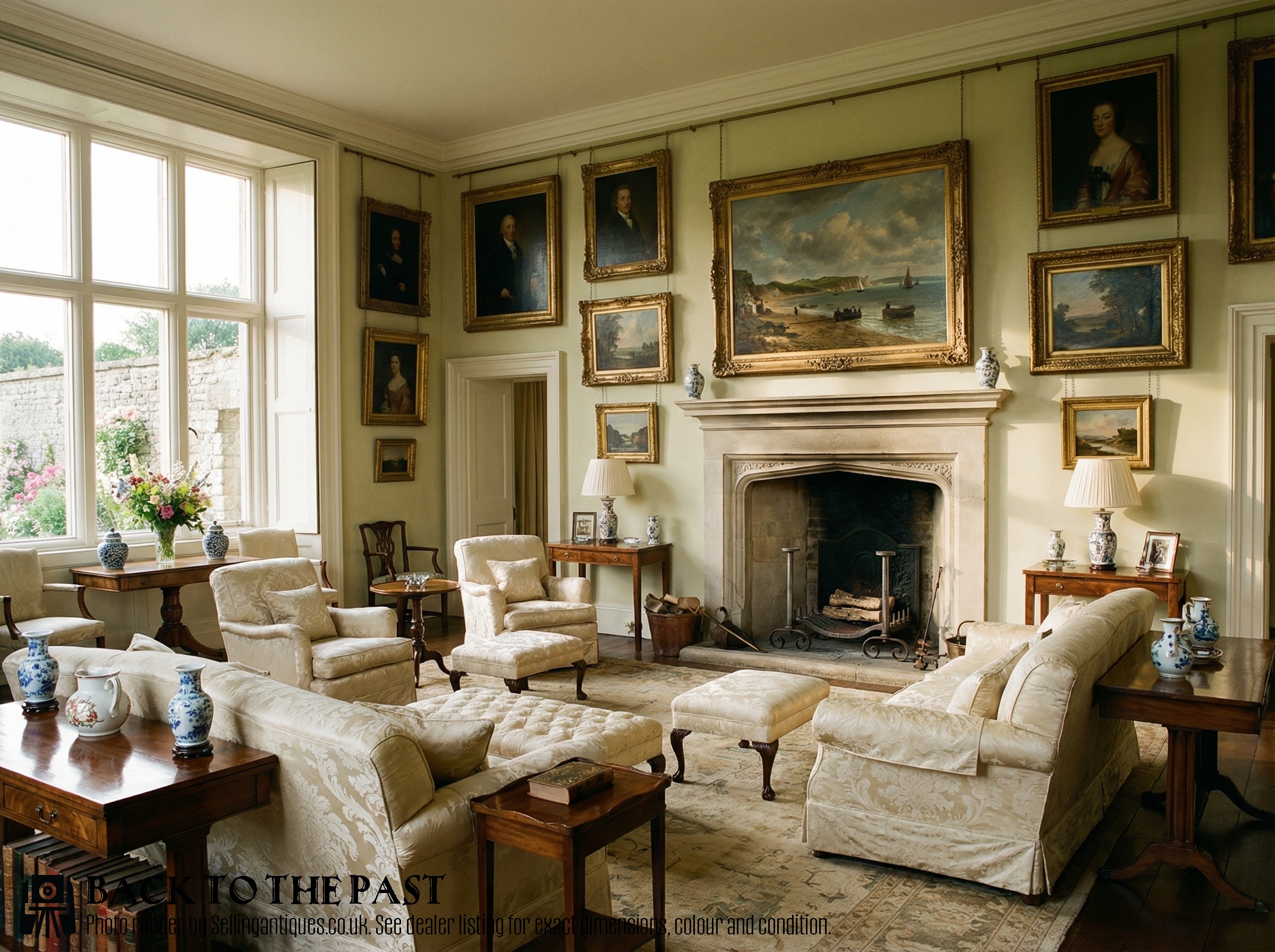
Gothic Iron Fire Grate
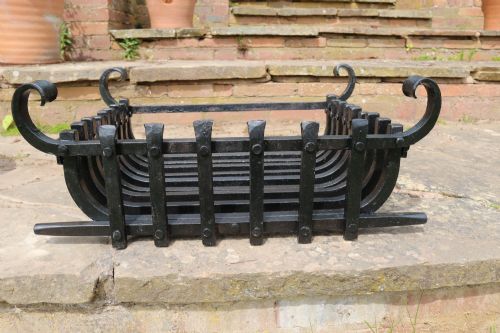
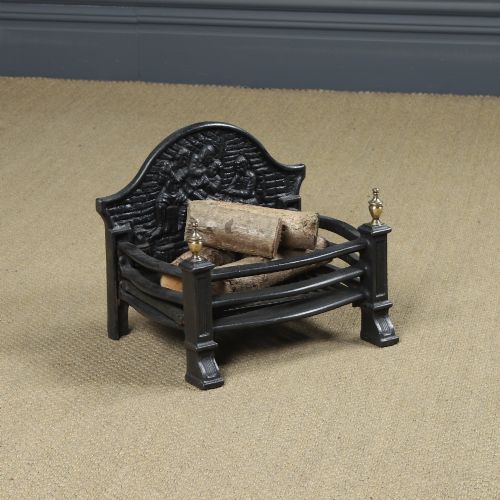
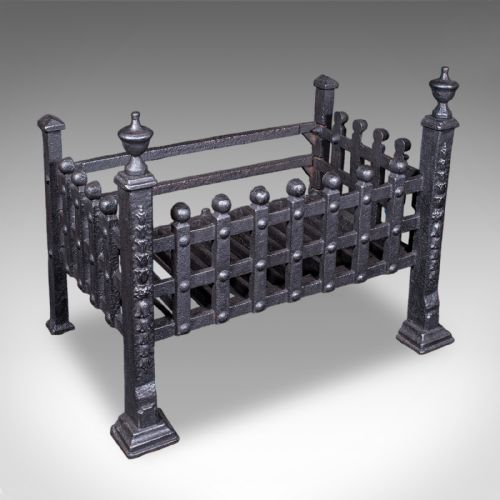
A gothic iron fire grate combines practical hearth heating with medieval revival design, often appearing as an open log basket paired with heavy andirons or fire dogs. These pieces emerge across the nineteenth and twentieth centuries, spanning Victorian, Edwardian, and Arts and Crafts interpretations.
The most common examples on this page date from the Victorian era up to around nineteen thirty, taking the form of robust fire baskets meant for burning coal or wood. Makers drew heavily on Gothic Revival motifs, creating substantial metalwork designed to anchor a large inglenook or open hearth fireplace.
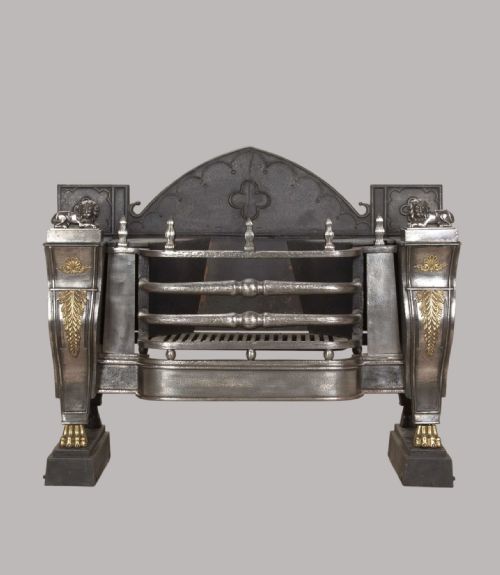
You will encounter various formats, from simple freestanding log baskets to larger sets complete with andirons and brass detailing. Each version reflects the period's fascination with medieval architecture, translating pointed arches and heavy metal construction into functional domestic ironmongery.
How they were made
Blacksmiths and foundries utilised wrought iron and cast iron as the primary structural materials, hammering or moulding the metal into rigid frames. Wrought iron allowed for hand-forged scrollwork and medieval-style detailing, while cast iron provided the heavy body required to withstand intense hearth temperatures.
Makers occasionally incorporated brass elements for decorative contrast against the dark iron framework. Internal firebrick linings were sometimes added to protect the metal structure from direct heat and improve thermal efficiency within the grate.
Materials recorded across the inventory include wrought iron, cast iron, brass, and firebrick, frequently combined within a single fireplace set.
What varies in quality
The distinction between standard production items and superior pieces lies in the weight of the metal and the crispness of the Gothic detailing. Heavier gauge ironwork and finely forged medieval motifs indicate a higher grade of craftsmanship, particularly in complex fire baskets and matching andirons.
Design cohesion also separates the range, with superior examples showing integrated classical or neo-gothic elements rather than purely utilitarian assembly. The balance between decorative brass accents and the primary iron structure reveals the maker's attention to aesthetic proportion.
The Gothic Iron Fire Grate Glossary
- Fire grate
- A metal basket or framework designed to hold burning fuel safely within a fireplace. These structures sit directly on the hearth or elevate upon legs and andirons.
- Andirons
- Supporting metal fire dogs placed on either side of the hearth to hold logs in place. They frequently accompany larger fire baskets in inglenook settings.
- Wrought iron
- Tough, malleable iron beaten into shape by a blacksmith rather than poured into a mould. This material defines the hand-forged elements seen in Arts and Crafts pieces.
- Cast iron
- Iron poured molten into a mould to create rigid shapes and decorative panels. It forms the heavy structural body of many nineteenth-century grates.
- Firebrick
- A block of refractory ceramic material used to line fireboxes. It withstands high temperatures and reflects heat back into the room.
Gothic Iron Fire Grate: Frequently Asked Questions
How do I choose the right size fire grate?
Measure the width and depth of your fireplace opening carefully before selecting a basket. Larger inglenook grates require substantial hearth space and often demand matching andirons for proper support.
Ensure there is adequate clearance around the iron frame for safe airflow and heat distribution within the chimney chamber.
Are these grates meant for burning real wood?
Most of these pieces functioned historically as open log baskets or coal grates. Their heavy iron and cast construction suits traditional open fires.
Check whether an internal firebrick lining is present, as this helps protect the original metal from direct, prolonged flame exposure.
How do I clean and maintain a cast iron grate?
Remove ash regularly to prevent moisture retention and subsequent rusting of the iron. A light application of grate polish helps maintain the dark finish.
Avoid using harsh chemical cleaners that can strip the historic surface of the wrought or cast metal.
What is the difference between Victorian and Arts and Crafts styles?
Victorian gothic grates often feature ornate cast detailing and heavy classical references. They prioritize formal symmetry and dramatic medieval revival motifs.
Arts and Crafts examples emphasise visible hand-forging techniques and simpler, more honest construction methods that highlight the qualities of wrought iron.