



Gothic Hearth Andirons
Gothic hearth andirons are robust iron supports for burning wood, bringing historic medieval character and practical strength to an open fireplace.
Gothic Hearth Andirons
When searching for gothic hearth andirons, a buyer encounters heavy fireplace furnishings designed to hold logs above the hearth floor for better air circulation. The selection spans robust items from the sixteenth century up through Victorian revivals and the twentieth century.
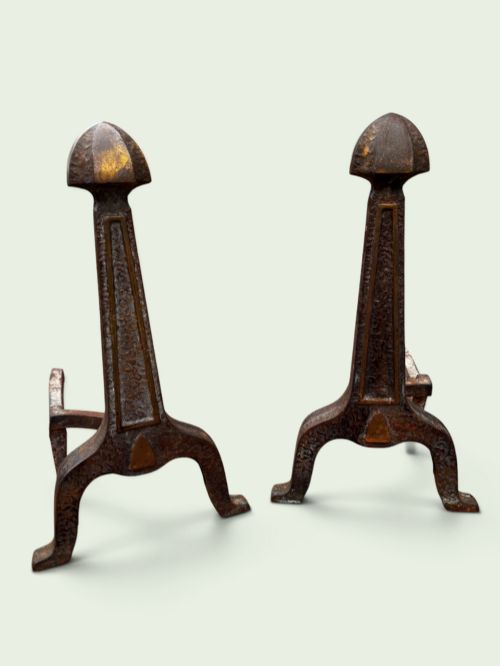
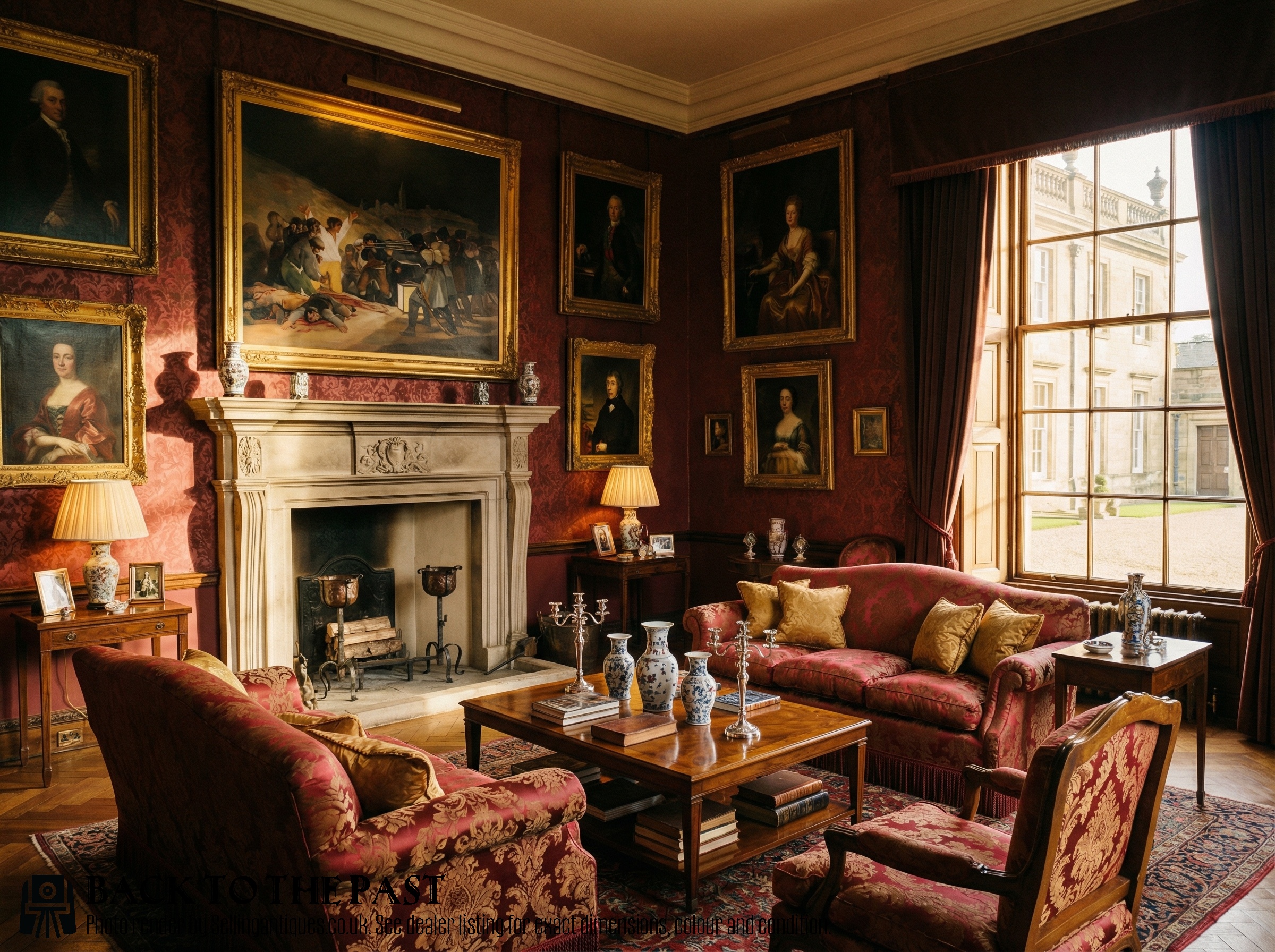
Most examples appearing in the current range date from the nineteenth century, particularly within the Victorian and Arts and Crafts movements. These pieces often arrive paired with matching fire baskets or grates intended for substantial inglenook fireplaces.
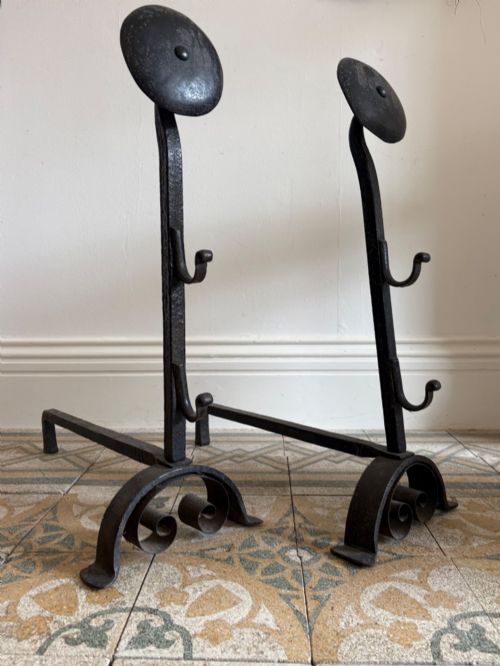
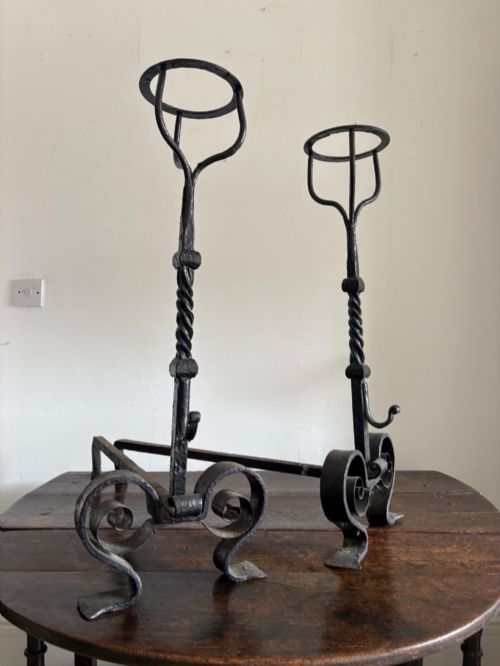
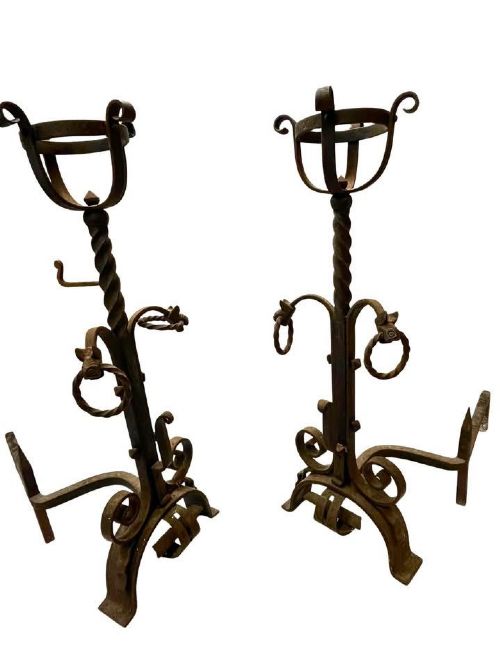
Forms vary from monumental wrought iron dogs standing over eighty centimetres tall to smaller domestic pairs incorporating brass or steel. Certain variants even double as planters or include associated fire tools and rests.
Materials and Construction
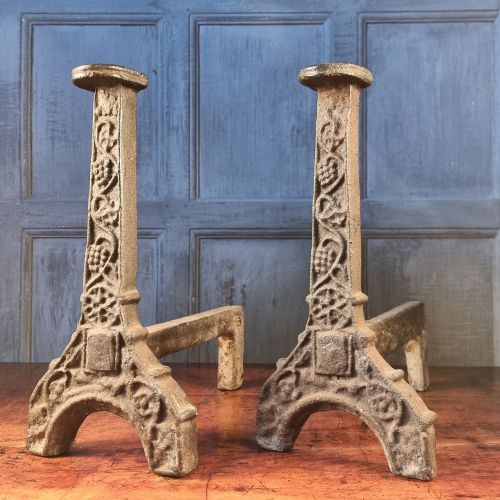
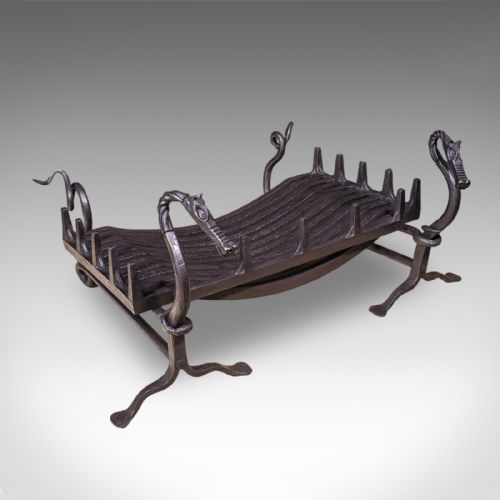
Blacksmiths and founders relied heavily on wrought iron and cast iron to build these durable hearth supports. Wrought iron allowed for hand-forged scrollwork and structural rigidity, whereas cast iron enabled repeated decorative motifs such as dragons.
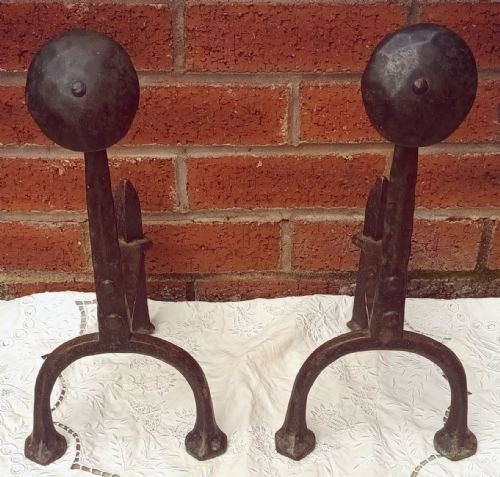
Accents in brass, copper, and steel appear across later periods, especially within Arts and Crafts examples reflecting industrial or hand-beaded design principles. Firebrick occasionally supports the internal assembly of larger grates and baskets.
Listings span periods from the sixteenth century to the mid-twentieth century, with nineteenth-century Victorian pieces forming the majority.
Distinctions in Quality
Quality rests upon the weight of the metal and the integrity of the blacksmith's forge work. Heavier iron shafts and carefully balanced dog legs indicate a superior standard of utilitarian production.
The sophistication of the Gothic detailing separates standard utility pieces from exceptional design work. Refined surface patination and proportioned architectural motifs elevate certain pairs far above basic foundry output.
Christopher Dresser
The Gothic Hearth Andirons Glossary
- Andirons
- Supports used to hold logs in an open fireplace. They typically feature a horizontal billet bar and an upright decorative front.
- Fire Basket
- A metal basket designed to contain coal or wood within a fireplace, frequently utilised in conjunction with pair supports.
- Inglenook
- A large recessed space around a fireplace, capable of accommodating substantial physical hearth equipment.
- Wrought Iron
- Iron that has been heated and shaped with tools by a blacksmith, known for its fibrous texture and durability.
- Gothic Revival
- An architectural and decorative style drawing inspiration from medieval forms, prevalent during the nineteenth century.
Gothic Hearth Andirons: Frequently Asked Questions
How do I choose the right size?
Measure the depth and width of your fireplace opening before selecting any hearth furniture. Large pairs require substantial inglenook space to ensure proper clearance and visual balance.
Heavier items demand sturdy hearth stones capable of supporting significant metal weight without risking structural damage.
Can these be used for actual fires?
Most historic iron supports remain fully functional for burning wood in an open hearth. Wrought iron and cast iron withstand high temperatures effectively during standard domestic use.
Inspect the metal for deep structural fatigue or modern modifications before lighting an active fire.
How do I clean historic iron?
Remove loose soot and ash using a soft dry brush to protect the underlying metal surface. Avoid harsh chemical cleaners that strip the historic patina accumulated over decades.
Apply a light coating of microcrystalline wax to wrought surfaces to prevent moisture from causing active oxidation.
How do I identify Victorian Gothic pieces?
Look for characteristic architectural motifs such as pointed arches, quatrefoils, and heavy dragon ornaments cast into the iron. Victorian makers frequently reinterpreted medieval aesthetics to suit nineteenth-century domestic interiors.
Examine the construction marks and weight to distinguish genuine nineteenth-century foundry work from later decorative reproductions.