
Gothic Glazing Cupboard
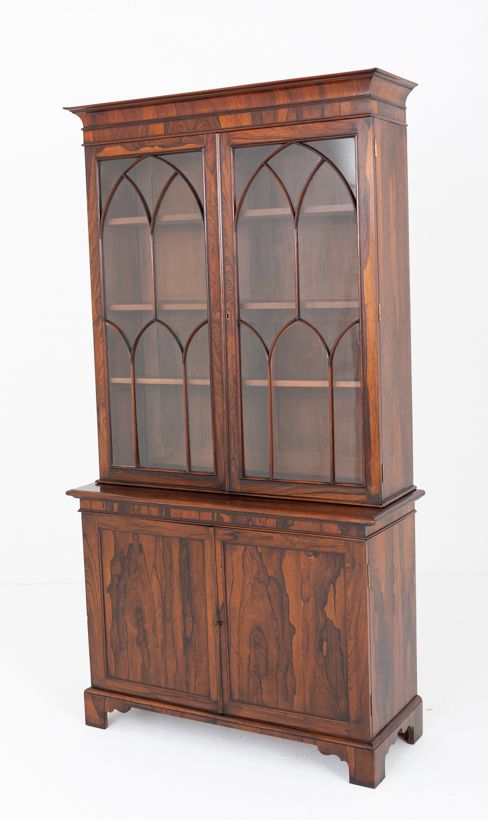
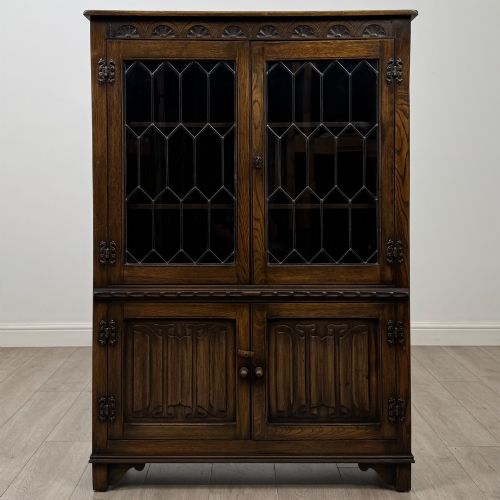
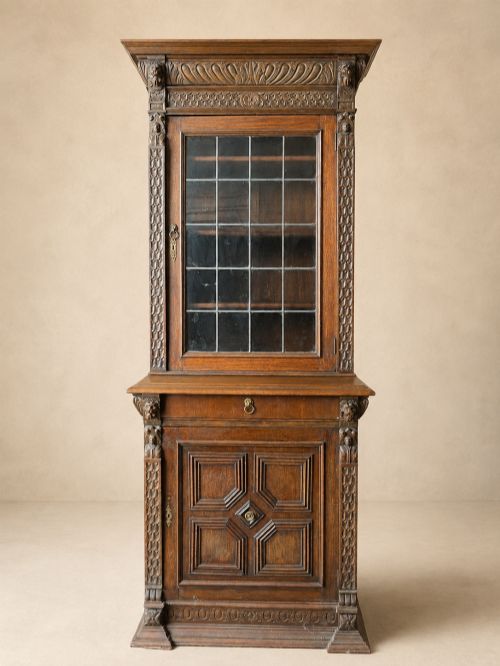
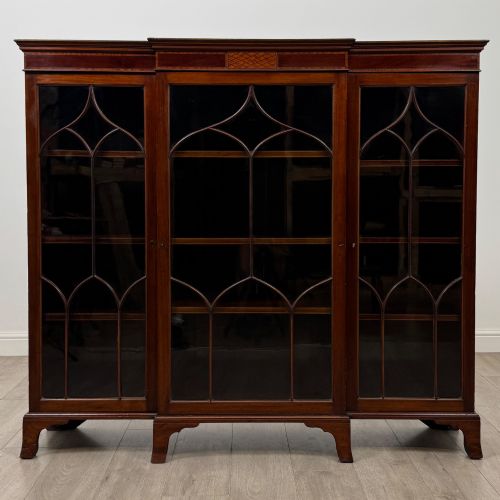
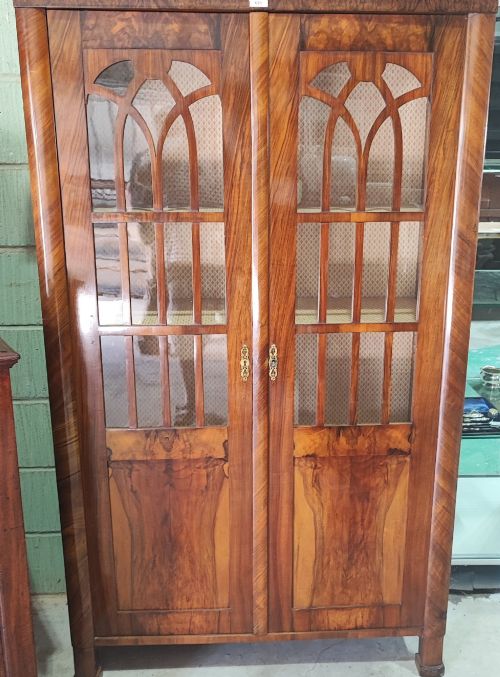
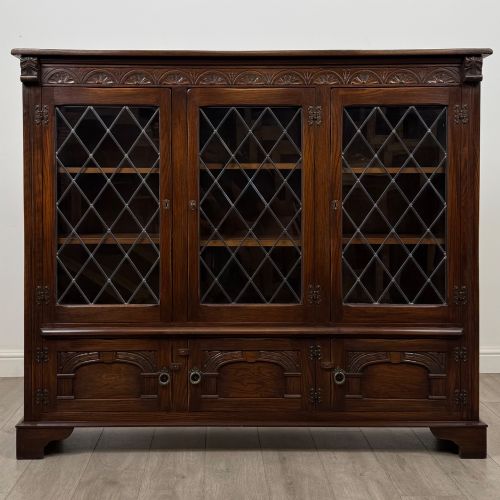
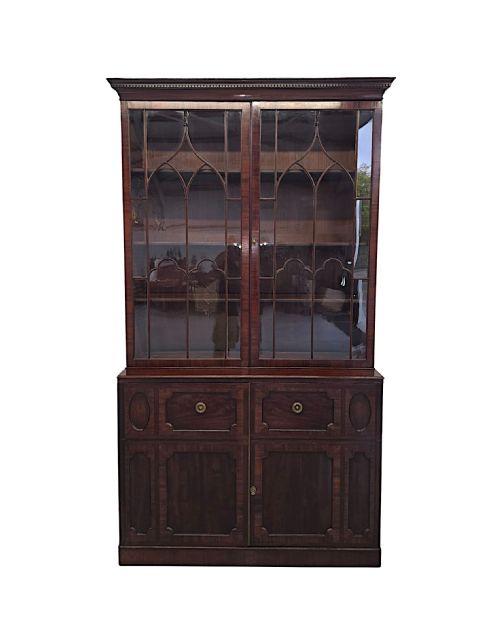
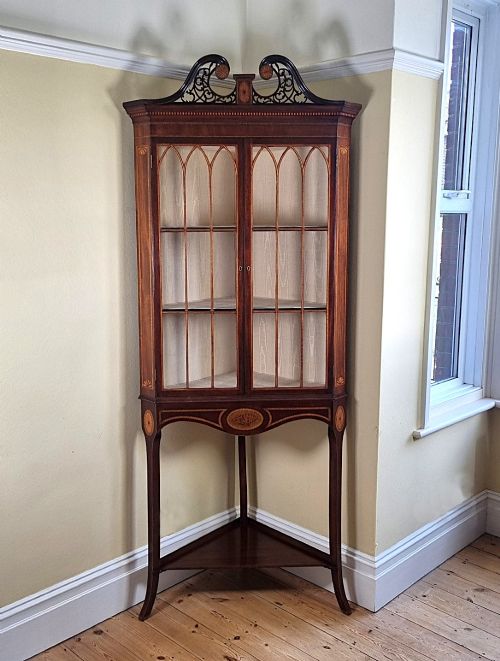
A gothic glazing cupboard brings pointed arches and leaded glass into a room to house books and display cabinets.
Gothic Glazing Cupboard
A gothic glazing cupboard combines architectural wooden frames with glass panels designed to showcase books and display cabinets.
These pieces appear across the Georgian, Victorian, and Edwardian periods, frequently taking the form of bookcases and corner cabinets.
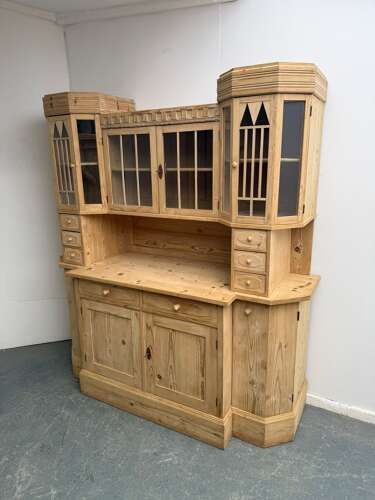
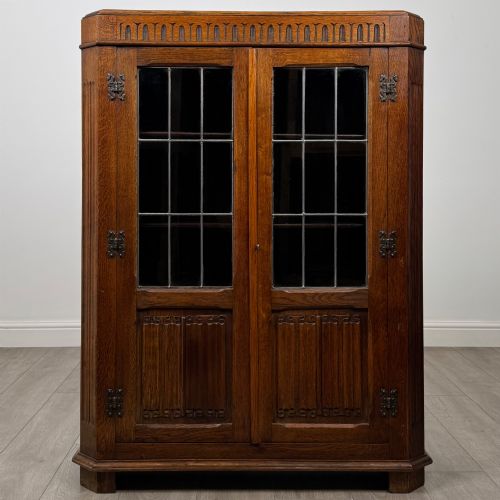
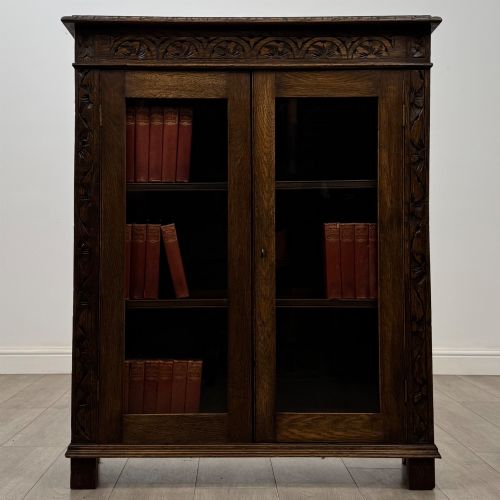
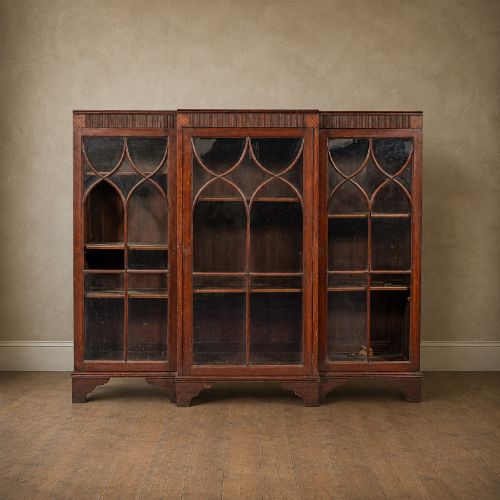
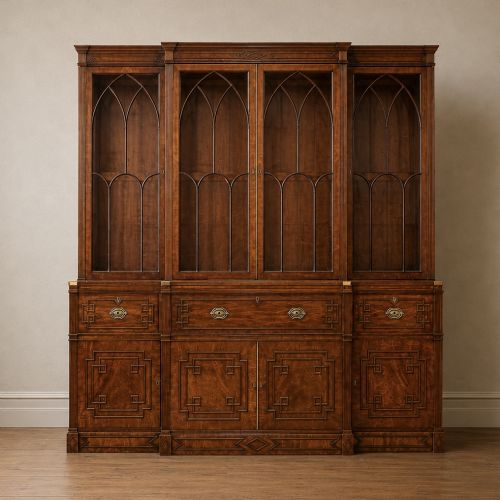
The selections here range from substantial mahogany breakfronts to slim oak and pine cupboards.
Materials and Construction
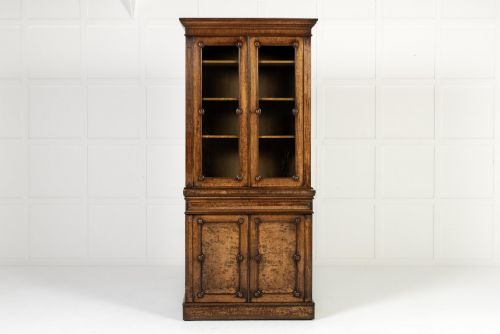
Cabinet makers utilised dense hardwoods like mahogany, oak, walnut, and pollard oak alongside softer pine.
Glass panels are held within wooden frames, often supported by lead and brass hardware.
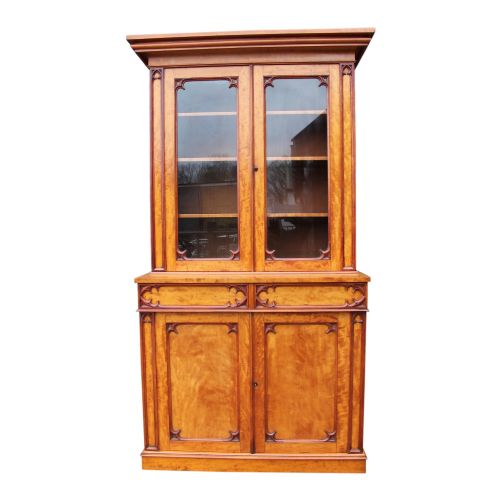
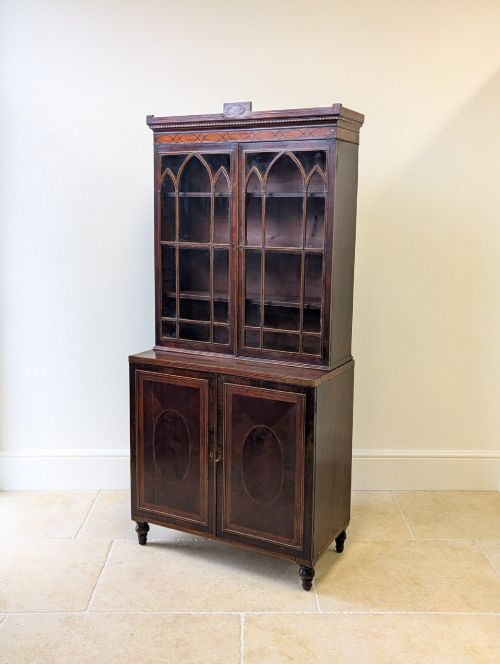
Carved details define the Gothic Revival style, featuring linenfold panels and pointed arch glazing bars.
Some corner cabinets are bow-fronted, offering a curved glass view for your finest porcelain.
Judging Quality and Craftsmanship
Finer examples employ carefully selected timbers such as figured mahogany, satinwood, and pollard oak with rich natural grain patterns.
The precision of the carved ornamentation and the symmetry of the glazed door arches distinguish standard production from exceptional cabinet work.
Jas Shoolbred·Gillows
The Gothic Glazing Cupboard Glossary
- Breakfront
- A large cabinet where the central section projects forward from the side wings. This form was favoured by cabinet makers in the Georgian and Victorian periods.
- Glazing bars
- The wooden strips that hold individual panes of glass within a door or window. In gothic pieces, these often form pointed arch patterns.
- Linenfold
- A style of wood carving that mimics folded fabric. It appears frequently on panels of oak cabinets.
- Corner cabinet
- A piece built with a flat or bow front to fit neatly into the corner of a room. These serve to utilise unused space for display.
- Library bookcase
- A tall storage unit designed specifically to hold large collections of books. They often feature glazed upper doors and enclosed lower cupboards.
Gothic Glazing Cupboard: Frequently Asked Questions
What is a gothic glazing cupboard used for?
These pieces function primarily as bookcases and display cabinets for storing and showing books or decorative objects behind glass doors.
They provide enclosed lower storage whilst keeping delicate items visible and protected above.
How do I date a gothic cabinet?
Dating relies on identifying timber choices, construction methods, and stylistic cues associated with periods like the Georgian, Victorian, or Edwardian eras.
Heavier carved oak often points to revival styles of the nineteenth century, whilst lighter satinwood and specific mahogany grains align with earlier centuries.
Where should I place a corner cabinet?
Corner cabinets fit directly into room intersections to maximise floor space while offering display capacity.
They work well in dining rooms or studies where wall space is limited.
How do I care for antique mahogany and oak?
Keep wooden furniture away from direct sunlight and sudden temperature shifts to prevent the timber from splitting.
Apply traditional wax periodically to nourish the surface and maintain the finish.