






Goldscheider Terracotta Sculpture
These goldscheider terracotta sculpture works capture the expressive human form and animal realism prized by collectors of turn-of-the-century Austrian ceramics.
Goldscheider Terracotta Sculpture
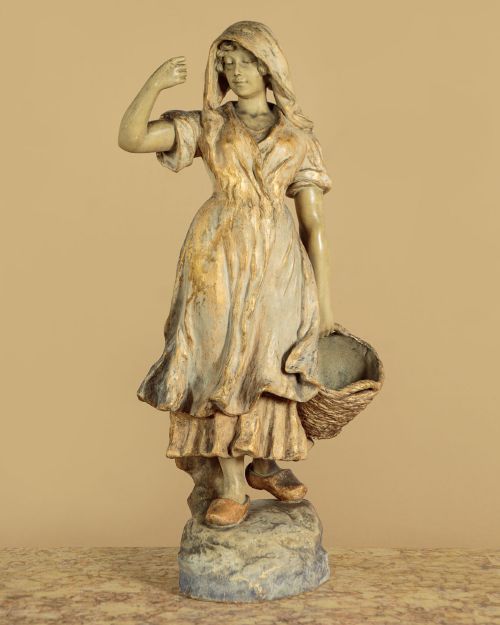
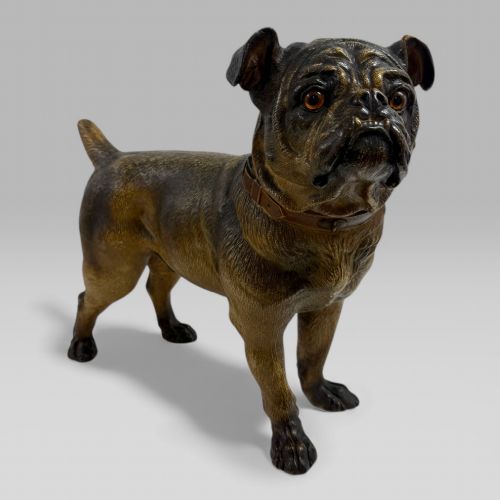
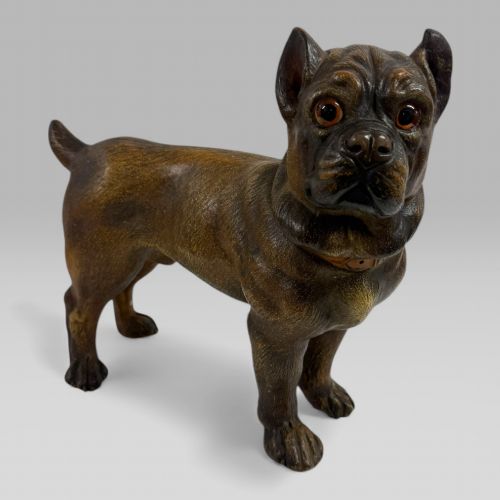
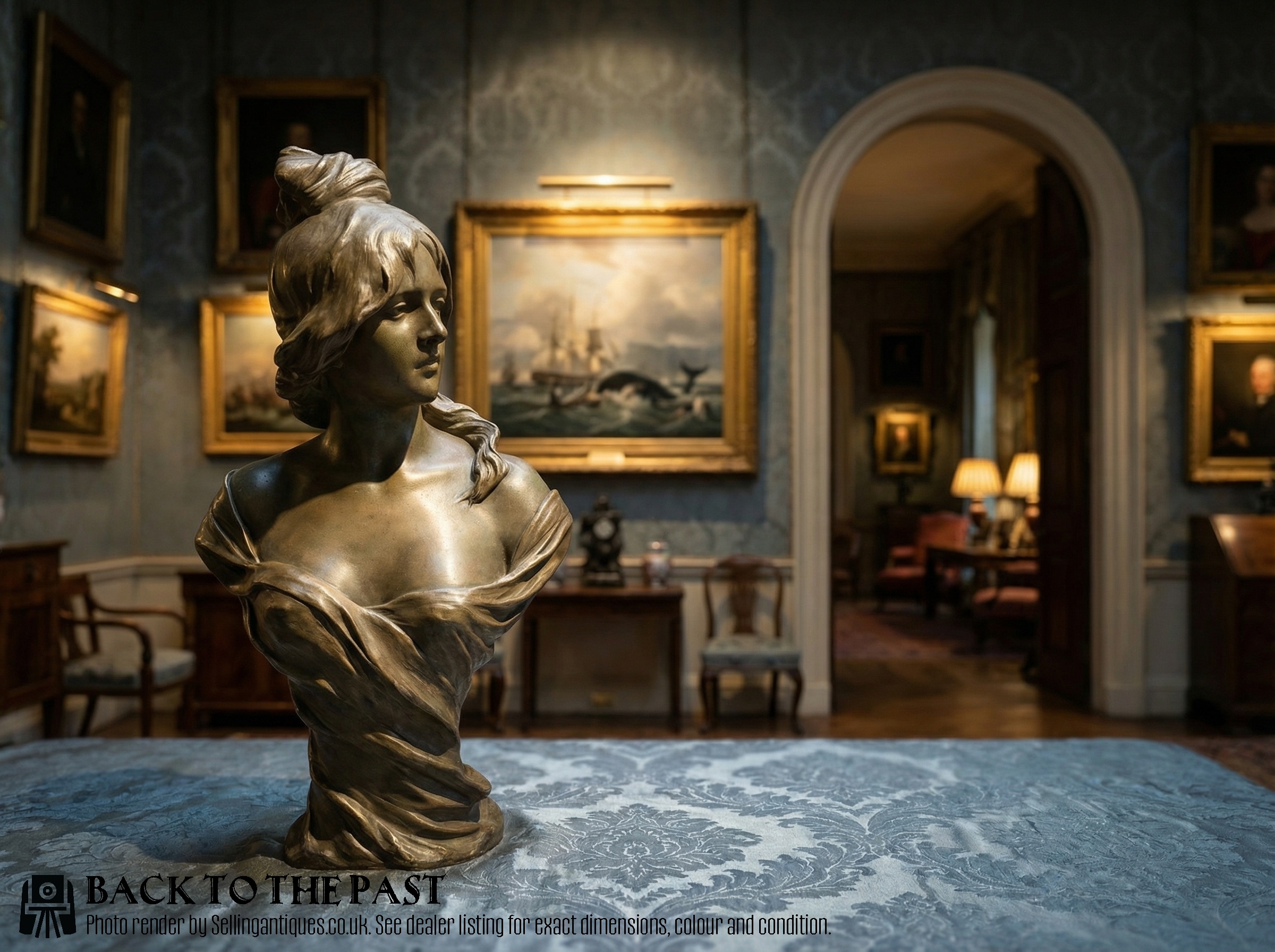
Goldscheider terracotta sculpture comprises figurative works, human figures, and animalier subjects produced in Vienna from the late nineteenth century into the early twentieth century. These pieces encompass distinct aesthetic movements including Art Nouveau, Classical Revival, and Orientalist themes, reflecting the diverse output of the Viennese manufactory.
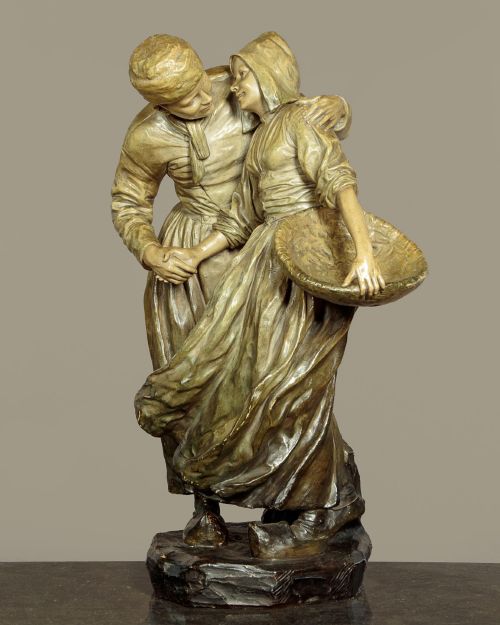
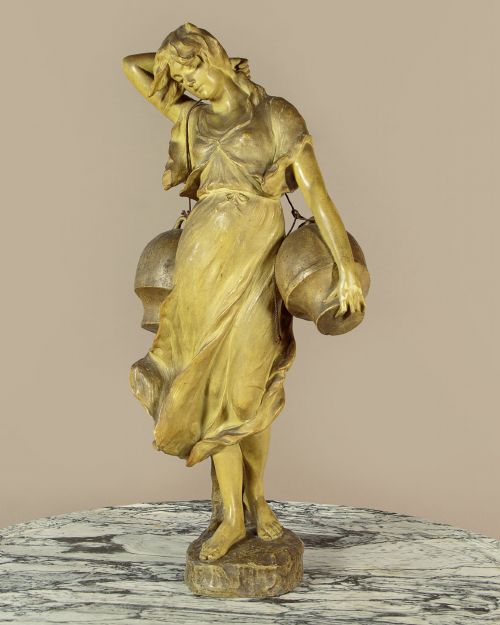
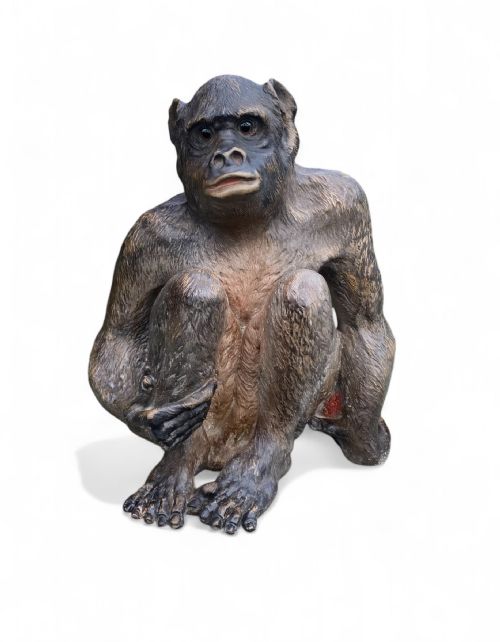
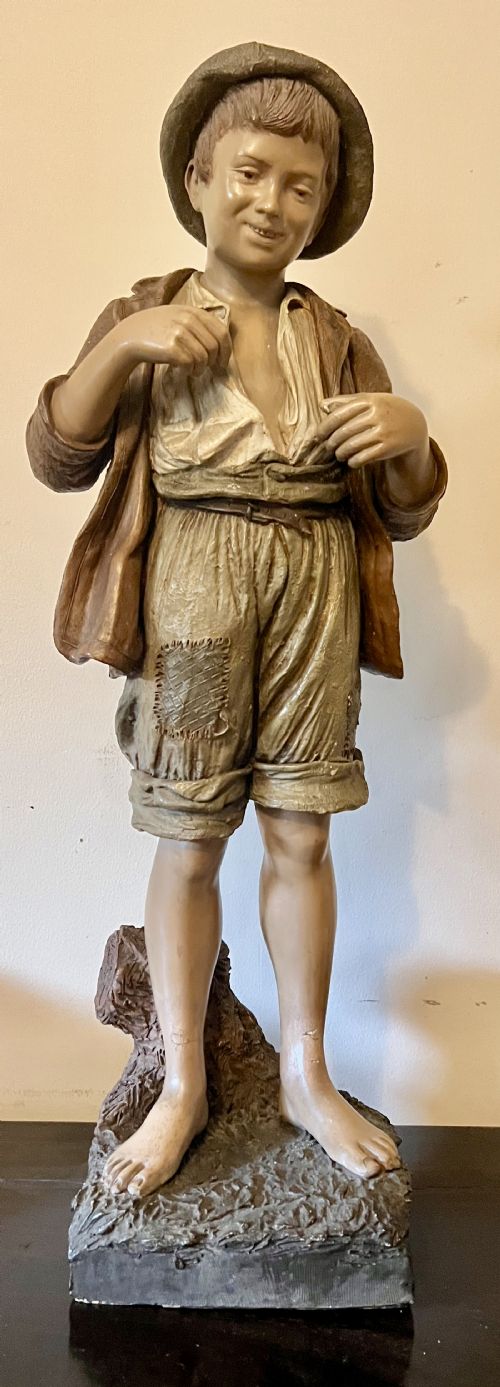
A buyer examining this selection encounters life-size animal figures alongside medium and large-scale human sculptures, including water carriers, maidens, and young boys. The most frequent examples on this page date from around nineteen hundred, exhibiting the characteristic organic lines of the Art Nouveau period.
The manufactory produced both individual figures and complex figure groups, modelled by prominent sculptors associated with the firm such as Cherc. These sculptural objects served primarily as interior ornamentation for bourgeois European homes, combining substantial physical presence with detailed artistic modelling.

How they were made
The production of these objects relied upon terracotta and earthenware, shaped through modelling and slip casting techniques to achieve complex sculptural contours. Artisans poured liquid clay into moulds, allowing intricate details of drapery, expression, and anatomy to be captured consistently across editions.
Surfaces were frequently finished with polychrome paint, pigment, or a bronzed finish to enhance the realism of clothing, hair, and animal coats. Certain examples incorporate glazed ceramic elements or glass details, contrasting matte earthenware surfaces with reflective highlights.
Goldscheider Terracotta Sculpture Retail Price Guide 2026
Typical asking prices for goldscheider terracotta sculpture among the pieces listed under this phrase on Sellingantiques today, from the lower quarter to the upper quarter. They describe what is for sale here now, not the wider market.
Listings feature terracotta and earthenware pieces spanning the Victorian era through the early twentieth century, incorporating polychrome paint, bronzed finishes, and glass elements.
What varies in quality
The preservation of the original painted, bronzed, or polychrome surface significantly influences the overall integrity of a piece. Examples retaining their original pigments without extensive overpainting maintain greater authenticity to the workshop's intended aesthetic.
Friedrich Goldscheider·Frederic Goldscheider·Goldscheider
The Goldscheider Terracotta Sculpture Glossary
- Terracotta
- A porous fired earthenware clay body used as the primary medium for these sculptural works. It allows for crisp surface detail when modelled or cast before firing.
- Slip cast
- A manufacturing technique where liquid clay slip is poured into a plaster mould to create hollow figures. This method permitted the efficient production of complex forms.
- Polychrome paint
- Multi-coloured surface decoration applied to the fired clay body to imitate flesh tones, textiles, and natural textures. It defines the visual character of many Austrian figurative ceramics.
- Bronzed finish
- A metallic coating applied to the terracotta surface to simulate the appearance of cast bronze. This technique offered a more affordable alternative to metal sculpture while retaining similar visual weight.
- Animalier
- A nineteenth-century artistic genre dedicated to the realistic depiction of animals. Pieces in this category focus on the accurate observation of animal anatomy and behaviour.
Goldscheider Terracotta Sculpture: Frequently Asked Questions
How do I identify a Goldscheider sculpture?
Authentic pieces typically exhibit impressed factory marks, serial numbers, and artist signatures directly into the clay body or painted on the base. Examining the weight, the density of the terracotta, and the application of the polychrome or bronzed finish helps confirm period production.
Stylistic indicators include the characteristic Austrian Art Nouveau modelling and subject matter associated with the Viennese manufactory during the late nineteenth and early twentieth centuries.
Where were these sculptures made?
The works originate from Vienna, Austria, where the Friedrich Goldscheider manufactory operated as a leading ceramic and terracotta producer. The factory collaborated with numerous independent sculptors to create its extensive catalogue of figures.
Production spanned several decades, encompassing both grand exhibition pieces and domestic decorative items designed for the European market.
How should I clean terracotta sculpture?
Dust the surface gently with a soft, dry brush to remove particulate matter without disturbing fragile pigments or painted finishes. Avoid using water, liquid cleaners, or solvents, as porous earthenware and historic paints absorb moisture readily.
Professional conservation advice should be sought if deeper cleaning or structural stabilization is required for fragile polychrome surfaces.
What subjects did the factory produce?
The manufactory produced a wide variety of subjects, ranging from allegorical figures and classical Roman depictions to everyday character studies like water carriers and young boys. Animalier sculptures, including life-size dogs and chimpanzees, formed another substantial category of production.
Orientalist and Art Nouveau themes also featured prominently, reflecting contemporary European artistic tastes and demands for exoticism.