



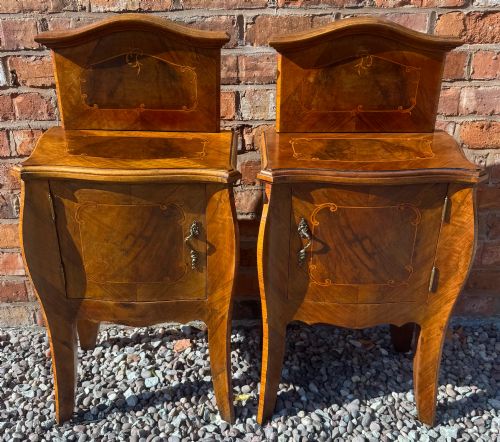

Golden Wood Cabinet
A golden wood cabinet brings warmth and figured grain into a room, offering practical storage disguised as fine furniture.
Golden Wood Cabinet
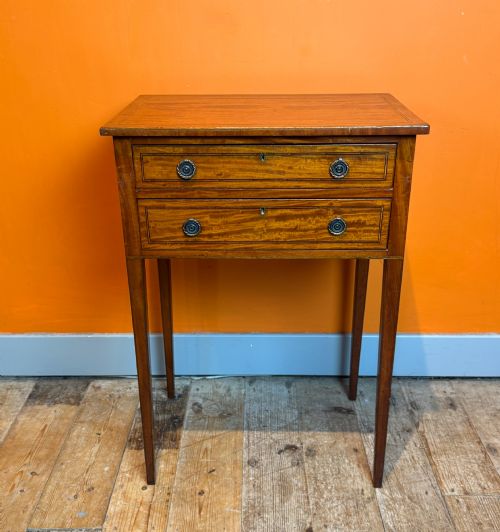
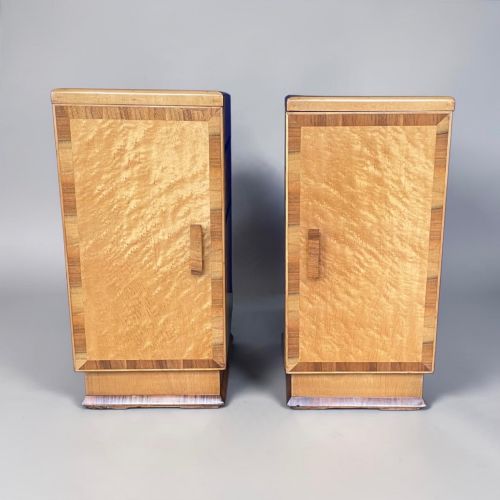
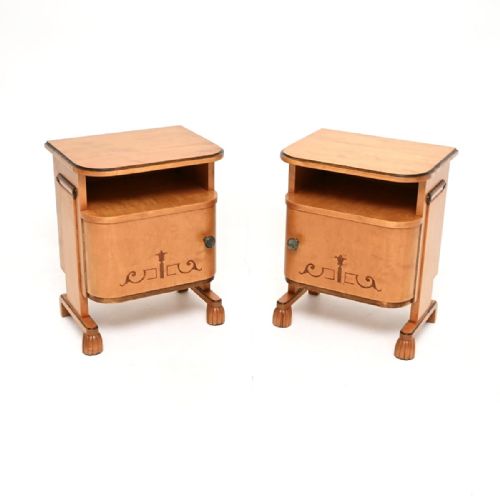
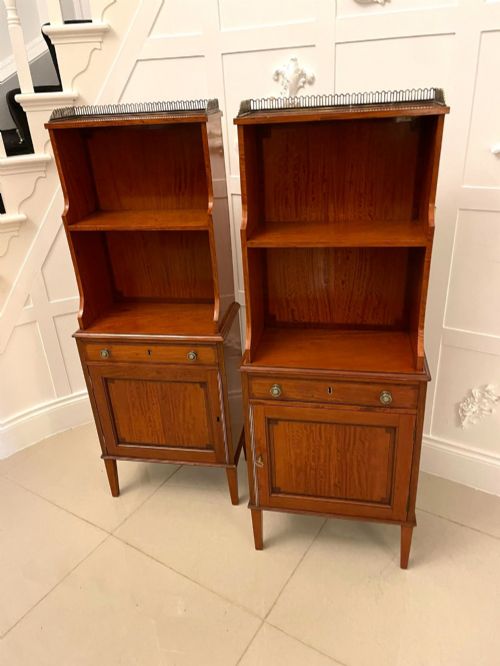
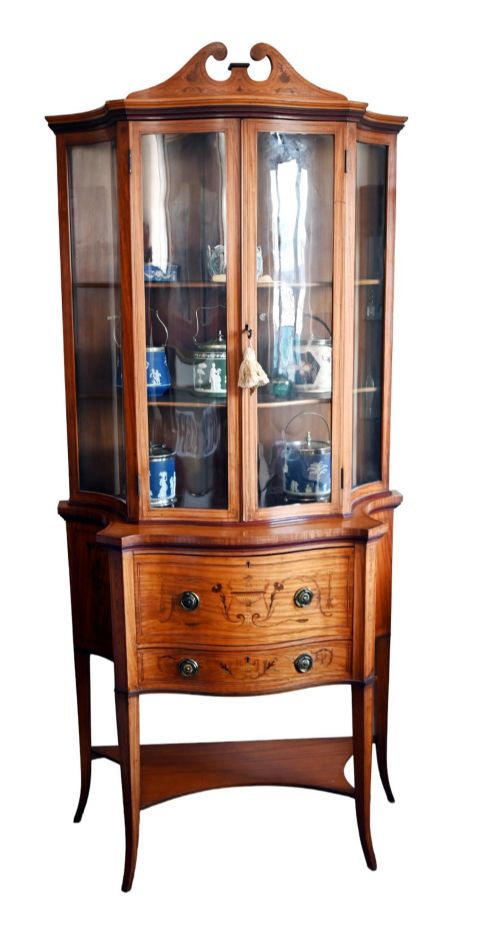
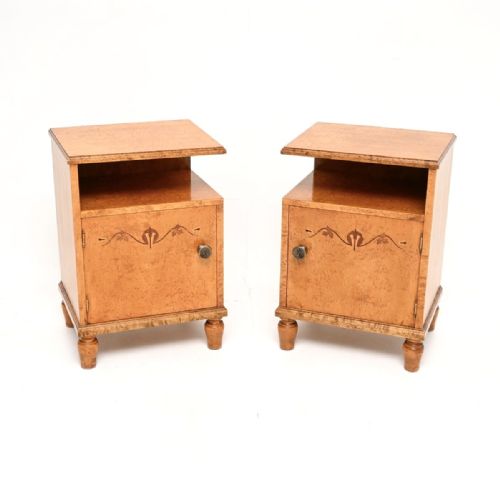
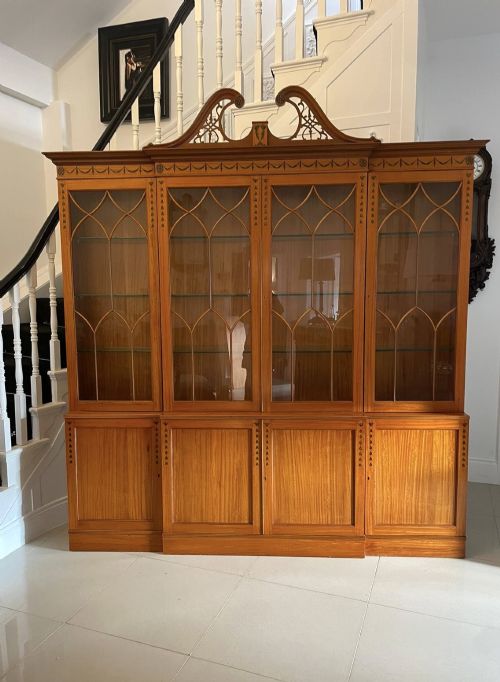
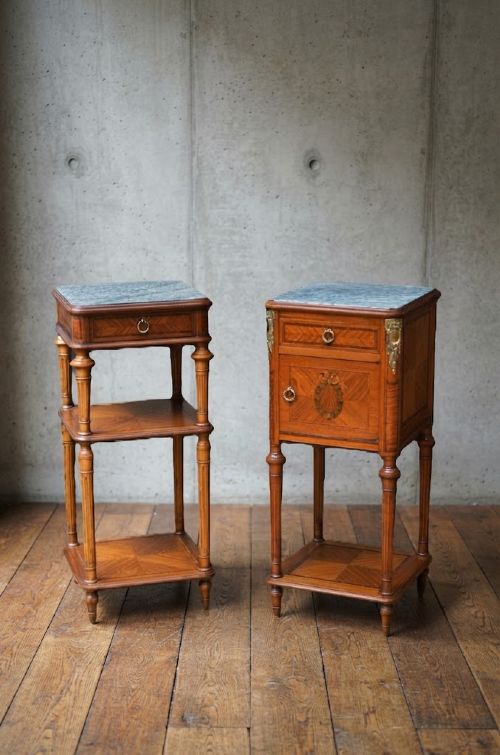
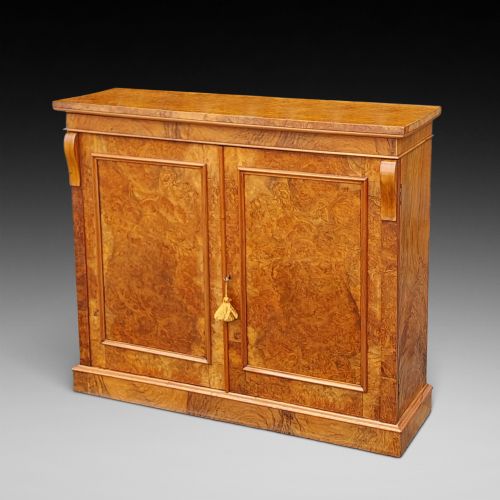
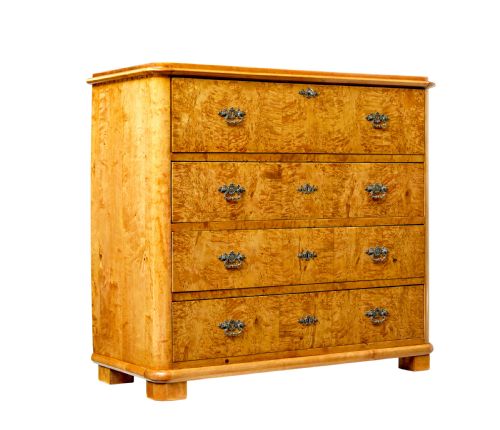
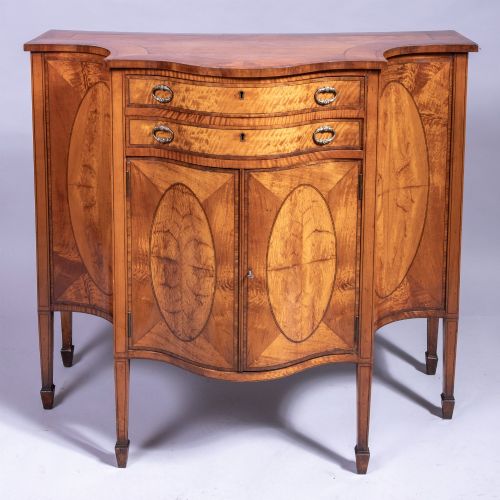
A golden wood cabinet encompasses a diverse group of storage furniture defined by pale, warm timbers such as satinwood, birch, ash, and various burrs. When you search for a golden wood cabinet, you encounter forms ranging from compact bedside pieces and tall display vitrines to cocktail cabinets and secretaires. The inventory spans the nineteenth century through the art deco era, incorporating Victorian, Edwardian, and Sheraton revival styles alongside Swedish country designs.
Materials and construction methods
Cabinetmakers constructed these pieces using dense carcases of pine or oak as a foundation, veneered meticulously with figured timbers like satinwood, burr birch, amboyna, and ash. The distinct figuring derives from specialised cuts of wood, including burrs and pommelé sections, which exhibit complex swirling patterns. Craftsmen applied these veneers by hand, securing them with traditional animal glues before smoothing and polishing the surfaces to accentuate the natural lustre.
Detailing on these items frequently involves intricate marquetry, contrasting stringing, and hand-painted motifs, particularly within Sheraton revival and art deco items. Brass hardware, including handles, keyplates, and sometimes glazed door framing, provides structural punctuation to the golden tones of the wood. Glazed sections utilise leaded or astral bars to divide glass panes, while interiors often combine cedar or mahogany drawer linings with adjustable shelving.
Golden Wood Cabinet Retail Price Guide 2026
Typical asking prices for golden wood cabinet among the pieces listed under this phrase on Sellingantiques today, from the lower quarter to the upper quarter. They describe what is for sale here now, not the wider market.
Listings feature eighteenth-century pieces alongside nineteenth-century Victorian and Edwardian examples, spanning through art deco items from nineteen thirty.
Distinctions in craftsmanship and finish
Quality in these items rests upon the selection and matching of the veneer, where superior examples display symmetrical grain patterns across multiple drawer fronts or cabinet doors. Lesser pieces rely on uniform, plain timber planks without the depth or movement found in figured burrs and premium satinwood. The precision of the inlay work and the subtlety of any hand-painted decoration further separate standard production items from master-level commissions.
Structural integrity and original hardware also determine the tier of a piece, distinguishing workshop-built furniture from later mass-produced alternatives. Finer cabinets retain their original brass mounts, working locks, and interior fittings without excessive timber shrinkage or veneer lifting. The hand-rubbed French polish on better examples yields a soft, warm sheen rather than a heavy, modern lacquer.
Harry & Lou Epstein·Gillows
The Golden Wood Cabinet Glossary
- Satinwood
- A hard, dense timber native to Ceylon and the West Indies, prized for its smooth texture and golden, light-reflecting grain. It became a primary medium for neoclassical and revival furniture.
- Burr Walnut
- A distinct wood harvested from the wart-like growths on walnut trees, yielding an intricate, swirling pattern of rings and eyes. Cabinetmakers sliced this material into thin veneers for decorative surfaces.
- Astral Glazing
- A method of dividing a glass door into smaller panes using slender wooden bars, common on eighteenth and nineteenth-century display cabinets and bookcases.
- Secretaire
- A cabinet or chest incorporating a pull-down writing drawer that conceals small pigeonholes and compartments for stationery. This form emerged during the eighteenth century and persisted through the Victorian era.
- Marquetry
- The art of forming decorative patterns on a wooden structure by fitting together small pieces of tinted wood, veneer, or shell. It differs from inlay by assembling the pattern across the entire surface before application.
Golden Wood Cabinet: Frequently Asked Questions
How do I clean a satinwood surface?
Dust the timber gently with a soft, dry cloth to prevent micro-scratching the polished finish. Avoid using water, silicone sprays, or harsh chemical cleaners, as these can penetrate vulnerable veneers and degrade the polish.
Apply a microcrystalline wax sparingly once or twice a year to nourish the wood and protect against humidity changes. Buff the surface gently after application to restore the soft, golden sheen characteristic of these timbers.
Can I use a cocktail cabinet in a modern dining room?
A golden wood cocktail cabinet serves as an ideal focal point in a contemporary dining or living space, providing enclosed storage for glassware and bottles. The reflective qualities of satinwood and burr walnut brighten darker corners and complement minimalist interior palettes.
Ensure the cabinet is placed away from direct sunlight and radiators to prevent the dry heat from cracking antique veneers. Interior lighting can be integrated carefully if wiring is present, though many owners prefer battery-operated display lights.
How do I distinguish Edwardian satinwood from Victorian pieces?
Edwardian revival satinwood furniture often exhibits lighter, more restrained neoclassical motifs influenced by eighteenth-century designs, frequently incorporating delicate painted swags or ribbons. Victorian examples tend to be heavier in proportion, utilising dense burr walnut or darker trim alongside robust structural framing.
Examine the secondary woods inside the drawers, such as oak or pine, and the construction methods used for joints to help confirm the manufacturing period. Secondary woods and dovetailing techniques evolved significantly between eighteen sixty and nineteen ten.