
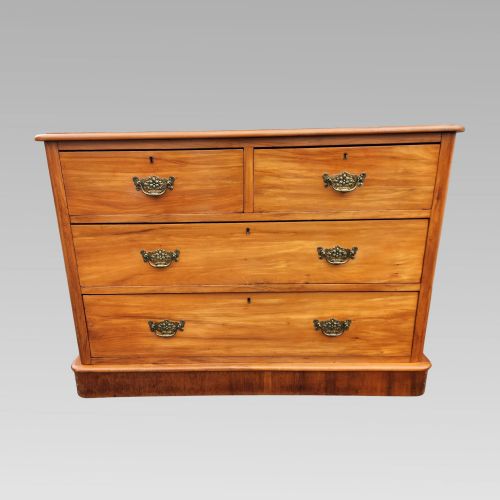


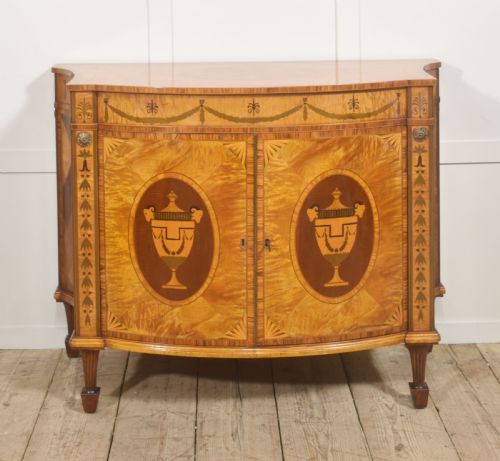


Golden Satinwood Commode
A golden satinwood commode brings luminous timber and elegant curved lines into a room, offering both generous storage and striking decorative presence.
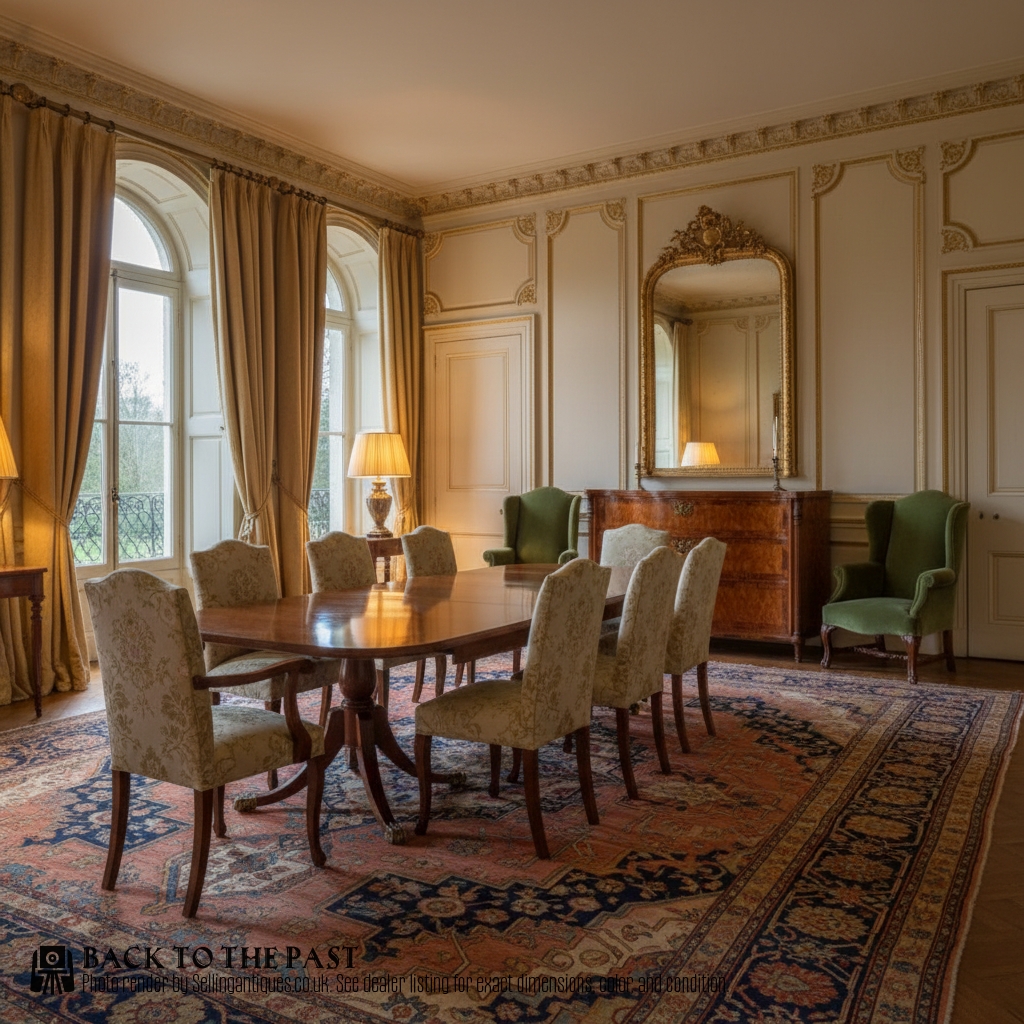
Golden Satinwood Commode
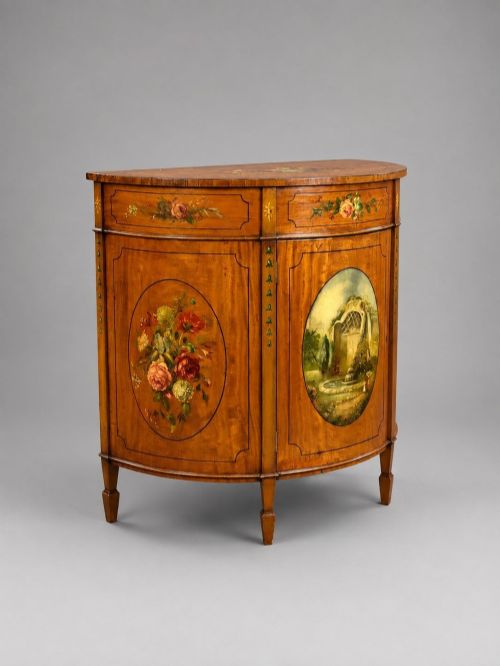
A golden satinwood commode embodies the refined cabinet-making traditions of the eighteenth and nineteenth centuries, appearing frequently in George III, Sheraton Revival, and Edwardian styles. These pieces range from substantial serpentine chests to delicate demi-lune cabinets designed for formal reception rooms.
The selections available span multiple periods including the eighteenth century, Regency, and Edwardian eras, with many pieces showcasing classical painted motifs. Buyers encounter both French-inspired commodes and English Sheraton revival designs featuring curved fronts and elaborate marquetry.
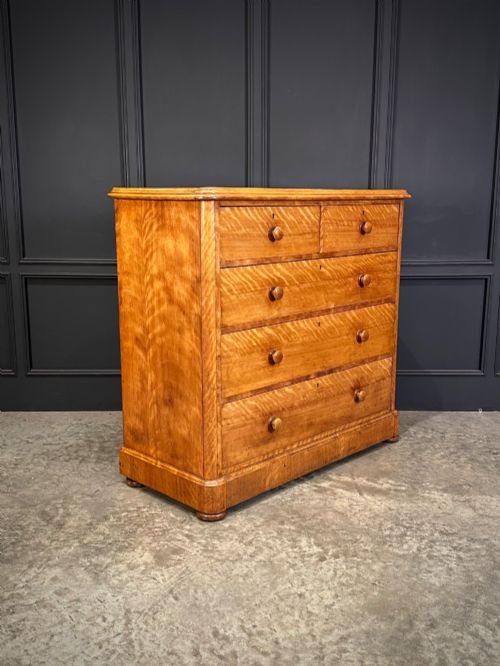
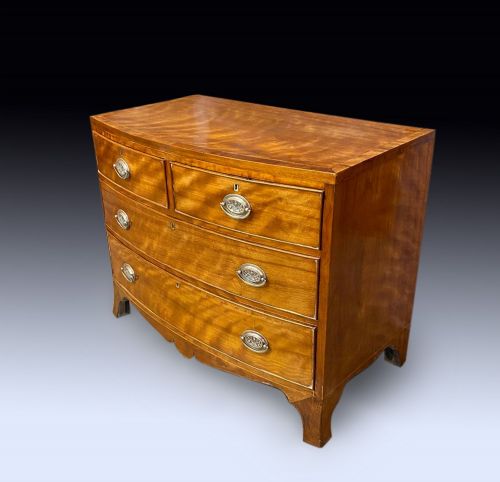
Alongside traditional commodes, the category encompasses related forms such as bow front chests of drawers and side cabinets sharing the same pale, lustrous timber. Originators and makers represented include firms like James Hicks, Heals, and Edmond Poteau alongside anonymous master craftsmen.
Assessing Craftsmanship
Quality rests in the precision of the cabinet work, particularly the alignment of curved serpentine drawer fronts and the tightness of veneer joints. Superior pieces exhibit seamless integration of marquetry and finely detailed hand-painted panels rather than mass-produced transfers.
The choice of secondary timbers and the retention of original brass handles and period fittings strongly influence the standing of an individual piece. Finer examples display meticulous attention to internal drawer construction and timber selection across the entire carcase.
Golden Satinwood Commode Retail Price Guide 2026
Typical asking prices for golden satinwood commode among the pieces listed under this phrase on Sellingantiques today, from the lower quarter to the upper quarter. They describe what is for sale here now, not the wider market.
Current listings feature items spanning the eighteenth century through to the nineteen thirties, including Edwardian and Victorian interpretations.
James Hicks·Heals·Edmond Poteau·Kaufman
The Golden Satinwood Commode Glossary
- Satinwood
- A dense, hard timber known for its yellowish colour and lustrous, reflective grain that resembles satin. It serves as the defining surface material for many high-style eighteenth and nineteenth-century case pieces.
- Demi-Lune
- A half-moon shape characteristic of commodes and side cabinets designed to sit flush against a wall. This profile became particularly popular during the Neoclassical and Sheraton Revival periods.
- Marquetry
- The art of applying small pieces of veneer to a structure to form decorative patterns and pictures. Craftsmen used various contrasting woods to create elaborate floral or architectural designs.
- Serpentine
- A furniture front characterised by a wavy outline featuring a convex centre flanked by concave curves. This contour requires advanced woodworking skill to execute properly.
- Bow Front
- A convex, outward-curving front profile typical of chests of drawers and commodes. It softens the geometric angles of a room while maximising interior storage space.
Golden Satinwood Commode: Frequently Asked Questions
Where should I place a golden satinwood commode?
These decorative cabinets suit entryways, drawing rooms, or bedrooms where their reflective timber and curved profiles can be appreciated. They function well as statement pieces holding lamps or decorative objects.
Because satinwood is sensitive to strong direct sunlight, positioning the commode away from bright windows preserves the golden colour and prevents the timber from darkening unevenly.
How do I care for satinwood furniture?
Maintenance involves dusting with a soft, dry cloth and avoiding modern silicone-based polishes that can build up on antique surfaces. Traditional wax applied sparingly helps nourish the timber.
Maintaining stable room humidity prevents the wooden carcase and delicate veneer work from expanding or contracting excessively over the changing seasons.
What distinguishes Sheraton Revival from George III pieces?
George III pieces date from the original Georgian period in the eighteenth century and represent primary periods of design innovation. They exhibit authentic age-related patination in the timber and structural joinery.
Sheraton Revival items typically date from the Edwardian era or around nineteen hundred, reinterpreting earlier neoclassical aesthetics with meticulous craftsmanship and often incorporating elaborate painted decoration.
Are these commodes practical for daily storage?
Many examples feature deep drawers or enclosed cabinet space suitable for linens, tableware, or everyday items. The internal configuration depends on whether the piece is a chest of drawers or a side cabinet.
Drawers glide on traditional wooden runners rather than modern metal tracks, requiring gentle handling to ensure smooth operation over time.