


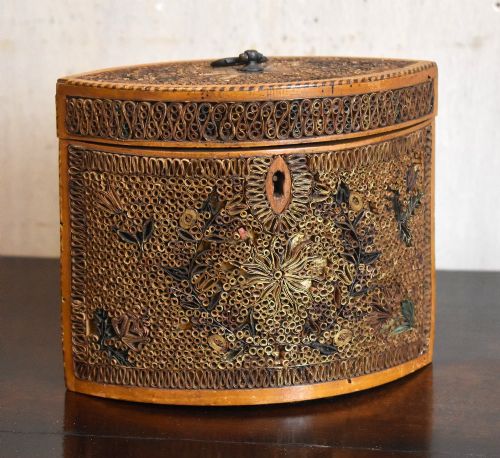


Golden Brown Chest
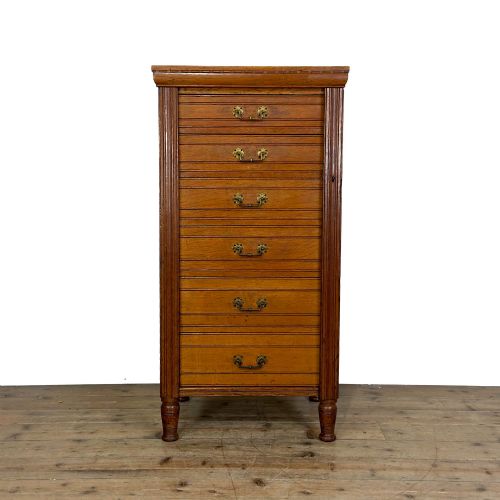
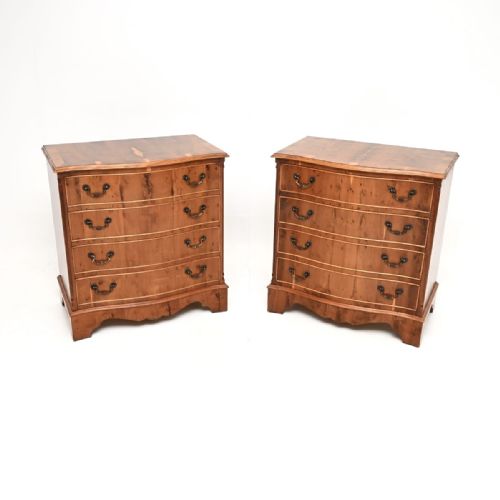
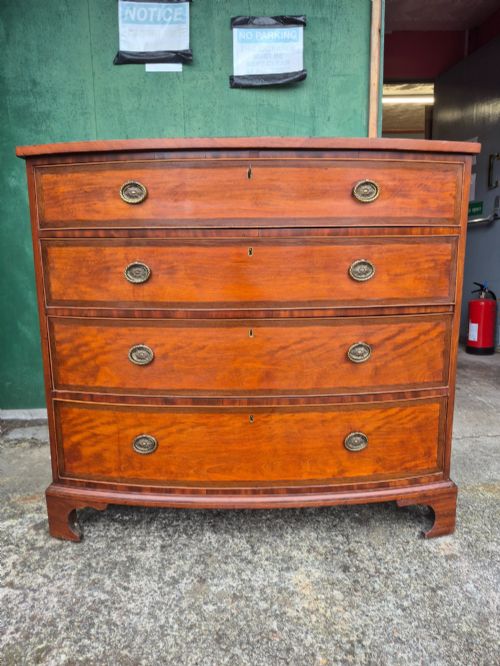
A golden brown chest brings rich timber figure and deep warmth into a room, spanning periods from the seventeenth century to the art deco era.
Golden Brown Chest
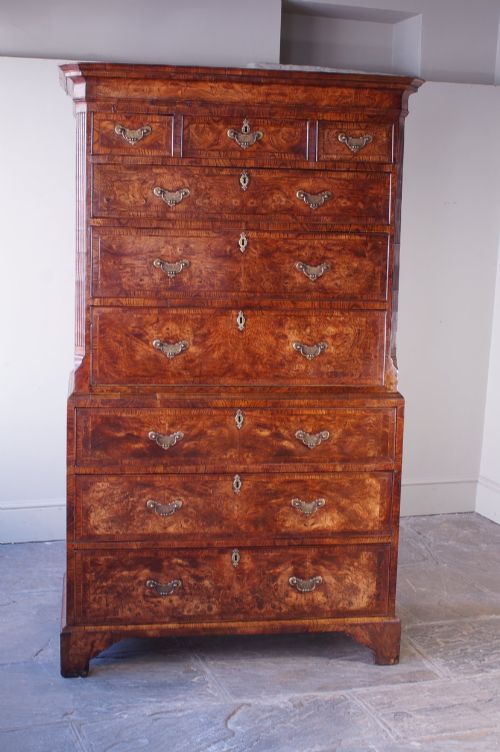
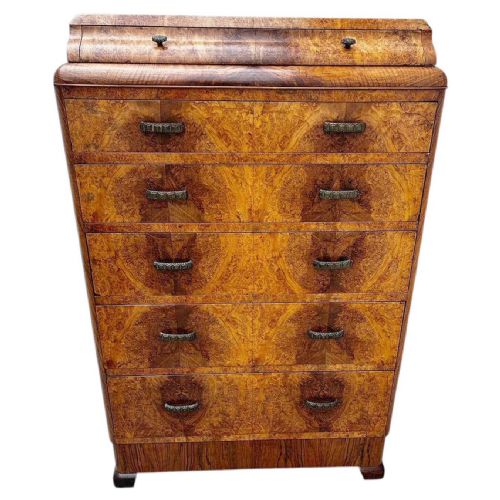
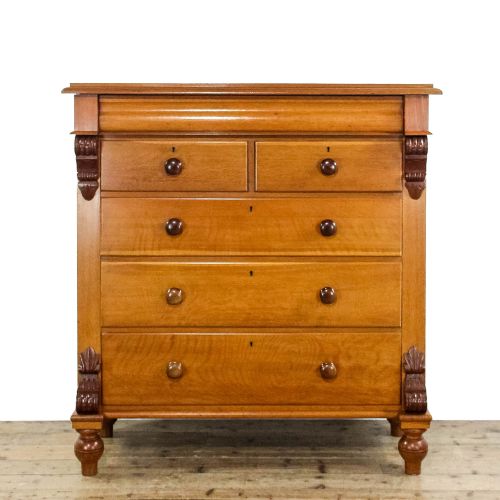
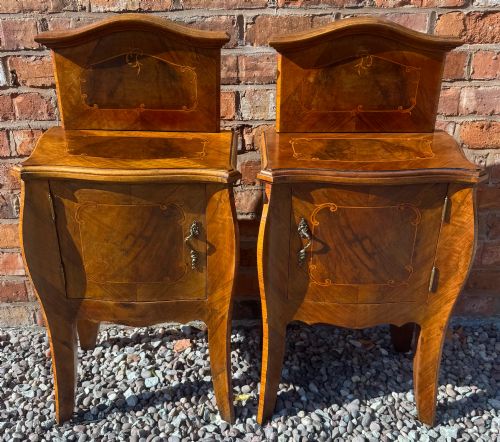
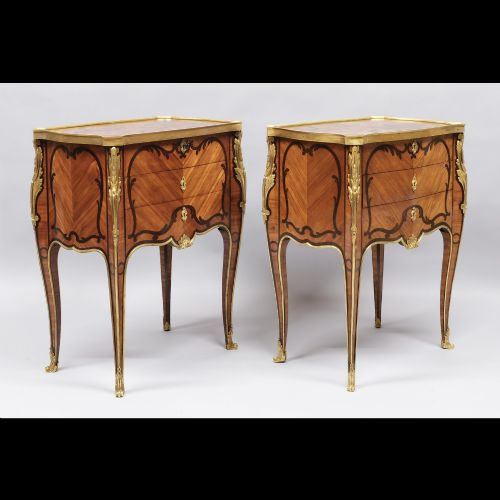
A golden brown chest encompasses diverse forms ranging from large chests of drawers and tallboys to bedside cabinets and commodes. Buyers searching for a golden brown chest typically encounter eighteenth and nineteenth-century pieces alongside twentieth-century iterations.
Materials and construction
Cabinetmakers utilised rich timbers including oak, walnut, mahogany, satinwood, and yew, often selecting burr veneers for striking grain patterns. Wood inlay and brass hardware frequently complement the primary wood construction.
Joinery methods adapted across centuries, moving from solid timber panel construction to sophisticated veneering techniques over oak or pine carcases.
Some nineteenth-century master specimen chests served as portable archives for tiny natural history oddities rather than household linens.
Assessing quality
Quality rests upon the selection of timber figure, particularly the symmetry and depth of burr walnut, elm, or amboyna veneers. Superior execution shows in the crispness of wood inlay and the harmonious grain matching across drawer fronts.
Construction integrity defines the upper tier, visible in traditional drawer linings, smooth running drawers, and original brass fittings that sit correctly within the timber.
Heals
The Golden Brown Chest Glossary
- Burr veneer
- A thin slice of wood cut from a tree growth or burl, prized for its swirling and intricate grain patterns. It provides a highly decorative surface on cabinet fronts.
- Tallboy
- A tall chest of drawers consisting of one chest stacked upon another, popular during the eighteenth century. This form maximised vertical storage space while minimising floor footprint.
- Commode
- A decorative chest of drawers or cabinet, often of French origin or influence, standing on relatively tall legs. These pieces frequently feature elaborate inlay or serpentine fronts.
- Tea caddy
- A small box designed to store loose tea leaves securely, often fitted with internal compartments and a lock. Examples from the Georgian and Regency periods frequently showcase fine timber veneers.
Golden Brown Chest: Frequently Asked Questions
What is a golden brown chest?
A golden brown chest refers to wooden storage furniture displaying warm honey and amber timber tones. These pieces range from grand eighteenth-century drawers to compact twentieth-century cabinets.
The category spans multiple decorative styles and functional types, united by the rich visual appeal of their natural wood surfaces.
How do I date a wooden chest?
Dating relies on examining construction methods, timber choices, and hardware styles. Eighteenth-century pieces often feature hand-cut dovetails and solid timber carcases.
Later Victorian and Edwardian examples introduce machine-sawn elements and different veneer application techniques that distinguish them from earlier work.
Where should I place a chest?
These chests suit living rooms, hallways, and bedrooms where their natural timber warmth enhances the interior. Smaller formats like bedside cabinets or tea caddies fit specific accent locations.
Direct sunlight should be avoided to protect sensitive timber veneers and preserve the rich colour of the wood.
How do I care for antique timber?
Maintenance involves keeping pieces away from direct heat sources and sudden temperature fluctuations that cause wood to crack. Regular dusting with a soft, dry cloth preserves the finish.
Applying traditional wax polish occasionally nourishes the timber and maintains a gentle lustre without building up heavy residue.