

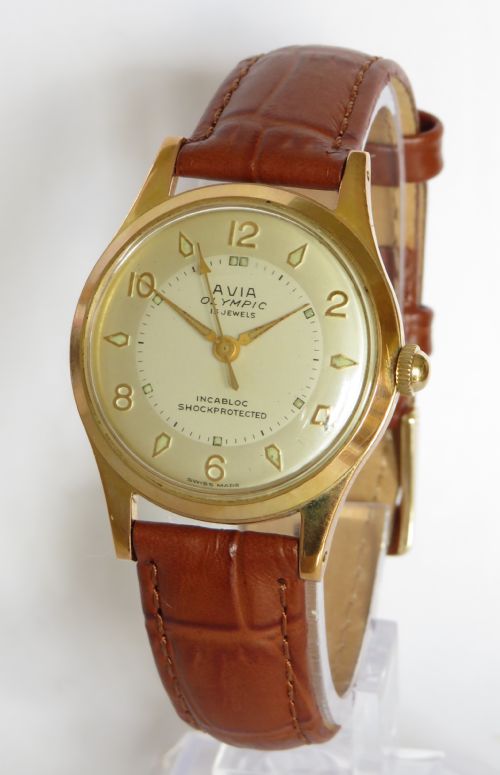


Gold Wind Up Watch
A gold wind up watch is a mechanical timepiece powered by manual mainspring tension, offering classic horological craftsmanship across pocket and wrist formats.
Gold Wind Up Watch
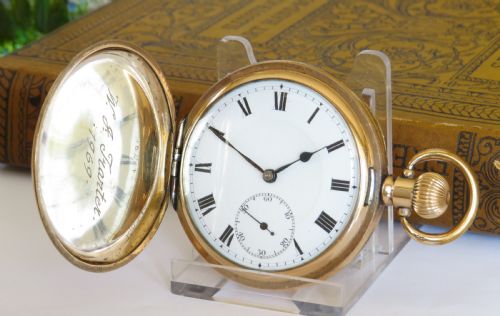
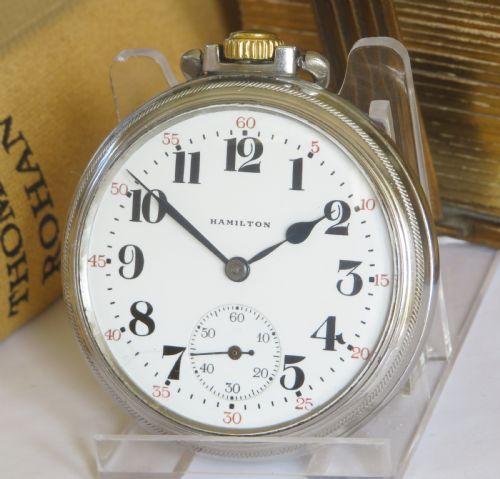
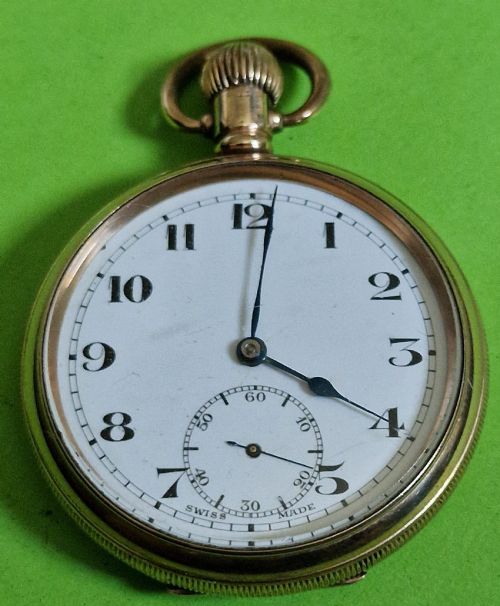
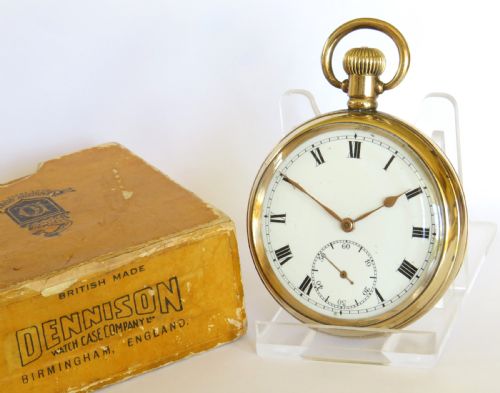
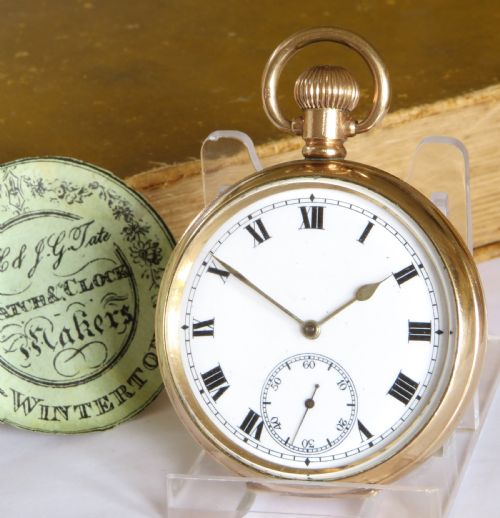
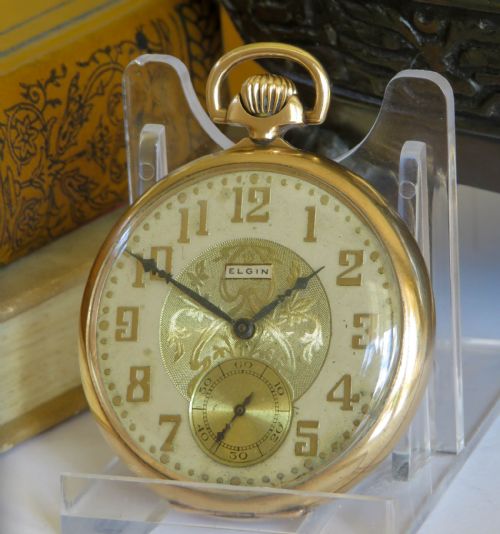
When you search for a gold wind up watch, you encounter mechanical timepieces spanning from the Victorian era through the mid-twentieth century. The selection encompasses both pocket watches and wristwatches, with pocket watches representing a significant portion of the available forms.
The periods represented stretch across the nineteenth century, Edwardian era, 1920s, 1930s, 1940s, 1950s, and 1960s. Styles such as Art Deco and Mid-Century appear frequently alongside traditional Victorian and Edwardian designs.
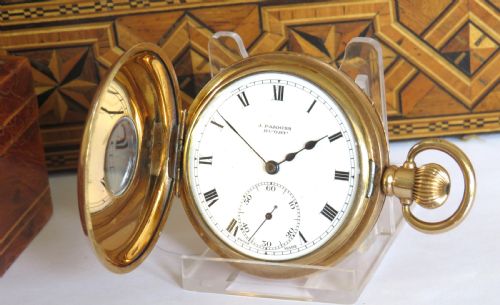
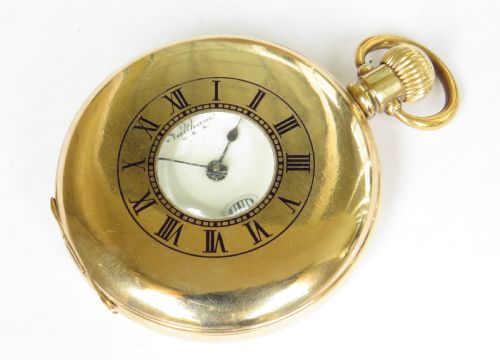
Pocket watch formats include full hunter and half hunter cases, sometimes accompanied by fitted boxes. Wristwatch formats includegents and ladies models featuring manual wind movements housed in gold plate or solid gold cases.
How they were made
Construction relies on metals such as steel, brass, and stainless steel for internal mechanical movements, paired with glass crystals and enamel dials. Cases utilise gold plate or solid gold construction, occasionally incorporating cardboard within fitted presentation boxes.
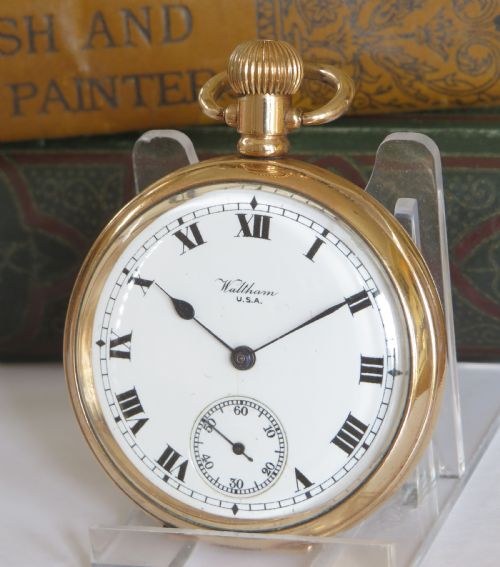
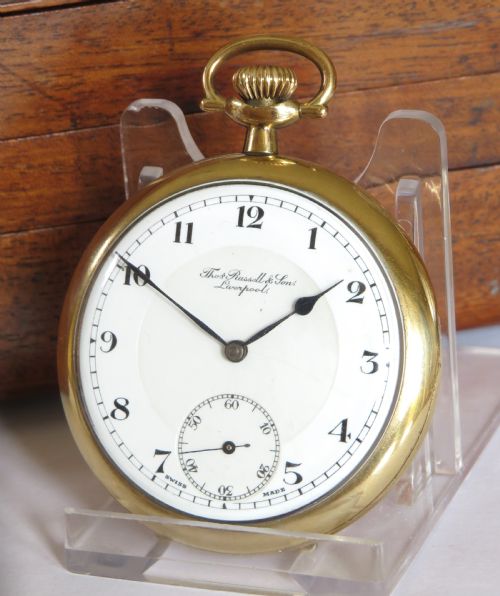
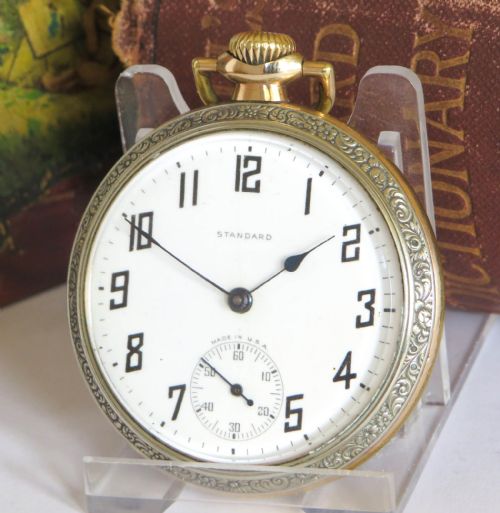
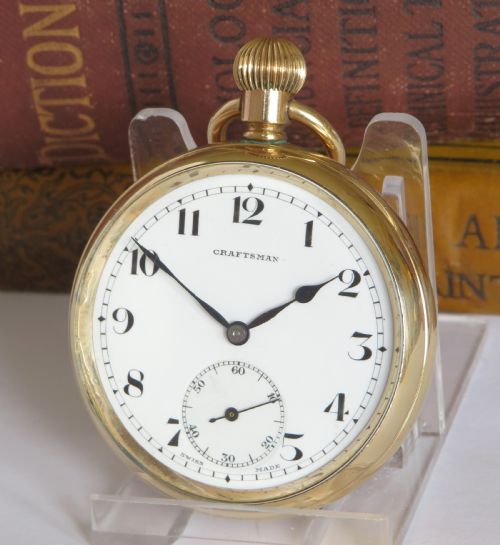
Manual wind movements require hand-setting and periodic tensioning of the mainspring via the crown. Enamel dials feature painted numerals and minute tracks, protected beneath fitted glass lenses set within metal or gold casings.
Materials recorded across the inventory include solid gold, gold plate, steel, brass, enamel, and glass.
What varies in quality
Quality differences stem from the precision of the mechanical movement and the composition of the case materials. Solid gold cases and jewelled movements represent higher tiers of production compared to gold plate over base metals.
Finishing details such as enamel dial execution, case engraving, and the presence of original maker signatures or fitted boxes distinguish standard production items from finer specialty pieces.
Waltham·Thomas Russell and Son·New York Standard·Urania·Revue·Hamilton·Dennison·Smiths·Elgin·Avia·Lanco·Helvetia·Langendorf·A Golay Leresche Geneve·Eastern Watch Case Co·Omega·Cyma·Benson·Baume and Co
The Gold Wind Up Watch Glossary
- Full hunter
- A pocket watch featuring a solid metal outer cover that springs open via a push-piece on the crown. This protective lid shields the glass crystal from scratches during daily carry.
- Half hunter
- A pocket watch with a case cover possessing a central glass or open aperture. This allows the wearer to read the hands without opening the front cover.
- Manual wind
- A mechanical movement requiring daily winding by hand to tension the mainspring. It contrasts with automatic movements that wind via wrist motion.
- Fob watch
- A small pocket watch designed to be worn attached to a ribbon or chain. These pieces were frequently carried in waistcoat pockets or pinned to garments.
- Calibre
- The specific manufacturer's designation for a particular watch movement design. This term helps identify the mechanical architecture housed inside the case.
Gold Wind Up Watch: Frequently Asked Questions
How do I wind a manual watch?
Rotate the crown clockwise between your thumb and forefinger until you feel gentle resistance. Stop turning immediately when the spring reaches full tension to avoid damaging the internal mechanism.
Wind the watch at approximately the same time each day to maintain consistent timekeeping performance.
How do I date a vintage watch?
Examine the movement serial numbers and inside case hallmarks for maker stamps and assay office symbols. These stamps often correspond to specific decades of production from the nineteenth and twentieth centuries.
Stylistic cues such as Art Deco numerals or Victorian case engraving also provide a reliable temporal framework.
Are these watches waterproof?
Vintage manual wind watches lack modern rubber gaskets and waterproof sealing technology. Moisture and water immersion will quickly rust the steel components and ruin the dial.
Keep these timepieces away from water, rain, and high humidity environments during daily wear.