
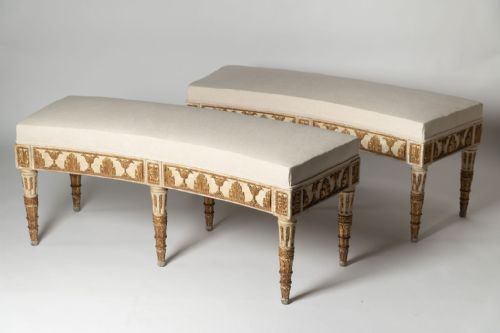

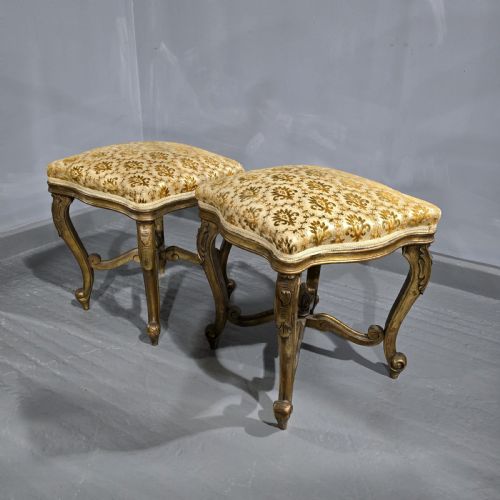
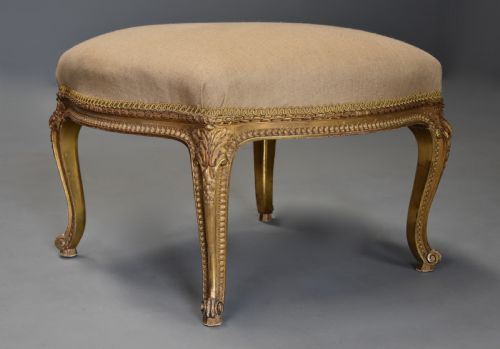


Gold Upholstered Stool
These gold upholstered stool pieces bring period elegance to a room, offering historic character and versatile seating.
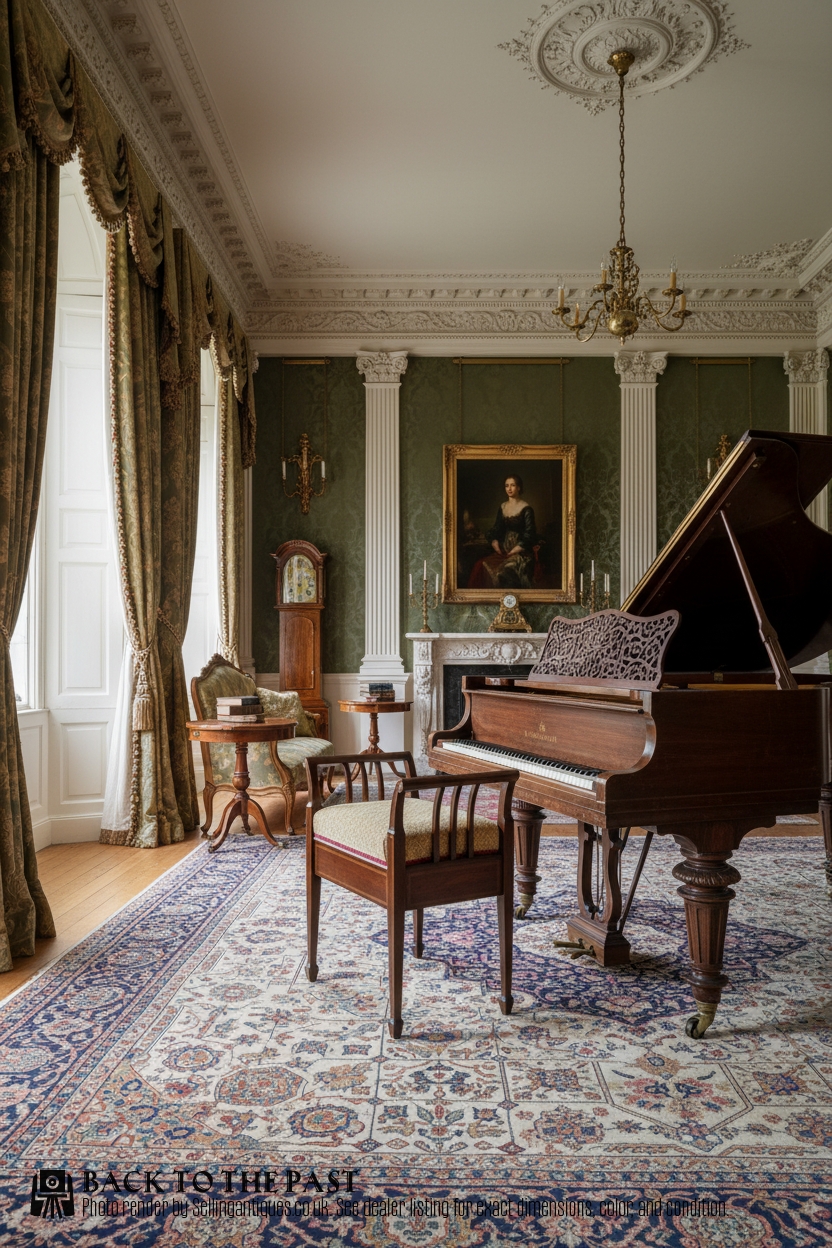
What a gold upholstered stool is
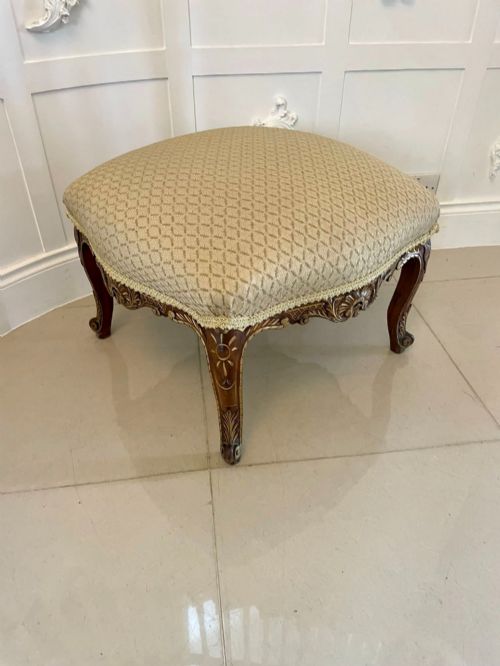
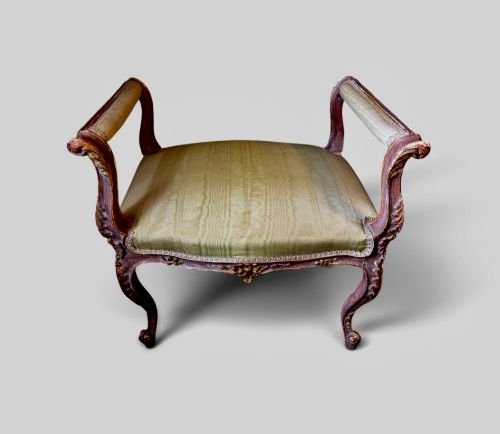
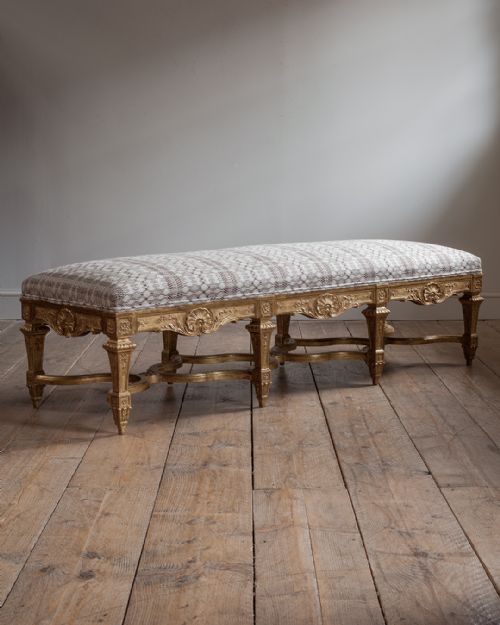
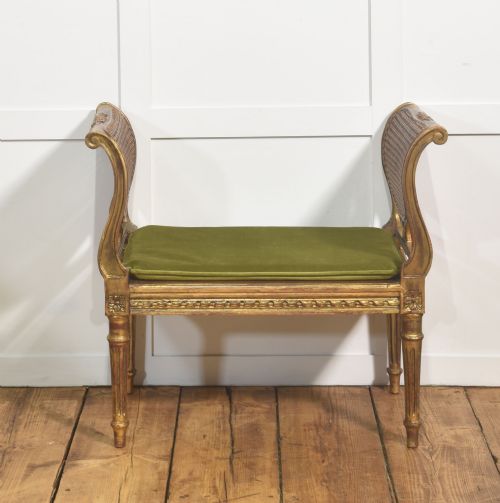
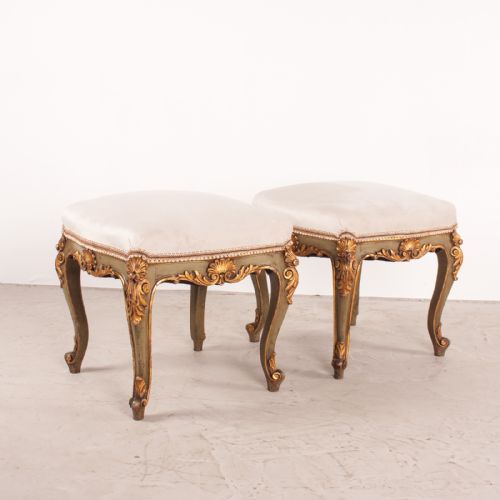
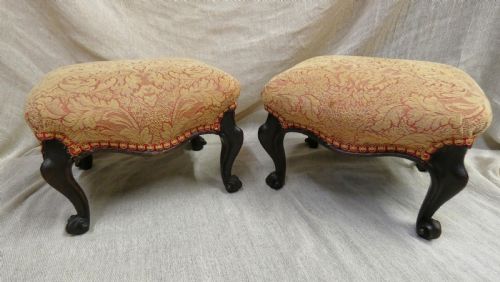
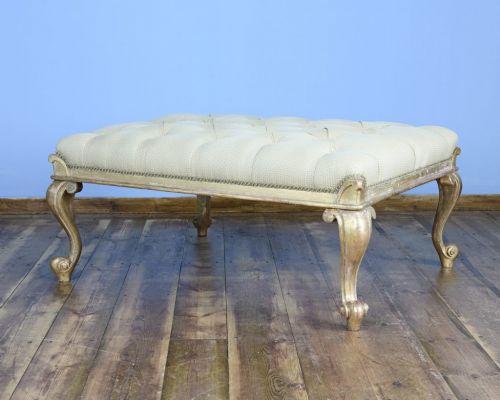
A gold upholstered stool combines carved wooden frames with textile covers, taking forms such as footstools, piano stools and low seats. These pieces appear across several distinct historical eras, ranging from mid-eighteenth-century examples to early twentieth-century designs.
The selection includes specific regional items alongside decorative seating influenced by continental aesthetics. Buyers frequently encounter French style pieces, Edwardian examples, and distinctive items associated with royal occasions.
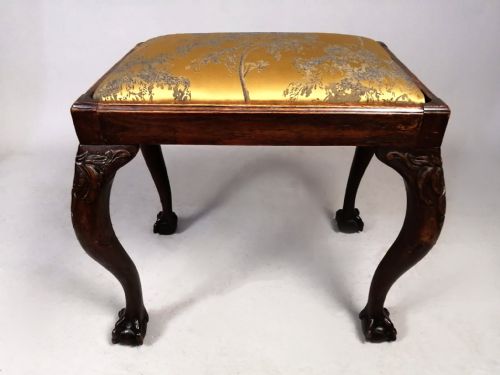
Formations vary from simple curule shapes to carved elm frames and inlaid mahogany seats. Each variation reflects the prevailing taste of its period while maintaining a compact seating profile.
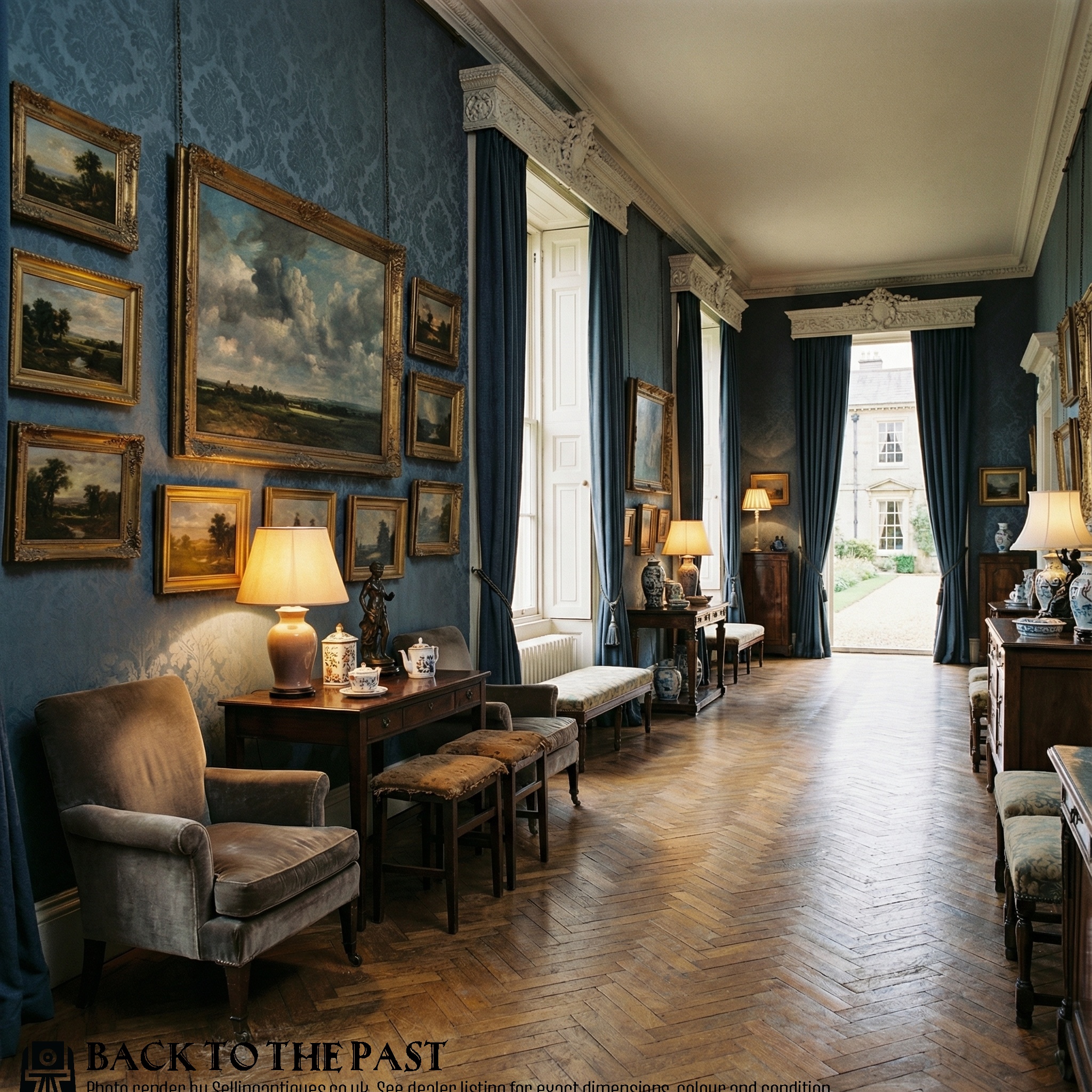
How they were made
Constructed from solid timbers including elm, oak, and mahogany, these frames often feature hand-carved ornamentation. Artisans shaped the wood using traditional joinery before applying decorative surface treatments.
Giltwood elements involve the application of gold leaf over prepared wooden surfaces to create a lustrous metallic finish. Upholstery techniques secure textiles such as silk and specialised fabric coverings directly to the frame.
Retail Price Guide 2026
Typical UK retail prices for gold upholstered stool, calculated from the Sellingantiques database of over a million retail prices indexed since 2003. This retail price guide relies exclusively on Sellingantiques data; no external sources or auction records are used, so the figures do not describe the wider market.
Current listings feature materials such as giltwood, silk, elm, oak, and mahogany across the 18th, 19th, and 20th centuries.
What varies in quality
Distinctions in quality rest upon the crispness of the wood carving and the sophistication of the gilt finish. Finer examples display deeply cut relief work and carefully burnished gold leaf rather than flat, uniform paint.
The selection of primary timbers and the integrity of the structural joinery also dictate value. Pieces utilising substantial hardwoods like elm or mahogany with original textile upholstery demonstrate superior craftsmanship compared to later, simpler adaptations.
The Gold Upholstered Stool Glossary
- Giltwood
- Wood that has been coated with gold leaf or thin gold powder. This finish provides a bright metallic sheen characteristic of formal period furniture.
- Curule
- An ancient chair shape featuring two intersecting curved legs that form an X-structure. This classical form appears in refined seating designs.
- Elm
- A durable hardwood noted for its interlocking grain and resistance to splitting. It was frequently utilised for structural framing in eighteenth-century seating.
- Neoclassical
- A style drawing inspiration from the classical art and architecture of ancient Greece and Rome. It emphasises symmetry, straight lines, and restrained ornamentation.
Frequently Asked Questions
Where should I place a gold upholstered stool?
These compact pieces fit easily into living rooms, dressing areas, or bedrooms as functional accent seating.
Their decorative frames allow them to sit effectively beneath windows or beside larger armchairs.
How do I care for giltwood frames?
Dust the carved surfaces gently with a soft, dry cloth to prevent accumulation without disturbing the delicate metallic finish.
Avoid liquid cleaners and moisture, which can damage the underlying gold leaf application.
What periods do these stools represent?
The selection spans the eighteenth century through the Edwardian era and the early twentieth century.
Individual pieces reflect specific stylistic revivals, including French Neoclassical and George II designs.
Can these stools support daily seating?
Solid timber construction provides sturdy support, though the primary function historically varied from foot rests to piano seats.
Consider the underlying frame integrity and textile strength when selecting a piece for frequent use.