
Gold Table Light Bases
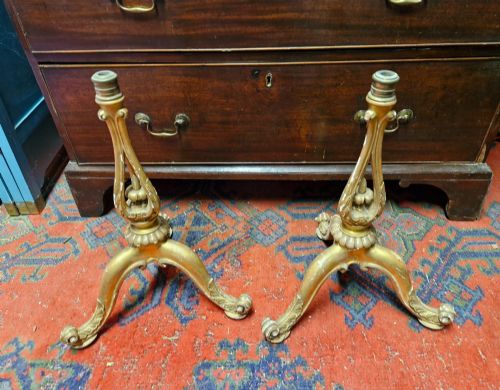
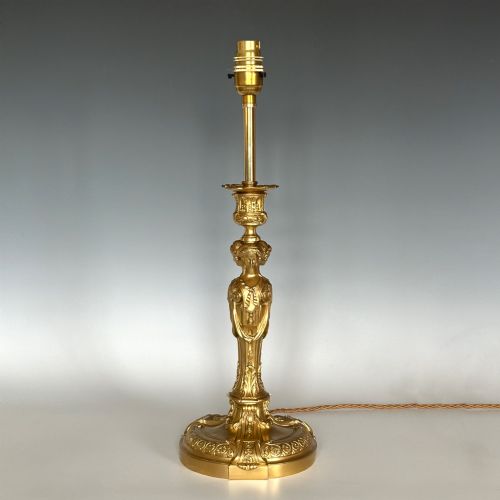
Gold table light bases transform functional illumination into classical sculpture, bringing warm metallic reflection and period character to interior spaces.
Gold Table Light Bases
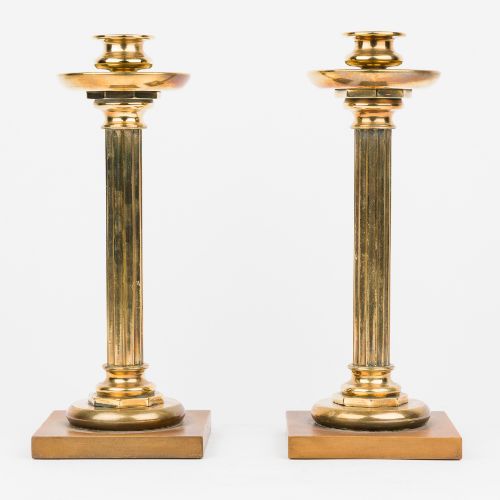
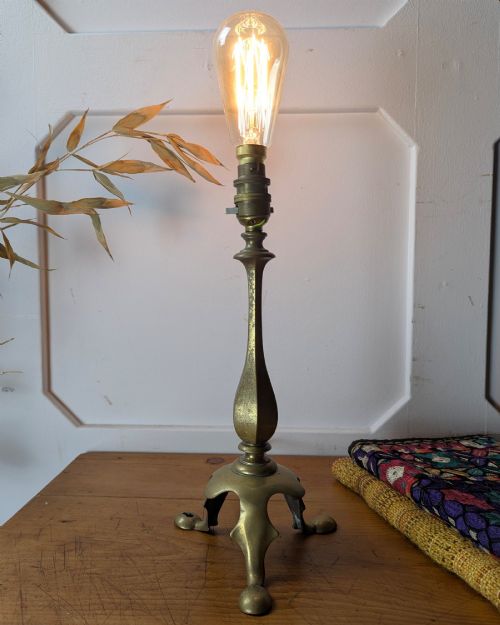
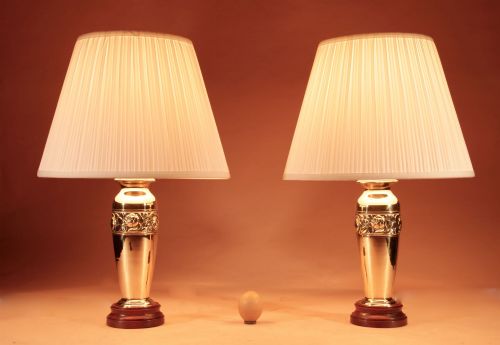
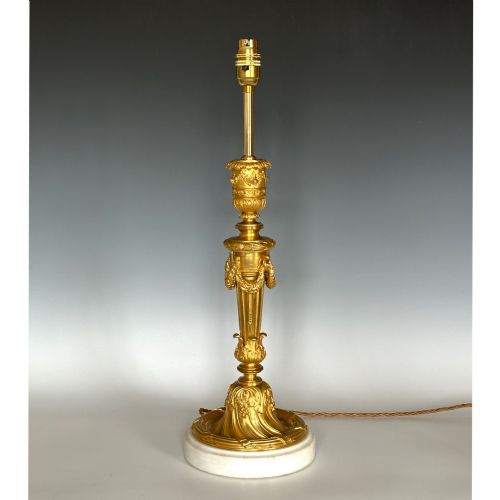
Gold table light bases encompass a diverse selection of transformed candlesticks, candelabra and dedicated lamp bases rendered in gleaming metallic finishes. Buyers examining this selection encounter numerous examples originating from the nineteenth and early twentieth centuries, spanning Victorian, Edwardian and Art Deco aesthetics.
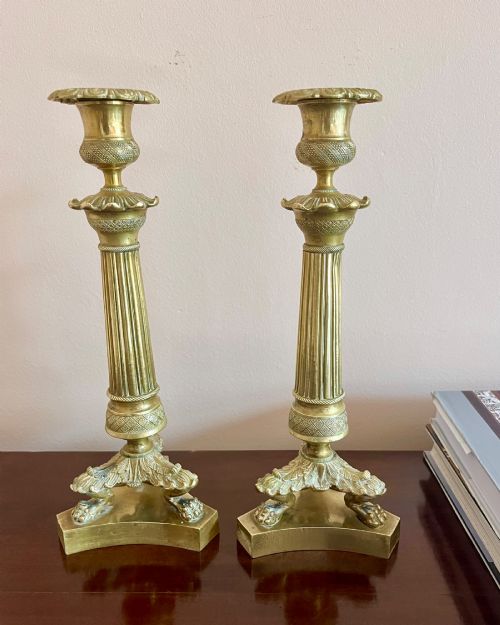
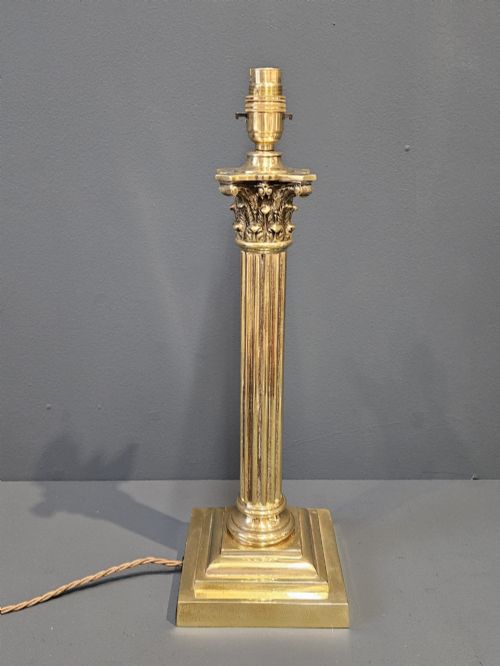
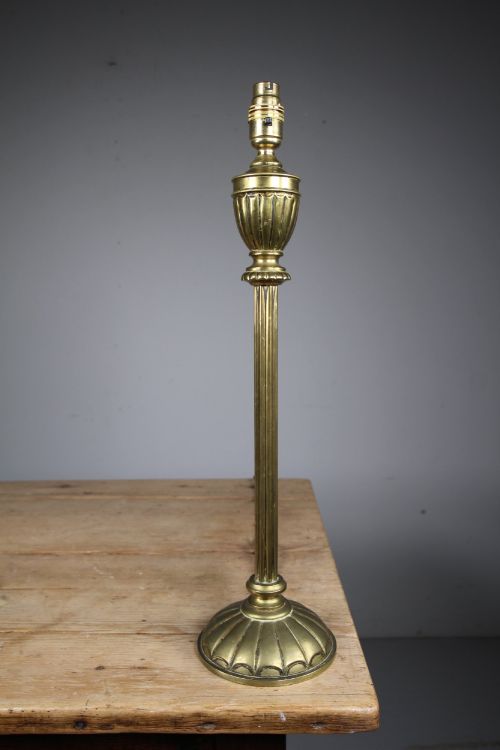
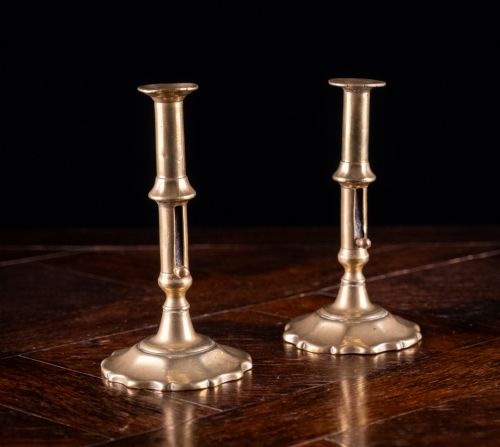
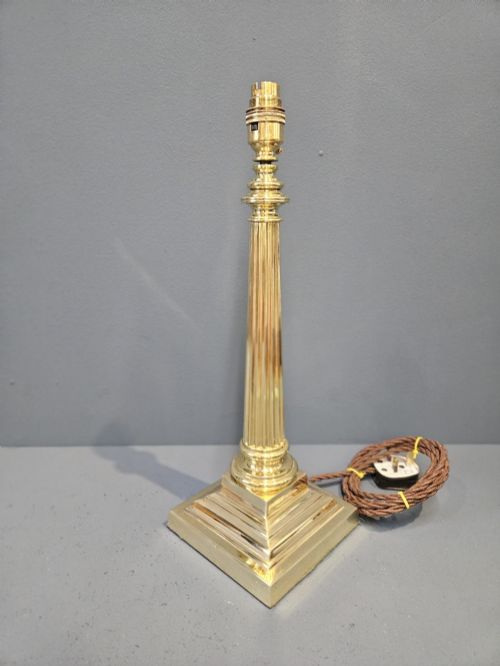
The dominant forms present here rely heavily on traditional column structures, particularly Corinthian and reeded shafts, alongside tripod supports and baluster silhouettes. Many pieces began life as heavy brass or bronze candlesticks before conversion into wired lamps, while others were conceived specifically as electrified table lights from the outset.
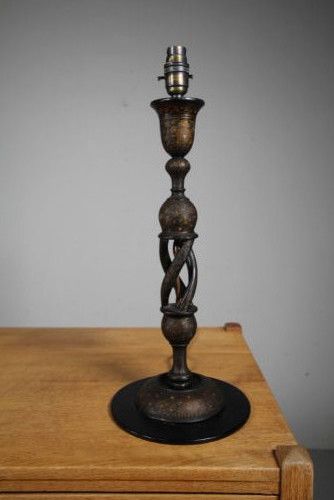
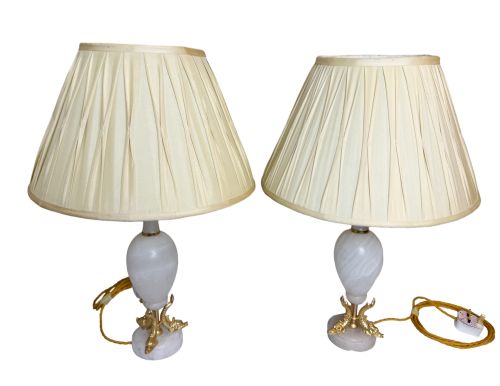
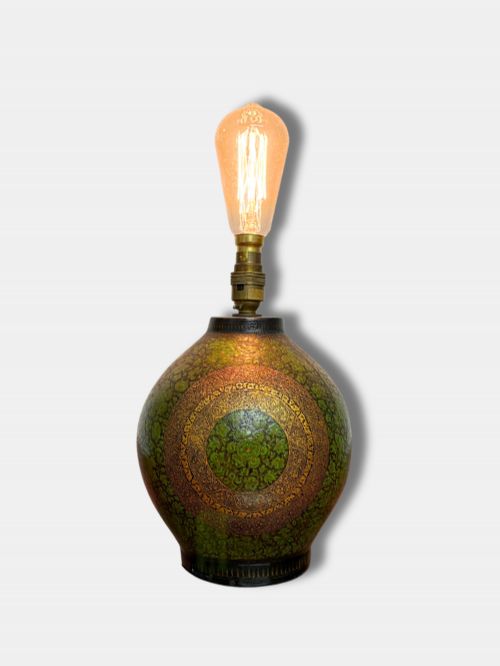
Geographic origins vary significantly across the inventory, ranging from English and French workshops to Italian alabaster mounts and Kashmiri twist designs. This eclectic mix ensures buyers find both formal neoclassical styling and decorative hand-painted or carved variations suitable for diverse interior schemes.
Materials and construction
Makers utilised heavy cast metals such as brass, bronze, ormolu and gilt metal to provide structural stability and a durable foundation for illumination. Surface decoration frequently involved fire-gilding, ormolu application or painted finishes to achieve the characteristic golden lustre seen across the inventory.
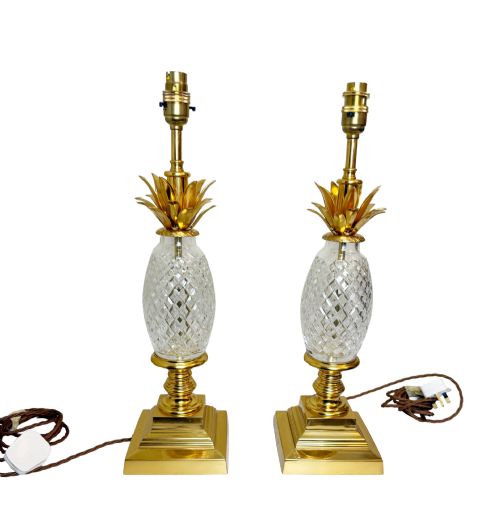
Secondary materials appear strategically to enhance the visual weight and textural contrast of the designs, including white marble, onyx, crystal glass and timber. Artisans combined these elements using threaded rod construction, secure brazing and tight-fitting mounts that held heavy stone and metal components firmly in alignment.
Turning lathes shaped timber and brass into barley twist and reeded columns, while specialised moulding techniques produced crisp acanthus leaves, classical capitals and cherubic reliefs. Where conversion to electricity occurred, subsequent wiring was integrated through central apertures originally designed to hold taper pins or wick mechanisms.
Serpents coil around eagles and cherubs mount alabaster pillars, proving Victorian lighting designers possessed an wonderfully imaginative sense of theatre.
Distinctions in craftsmanship
Quality rests primarily in the crispness of the cast ornamentation and the density of the base metal. Superior examples exhibit sharply defined acanthus capitals and deeply channelled fluting on column shafts, whereas lesser pieces display softened details resulting from worn production moulds.
The integrity of the assembly dictates the overall standard of a piece, distinguishing sturdy, well-balanced bases from those with internal looseness. Heavier gauge brass and solid bronze components ensure stability, while finer French ormolu works maintain precise alignment across multi-part constructions without visible gaps or inferior solder joints.
The choice of secondary materials introduces another tier of distinction, separating standard brass castings from luxury pairings involving genuine carved onyx, banded alabaster or hand-cut crystal. Harmonious proportion between the golden base and any incorporated stone or glass elements determines the visual success of the composition.
J.T. & Co·Dugourc
The Gold Table Light Bases Glossary
- Ormolu
- A gold-coloured alloy of copper and zinc applied to bronze objects through a mercury amalgamation process. This technique creates a rich, durable metallic finish characteristic of fine French decorative arts.
- Corinthian column
- An architectural column style featuring an ornate capital decorated with carved acanthus leaves. Such designs frequently form the central pillar of classical table lamp conversions.
- Baluster
- A moulded vertical support with a bulbous lower portion tapering toward the top. This architectural silhouette appears frequently on turned brass and wooden lamp bases.
- Tripod base
- A three-legged support structure providing elevated stability for tall stems or urn forms. These configurations often incorporate paw feet or scrolling animal motifs.
- Reeded
- A decorative surface treatment comprising parallel convex mouldings placed closely together. This texture adds visual rhythm to cylindrical columns and candlesticks.
Gold Table Light Bases: Frequently Asked Questions
Are these converted from old candlesticks?
Many examples originate as antique brass or bronze candlesticks that received electrical wiring at a later date. This adaptive reuse preserves original craftsmanship while meeting modern illumination needs.
Conversion methods vary, with some retaining original structural sockets and others featuring professionally drilled channels to house modern cords safely.
How do I identify French ormolu?
French ormolu displays a deep, warm golden tone resulting from mercury gilding techniques applied to bronze foundations. The chasing work remains exceptionally sharp, revealing intricate detail in foliage and figural mounts.
Weight offers another indicator, as genuine ormolu and bronze combinations feel substantially heavier than plated base metals of later eras.
What periods do these lamps represent?
The selection spans the nineteenth and early twentieth centuries, encompassing Victorian, Edwardian, and Art Deco movements. Earlier Georgian candlesticks also appear among the converted lighting.
Stylistic cues such as neoclassical columns, Empire proportions, and Louis XVI ormolu mounts help determine the primary era of manufacture.
How should I clean antique brass bases?
Maintenance requires gentle dusting with a soft, dry cloth to preserve existing patination and protective wax layers. Aggressive metal polishes strip historical surface character and reduce the depth of the finish.
If the piece incorporates marble or onyx elements, moisture must be kept away from porous stone surfaces during cleaning.
Can heavy stone bases support large shades?
Solid bronze, marble, and onyx foundations provide exceptional ballast, easily supporting substantial fabric or parchment shades without tipping. The inherent weight of these materials ensures a stable centre of gravity.
Matching the scale of the shade to the robust proportions of the column remains the key consideration for balance.