

Antique Marble Base Lighting
Antique marble base lighting brings substantial weight and classical elegance to a room, uniting cool stone with warm metalwork.
Antique Marble Base Lighting
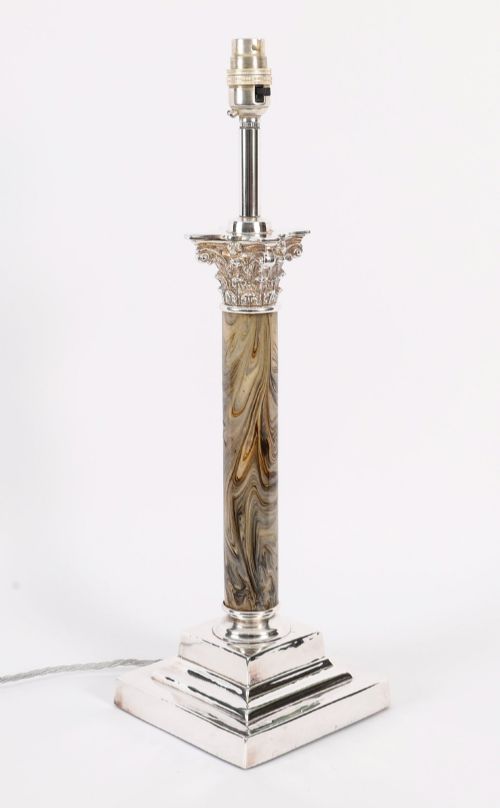
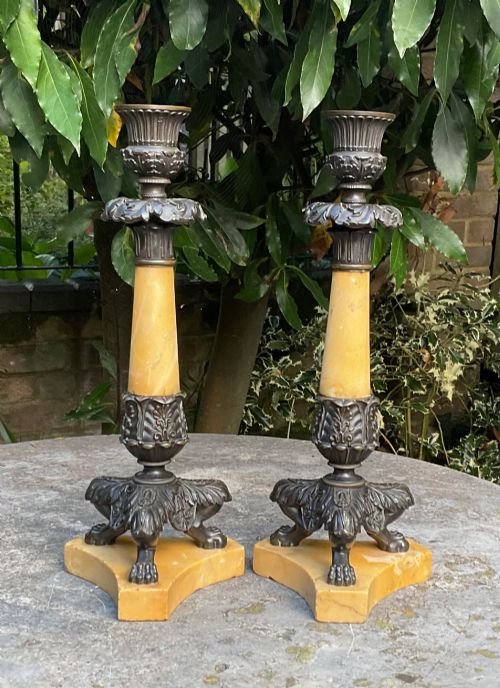
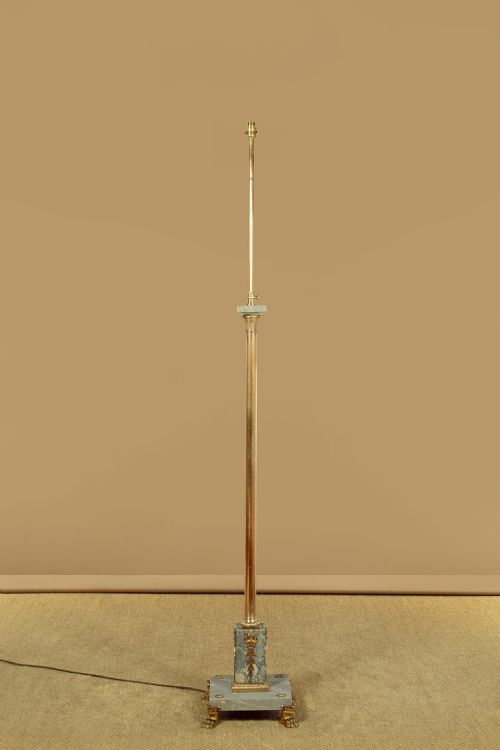
When you search for antique marble base lighting, you encounter a mix of domestic table lamps, converted candlesticks, and floor standards originating from the nineteenth and early twentieth centuries.
The selections span distinct periods, including Victorian, Edwardian, and Art Deco, alongside French Neoclassical and Louis XVI revival designs.
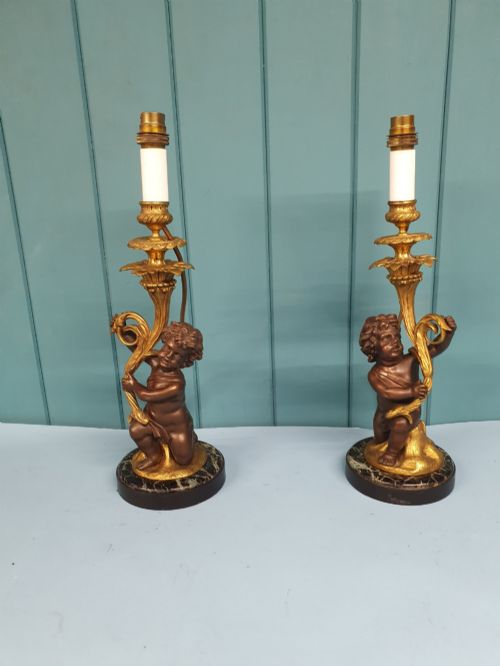
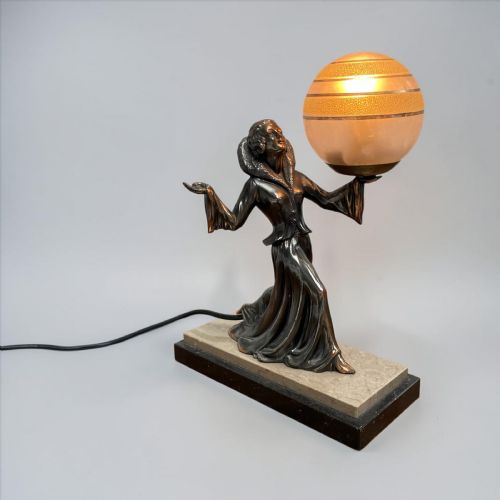
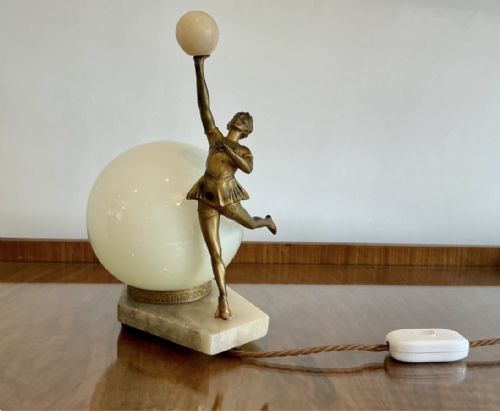
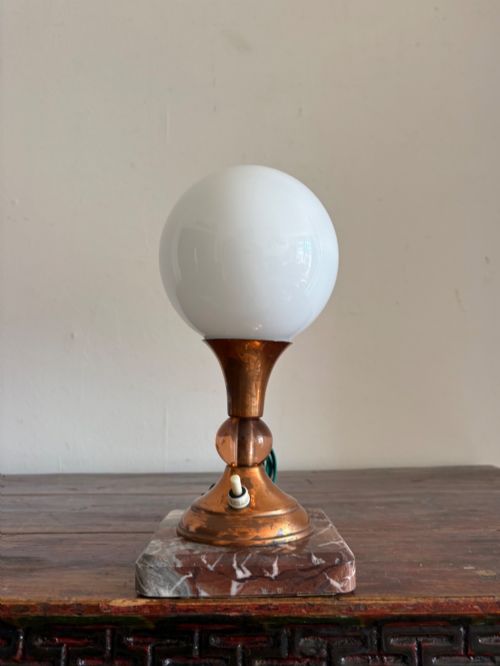
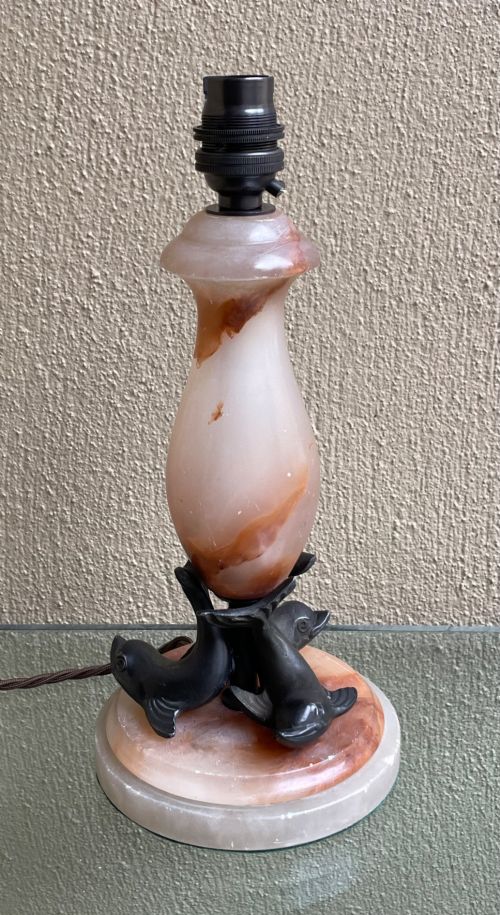
Table lamps and figural candelabra dominate the selection, frequently pairing sculptural bronze or spelter elements with polished marble plinths.
Materials and Construction
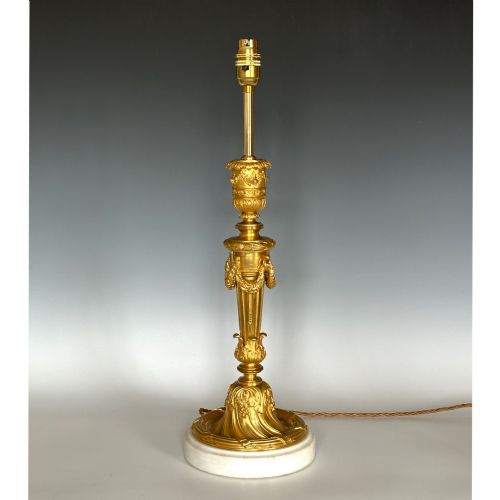
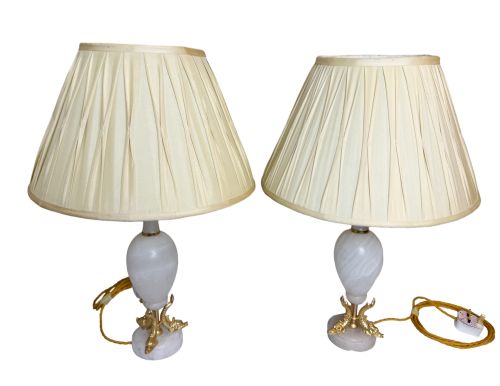
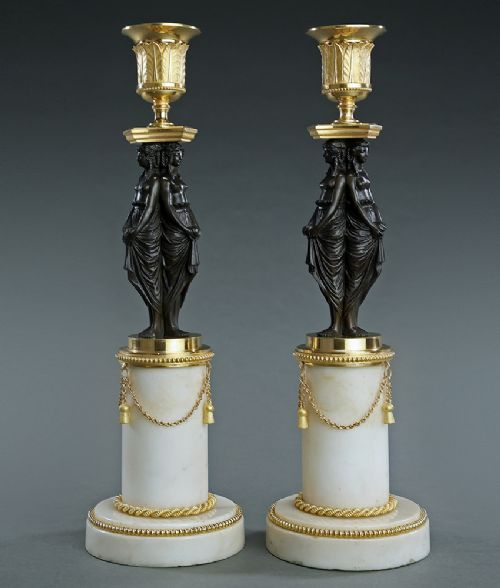
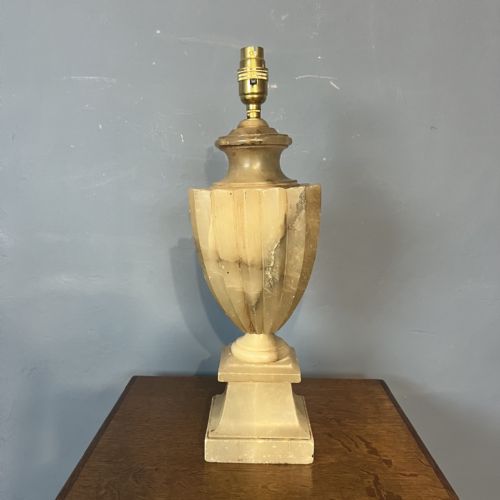
Foundations rely on solid marble and alabaster, often paired with cast bronze, brass, or gilt ormolu mounts to secure figurative statuary.
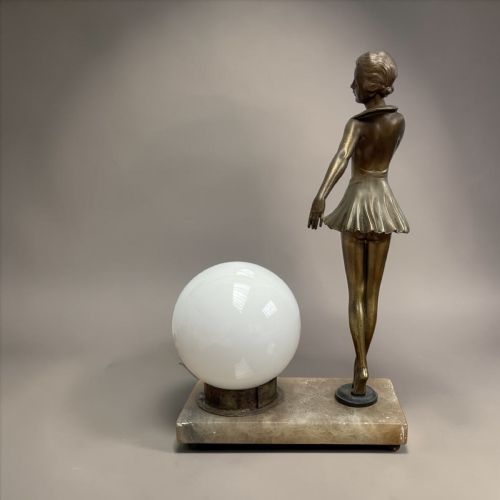
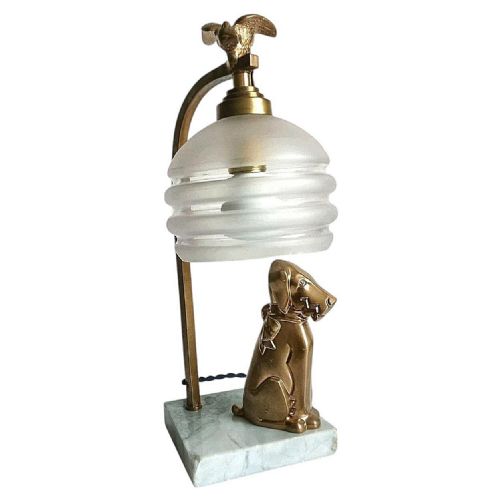
Many examples incorporate decorative glass elements, such as opaline or frosted shades, alongside fabric components added during later conversions.
Listings incorporate diverse materials including marble, bronze, brass, gilt bronze, fabric, glass, ormolu, and spelter.
Defining Quality
The refinement of the casting in the metal figures and mounts dictates the upper tier of pieces, separating sharp detail from soft execution.
The selection of the stone base, the integration of the electrical conversion, and the original patination of the bronze or gilt surfaces determine the overall merit.
Claude Clodion
The Antique Marble Base Lighting Glossary
- Ormolu
- Gilded bronze achieved through a mercury-gilding process, giving a rich golden surface to decorative mounts. This technique was widely utilised in French lighting design.
- Spelter
- A zinc alloy commonly cast as an economical alternative to bronze, frequently painted or patinated to imitate heavier metal. It appears often in figural mood lamps.
- Caryatid
- A sculpted female figure serving as an architectural support or column, seen supporting the framework of classical lamps. These figures draw directly from ancient Greek building traditions.
- Opaline glass
- A pale, semi-translucent glass developed in France, used to diffuse light softly across shades and bowls. It adds a delicate luminescence to period lighting fixtures.
Antique Marble Base Lighting: Frequently Asked Questions
How do I identify a converted candlestick?
Converted candlesticks retain their original bobbins or drip pans, which have been discreetly drilled or fitted with internal wiring for modern use.
Close inspection around the nozzle often reveals the subtle integration of lamp holders into the historical metalwork.
What periods are common for these lamps?
The evidence shows production spanning the Victorian and Edwardian eras, extending through French Neoclassical revivals and Art Deco designs.
Nineteenth-century pieces lean heavily toward classical figural bronzes, while the 1920s and 1930s introduce stylised lady lamps and novelty animal motifs.
Are original shades common?
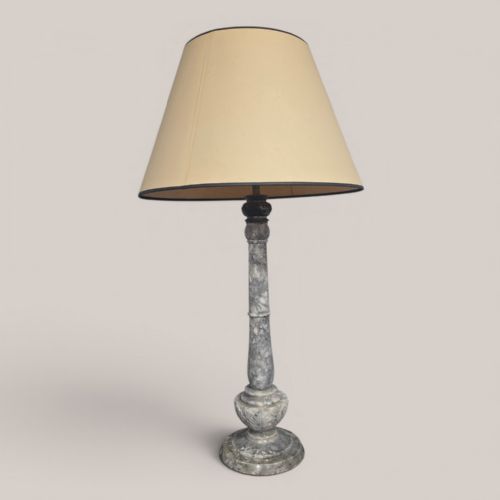
Most surviving fixtures retain only their primary bases and stems, with fabric shades representing later replacements.
Specialist glass components like opaline or frosted shades do survive on specific twentieth-century French pieces.
How should I clean marble bases?
Stone plinths require gentle dusting with a dry, soft cloth to protect the polished surface from abrasion.
Harsh chemical cleaners strip the natural sheen and must be avoided entirely.