


Edwardian Gilt Lamp Bases
Edwardian gilt lamp bases bring warmth and period elegance to a room, combining polished metalwork with classic forms.
Edwardian Gilt Lamp Bases
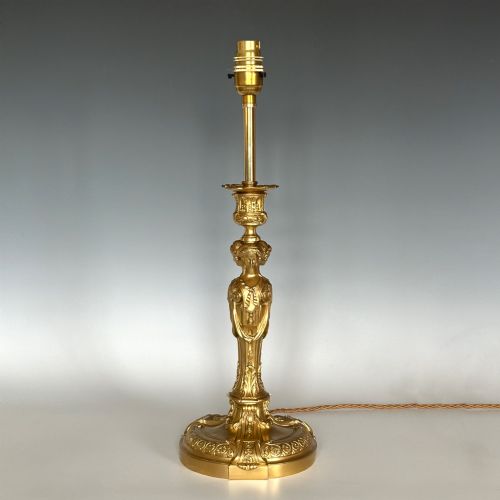
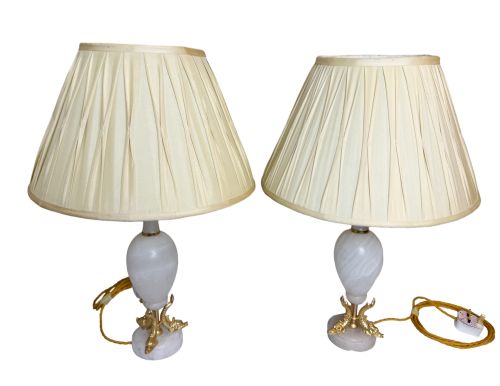
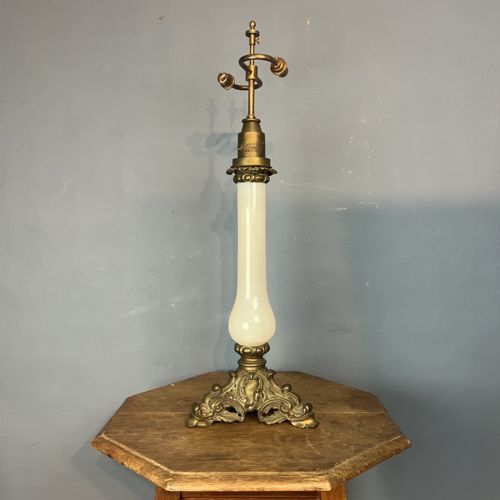
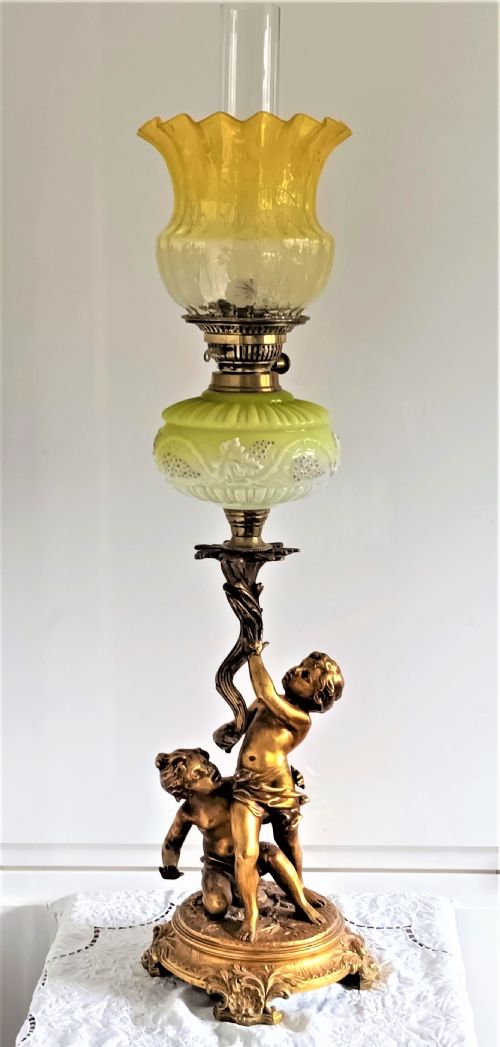
Edwardian gilt lamp bases encompass lighting fixtures produced during the early twentieth century alongside complementary pieces from the nineteenth century. Buyers searching for edwardian gilt lamp bases encounter table lamps, standard lamps, and converted oil lamps that reflect the tastes of their era.
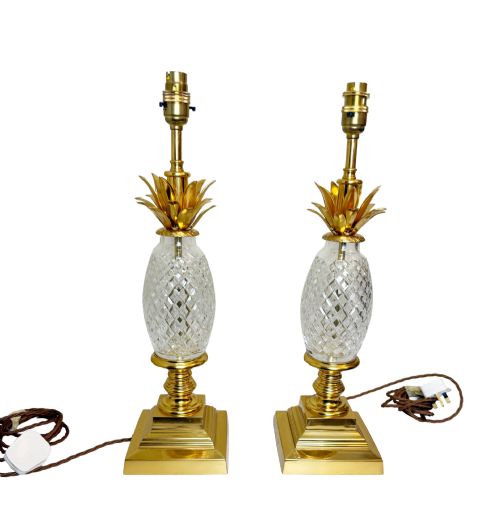
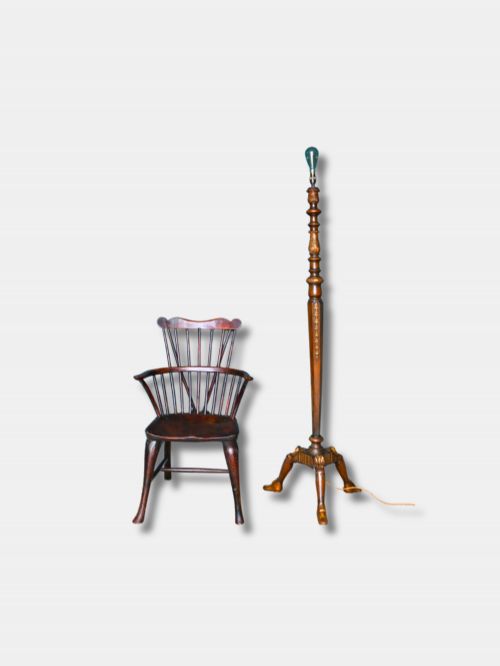
Makers and designers of the period drew upon classical motifs, resulting in column lamps, pineapple lamps, and tripod standard lamps. These pieces range from simple domestic lighting to decorative objects featuring hand-painted porcelain or Chinoiserie details.
How they were made
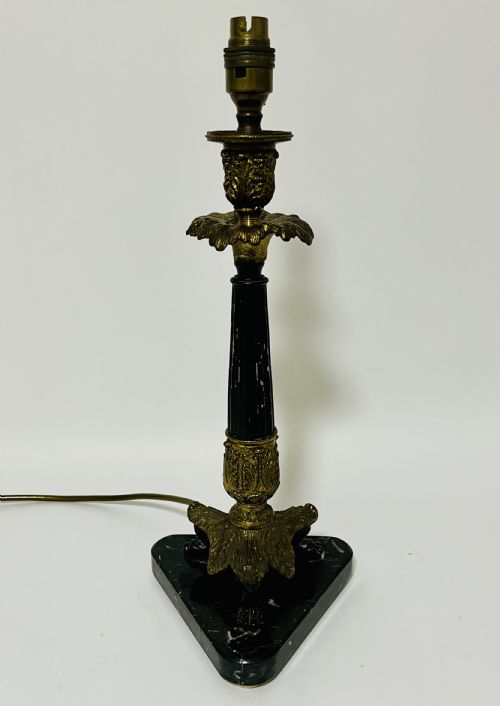
Construction relies upon casting metals such as brass, bronze, and ormolu to form structured columns, bases, and decorative mounts. Gilding techniques apply a gold-coloured finish to the metal surface, creating the characteristic shine seen across the selection.
Craftsmen combined metalwork with heavy natural materials, securing gilt mounts onto marble and onyx plinths for stability. Glass components like opaline glass and crystal were shaped and incorporated into bodies, whilst ceramic elements received hand-painted decoration before firing.
The listings span from the mid-nineteenth century through the Edwardian era into the nineteen-twenties, incorporating brass, marble, and crystal.
What varies in quality
The refinement of the metal casting and the crispness of chased details set finer examples apart from simpler commercial production. Quality shows in the depth and durability of the gilding and the secure integration of mixed materials like marble and crystal.
Substantial weight in the base and the quality of the raw materials used, such as genuine ormolu rather than basic gilt metal, distinguish the higher end of the range. The artistic merit of hand-painted porcelain panels or bronze mounts further elevates an individual piece.
Mc Gary·Samson
The Edwardian Gilt Lamp Bases Glossary
- Ormolu
- A gilded bronze technique used extensively for decorative mounts on furniture and lighting fixtures. It involves applying finely ground high-carat gold to a bronze base.
- Opaline glass
- A type of semi-translucent glass that gained popularity in the nineteenth century, often produced in white or pastel shades for decorative lamp bodies.
- Chinoiserie
- A European artistic style reflecting Chinese motifs and techniques, applied to decorative arts including ceramics and lamp bases.
- Gilt bronze
- Metalwork featuring a thin layer of gold applied to a bronze substrate, providing a durable and decorative metallic finish.
- Standard lamp
- A tall floor-standing lamp designed to illuminate a room from a corner or beside seating furniture.
Edwardian Gilt Lamp Bases: Frequently Asked Questions
How do I clean a gilt lamp base?
Dusting gently with a soft, dry cloth is the safest method to maintain the surface without damaging the delicate metallic finish. Avoid using abrasive cleaning products or chemical polishes that can strip away the gilding.
Take care around painted porcelain or glass elements, using only a lightly damp cloth if necessary and drying immediately.
Are these lamps safe to use today?
Many older lamps have been rewired or require professional rewiring to meet modern electrical standards. It is standard practice to have a qualified electrician inspect the wiring before regular daily use.
Original wiring from past decades should generally be replaced to ensure domestic safety while retaining the antique base.
Where were these lamps placed originally?
Table lamps typically sat on side tables, desks, or mantelpieces in principal rooms of the house to provide targeted illumination. Standard lamps stood in corners or beside reading chairs in studies and drawing rooms.
Converted oil lamps transitioned from functional household lighting to decorative electric table lighting as domestic electricity spread.