


Gold Sub Dial Watch
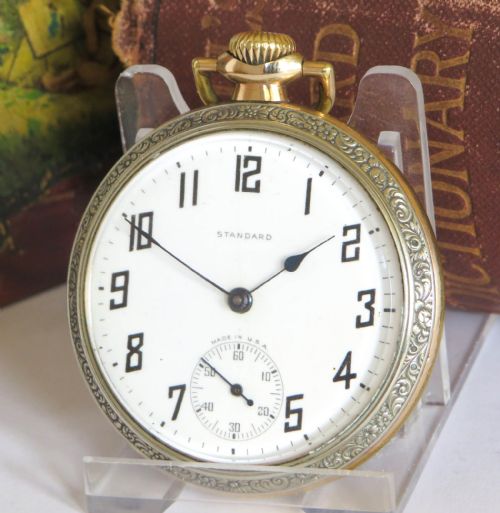
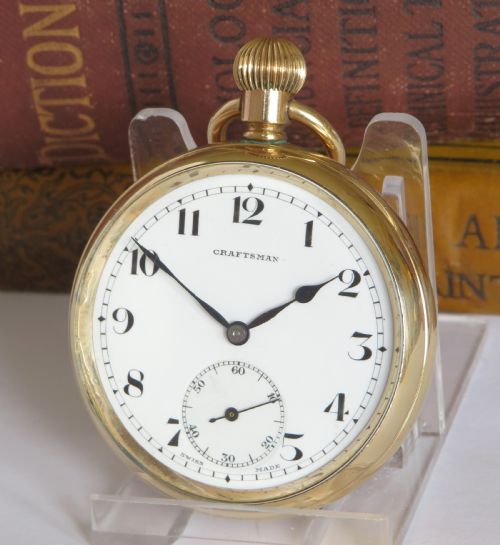
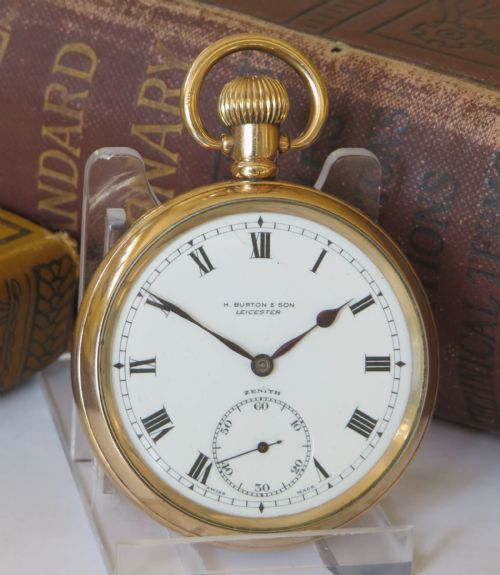
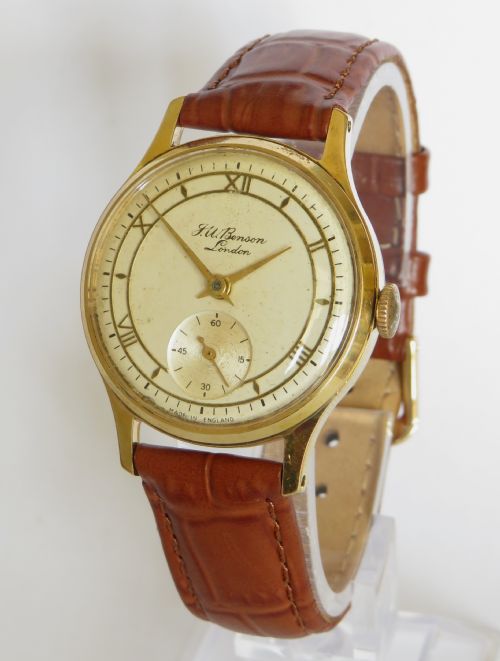
These watches featuring a gold sub dial watch display timekeeping through small auxiliary registers, combining period metalwork with mechanical movement.
Gold Sub Dial Watch
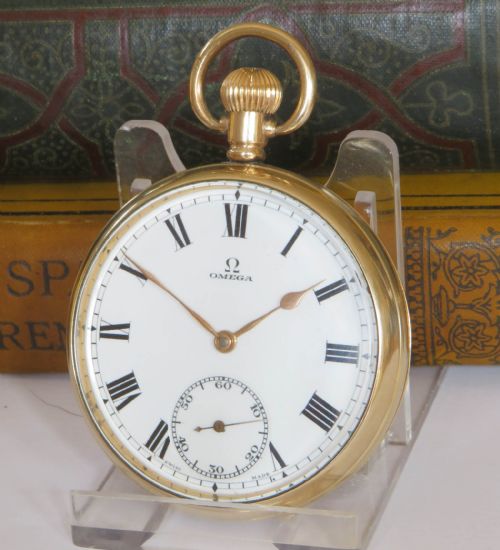
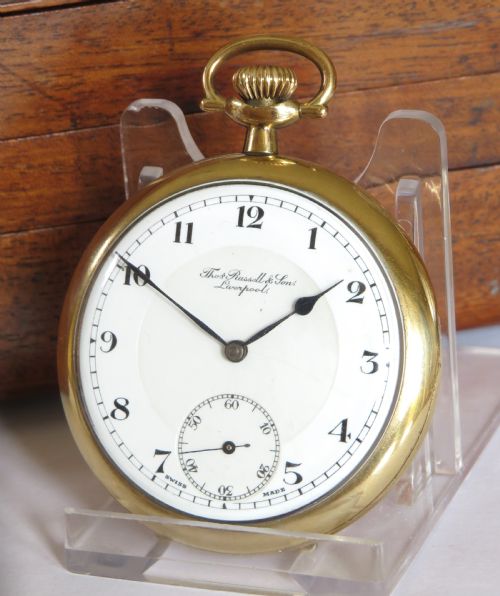
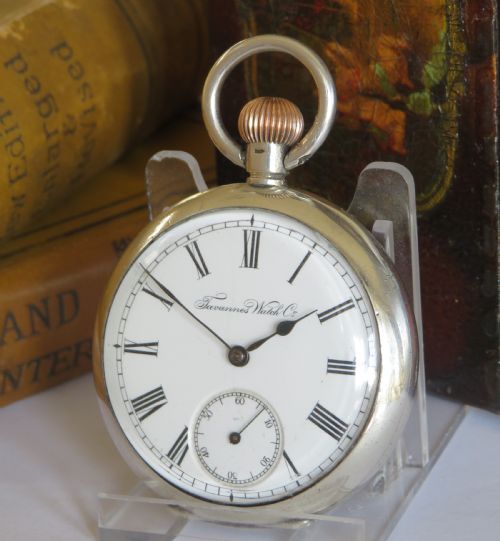
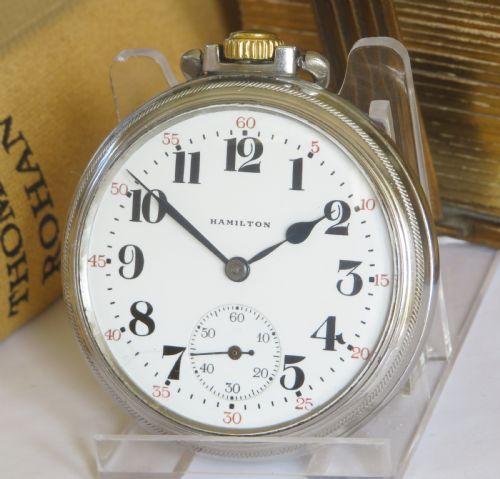
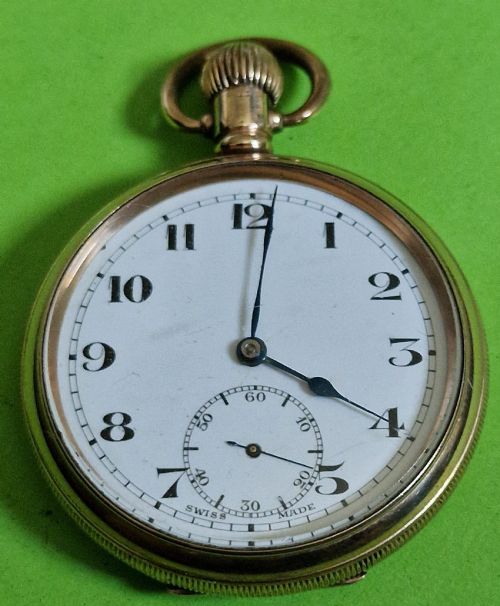
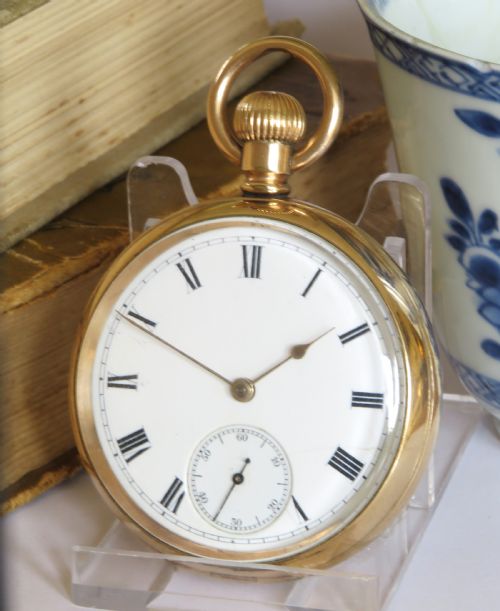
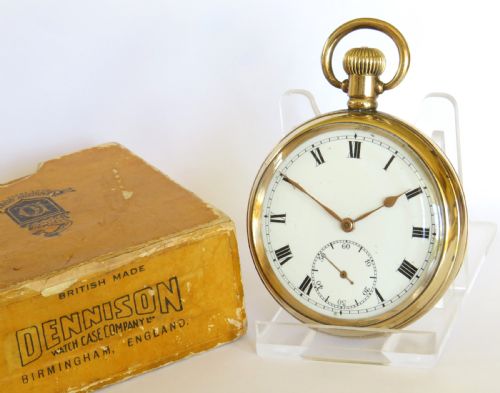
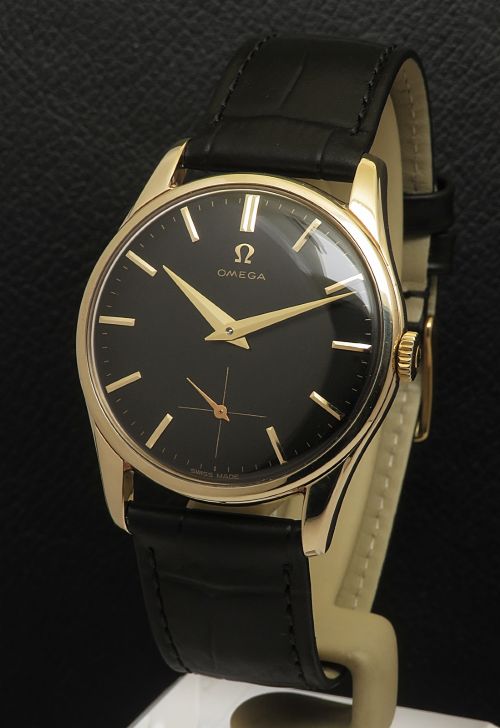
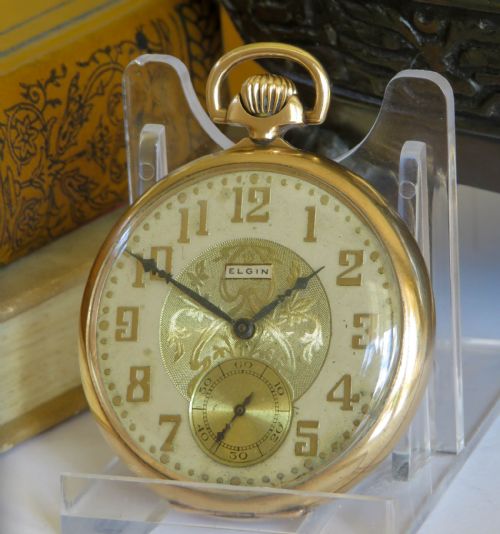
A gold sub dial watch brings together pocket watches and wristwatches from the Victorian era through the mid-century decades. These pieces display a secondary dial, typically positioned above the six o'clock mark, dedicated to tracking seconds independently from the main hour and minute hands.
The selections span distinct periods, incorporating Victorian, Edwardian, Art Deco and Mid-Century Modern designs. Pocket watches dominate the early decades, while mid-century wristwatches introduce refined gold-filled and solid gold casings suited for daily wear.
Materials and construction
Cases utilise 9ct gold, 14k rose and yellow gold, and gold plate, housing mechanical movements protected by glass crystals and enamel dials. Leather straps complement wristwatches, while pocket variants frequently accompany metal chains.
Makers integrated stem-winding mechanisms and jewelled movements to regulate the gear trains. Dial faces incorporate applied numerals, minute tracks, and recessed auxiliary seconds rings.
Listings span periods from the Victorian era through the 1960s, encompassing both pocket watches and wristwatches in 9ct gold, gold plate, and steel.
Assessing the grade
Quality rests upon the integrity of the gold casing and the precision of the internal mechanical calibre. Solid gold constructions and fully serviced movements distinguish higher grade pieces from standard gold-plated alternatives.
The preservation of the enamel dial, clarity of the crystal, and legibility of the sub dial markings influence the overall standard of the watch.
Omega·Thomas Russell and Son·Tavannes·Zenith·Smiths·Hamilton·Dennison·Waltham·Revue·Elgin·Cyma·Consul·Nirvana International·Record·Longines·Tiffany and Co·Longines Wittnauer·Le coultre·Bulova
The Gold Sub Dial Watch Glossary
- Sub dial
- A secondary, smaller dial set within the main watch face, usually dedicated to tracking seconds. It requires careful gear alignment to function alongside the primary hands.
- Half hunter
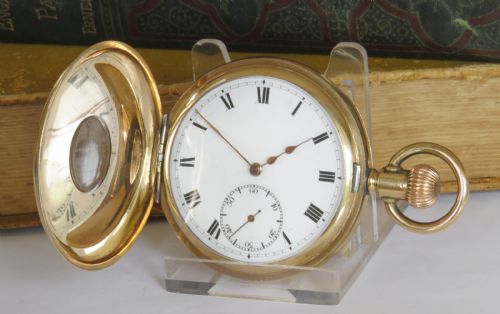
- A pocket watch featuring a case with a glass or open centre in the front cover. This permits reading the time without opening the case.
- Calibre
- The specific manufacturer designation for a movement model. It indicates the internal architecture and mechanical layout.
- Gold-filled
- A material comprising a solid layer of gold mechanically bonded to a base metal core. It provides the appearance of solid gold with increased durability.
- Stem-winding
- A mechanical winding system operated via the crown rather than a separate key. This development simplified daily operation.
Gold Sub Dial Watch: Frequently Asked Questions
What is a sub dial?
A sub dial is a smaller auxiliary circle set onto the main watch face, separate from the primary hour and minute hands. On these pieces, it functions as a dedicated seconds counter.
Craftsmen integrated these smaller registers to provide precise time readings while maintaining clear separation from the main dial layout.
Are these pocket watches or wristwatches?
The selection includes both pocket watches and wristwatches spanning several decades. Pocket watches represent the earlier Victorian and Edwardian periods, while wristwatches emerge more prominently in the mid-century selections.
Buyers select between traditional pocket formats with chains and wrist-worn iterations depending on personal preference for daily use.
How do I wind the movement?
Most pieces utilise a stem-winding mechanism operated through the crown at the top or side of the case. Turning the crown tightens the mainspring to power the mechanical gear train.
Careful manual winding sustains the operation of the jewelled movement without over-tensioning the internal components.
What distinguishes solid gold from gold-filled?
Solid gold cases utilise precious metal throughout the entire structure, whereas gold-filled cases bond a layer of gold over a base metal core. Solid gold provides intrinsic material value and distinct weight.
Both methods deliver the appearance of precious metal while utilising different manufacturing techniques suited to their respective periods.