


Gold Stick Stand
When you search for a gold stick stand, you find hall furniture and metal lighting that bring bright metallic tones into an entrance.
Gold Stick Stand
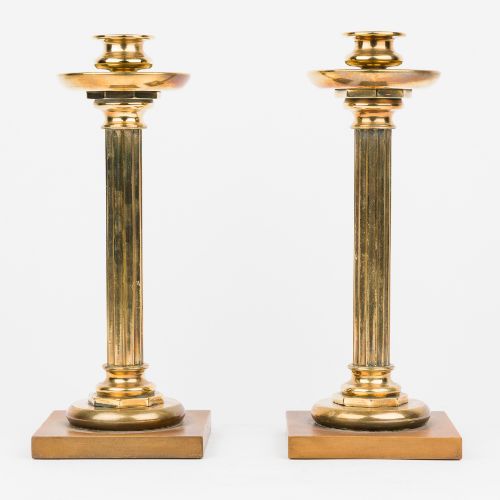
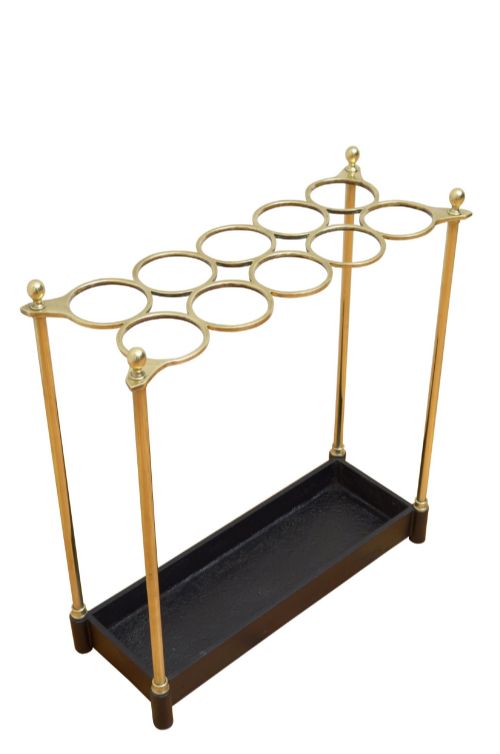
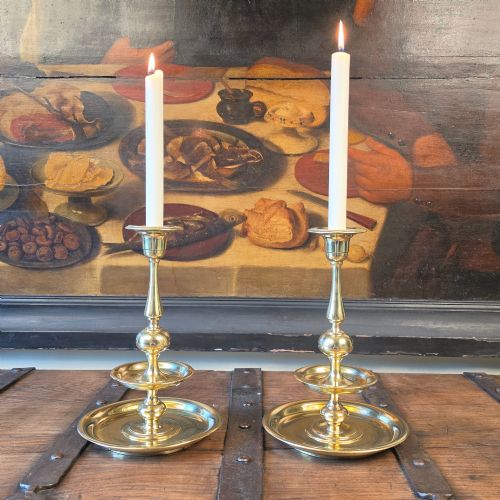
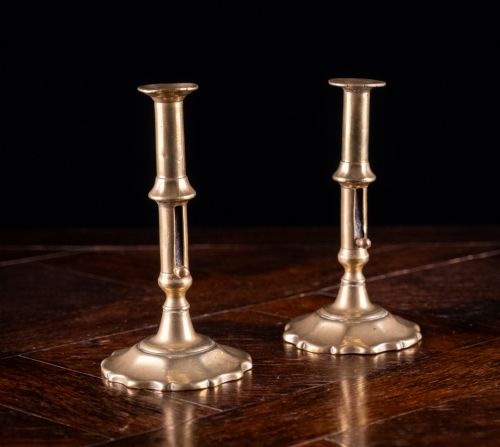
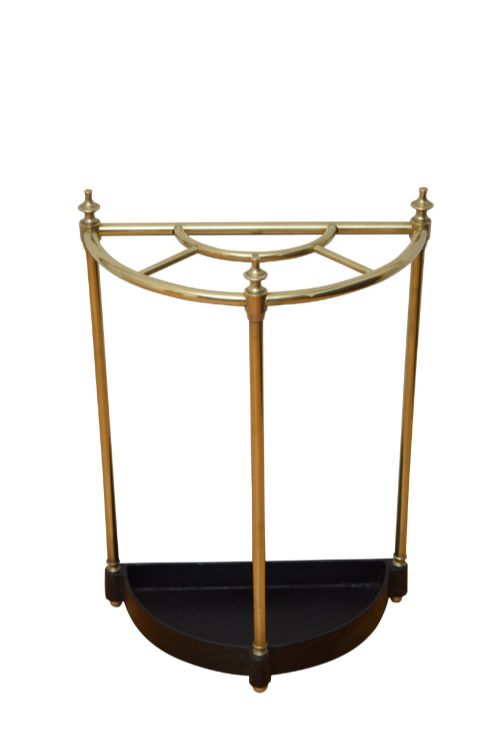
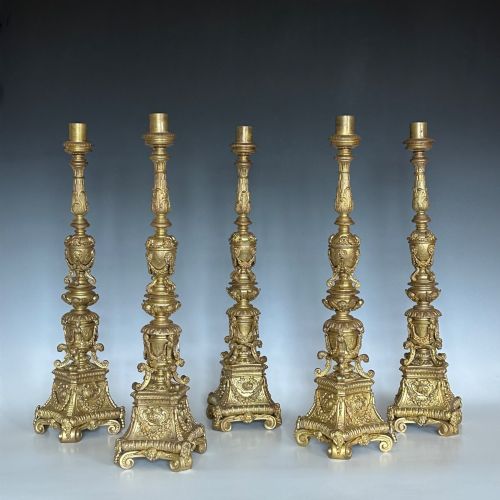
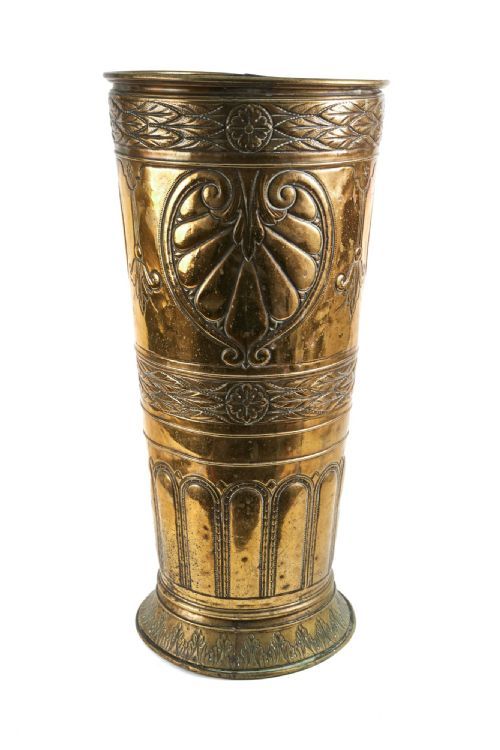
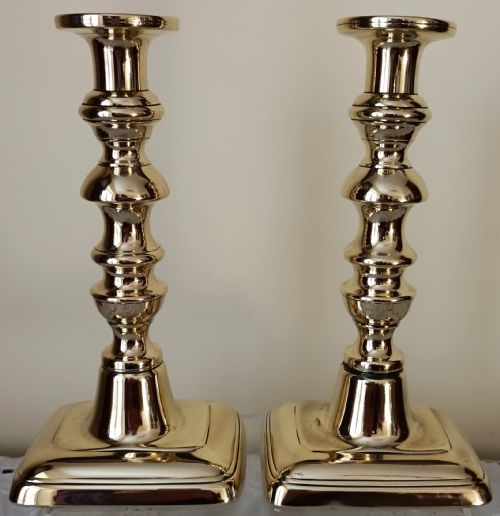
A gold stick stand typically appears as a polished brass, gilt bronze, or golden oak piece designed to hold walking canes and umbrellas in a hallway. The evidence shows these functional items spanning from the Victorian period through the Edwardian era and the Arts and Crafts movement, alongside related metal candle holders.
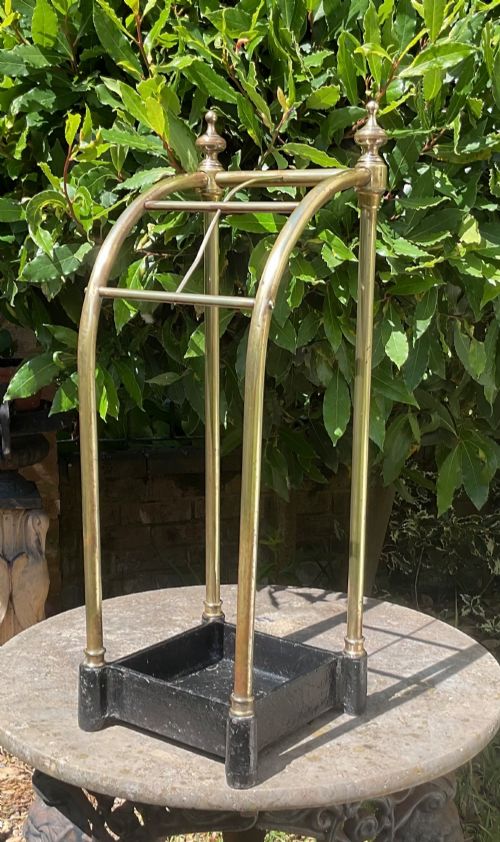
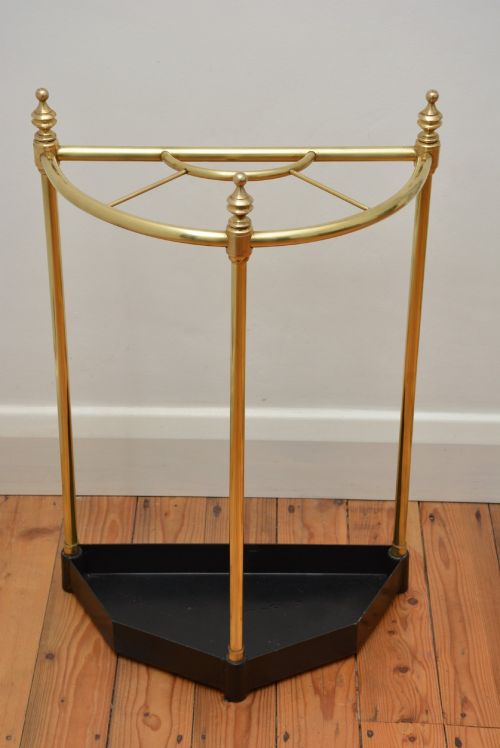
Buyers most frequently meet demi-lune brass umbrella stands and wooden hallway frames equipped with metal loops or drip trays. These hall furnishings served practical domestic purposes while introducing decorative warmth to narrow entrance spaces.
Materials and Construction
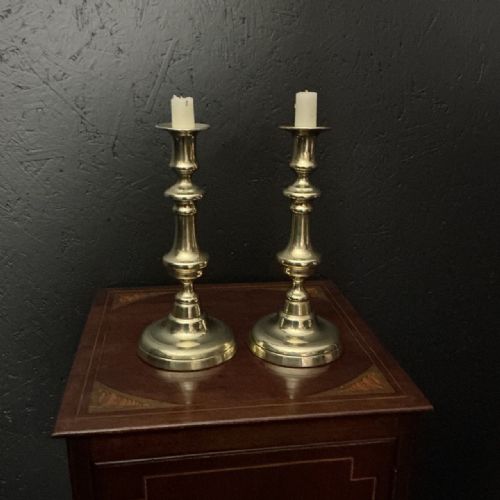
Makers utilised cast and sheet brass, bronze, and gilt finishes alongside golden oak timber to build sturdy hallway stands and candlesticks. Metal components often involved casting, turning, and joining with decorative ball finials or bun feet.
Wooden examples relied on traditional joinery methods to support heavy umbrella loops, while metal stands incorporated drip trays to catch water from wet walking canes.
Listings combine brass, bronze, cast iron, and golden oak across nineteenth and early twentieth-century periods.
Assessing Craftsmanship
Quality rests in the weight of the metal, the crispness of decorative casting, and the structural integrity of the frame. Finer examples display clean joints, substantial gauge brass or bronze, and well-fitted drip trays that remain secure.
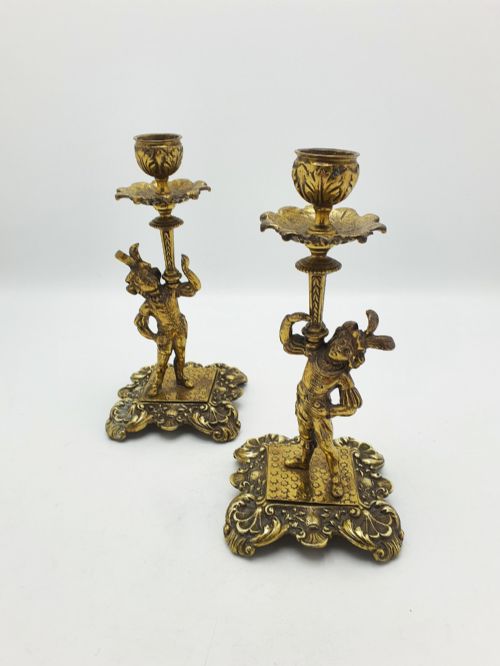
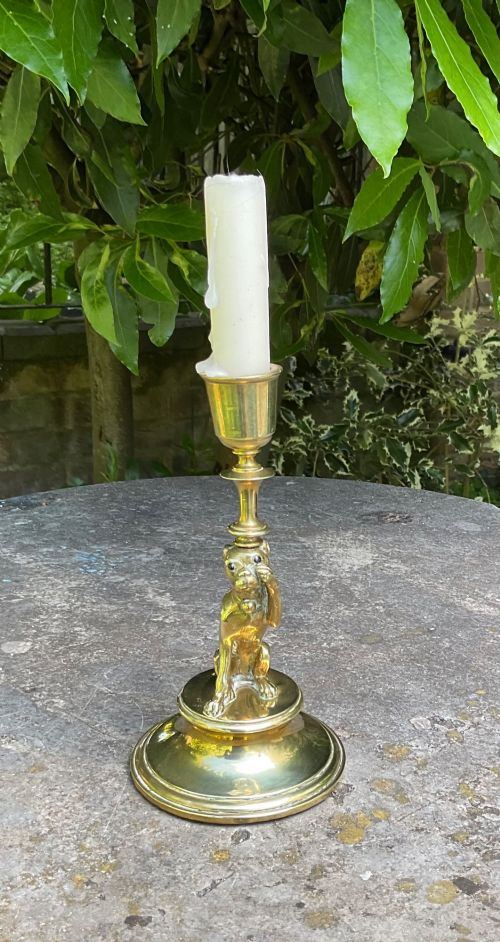
Design detail also separates standard utility items from superior pieces, such as cast figural elements, decorative pierced work, or stamped maker marks that indicate careful workshop production.
Ridgway·J.T. & Co·Falkirk Ironworks·Harrison Patent
The Gold Stick Stand Glossary
- Demi-lune
- Half-moon shape. This curved profile allows stick stands to sit flush against a hallway wall.
- Drip tray
- A shallow metal basin placed at the base. It catches rainwater running off umbrellas and walking sticks to protect the floor.
- Pricket candlestick
- A candle holder featuring an upward-facing spike. This metal point secures the candle rather than a socket.
- Ormolu
- Ground gold applied to bronze. This French technique creates a bright metallic surface finish on decorative items.
Gold Stick Stand: Frequently Asked Questions
How do I care for brass hall stands?
Brass surfaces require occasional dusting with a soft cloth to prevent the accumulation of dirt. Avoid harsh chemical cleaners that can strip patination and finish.
Checking the stability of base drip trays and tightening any structural joints will keep the stand functional.
Were these stands used for umbrellas?
These furnishings accommodated both walking canes and umbrellas in period hallways. The vertical loops and rings kept wet items upright and organised near the front door.
Integrated metal drip trays at the bottom prevented water from damaging wooden floors.
How can I date an oak stick stand?
Dating relies on timber selection, construction methods, and stylistic details associated with periods like the Arts and Crafts movement or the Victorian era. Golden oak and twist turnings often point toward late nineteenth-century production.
Examining the fixings and the condition of any attached brass fittings helps confirm the age of the piece.