

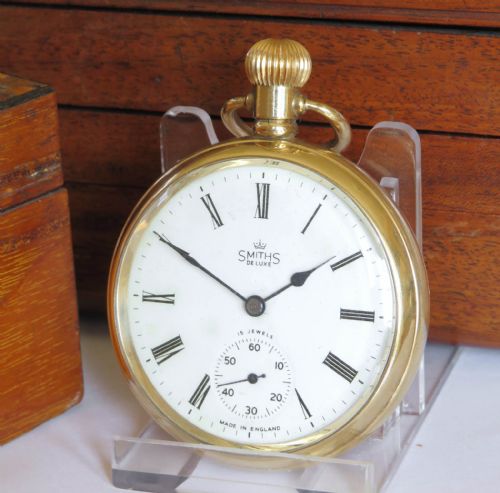


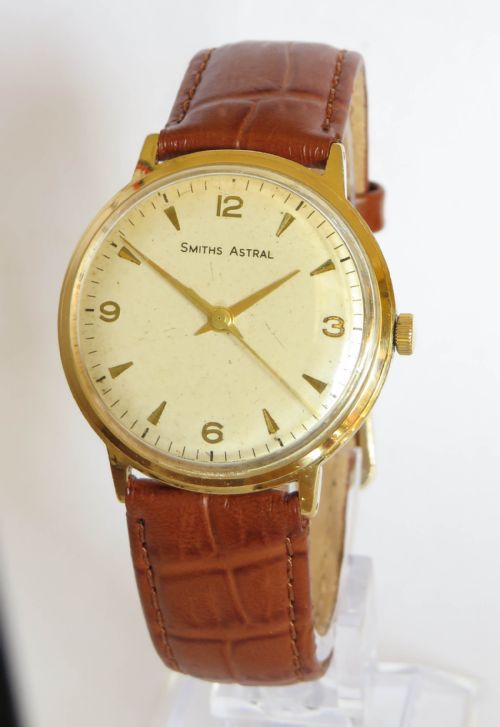


Gold Smiths Watch
These gold smiths watch examples span British horology from the nineteen-forties to the nineteen-sixties, offering classic mechanical timepieces.
Gold Smiths Watch
When searching for a gold smiths watch, buyers encounter traditional British timepieces primarily produced across the nineteen-forties, fifties, and sixties. The selection spans both gentleman's wristwatches and pocket watches, with wristwatches dominating the current offerings.
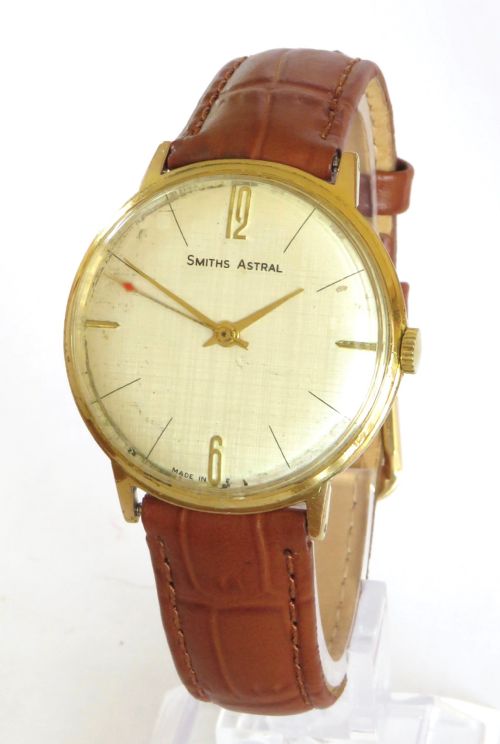
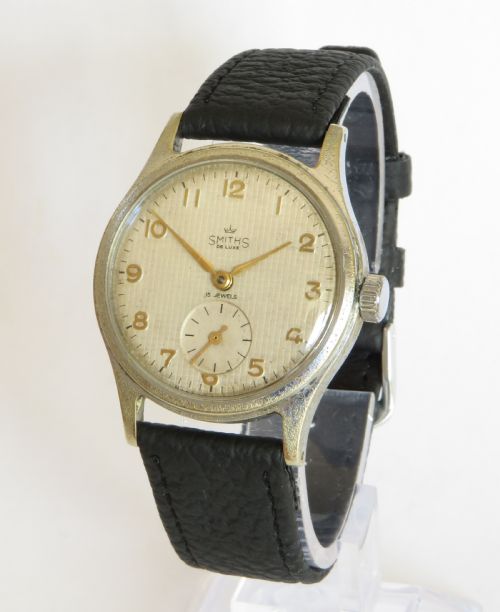
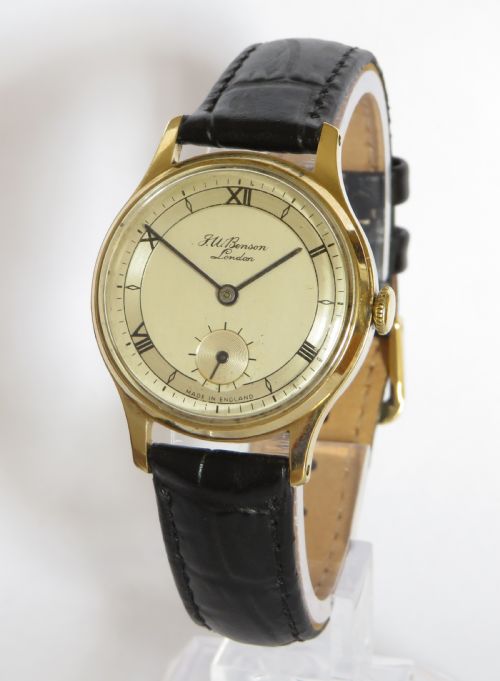
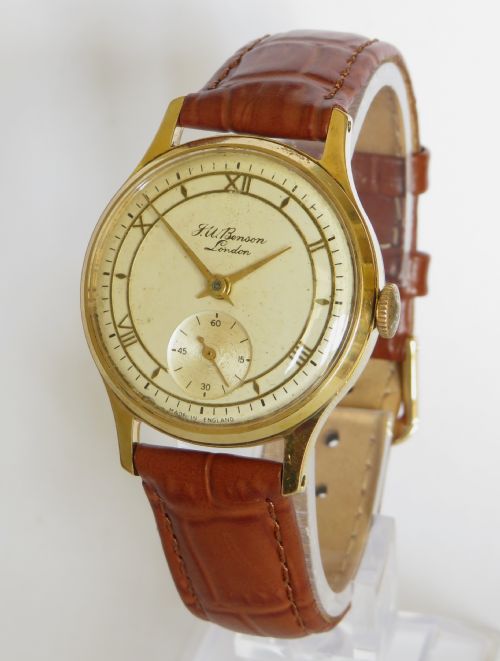
Many items bear the Smiths name, including lines such as De Luxe, Astral, and Imperial, alongside retailer signatures like J W Benson and Northern Goldsmiths. These pieces reflect mid-century British horology, utilising precious metals alongside stainless steel, brass, and leather components.
Pocket watches and wristwatches from this era represent domestic manufacturing achievements, often carrying specific movement jewels and numeric dials. The selection connects directly to mid-century British design traditions and established West End and provincial retailers.
What Varies in Quality
Distinction across the range rests in the movement specification, such as the step from standard calibres to De Luxe, Astral, or Imperial grades. Jewel counts differ between models, influencing the mechanical sophistication of the interior mechanism.
Material application also defines the hierarchy, moving from gold plate and nickel to solid nine-carat gold cases. Retailer associations, including commissions for J W Benson or Goldsmiths & Silversmiths, add historical differentiation to individual examples.
Gold Smiths Watch Retail Price Guide 2026
Typical asking prices for gold smiths watch among the pieces listed under this phrase on Sellingantiques today, from the lower quarter to the upper quarter. They describe what is for sale here now, not the wider market.
Austin Motors once issued branded nine-carat gold Smiths De Luxe wristwatches to staff, blending motoring history with mid-century British horology.
The Gold Smiths Watch Glossary
- Jewels
- Synthetic rubies or sapphires used as bearings in mechanical watches to reduce friction on pivot points. Higher jewel counts generally indicate a more refined movement.
- De Luxe
- A prominent mid-century Smiths model line denoting a higher grade of domestic watch production. These movements represented quality British manufacturing for everyday wear.
- Astral
- A specific Smiths movement and model designation known for reliability and precision. Astral watches frequently appeared in nine-carat gold housings during the nineteen-fifties and sixties.
- Imperial
- The top tier of Smiths mechanical wristwatches, featuring higher specification movements with increased jewel counts. These represent the peak of mass-produced English horology.
- Pocket watch
- A portable timepiece designed to be carried in a pocket rather than worn on the wrist. Examples from this category often feature metal or silver cases paired with subsidiary seconds dials.
Gold Smiths Watch: Frequently Asked Questions
What periods do these watches come from?
The available pieces originate primarily from the nineteen-forties, fifties, and sixties. This mid-century window captures the peak of domestic British watch production.
Production during these decades involved established English firms and provincial retailers marking items with distinct style descriptors and model names.
Are these watches made in England?
Many examples are explicitly marked as made in England, reflecting domestic manufacturing traditions. Firms such as Smiths produced components locally during the mid-century period.
Retailers like J W Benson and Goldsmiths & Silversmiths retailed these British-made movements within domestic workshops and showrooms.
What materials were used for the cases?
Case construction utilises solid nine-carat gold, gold plate, stainless steel, nickel, and brass. Leather and acrylic also appear frequently in straps and crystals.
Solid gold cases represent the upper tier of the selection, while steel and plated alternatives offer durable everyday alternatives from the same era.
What is the difference between Astral and Imperial?
Astral and Imperial denote different grades and movements within the Smiths manufacturing hierarchy. Imperial models typically featured higher jewel counts and refined finishing.
Both lines represent mid-century British watchmaking, with Astral appearing frequently across nineteen-fifties and sixties listings.