


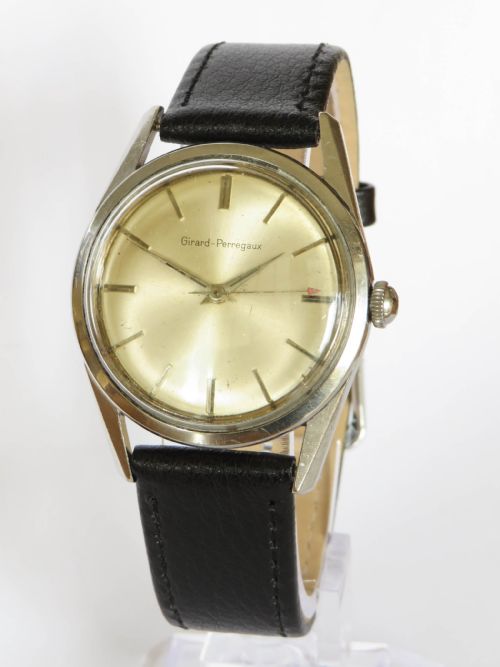

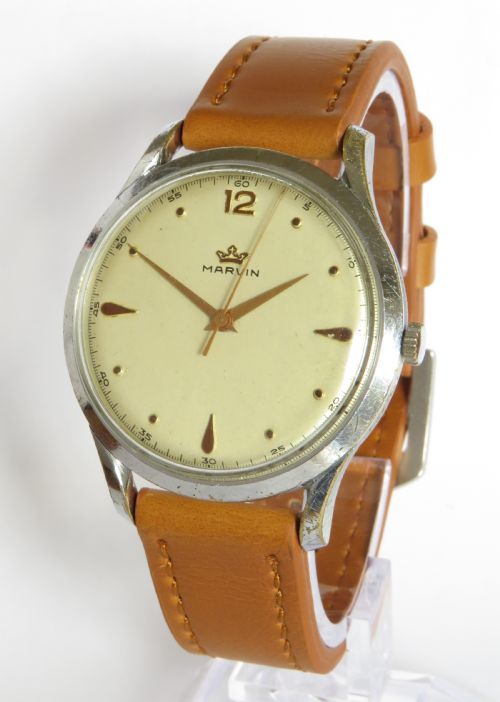


Retro Analogue Watch
A retro analogue watch delivers mechanical timekeeping with distinct mid-century character, offering tangible craftsmanship that modern digital dials simply cannot match.
Retro Analogue Watch
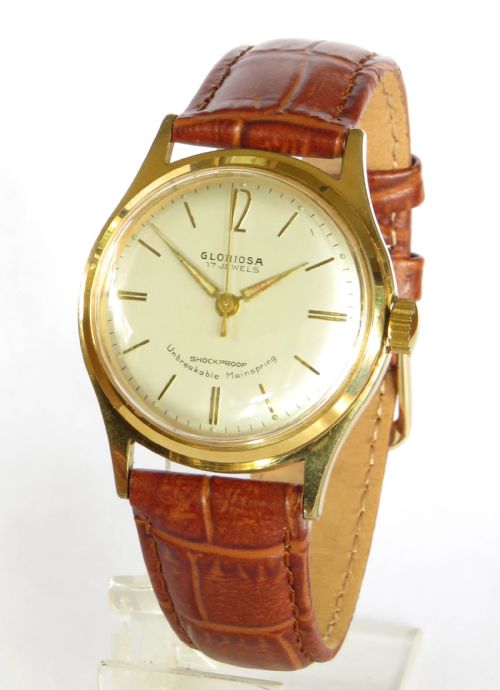
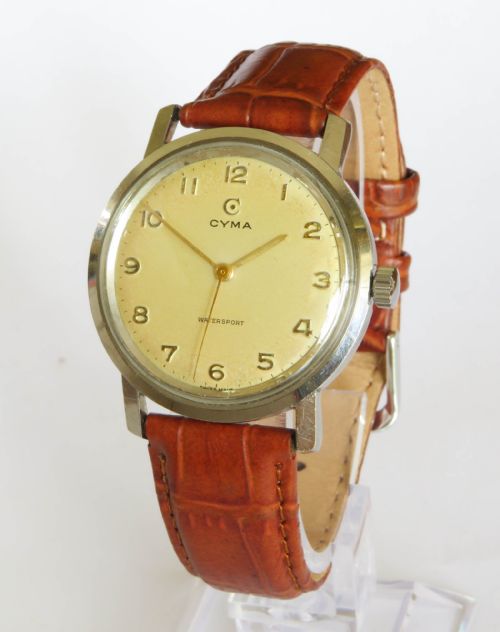
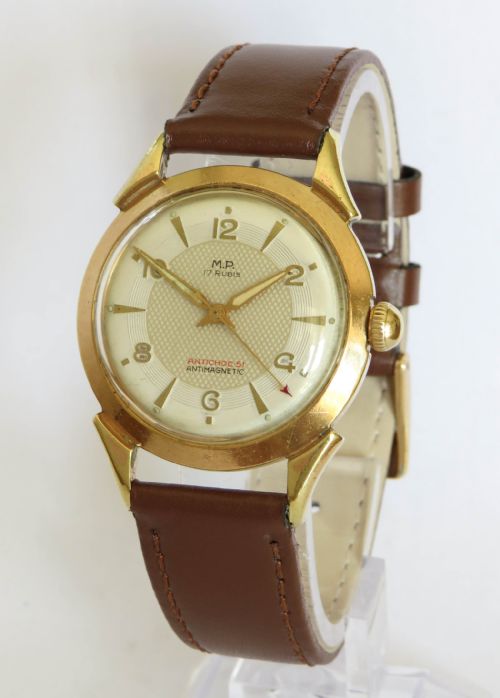
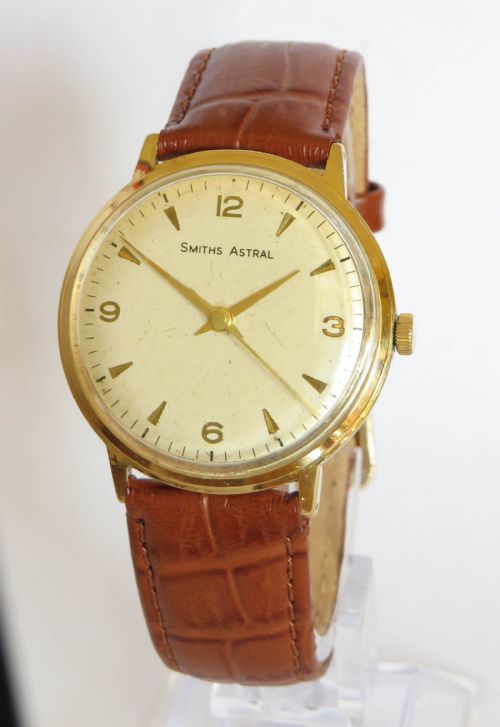
A retro analogue watch encompasses traditional timepieces primarily originating from the 1950s and 1960s, alongside select earlier influences. Buyers searching for a retro analogue watch typically encounter men's wristwatches and occasional table clocks driven by mechanical or automatic movements.
The selection on this page spans distinct stylistic expressions, including mid-century modern designs and art deco touches. These pieces originate from notable Swiss and British makers, representing decades of utilitarian and dress watch evolution.
Materials and Construction
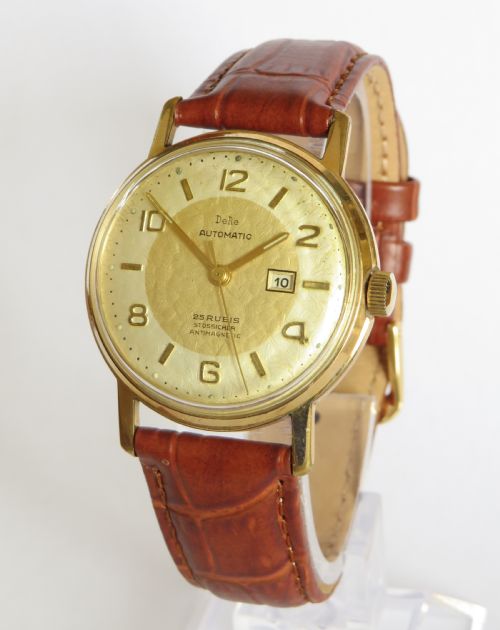
Construction relies heavily on durable metals like stainless steel, chrome, gold plate, and brass for the cases. Dials are protected by glass or acrylic glass, housing intricate mechanical gears and jewel bearings.
Straps and bands utilise classic leather to complete the traditional wrist-worn format. Manufacturing techniques from the period prioritised serviceable mechanical movements built to last for generations.
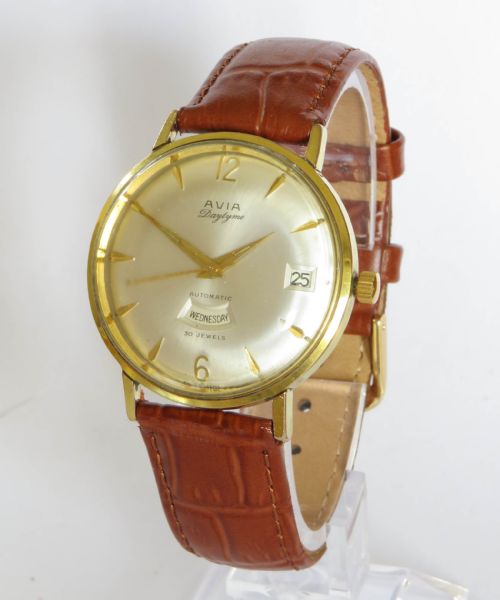
One model on this page carries the delightfully optimistic name DayTyme.
Assessing Quality and Execution
Quality separates along the precision of the movement and the integrity of the casing materials. Higher tier examples incorporate robust automatic calibres and precious metal plating or solid steel construction.
The finish of the dial and the clarity of the acrylic glass or crystal significantly influence the overall presentation. Original components and documented restoration work further distinguish superior specimens from standard grade items.
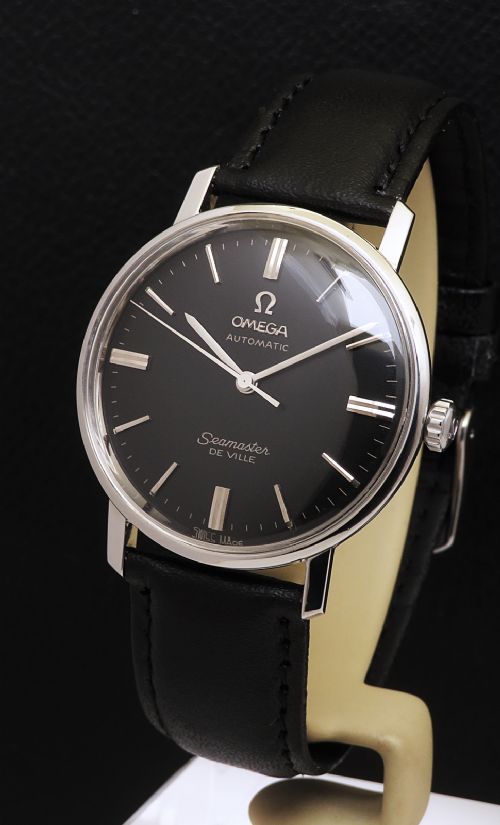
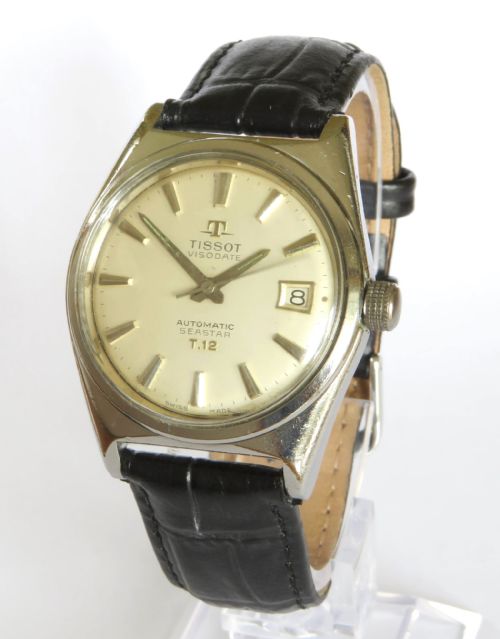
Omega Seamaster DeVille·Tissot Visodate Seastar·Smiths Astral·Girard Perregaux·Longines Flagship
The Retro Analogue Watch Glossary
- Automatic
- A self-winding mechanical movement that uses the natural motion of the wearer's wrist to power the watch. This mechanism removes the need for daily manual winding.
- Manual Wind
- A traditional watch movement that requires the wearer to manually turn the crown to tension the mainspring. It represents the standard method of powering older mechanical timepieces.
- Gold Plate
- A thin layer of gold bonded to a base metal core such as brass or steel. This technique provides the appearance of solid gold at a different production tier.
- Acrylic Glass
- A lightweight, transparent plastic material used historically for watch crystals. It can be easily polished to remove minor surface scratches.
- Jewels
- Synthetic rubies or sapphires placed at pivot points within a mechanical movement to reduce friction. More jewels generally indicate a more complex and refined calibre.
Retro Analogue Watch: Frequently Asked Questions
How do I wind a mechanical watch?
Gently rotate the crown clockwise between your thumb and forefinger until you feel firm resistance. Stop immediately at that point to avoid damaging the mainspring.
For automatic models, wearing the watch daily usually keeps the mechanism powered without manual intervention.
Are these watches waterproof?
Vintage timepieces generally lack modern water resistance seals and gaskets. Exposure to moisture, rain, or heavy humidity can easily damage the internal movement.
It is best to keep these watches away from water entirely during everyday wear.
How accurate are vintage mechanical watches?
Mechanical watches from the mid-century period naturally gain or lose a small number of seconds each day. Regular servicing helps maintain their timing within acceptable historical tolerances.
Environmental factors like temperature changes can also influence daily performance.
Can I replace the leather strap?
Leather straps wear out over time and replacement is a standard part of owning vintage timepieces. Standard spring bars allow you to swap straps using basic horological tools.
Matching the correct lug width ensures the new strap fits securely between the watch case horns.