

Gold Seed Pearl Pin
These gold seed pearl pin pieces span Victorian and Edwardian eras, combining precious metals with minute pearls for enduring elegance.
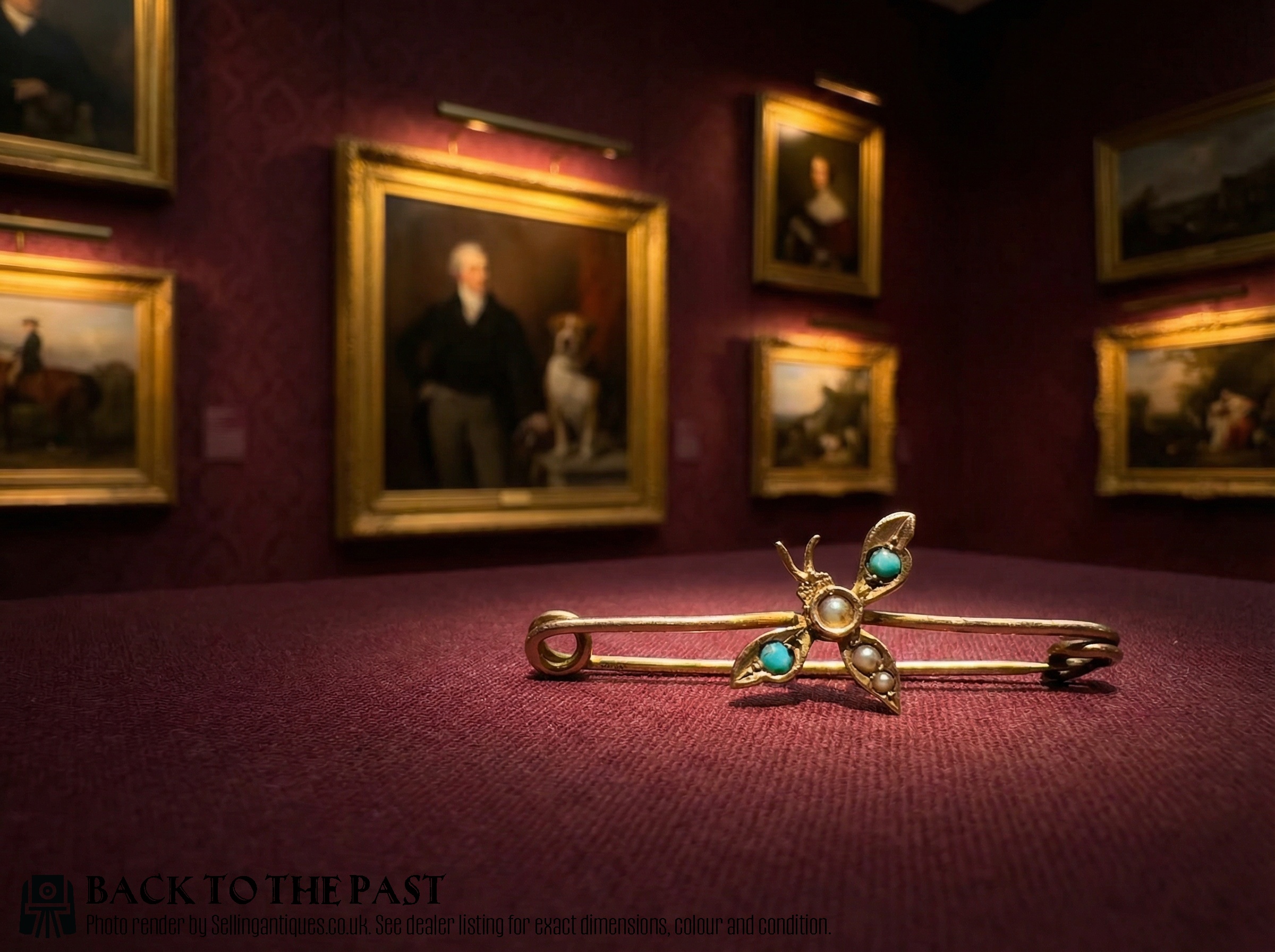
Gold Seed Pearl Pin
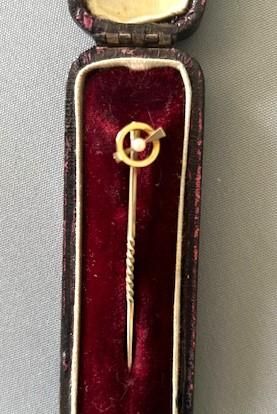
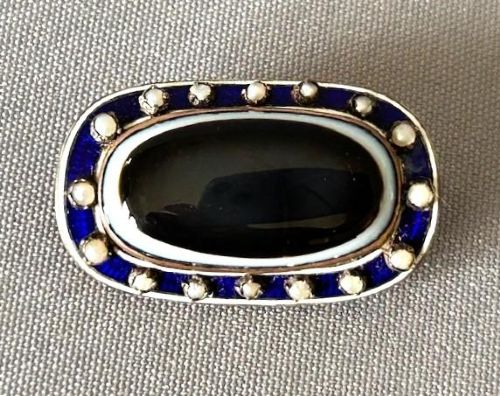
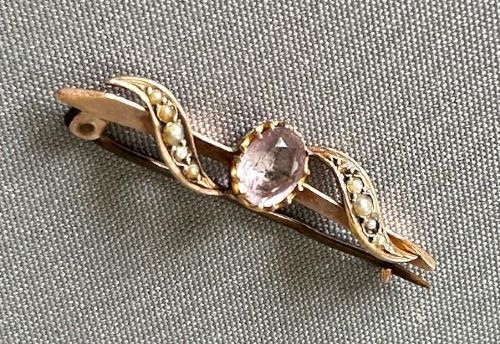
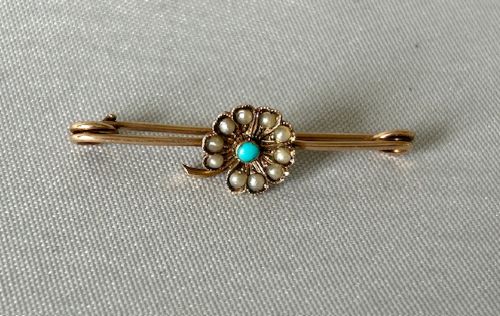
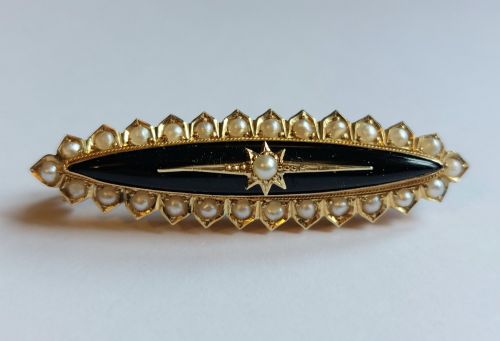
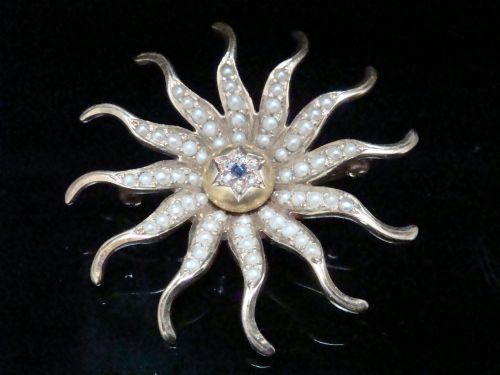
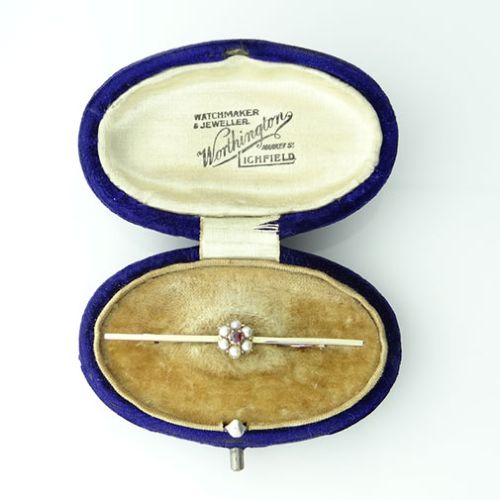
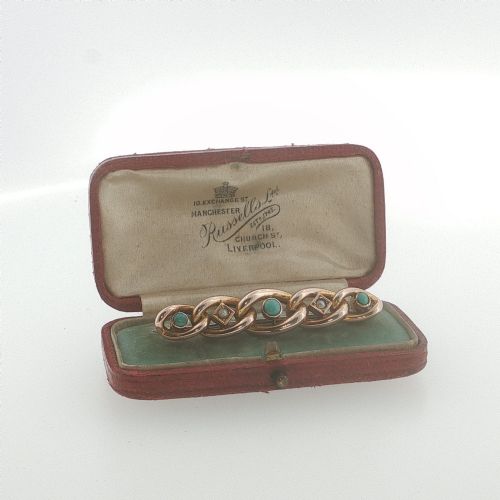
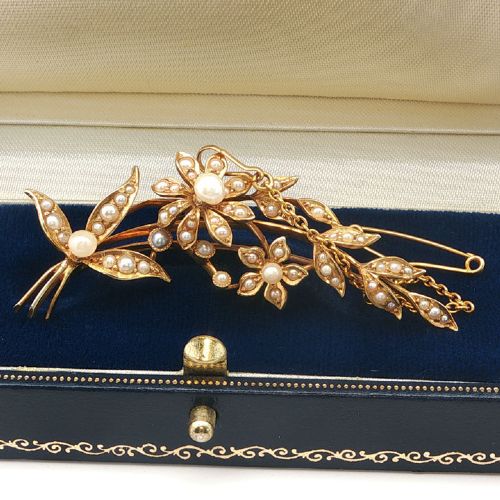
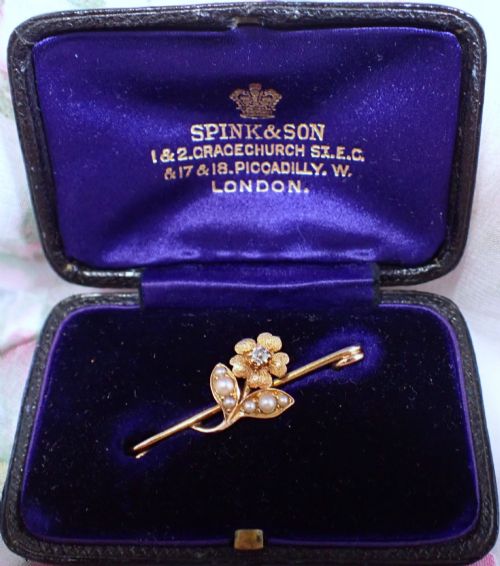
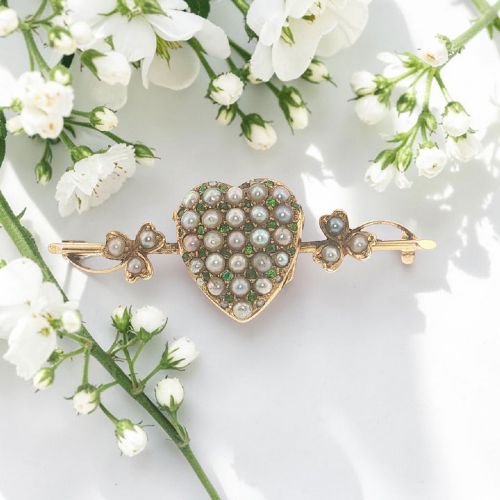
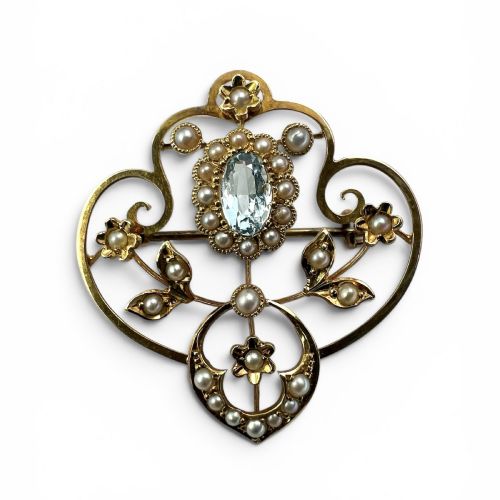
A gold seed pearl pin brings together intricate craftsmanship from the Victorian and Edwardian periods. Collectors encounter these pieces primarily as brooches, stick pins, and related forms set with tiny pearls.
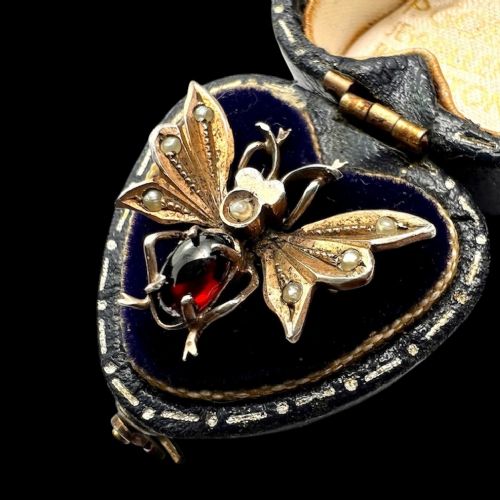
The selection ranges from simple dragonfly motifs to elaborate gemstone combinations. Victorian and Edwardian designs dominate the available pieces on this page.
Makers utilised various gold purities, notably 9ct and 15ct gold, to mount the seed pearls. Coloured gemstones frequently accompany the pearls to create balanced period jewellery.
How they were made
Artisans constructed these items using 9ct gold, 15ct gold, and occasionally 18kt or 22ct gold. Metalworking techniques of the Victorian and Edwardian eras focused on securing tiny seed pearls alongside larger central stones.
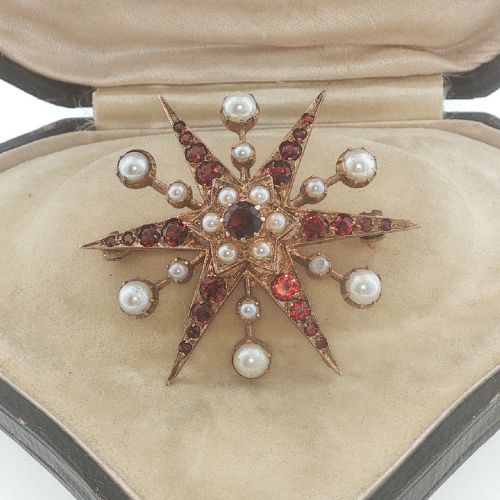
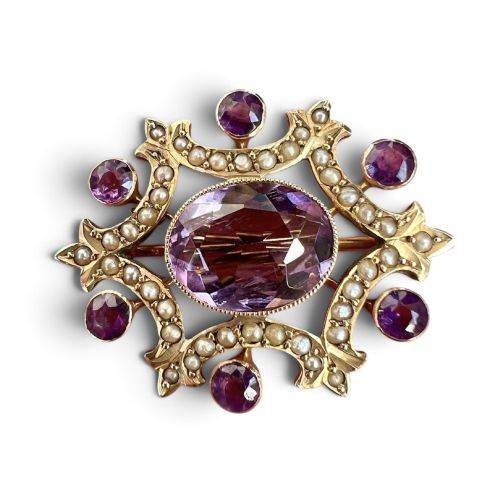
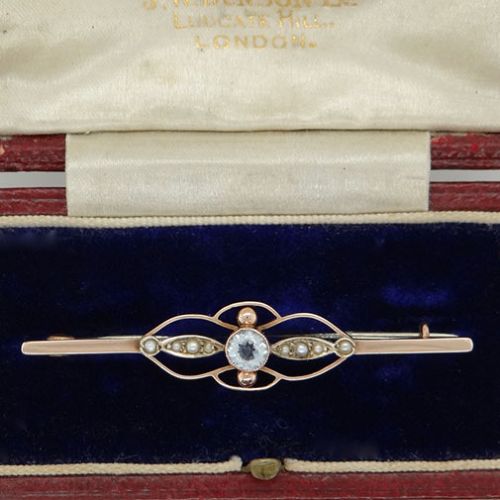
Settings often incorporated additional minerals such as amethyst, aquamarine, turquoise, garnet, pink tourmaline, and paste stones. Each element was hand-set into the gold framework to achieve delicate proportion and balance.
Gold Seed Pearl Pin Retail Price Guide 2026
Typical asking prices for gold seed pearl pin among the pieces listed under this phrase on Sellingantiques today, from the lower quarter to the upper quarter. They describe what is for sale here now, not the wider market.
Listings feature items in 9ct gold and 15ct gold, incorporating seed pearls alongside amethysts and aquamarines.
What varies in quality
The standard of manufacture depends on the precision of the goldwork and the uniformity of the seed pearls. Superior examples display secure mounting and careful stone matching.
The choice of accompanying gems, such as fine aquamarine or amethyst paired with the seed pearls, distinguishes finer productions from simpler standard pieces.
Marius Hammer
The Gold Seed Pearl Pin Glossary
- Seed pearl
- A very small, naturally formed or cultured pearl used in clusters or delicate outlines. These tiny pearls define the characteristic texture of Victorian and Edwardian jewellery.
- Edwardian
- Pertaining to the reign of King Edward VII in the early twentieth century. Pieces from this era typically exhibit lighter, more graceful mountings and pastel gemstones.
- Stick pin
- A long pin with a decorative head used to fasten cravats or lapels. These functional items frequently doubled as miniature works of art.
Gold Seed Pearl Pin: Frequently Asked Questions
How do I wear a stick pin?
Stick pins are traditionally worn on lapels, scarves, or cravats. The long pin secures the decorative head firmly against the fabric.
Ensure the safety cap or backing is secure when wearing antique stick pins. They add a subtle touch of period detail to modern attire.
How can I date my piece?
Dating relies on stylistic clues, metal purity marks, and the types of gemstones used. Victorian pieces often feature heavier gold work and rich coloured stones, whereas Edwardian items tend toward lighter mounts.
Examining the pin mechanism and construction techniques helps narrow down the decade of production. Comparative study with documented pieces provides further chronological context.
Are seed pearls durable?
Seed pearls require careful handling because they are organic gems sensitive to chemicals, perfumes, and excessive moisture. Gentle cleaning with a soft cloth preserves their lustre.
Storing them away from harder jewellery prevents surface scratching. With proper care, these tiny pearls retain their appearance for generations.