

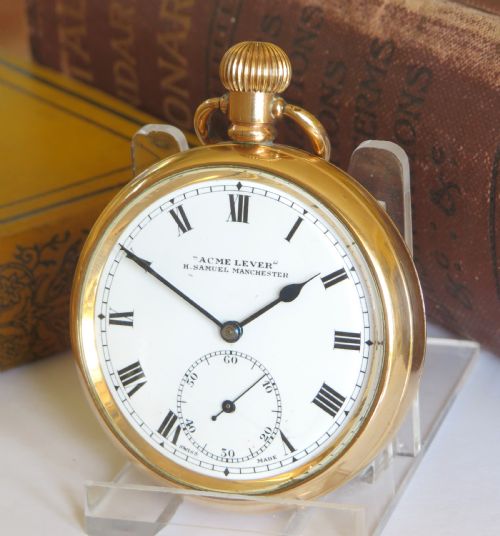
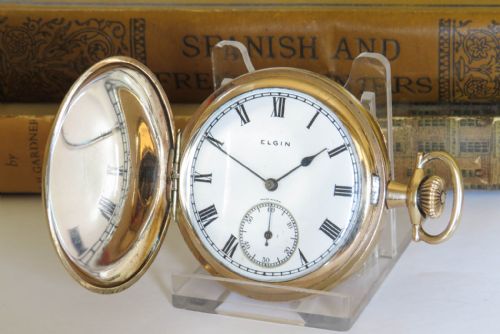
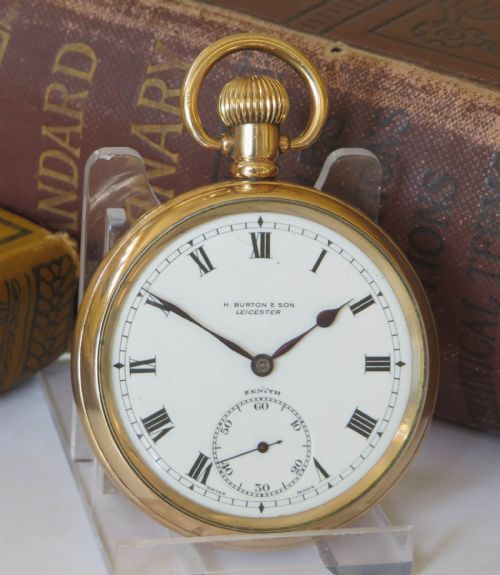
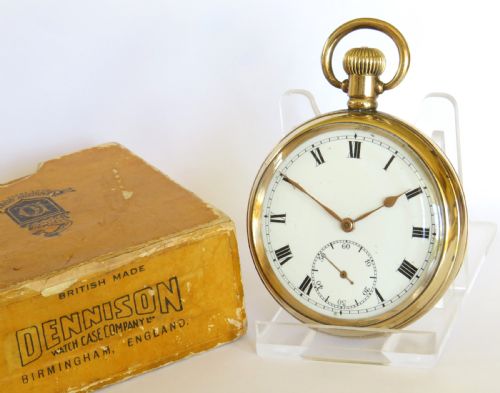
Gold Roman Numeral Watch
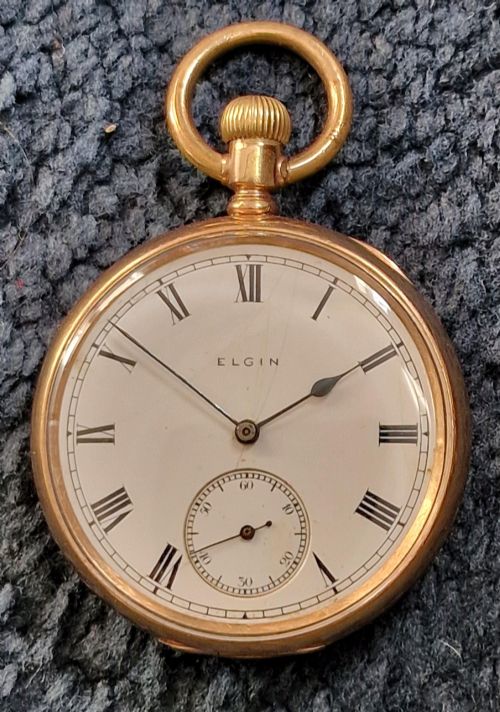
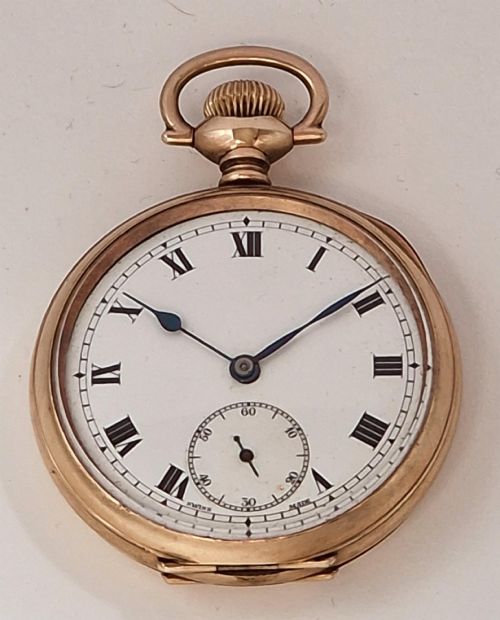
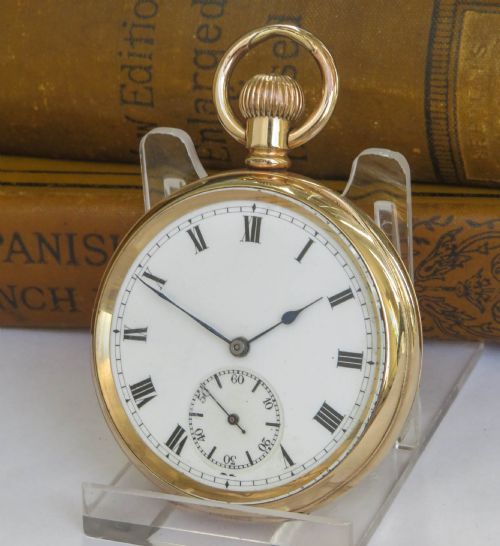
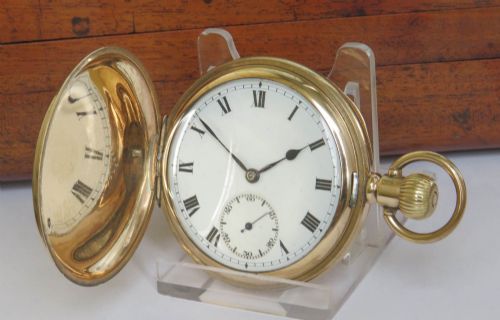
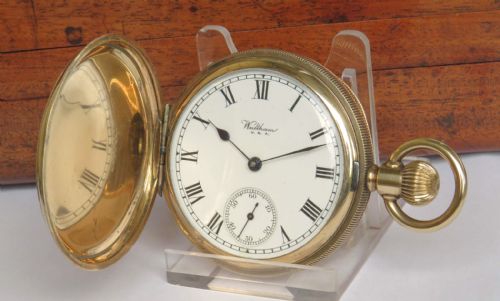
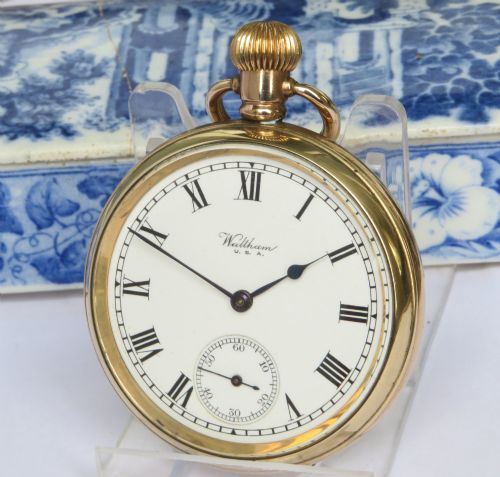
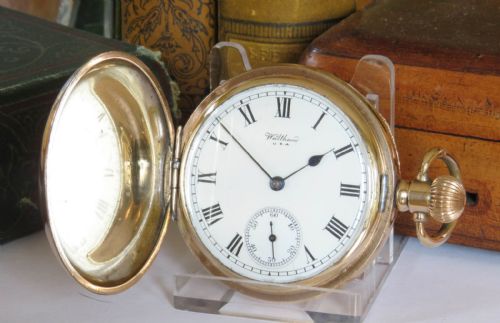
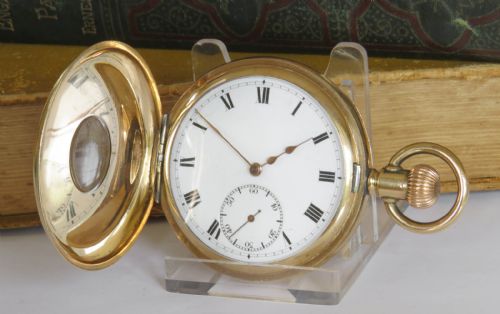
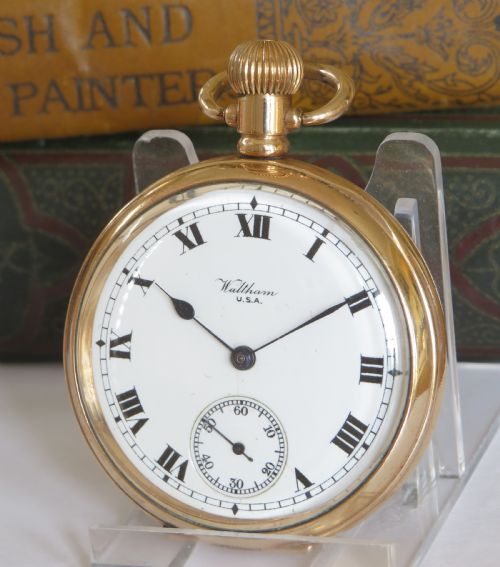
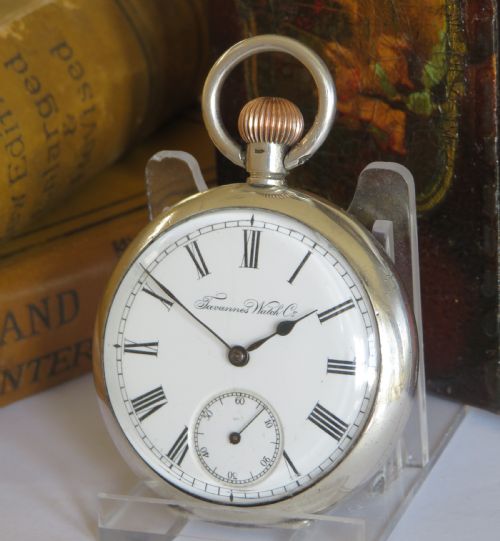
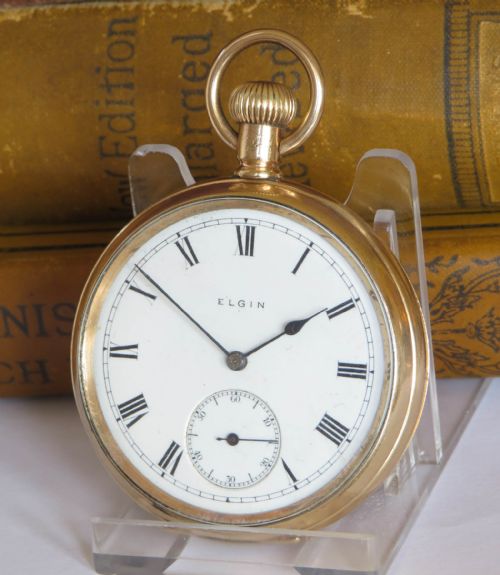
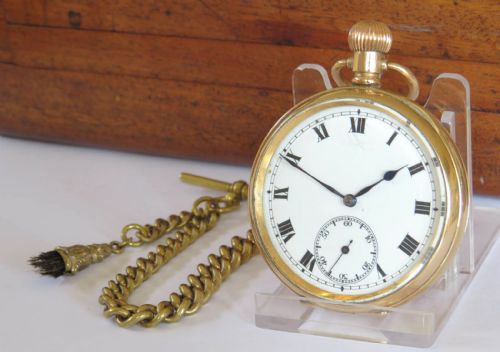
These gold roman numeral watch examples combine traditional dial layouts with pocket and wrist formats spanning the Victorian era to the mid-twentieth century.
Gold Roman Numeral Watch
A gold roman numeral watch brings together classic timepieces featuring distinctive numerical markers and precious metal or gold-plated housings. When exploring a gold roman numeral watch, buyers frequently encounter pocket watch formats alongside occasional wristwatches from periods such as the Edwardian era, the nineteen-twenties, and the nineteen-thirties.
The selection here predominantly comprises pocket watches, including full hunter and half hunter designs alongside open-faced pieces. These items originate from diverse decades spanning the nineteenth century through to the nineteen-fifties, reflecting changing manufacturing hubs in Britain, Switzerland, and France.
Materials and construction methods
Cases utilise solid gold, gold plate, rolled gold, and gold filled techniques alongside brass, steel, and silver foundations. Enamel and glass feature prominently on dials and crystal covers, protecting intricate internal movements.
Enamelled dials display distinct roman numerals alongside subsidiary seconds rings, while cases often showcase detailed engraving or floral motifs. Mechanical movements require precise assembly by skilled horologists operating within established European workshops.
Gold Roman Numeral Watch Retail Price Guide 2026
Typical asking prices for gold roman numeral watch among the pieces listed under this phrase on Sellingantiques today, from the lower quarter to the upper quarter. They describe what is for sale here now, not the wider market.
Listings span the nineteenth century through the nineteen-fifties, featuring materials from solid gold to enamel and glass.
Distinguishing quality variations
Quality differences emerge in the density and purity of the metal casing, ranging from solid gold variants down to gold-plated and rolled gold surfaces. Superior examples demonstrate crisp engraving, pristine enamel dials free from hairline fractures, and robust jewelled movements.
The sophistication of the internal mechanism dictates the grade of the piece, with higher-tier makers incorporating specialised escapements and adjustments. Additionally, the presence of original chains, alberts, and fitted boxes enhances the completeness and desirability of the item.
Waltham·Elgin·Tavannes·Zenith·Revue
The Gold Roman Numeral Watch Glossary
- Full hunter
- A pocket watch featuring a spring-loaded metal cover that protects the glass crystal and dial from damage.
- Half hunter
- A pocket watch featuring a cover with a central glass aperture or transparent ring, allowing the wearer to view the roman numerals without opening the case.
- Gold filled
- A manufacturing technique where a layer of gold is mechanically bonded to a base metal core, offering greater durability than standard plating.
- Albert
- A chain attached to a pocket watch, designed to secure the timepiece to a waistcoat or belt through a buttonhole.
Gold Roman Numeral Watch: Frequently Asked Questions
How do I wind a mechanical watch?
Mechanical watches require regular manual winding via the crown situated at the top of the case. Turn the crown gently until you feel resistance to tension the mainspring.
Avoid overwinding the mechanism, as forcing the crown past its limit can damage the internal components.
What does gold filled mean?
Gold filled refers to a durable construction method where a substantial layer of gold is heat-bonded to a base metal core. This layer is significantly thicker than standard electroplating.
Watches built this way offer the appearance and wear resistance of solid gold at a different scale of construction.
How should I store my pocket watch?
Store your watch in a dry environment away from direct sunlight, preferably within a lined display case or watch box. If the piece includes a matching chain or albert, keep them separated to avoid scratching the metal case.
Regular handling and gentle placement preserve both the outer engraving and the internal mechanical integrity over time.