

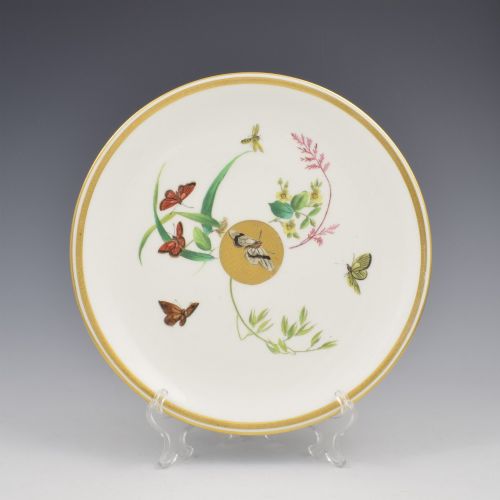
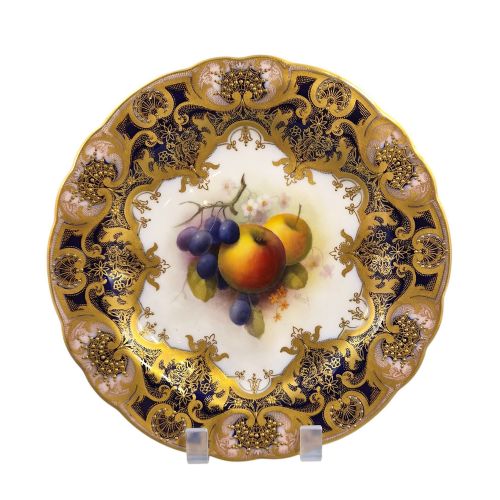
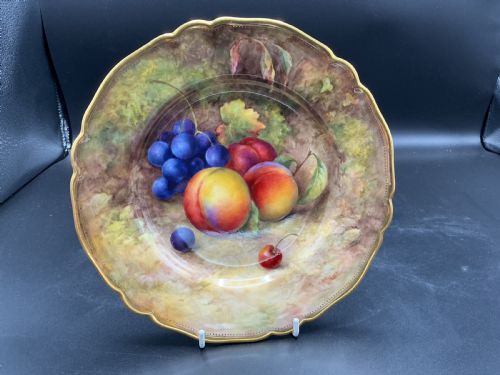
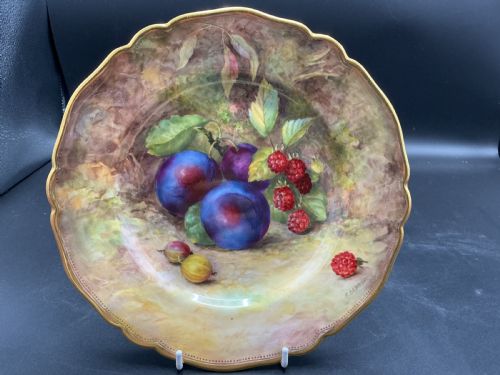



Gold Rimmed Porcelain Plate
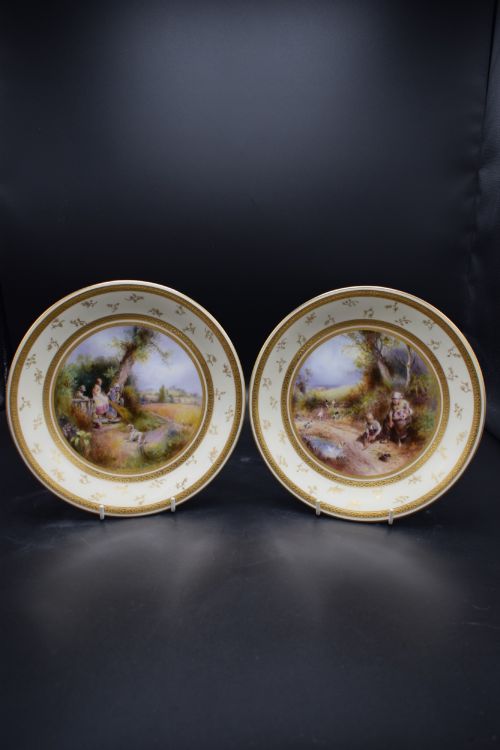
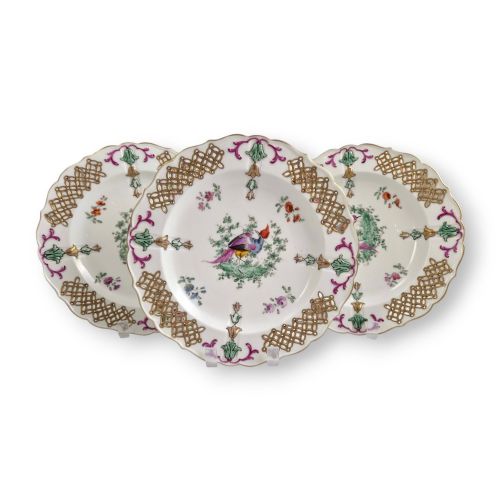
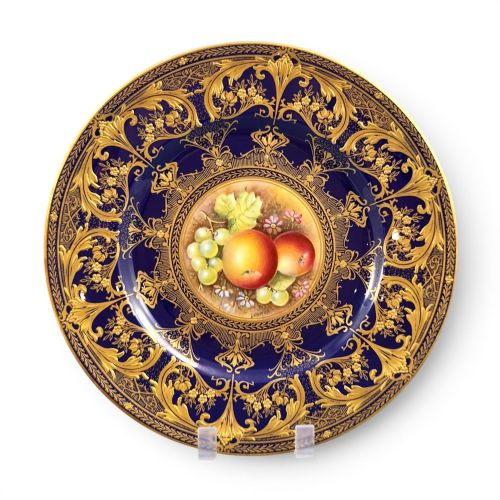
These gold rimmed porcelain plate selections bring hand-painted artistry and gilded borders directly to the table.
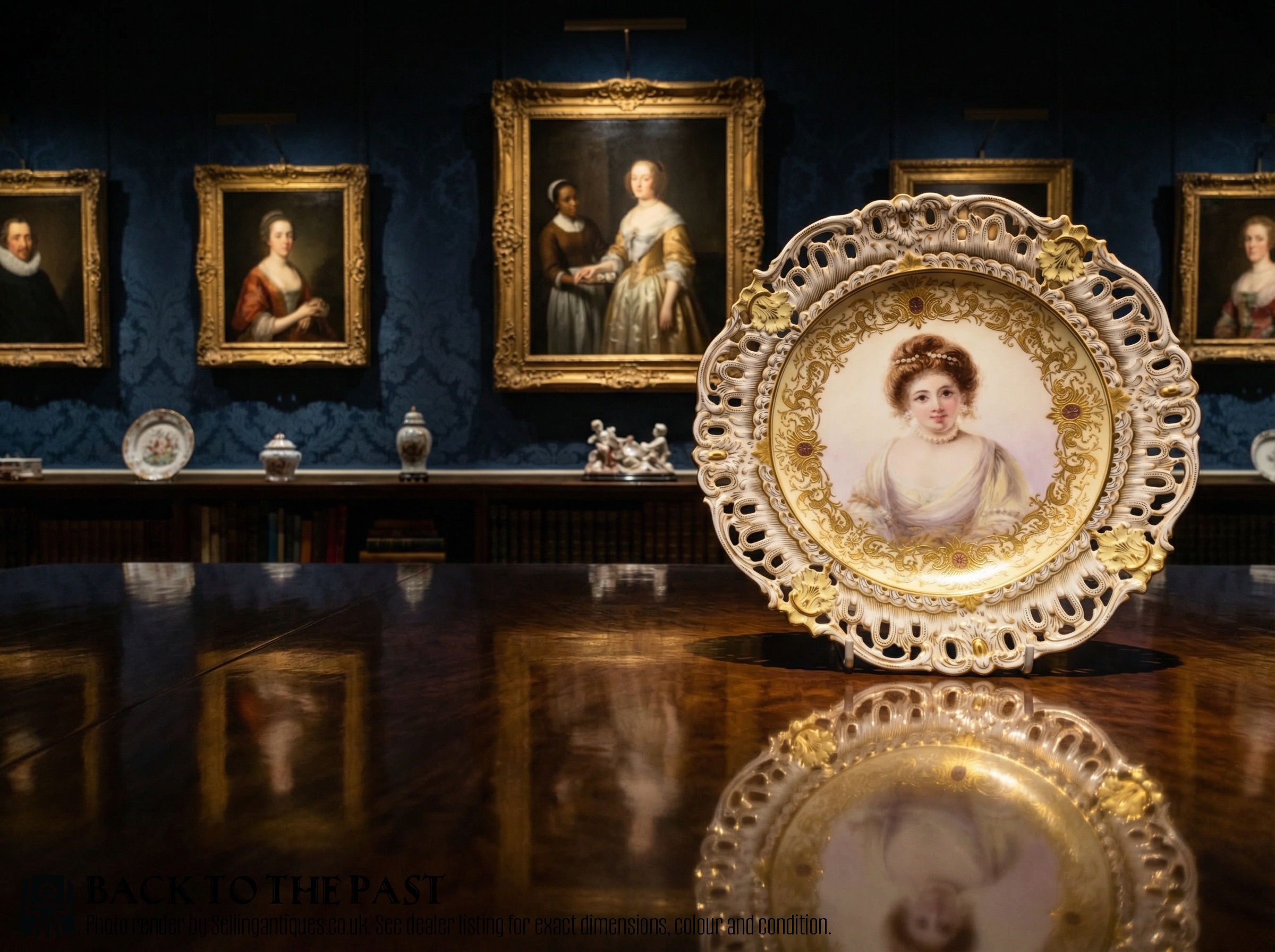
Gold Rimmed Porcelain Plate
A gold rimmed porcelain plate serves primarily as a decorative cabinet piece or a specialised dessert dish rather than everyday tableware. When exploring this selection, buyers encounter fine examples originating from diverse periods spanning the Georgian era through the mid-twentieth century.
Makers utilise traditional shapes such as rope edge borders and shaped dishes to frame detailed painted scenes. These pieces reflect historical design movements including Victorian, Edwardian, and Rococo Revival styles.
Materials and methods of manufacture
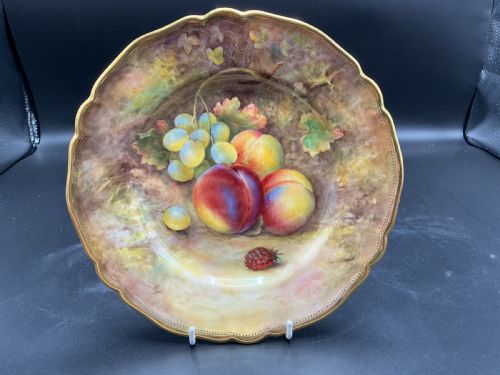
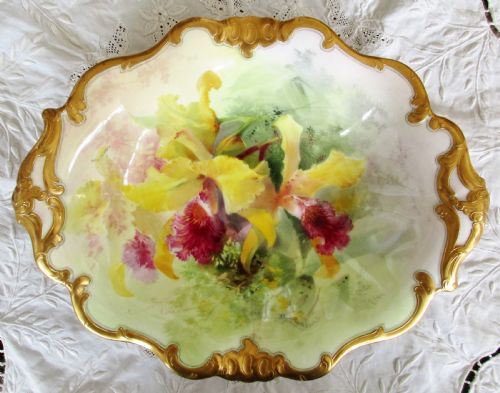
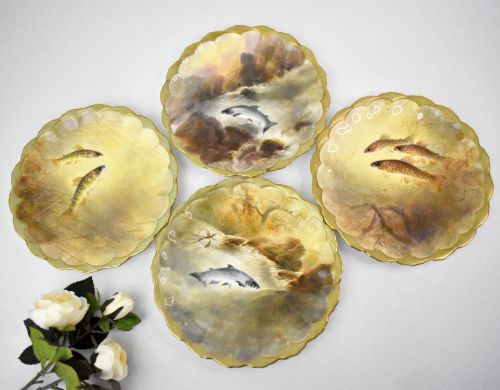
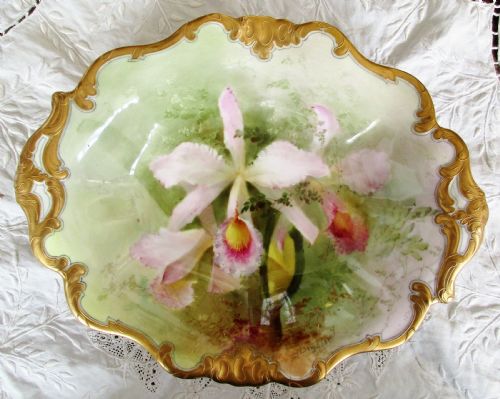
Craftsmen shape these pieces from fine porcelain and bone china before applying intricate enamel paints and detailed hand-painted motifs. Artisans depict subjects such as fruit studies, orchids, fish, and figurative scenes directly onto the ceramic surface.
Makers finish the edges and highlights using gold leaf, gilt enamel, and traditional gilding techniques. This metallic application provides the distinctive gilded border that defines each plate.
Gold Rimmed Porcelain Plate Retail Price Guide 2026
Typical asking prices for gold rimmed porcelain plate among the pieces listed under this phrase on Sellingantiques today, from the lower quarter to the upper quarter. They describe what is for sale here now, not the wider market.
Several plates display detailed studies of fruit and orchids, proving that nineteenth-century artisans found intense botanical fascination in dinner ingredients.
Distinctions in quality and execution
The distinction between standard production and top-tier pieces rests upon the identity of the artist and the complexity of the hand-painted decoration. Plates bearing signatures from documented porcelain painters command greater attention from collectors.
The precision of the gilding and the crispness of the porcelain body further differentiate the manufacturing output. Exhibition pieces and specialised cabinet plates display superior artistic execution compared to standard domestic wares.
Royal Worcester·Royal Doulton·Minton·Coalport·Barr Flight And Barr·Wedgwood·Bloor Derby·Royal Crown Derby·Vienna
The Gold Rimmed Porcelain Plate Glossary
- Cabinet plate
- A decorative ceramic plate intended for display in a cabinet rather than for serving food. These pieces frequently feature elaborate hand-painted artwork and gilded borders.
- Bone china
- A type of soft-paste porcelain incorporating bone ash to improve strength and translucency. English potteries utilised this material extensively for fine tableware.
- Gilding
- The application of gold leaf or gold powder to the ceramic surface. This technique creates the metallic rims characteristic of these decorative dishes.
- Armorial
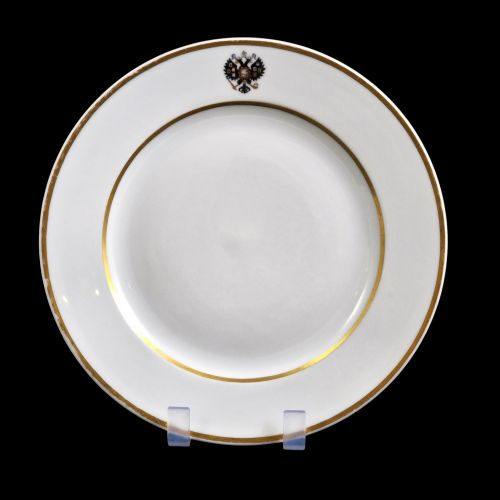
- A ceramic design incorporating a coat of arms or family crest. These commissioned pieces date predominantly from the Georgian and nineteenth-century periods.
- Charger
- A large ornamental plate used as a base or displayed centrally. Nineteenth-century examples often showcase detailed mythological or scenic paintings.
Gold Rimmed Porcelain Plate: Frequently Asked Questions
How do I display a cabinet plate?
Cabinet plates are designed primarily for visual appreciation and are best displayed using specialised wall hangers or secure plate stands.
Placement should avoid direct sunlight to preserve the vibrancy of the hand-painted enamels and the integrity of the gilded edges over time.
Were these plates used for dining?
While some forms originate from larger dessert services or soup courses, many examples function strictly as decorative cabinet pieces.
Plates featuring delicate hand-painted fruit scenes or exhibition marks were intended for display rather than daily culinary use.
How can I identify the period of a plate?
Dating relies heavily upon the maker marks stamped or painted on the underside of the ceramic body, alongside stylistic clues such as rope edges or aesthetic movement motifs.
Comparing the shape and enamel palette to documented pieces from manufacturers helps narrow the production era.
What does signed art mean on porcelain?
Signed pieces indicate that a recognised artist painted the central scene by hand rather than utilising transfer printing methods.
Signatures from established painters add historical significance and artistry to the individual plate.