





Gold Putto Pendant
A gold putto pendant brings a winged cherub motif into fine jewellery, offering sculptural charm and historical romance.
Gold Putto Pendant
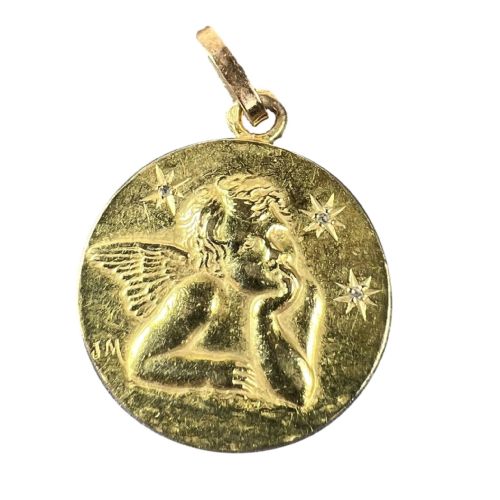
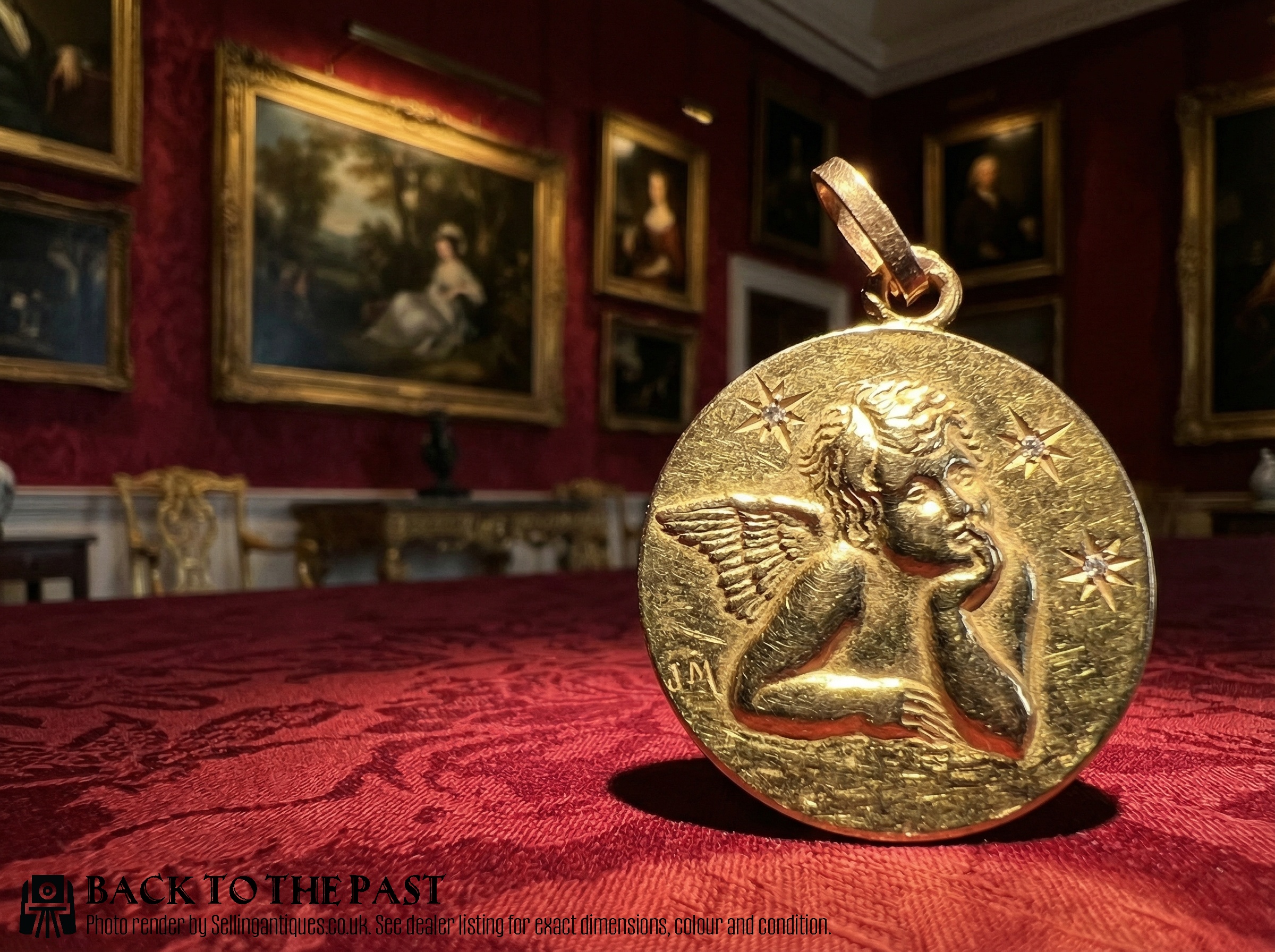
A gold putto pendant centres on a winged cherub or cupid figure, often rendered in yellow or white gold alongside diamonds, seed pearls, or mother of pearl. These decorative items frequently originate from French workshops during the early twentieth century, reflecting classical artistic traditions.
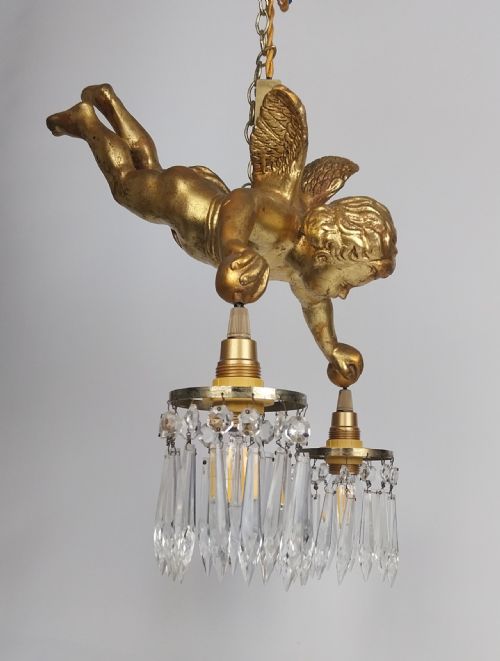
While some related listings include larger chandeliers and ceiling light fittings featuring gilt metal cherubs, the specific pendant versions focus on wearable art. Buyers encounter these charming medals and charms spanning the nineteenth century through to the mid-twentieth century.
Materials and construction
These pieces utilise metals such as eighteen-carat yellow and white gold, alongside mother of pearl and seed pearls for textural contrast. Heavier lighting fixtures in the broader selection employ gilt metal, brass, spelter, and cut glass crystal spiky elements.
Goldsmiths shaped the precious metals to frame the central cherub motifs closely, integrating gemstones like diamonds securely into the design. Larger hanging items combine cast metal figures with glass shades and crystal components.
Gold Putto Pendant Retail Price Guide 2026
Typical asking prices for gold putto pendant among the pieces listed under this phrase on Sellingantiques today, from the lower quarter to the upper quarter. They describe what is for sale here now, not the wider market.
Assessing craftsmanship
The choice of materials also marks distinctions, with solid gold and natural pearls representing a finer standard than gilt base metals. The integration of the pendant loop to the main body shows the maker's attention to structural balance.
French Grun
The Gold Putto Pendant Glossary
- Putto
- A figure of a small winged infant, frequently depicted in classical art and jewellery. This motif derives from Renaissance revivals and represents angelic or mythological subjects.
- Charm Pendant
- A small decorative ornament designed to suspend from a necklace or bracelet. These items often feature detailed sculptural fronts and secure jump rings.
- Seed Pearl
- A very small natural or cultured pearl, often used in historic jewellery for delicate borders. They add a soft lustre that contrasts with polished gold.
- Gilt Metal
- Metal treated with a thin layer of gold or gold paint to simulate solid precious metal. This technique allows for decorative items with a golden appearance at a different scale of production.
Gold Putto Pendant: Frequently Asked Questions
What is a putto in antique jewellery?
A putto represents a chubby winged infant, often styled as a cherub or cupid in classical designs. This motif appears frequently in revivalist pieces from the nineteenth and twentieth centuries.
Craftsmen utilised these angelic figures to add a sense of mythological romance and sculptural depth to wearable medals and charms.
How do I date a gold putto pendant?
Dating relies on the gold purity hallmarks, the style of the metalwork, and accompanying materials like seed pearls or cut diamonds. Pieces often reflect specific revival periods such as the Belle Epoque.
Examining the manufacturing techniques of the suspension loop and the back of the medal provides further clues to its era of origin.
Are these pendants typically solid gold?
The specific pendant listings feature eighteen-carat yellow and white gold constructions. Other related items in the broader category utilise gilt metal, brass, or spelter.
Reviewing the material notes for each individual listing confirms whether the piece is solid precious metal or base metal with a gilded finish.
Can I wear a gold putto pendant daily?
These delicate pendants suit regular wear when treated with appropriate care, particularly items set with seed pearls or small diamonds. Removing jewellery during physical activities protects the fine metalwork.
Storing the pendant in a dedicated box prevents friction against other items in a jewellery collection.