
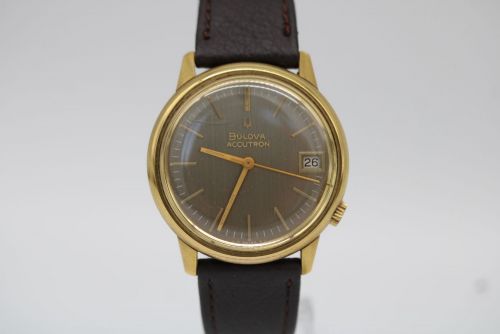
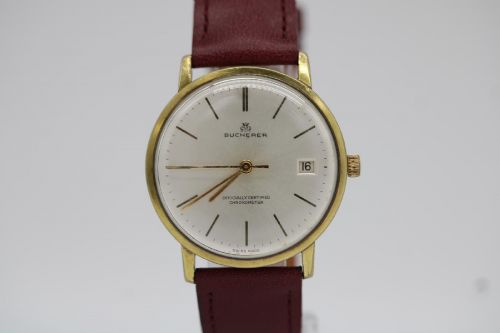
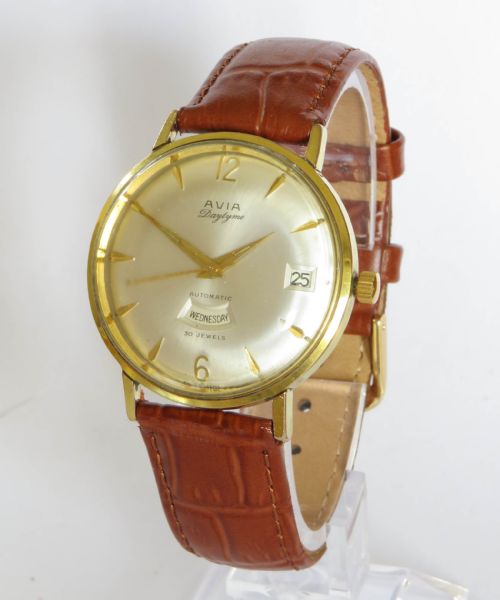
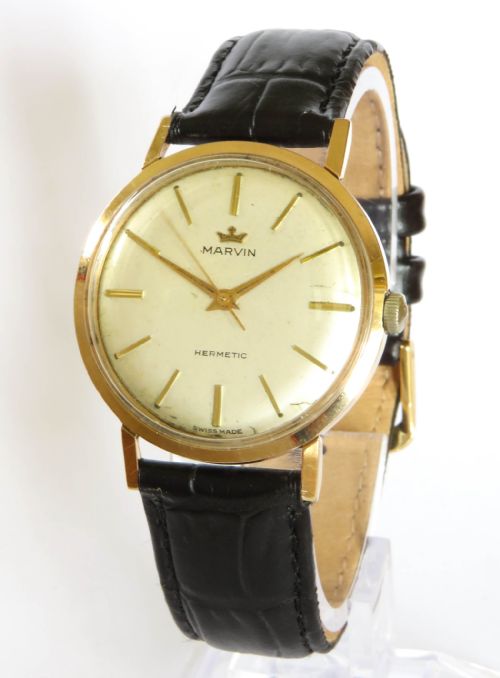
Gold Plated Timepiece
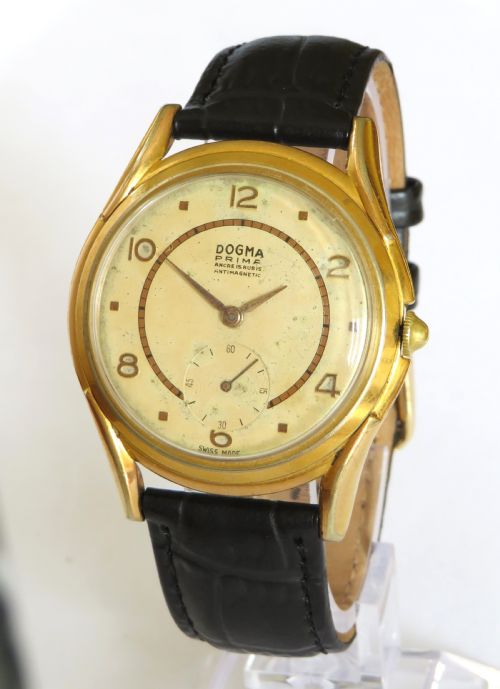
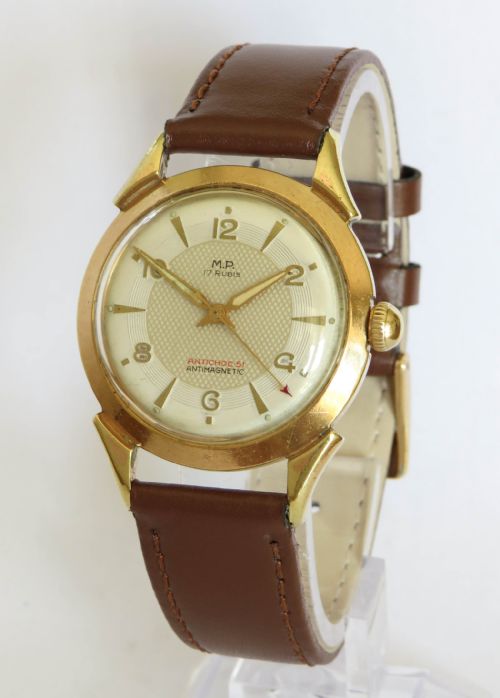
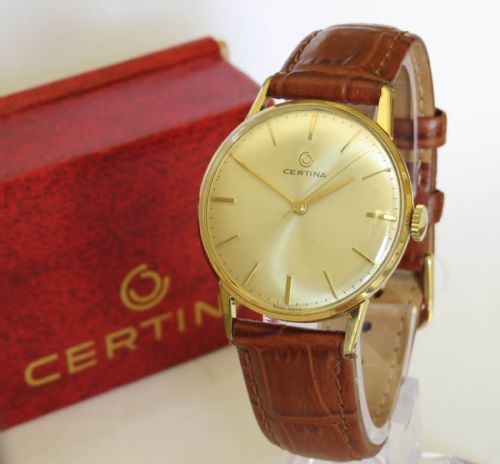
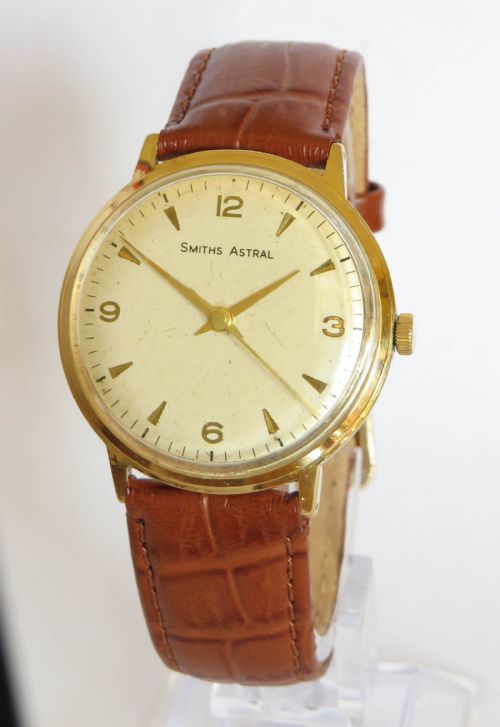
A gold plated timepiece carries the warm gleam of gold without the heavy cost of solid metal, offering reliable daily wear.
Understanding the Gold Plated Timepiece
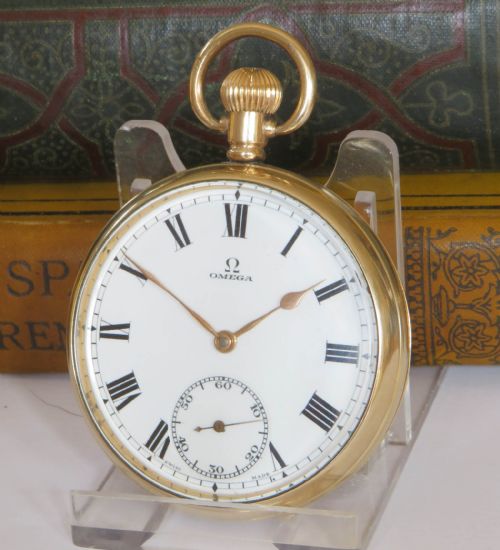
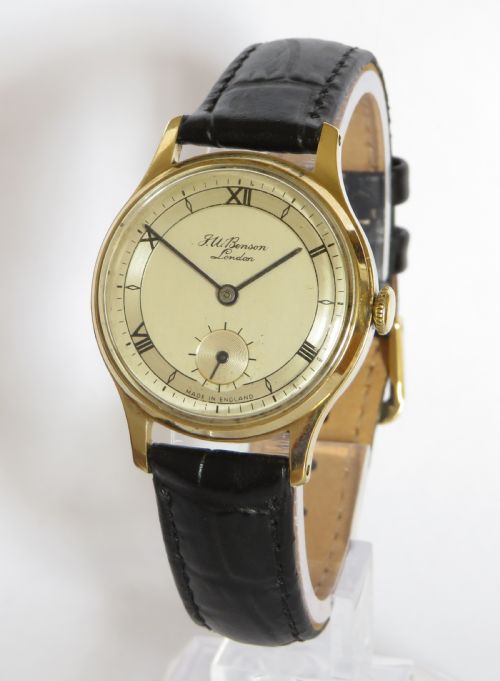
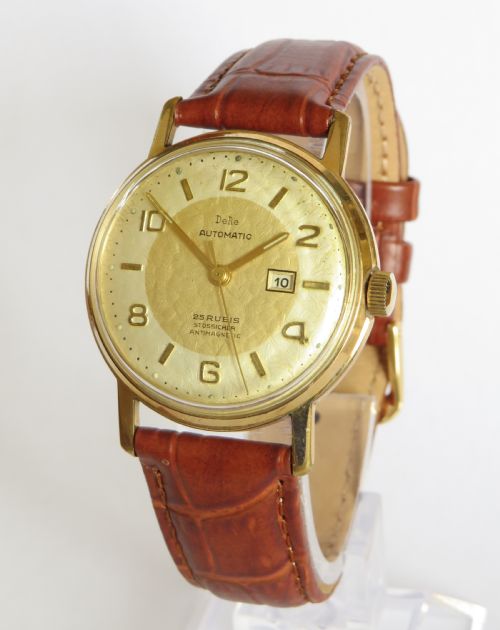
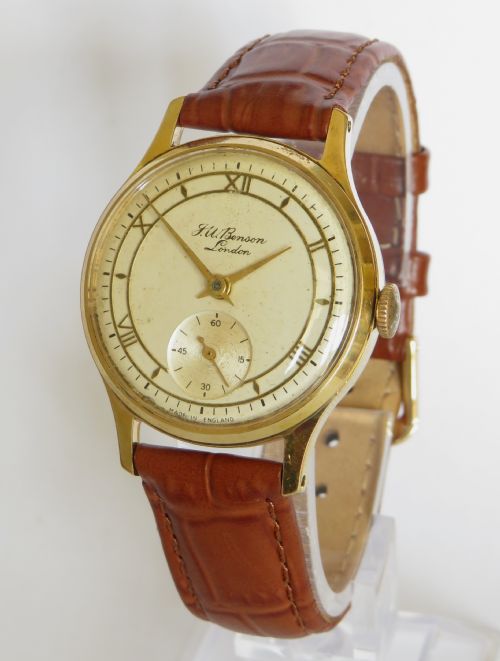
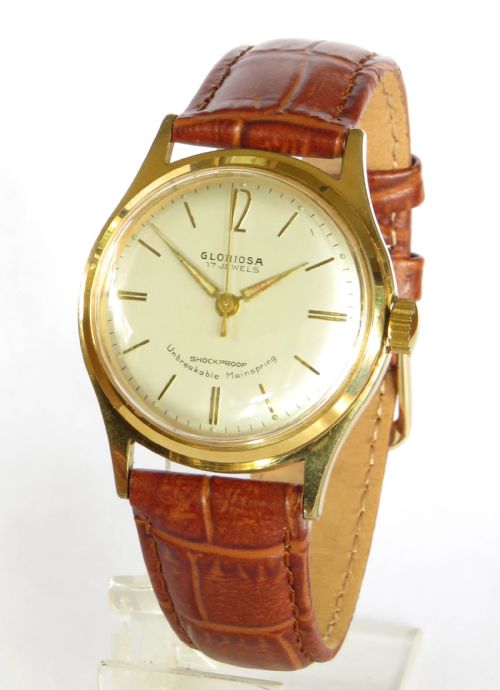
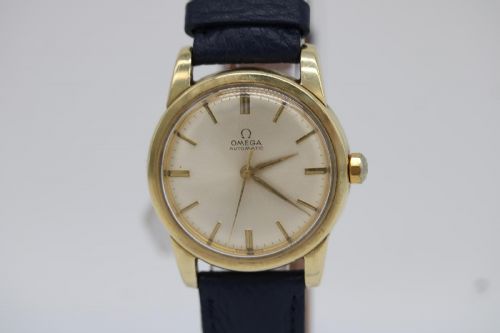
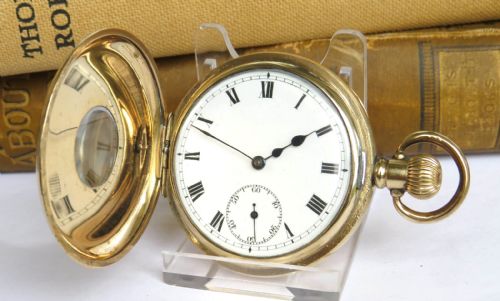
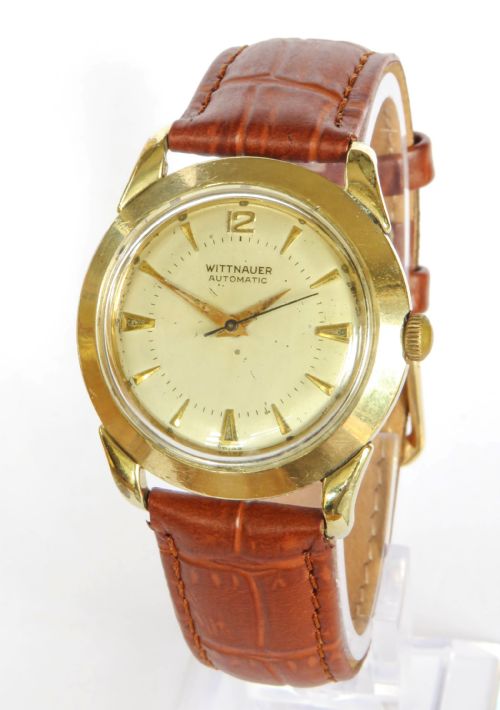
A gold plated timepiece brings together classic horology and accessible luxury through watches designed for everyday utility. When you search for a gold plated timepiece, you encounter wristwatches and pocket watches spanning several distinct eras.
The pieces on this page draw from the nineteenth century, the Art Deco period of the nineteen-thirties, and the mid-century modern aesthetic of the nineteen-fifties and sixties. Wristwatches dominate the selection, alongside traditional pocket watches.
Makers represented include Omega, Wittnauer, Eterna-Matic, Consul, Fludo, and Avia. These items range from manual wind movements to automatic mechanisms and specialised triple calendar chronograph designs.
Assessing Quality and Craftsmanship
The sophistication of the internal movement dictates much of the distinction between standard models and advanced examples. Simple manual wind calibres contrast with complex automatic mechanisms and Landeron chronograph movements.
Condition of the gold plating and the clarity of dials, such as gold sunburst patterns, define the visual appeal. The integration of complications like triple calendars separates basic timekeepers from notable horological instruments.
Retail Price Guide 2026
Typical UK retail prices for gold plated timepiece, calculated from the Sellingantiques database of over a million retail prices indexed since 2003. This retail price guide relies exclusively on Sellingantiques data; no external sources or auction records are used, so the figures do not describe the wider market.
Some watches track more than just hours, offering triple calendar displays to keep you straight on the day, date, and month.
Wittnauer·Consul·Eterna-Matic·Omega·Fludo·Avia
The Gold Plated Timepiece Glossary
- Gold plate
- A thin layer of gold bonded to a base metal core. This technique provides the appearance of solid gold while keeping the item lighter and more affordable.
- Manual wind
- A mechanical watch movement that requires the wearer to manually turn the crown to tension the mainspring. This traditional system lacks a rotor for automatic winding.
- Automatic
- A self-winding mechanical movement that uses a weighted rotor to power the mainspring through the natural motion of the wrist. It removes the need for daily manual winding.
- Calibre
- The specific manufacturer's designation for a particular watch movement design. Collectors use this term to identify the exact internal machinery driving the hands.
Frequently Asked Questions
How do I wind a manual watch?
Gently rotate the crown clockwise between your thumb and forefinger until you feel slight resistance. Stop immediately to avoid damaging the internal spring.
Perform this action at the same time each day to maintain consistent timekeeping for your vintage piece.
Are these watches waterproof?
Older timepieces generally lack modern rubber gaskets and modern pressure sealing. Exposure to moisture can easily damage the delicate dial and internal steel components.
Keep the watch away from water, rain, and humidity to preserve the movement and gold plating.
What is an automatic movement?
An automatic movement utilises a rotating internal weight that winds the mainspring as your arm moves throughout the day. It combines mechanical tradition with practical everyday convenience.
When left off the wrist for days, the watch will stop and require manual setting before wearing again.
How should I store my watch?
Store the timepiece in a dry environment away from direct sunlight and magnetic fields. A lined watch box or pouch protects the leather strap and plated case from scratches.
Laying the watch flat on a soft surface ensures the acrylic or glass crystal remains undamaged.