

Gold Painted Porcelain Cup
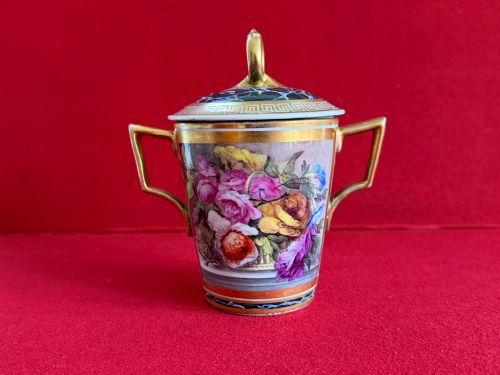
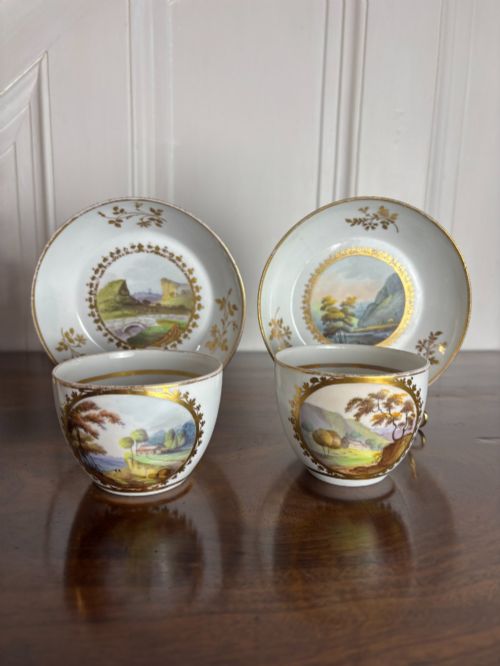
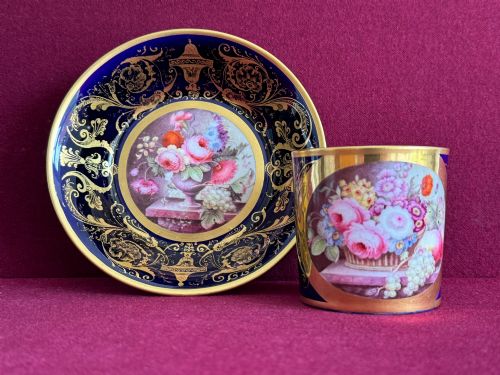
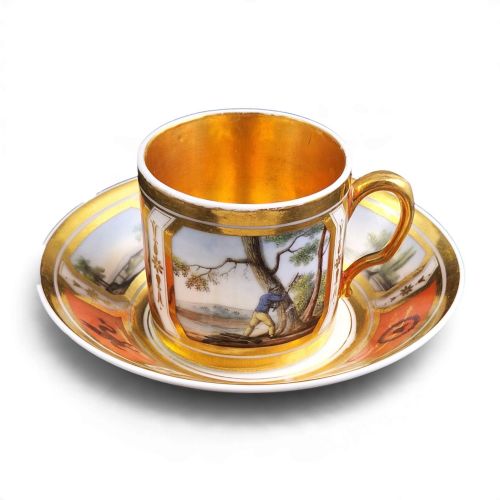
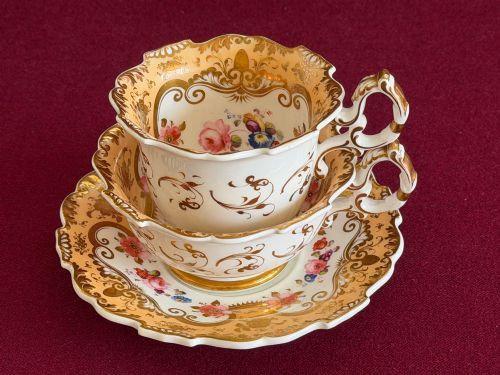
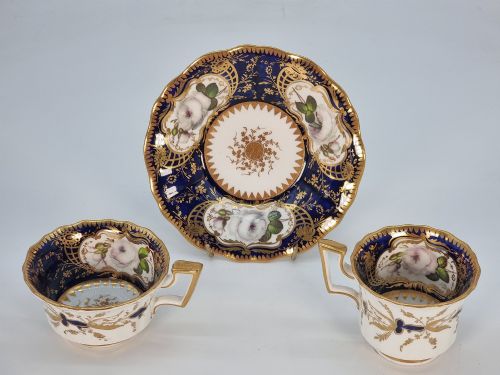
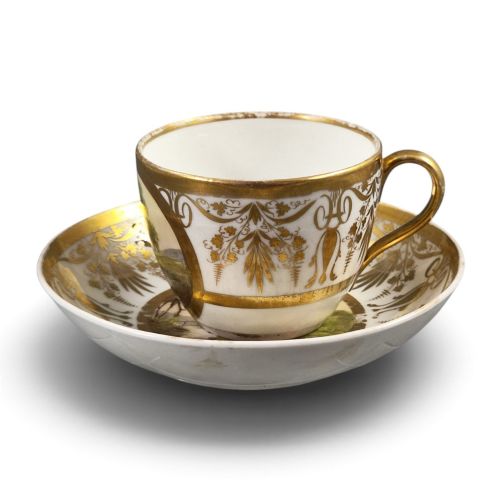
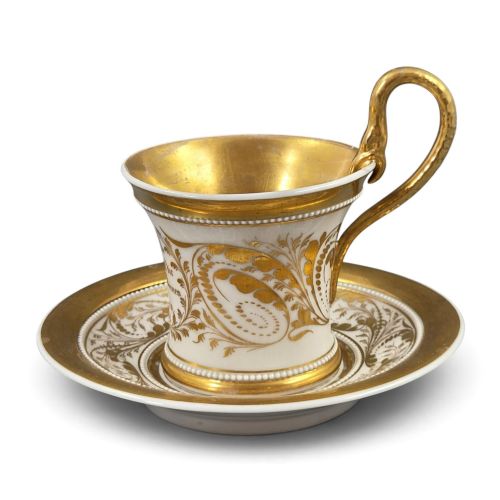
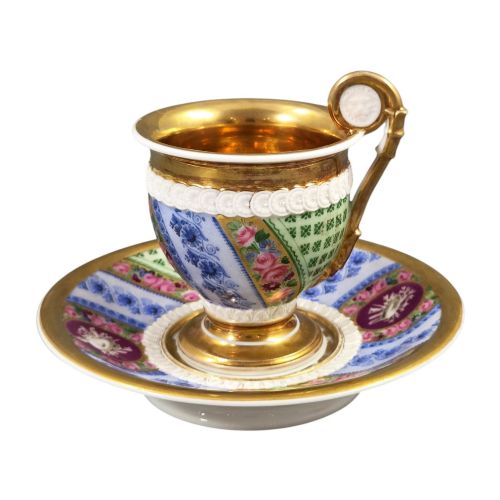
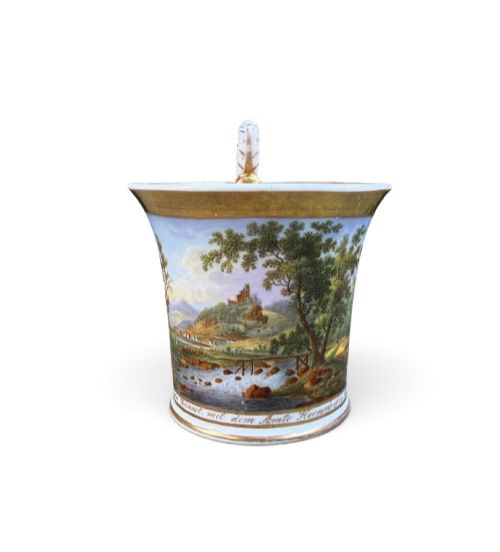
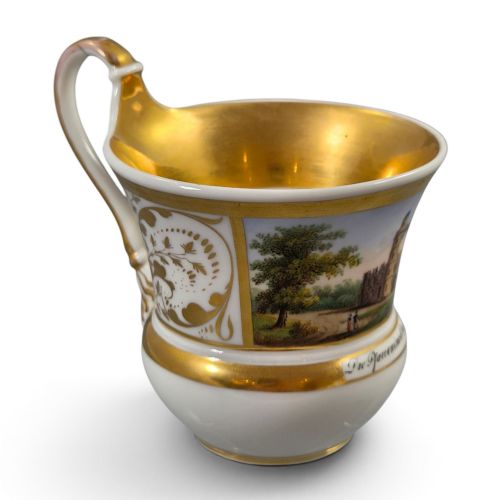
A gold painted porcelain cup brings hand-painted landscapes and rich gilding together from periods ranging from the Georgian era to the twentieth century.
Gold Painted Porcelain Cup
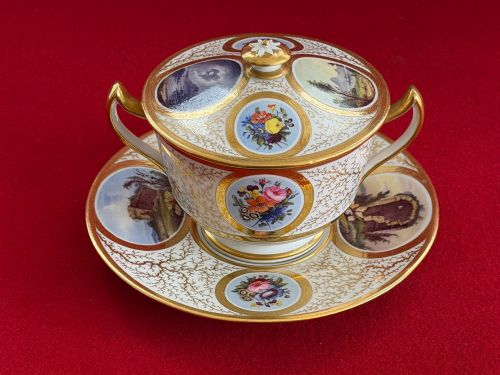
A gold painted porcelain cup encompasses refined cabinet cups, chocolate cups with covers, coffee cans, and complete tea sets originating from English, French, German, and Japanese makers. The pieces recorded here span from Georgian and Regency productions to Victorian, Edwardian, and later twentieth-century iterations.
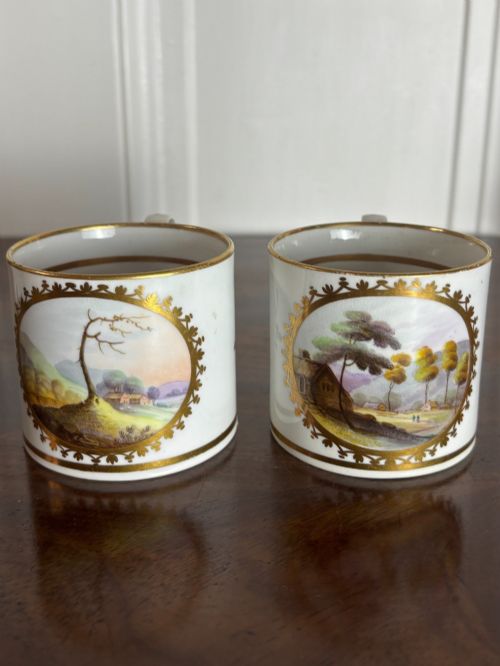
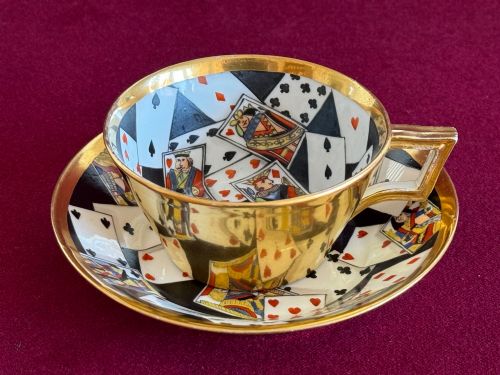
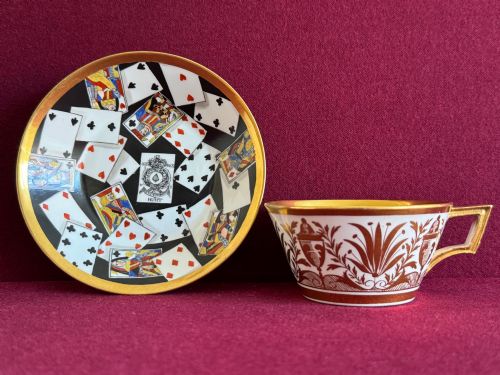
Most examples encountered on this page pair fine porcelain or bone china bodies with detailed hand-painted scenes, incorporating rural views, topographical landscapes, or allegorical motifs alongside applied gold leaf, gilding, and enamel paint.
How they were made
Potters utilised hard-paste porcelain, soft-paste bodies, and bone china, shaping them into distinctive forms like pedestal cups, porter mugs, and image handle teacups. These forms required careful kiln firing before artists applied their base enamel colours.
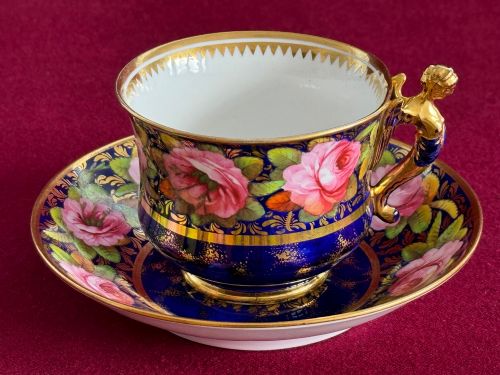
Makers finished the pieces by applying gold leaf, gilding, and enamel paint by hand, often framing detailed landscape miniatures or floral panels within rich metallic borders.
Gold Painted Porcelain Cup Retail Price Guide 2026
Typical asking prices for gold painted porcelain cup among the pieces listed under this phrase on Sellingantiques today, from the lower quarter to the upper quarter. They describe what is for sale here now, not the wider market.
Object forms on this page include coffee cans, chocolate cups with covers, cabinet cups, porter mugs, and complete tea sets.
What varies in quality
Quality rests upon the precision of the hand-painting, particularly in the rendering of topographical landscapes, botanical studies, or miniature figures, alongside the weight and burnishing of the applied gold leaf and gilding.
The sophistication of the porcelain body also distinguishes the pieces, from standard factory wares to finely potted cabinet cups with elaborate moulded handles, lion masks, or pedestals.
Barr Flight And Barr·Minton·Flight Barr And Barr·Spode·Duesbury And Kean·H And R Daniel·Coalport·KPM Berlin·Bloor Derby·Flight And Barr·Royal Worcester·Royal Vienna·Davenport·Taniguchi·Hirsch Dresden
The Gold Painted Porcelain Cup Glossary
- Cabinet cup
- A decorative cup made primarily for display in a cabinet rather than for regular drinking use. These pieces often feature detailed topographical views or presentation gilding.
- Coffee can
- A straight-sided cylindrical coffee cup lacking a handle, common in the late eighteenth and early nineteenth centuries. They were frequently paired with matching saucers.
- Hard-paste porcelain
- A durable ceramic material fired at high temperatures, composed of kaolin and petuntse. It provides a dense, vitrified body favoured by continental European factories.
- Bone china
- A type of soft-paste porcelain containing bone ash, developed in England to create a strong, translucent body. It accepts enamels and gilding with notable clarity.
- Gilding
- The application of gold leaf or powdered gold to the surface of porcelain. It highlights rims, handles, and painted panels.
Gold Painted Porcelain Cup: Frequently Asked Questions
What is a chocolate cup?
A chocolate cup is a specialised drinking vessel that is typically taller than a standard teacup and often includes a fitted cover and a matching stand or saucer.
These covered pieces were designed to keep rich hot chocolate warm during the Georgian and Regency periods.
How do I identify a cabinet cup?
A cabinet cup is identified by its purely decorative nature and fine artistic detail, intended for display in a collector's cabinet rather than everyday tea service.
These items frequently showcase hand-painted topographical views, portraits, or elaborate gilded motifs.
What is a coffee can?
A coffee can is a small, straight-sided cylindrical cup without a handle, produced extensively during the early nineteenth century.
They were potted specifically for drinking strong coffee and almost universally accompanied by a deep saucer.
How are different periods told apart?
Periods are distinguished by examining the porcelain body, the style of painting, and the application of the gilding.
Georgian and Regency pieces often feature neo-classical or hand-painted landscape motifs on soft or hard paste, while later Victorian and twentieth-century examples display different ceramic formulas and bolder decorative palettes.