




Gold Over Mantel Mirror
A gold over mantel mirror brings architectural presence and reflected light to a room, sitting naturally above a fireplace.
Gold Over Mantel Mirror
A gold over mantel mirror sits above a fireplace, designed specifically in scale and proportion to fill the chimney breast. The search phrase gold over mantel mirror covers large wall-hanging pieces intended to anchor a room's interior scheme.
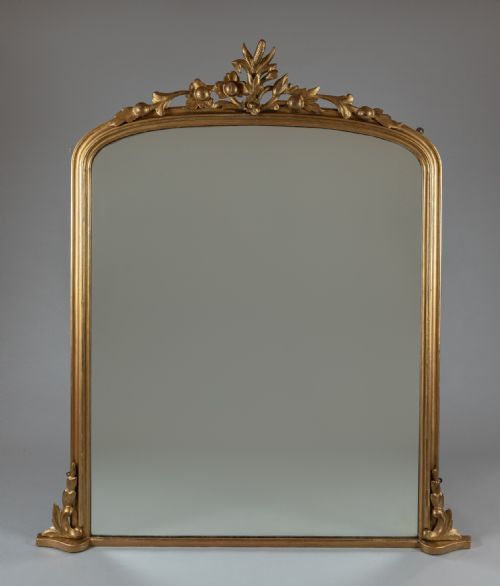
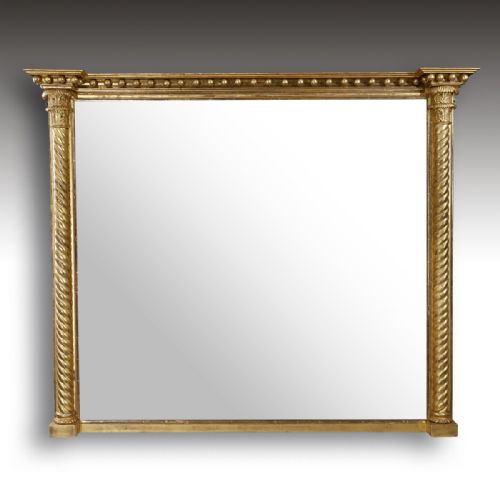
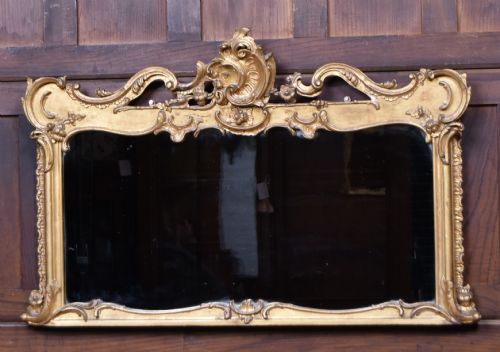
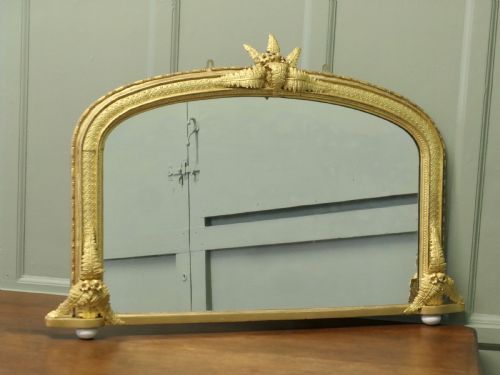
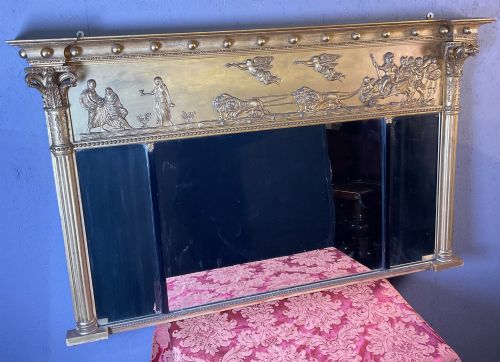
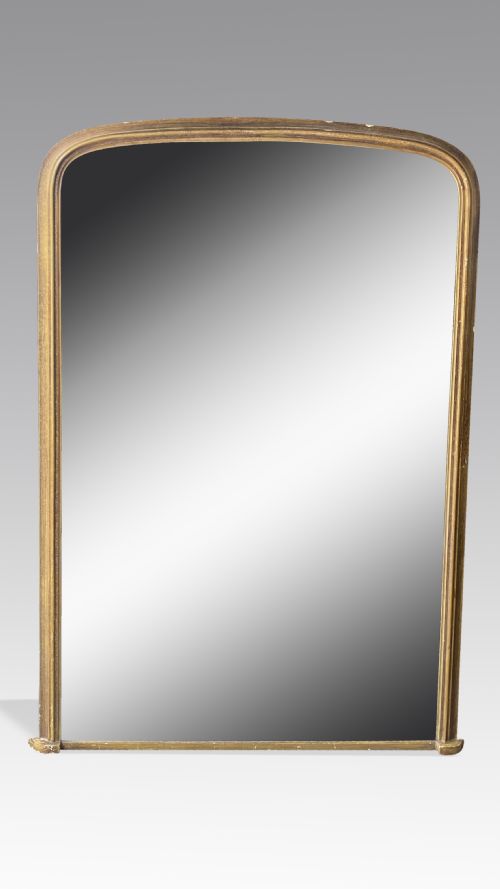
The pieces seen here span the eighteenth century, the Regency period, the William IV era, and the nineteenth century, including Victorian and Rococo Revival examples. The most common version met on this page is the nineteenth century giltwood archtop or arched overmantel mirror.
Makers and craftsmen produced these mirrors in various formats, ranging from classical Regency designs to ornate French Rococo Revival styles and mid-Victorian creations. Smaller nineteenth century examples appear alongside exceptionally large arched formats equipped with gilded brackets.
Materials and construction
Construction relies upon a robust wooden base frame, often formed of timber or ebonised wood, overlaid with gesso and composition details to build up intricate decorative reliefs. Artisans then applied gold leaf or gilded finishes over the prepared surfaces to achieve a luminous appearance.
Original mirror glass sits within these carved and moulded frames, frequently accompanied by structural wooden backs and supporting gilded brackets. The combination of carved wood, applied gesso, and gold leaf defines the physical fabrication of these traditional wall mirrors.
Gold Over Mantel Mirror Retail Price Guide 2026
Typical asking prices for gold over mantel mirror among the pieces listed under this phrase on Sellingantiques today, from the lower quarter to the upper quarter. They describe what is for sale here now, not the wider market.
Listings span the eighteenth and nineteenth centuries, featuring materials such as giltwood, ebonised wood, and composition.
Factors of quality
Quality reveals itself in the crispness of the gesso moulding and the depth of the gilding, where hand-applied gold leaf holds a richer warmth than simpler painted finishes. Finer examples retain their original mirror glass, showing subtle signs of age rather than modern replacement.
Proportion and scale distinguish superior pieces, particularly in how the archtop or frame geometry relates to the heavy wooden structure beneath. The integrity of the original joints and the survival of delicate decorative brackets separate standard production from more ambitious workshop output.
The Gold Over Mantel Mirror Glossary
- Giltwood
- Wood that has been coated with gold leaf or a gold-coloured finish. This surface treatment gives the frame its characteristic metallic gleam.
- Gesso
- A plaster-like mixture applied to wood frames to create a smooth surface for carving or moulding decorative details. It forms the base beneath the gold leaf.
- Overmantel mirror
- A large mirror specifically designed to hang on the wall directly above a fireplace mantel. Their horizontal or arched proportions match the width of the fireplace below.
- Regency
- A British design period spanning the early nineteenth century, known for classical restraint and neoclassical motifs. Pieces from this era often feature clean architectural lines.
- Rococo Revival
- A nineteenth-century style inspired by the ornate, asymmetrical curves of the French Rococo movement. Frames in this style display elaborate scrollwork and naturalistic foliage.
Gold Over Mantel Mirror: Frequently Asked Questions
How do I hang a heavy overmantel mirror?
These large mirrors require secure attachment directly into structural wall studs or masonry using heavy-duty fixings rated for their substantial weight.
Professional installation ensures the frame remains stable and safely supported above the fireplace mantel.
Were these mirrors always used above fireplaces?
While specifically proportioned for chimney breasts, large wall mirrors of this type occasionally hung between tall windows to maximise reflected daylight in period reception rooms.
Their primary domestic function, however, remained that of reflecting warmth and light from the hearth.
How do I clean a gilded wood frame?
Dust the intricate gesso and gold leaf surfaces gently with a soft, dry brush to prevent accumulation without disturbing the delicate finish.
Avoid liquid cleaners and harsh chemicals entirely, as moisture can damage the historical composition and gilding.
How can I tell a Victorian mirror from a Regency one?
Regency frames typically exhibit classical restraint with architectural lines, whereas Victorian and Rococo Revival examples lean towards heavier proportions and elaborate scrollwork.
Examining the underlying construction materials and the style of the gesso moulding helps clarify the period of manufacture.