

Gold Ormolu Table
A gold ormolu table selection brings together gilt bronze mounts, candelabra, and French clocks that define nineteenth-century decorative arts.
Gold Ormolu Table
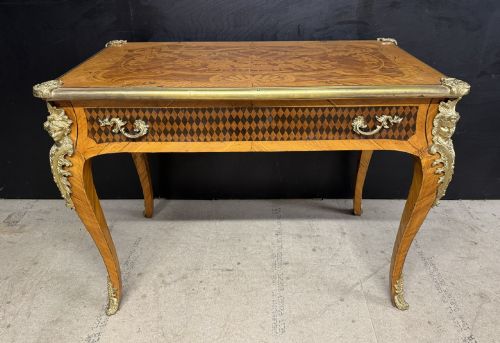
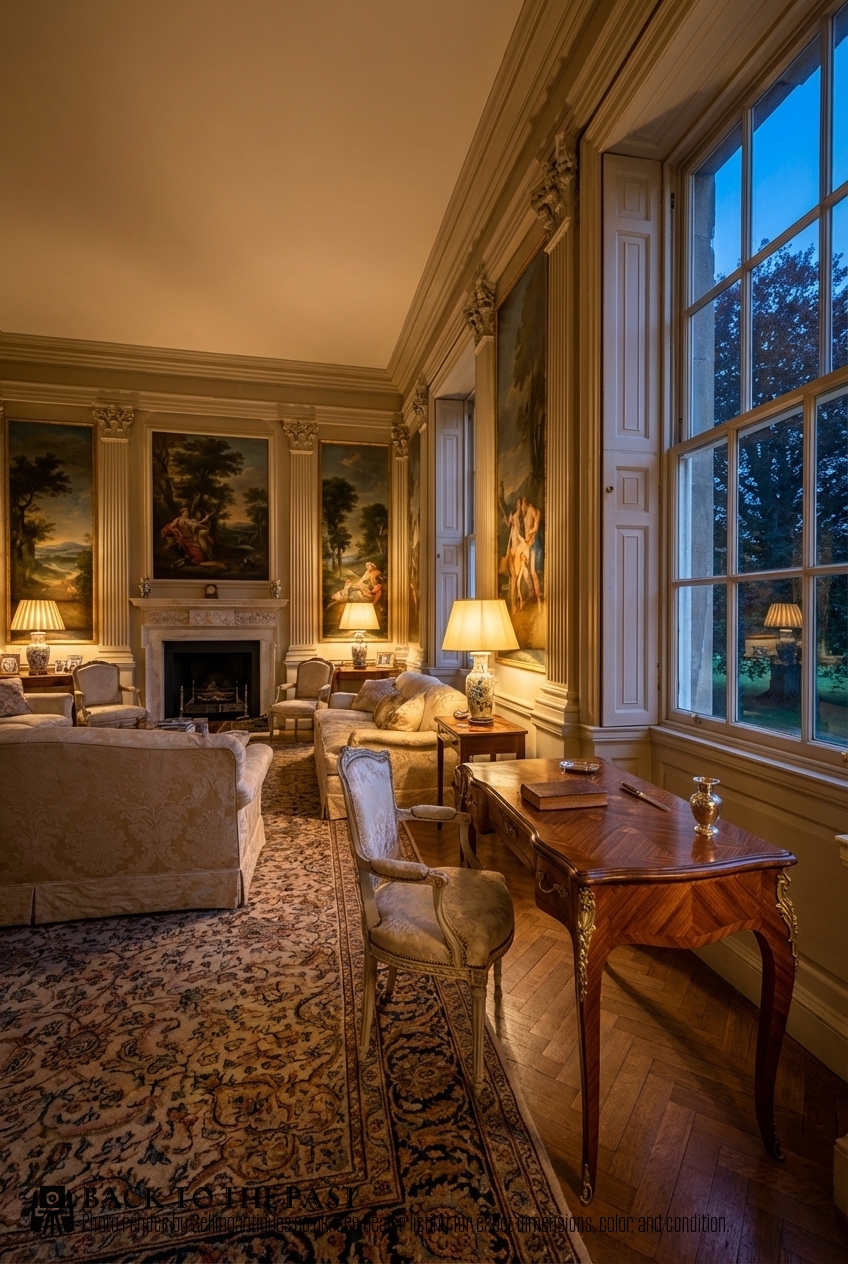
When you search for a gold ormolu table, you encounter writing desks, bureau plats, and dressing tables adorned with cast metal mounts. These forms span the eighteenth, nineteenth, and early twentieth centuries, drawing heavily on French Empire, Louis XVI, and Rococo Revival design vocabularies.
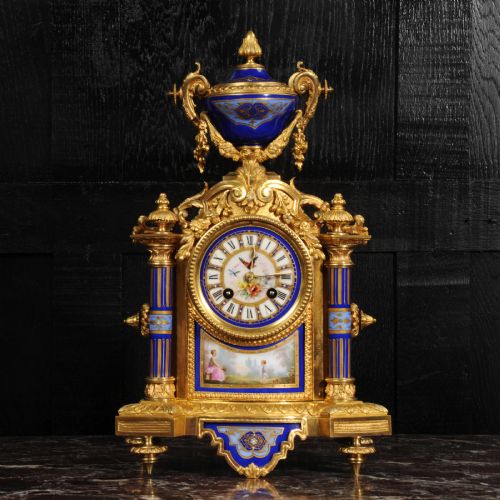
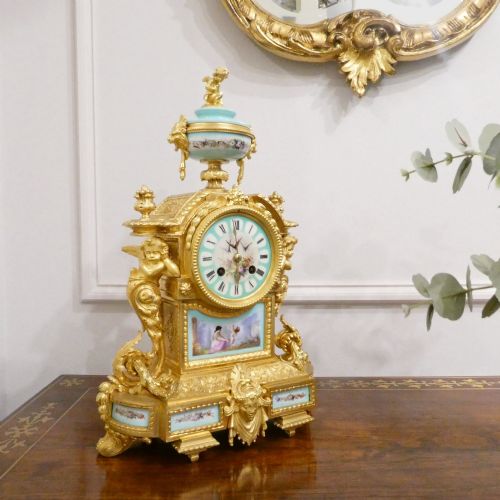
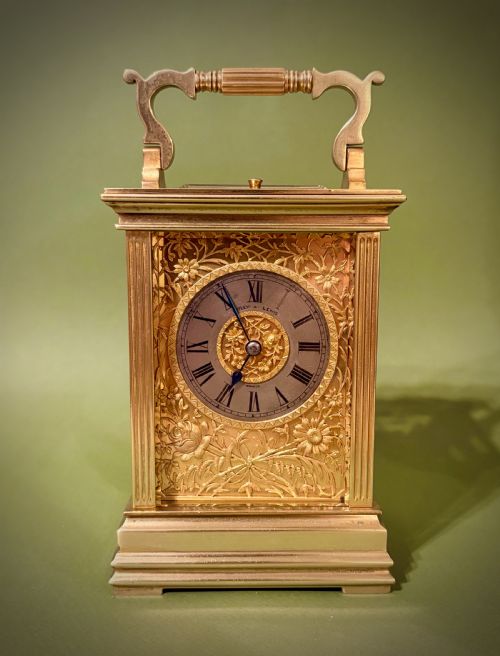
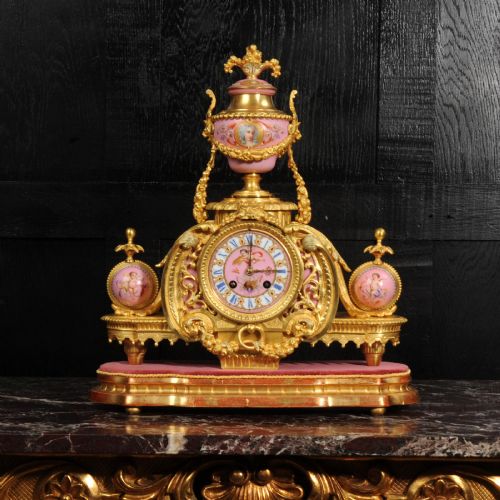
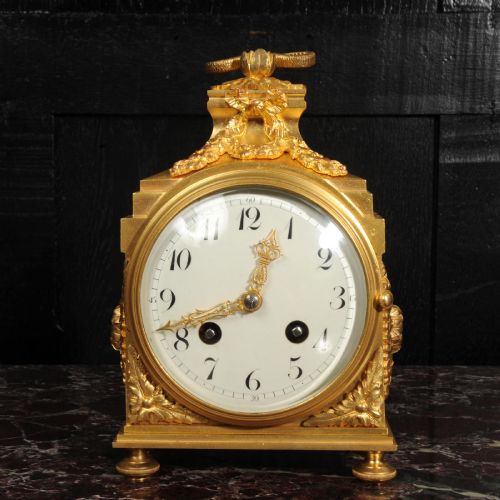
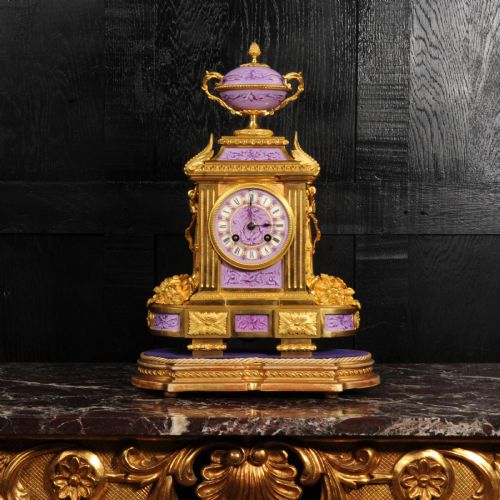
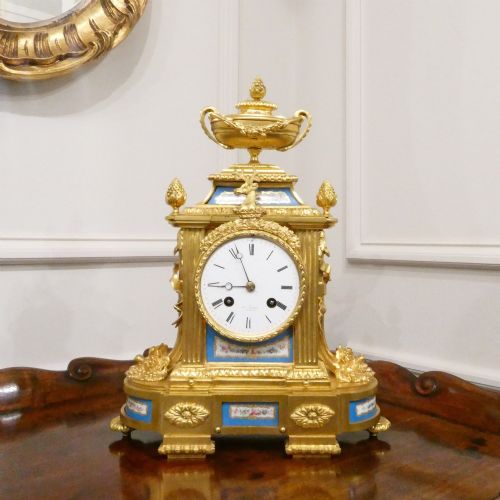
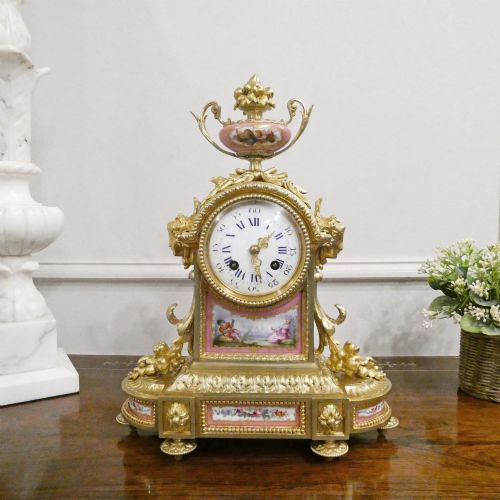
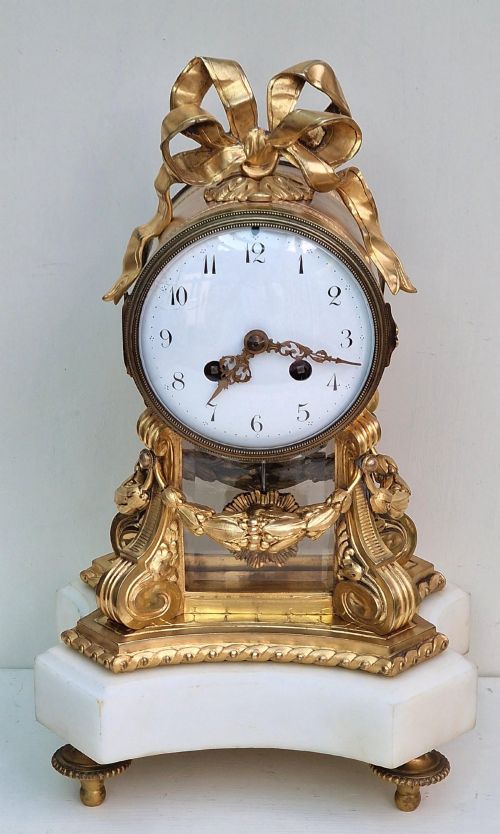
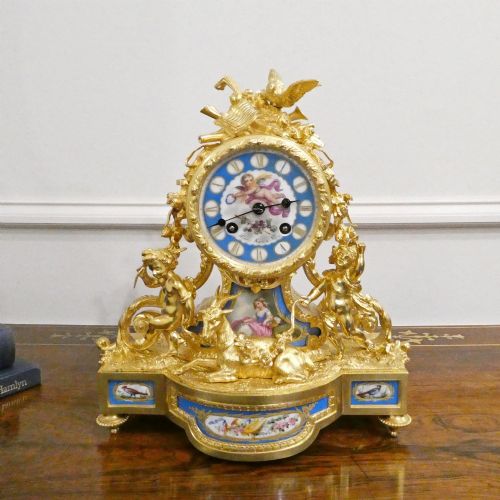
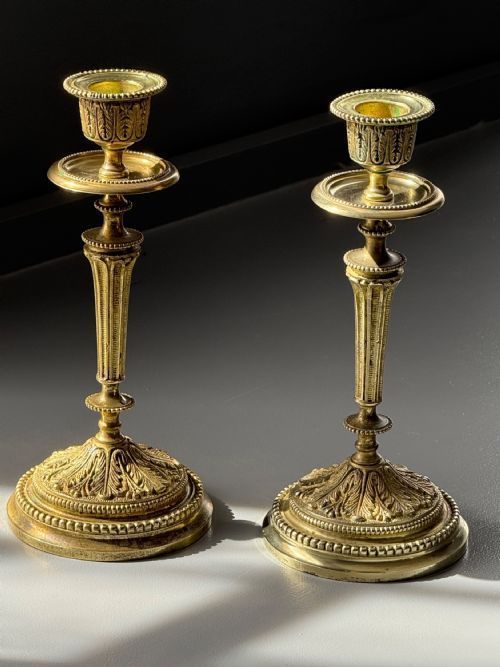
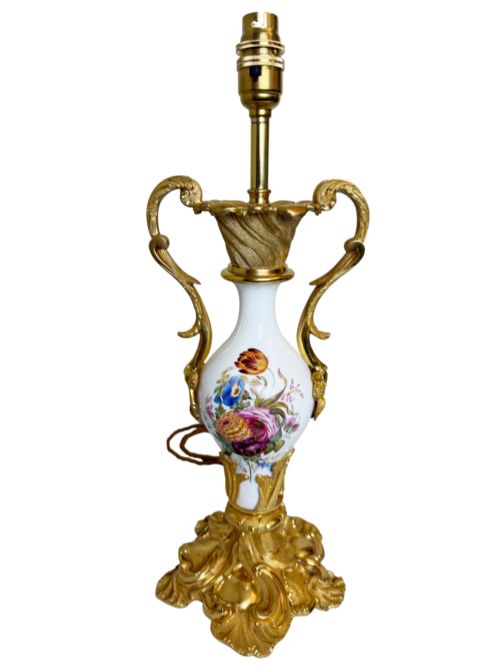
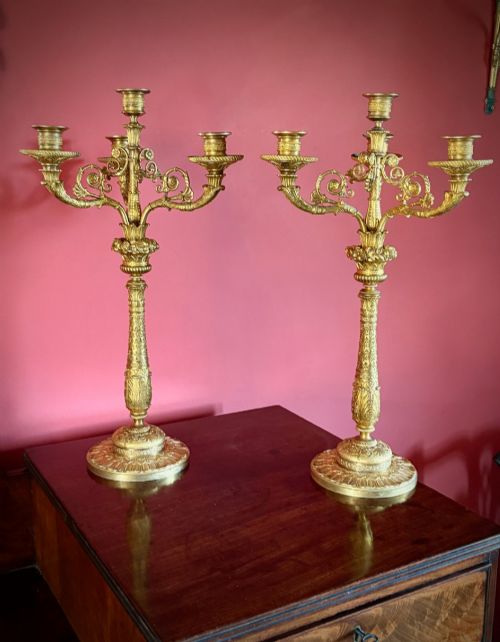
The selections on this page encompass related decorative objects sharing the same gilt surface treatments, including mantel clocks, candelabra, candlesticks, and table lamps. French workshops dominate the available pieces, often pairing cast bronze with porcelain panels, marble bases, or cut glass components.
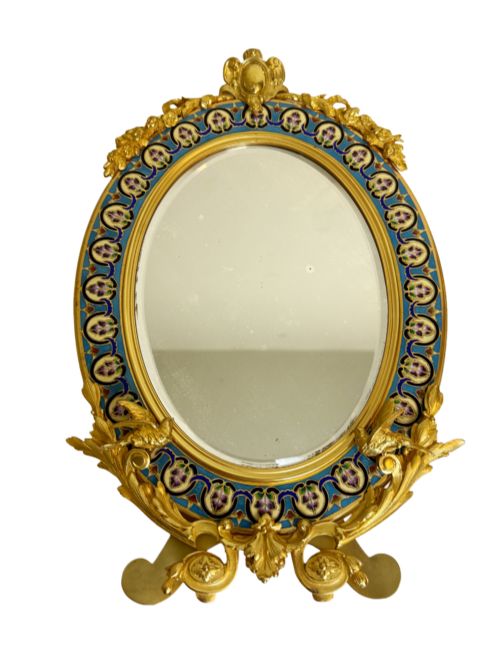
Bureau plats and writing desks represent the primary table forms found here, typically combining wooden bodies with ornate gilt bronze feet, escutcheons, and borders. Alongside these desks, smaller decorative items like jewellery boxes and mirrors utilise the same metallic vocabulary to unify an interior scheme.
Materials and construction methods
Maker workshops produced these items using cast bronze, brass, and gilt metal, applying a mercury amalgamation technique or electroplating to achieve the characteristic gold surface. This metallic layer is frequently paired with contrasting materials such as white marble, Sèvres porcelain plaques, crystal glass, and champlevé enamel.
Cabinetmakers constructed the writing desks from hardwoods like ebonised timber and marquetry veneers, mounting the finished wooden frames with detailed bronze castings. Clocks and lamps integrate cast elements with mechanical movements or electrical fittings adapted during later restorations.
Listings feature items spanning the eighteenth, nineteenth, and early twentieth centuries, with a strong concentration of French Empire and Louis XVI styles.
Judging quality in metalwork and mounting
Quality rests upon the crispness of the bronze chasing and the depth of the gilding, where sharp relief and clean lines distinguish superior casts from softer reproductions. The weight of the metal and the precision with which mounts fit against marble or wood surfaces indicate the skill of the original maker.
Complexity of design and integration with luxury materials like porcelain or crystal elevate certain pieces above standard production work. Surviving maker signatures or attribution to established foundries provide further indication of high workshop standards.
Achille Brocot·Henry Marc·Japy Freres·Pierre Philippe Thomire
The Gold Ormolu Table Glossary
- Ormolu
- A gold-coloured alloy of copper, zinc, or historically mercury, used to gild bronze mounts on furniture and decorative objects. The term derives from the French phrase for ground gold.
- Bureau plat
- A flat-topped freestanding writing desk, usually fitted with drawers and ornamented with metal mounts. These tables often feature leather inserts on the top surface.
- Champlevé
- An enamelling technique where troughs are dug into a metal surface and filled with vitreous paste before firing. This method creates colourful patterns within the metal framework.
- Candelabra
- Branched lighting fixtures designed to hold multiple candles, frequently cast in gilt bronze and styled after classical motifs. They often match the design of companion mantel clocks.
Gold Ormolu Table: Frequently Asked Questions
What is ormolu?
Ormolu refers to gilded bronze mounts applied to furniture, clocks, and decorative objects. The finish provides a rich gold appearance that defines French interior metalwork.
Craftsmen cast the bronze forms before applying the golden surface treatment, creating durable ornamentation found on nineteenth-century desks and candelabra.
How do I date a piece?
Dating relies on stylistic clues, such as the symmetrical restraint of Louis XVI revival designs versus the elaborate curves of Rococo pieces. Maker signatures and movement stamps provide more precise chronological markers.
Materials like champlevé enamel and specific porcelain factories also help narrow down the decade of manufacture within the broader nineteenth-century period.
Where were these items made?
The majority of these decorative pieces originate from French workshops and Parisian foundries active during the nineteenth century. Makers adopted historical styles from earlier royal reigns.
English and American firms occasionally produced similar items, but the predominant aesthetic follows French Empire and Louis XVI traditions.
How should I clean gilt bronze?
Gilt bronze surfaces require gentle dusting with a soft dry cloth to prevent damage to the delicate metallic layer. Moisture and abrasive cleaners strip away the historical finish.
Professional conservation is recommended for pieces showing tarnish or structural wear, particularly on fitted clocks and intricate candelabra arms.