
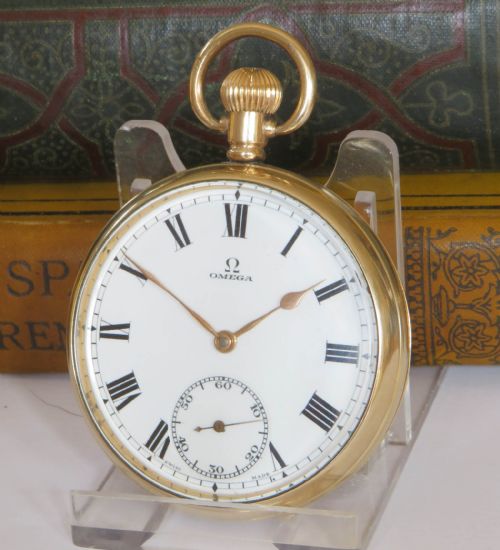
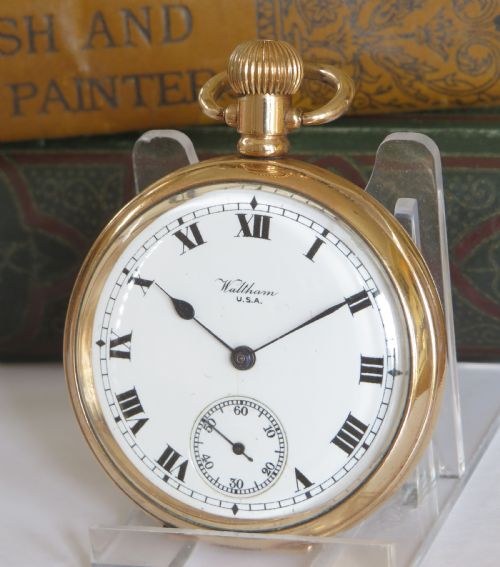
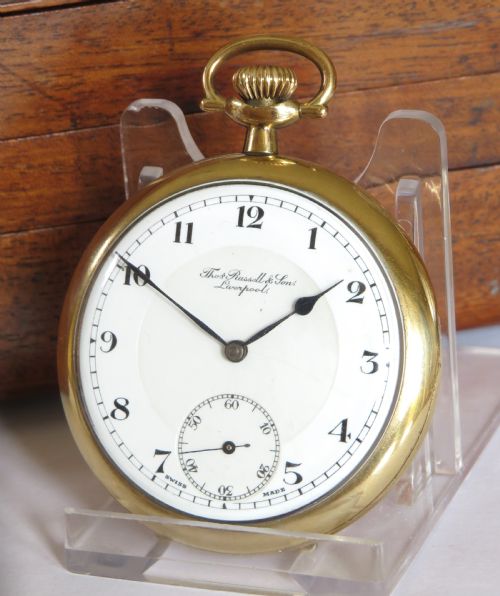
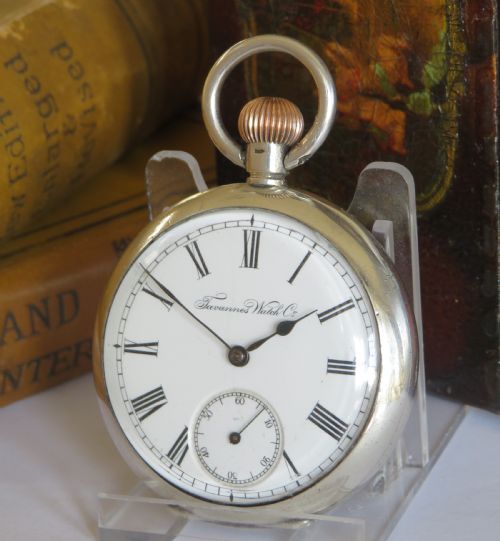
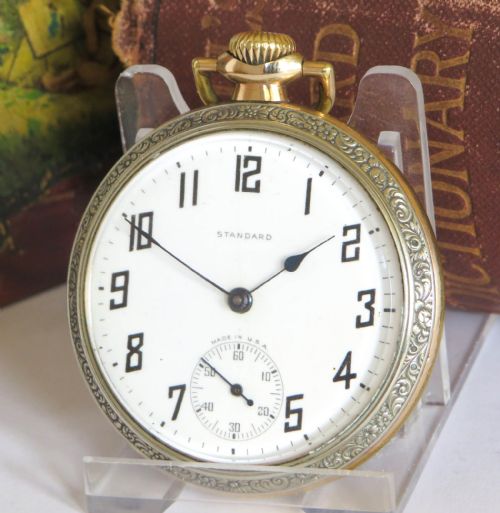
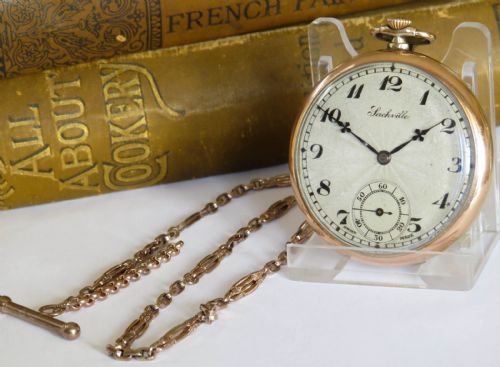
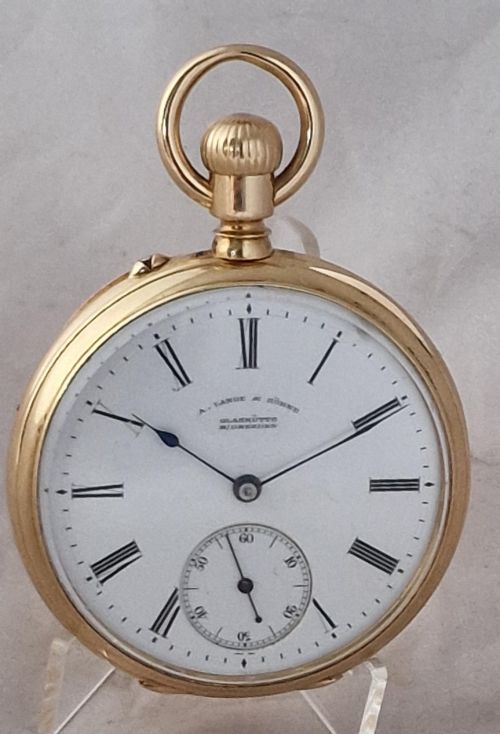
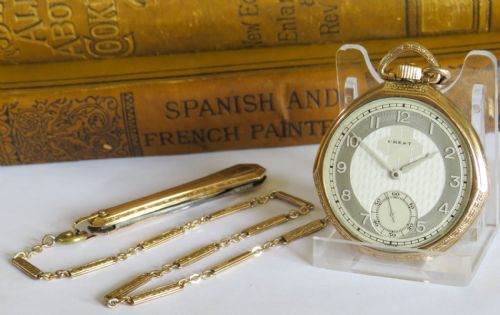
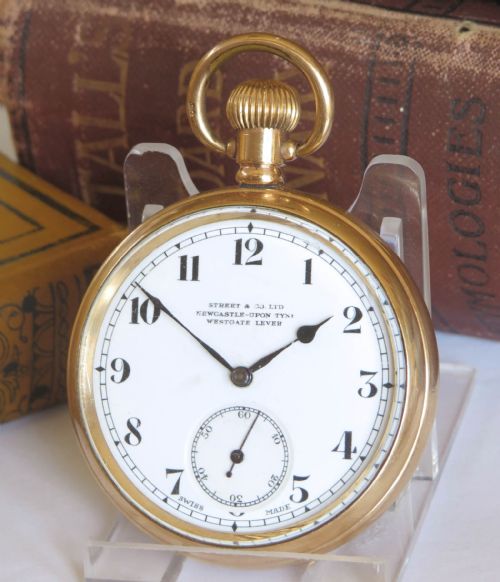
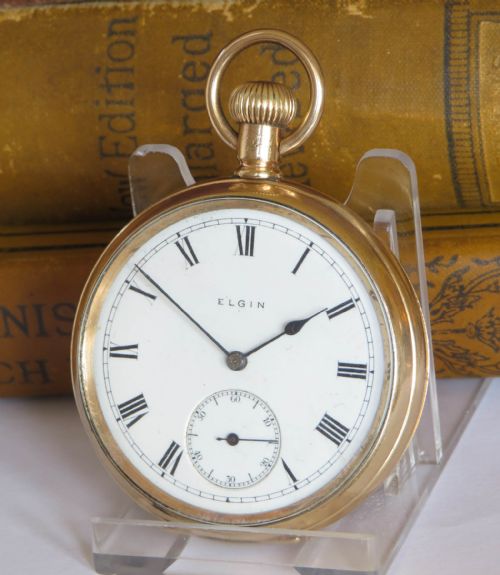
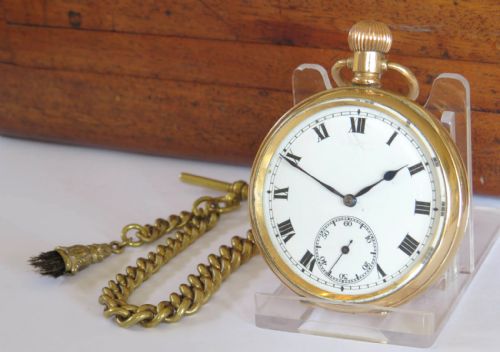
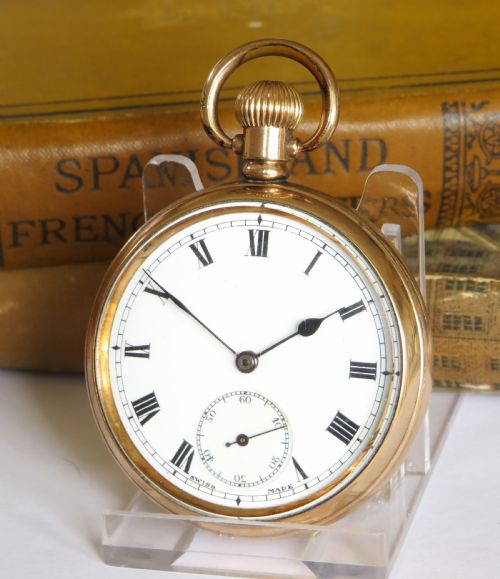
Gold Open Face Watch
A gold open face watch is a pocket timepiece without a hinged front cover, prized for its clear dial and straightforward display.
Gold Open Face Watch
A gold open face watch displays the dial immediately upon pulling it from the pocket, lacking the protective hinged metal cover found on hunter cases. When searching for a gold open face watch, buyers encounter pieces spanning from the nineteenth century through the mid-twentieth century.
The selection includes specimens from the Victorian and Edwardian eras, progressing into Art Deco and mid-century designs. Pocket watches of this form appear in solid gold, gold plate, and various metals, often accompanied by chains or original boxes.
Most examples originate from British, Swiss, and American makers, reflecting diverse horological traditions from the 1900s to the 1950s. The forms range from standard pocket watches to smaller fob watches designed for specific personal wear.
Materials and construction methods
Watchmakers utilised solid gold, 18ct gold, 9ct gold, and gold plate for the exterior cases, paired with internal brass and steel movements. Glass protected the dial face, sometimes accompanied by enamel details on the chapter rings or markers.
Mechanisms relied on stem winding and lever escapements, enclosing intricate gear trains within metallic housings. Cases were produced by specialist manufacturers and watch firms, often bearing hallmarks that recorded the metal purity and assay office.
Gold Open Face Watch Retail Price Guide 2026
Typical asking prices for gold open face watch among the pieces listed under this phrase on Sellingantiques today, from the lower quarter to the upper quarter. They describe what is for sale here now, not the wider market.
Listings feature pieces spanning from the Edwardian period and the 1900s through the 1950s, in solid gold, gold plate, and base metals.
Distinctions in manufacture and finish
The standard of a timepiece is marked by the precision of its movement and the grade of its metal casing, distinguishing mass-produced pieces from higher-tier output. Solid 18ct gold cases and jewelled movements represent superior construction compared to gold-plated brass alternatives.
The reputation of the maker and the complexity of the internal mechanism govern the standing of individual pieces within the market. Surviving original presentation boxes and matched chains add historical completeness to the watch.
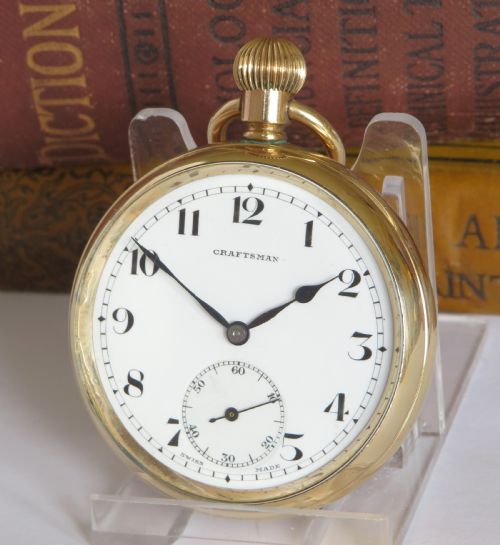
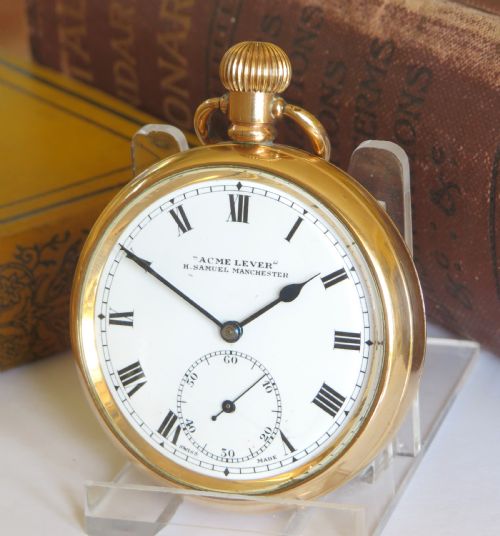
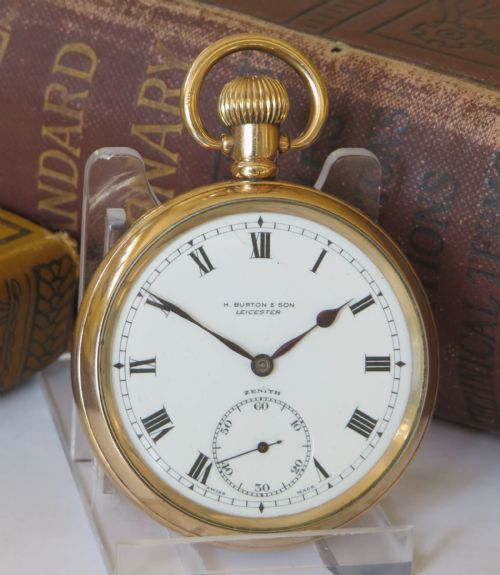
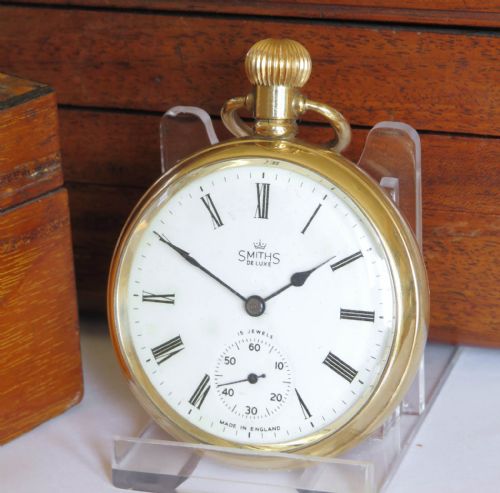
Omega·Waltham·Thomas Russell and Son·Tavannes·New York Standard·Lange and Sohne·Minerva·Elgin·Syren·Paxus·Craftsman·H Samuel·Zenith·Smiths De Luxe·Hamilton·Dennison·Kays·Elkington·Smiths·Globe Watch Co·Revue·Limit·Cyma·Consul·Lanco
The Gold Open Face Watch Glossary
- Open face
- A pocket watch design without a protective metal front cover, allowing direct viewing of the dial.
- Stem winding
- A mechanism where the mainspring is wound using the crown at the top of the watch rather than a separate key.
- Lever escapement
- A type of watch escapement that delivers regular impulses to the balance wheel, improving timekeeping accuracy.
- Albert chain
- A short chain attached to a pocket watch, designed to secure the timepiece to a waistcoat or belt.
- Hallmark
- An official stamp applied to precious metals indicating the purity, maker, and assay office of origin.
Gold Open Face Watch: Frequently Asked Questions
How do I wind a vintage watch?
Turn the crown at the top of the watch clockwise until gentle resistance is felt. Avoid over-winding to protect the internal mainspring.
Most stem-winding models require this daily action to maintain accurate running throughout the day.
What is an open face watch?
An open face watch is a timepiece without a hinged metal lid over the glass dial. This allows the wearer to check the time instantly without opening a case.
It represents the traditional format for pocket watches used with waistcoats and watch chains.
How do I wear a pocket watch?
Secure the attached chain to a buttonhole on your waistcoat or jacket, and slip the watch into the pocket. The open face allows for quick viewing while secured safely by the albert chain.
Ensure the chain matches the metal tone of the watch case for a cohesive appearance.
Are these watches waterproof?
Historical pocket watches lack modern waterproof seals and gasket systems. Exposure to moisture can rust the steel components and damage the dial.
Keep the timepiece away from water and store it in a dry environment when not in use.
How do I date a watch?
Examine the hallmarks on the gold case for assay office symbols and date letters. Movement serial numbers can also be cross-referenced with maker records.
Style elements such as Art Deco numerals or Edwardian engraving offer additional chronological clues.