
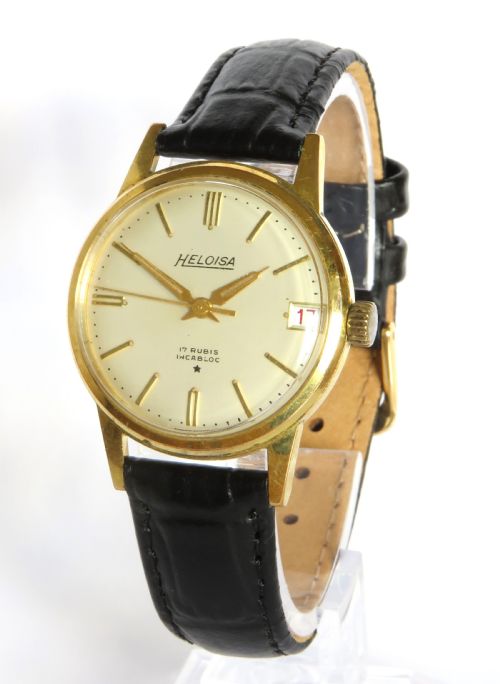
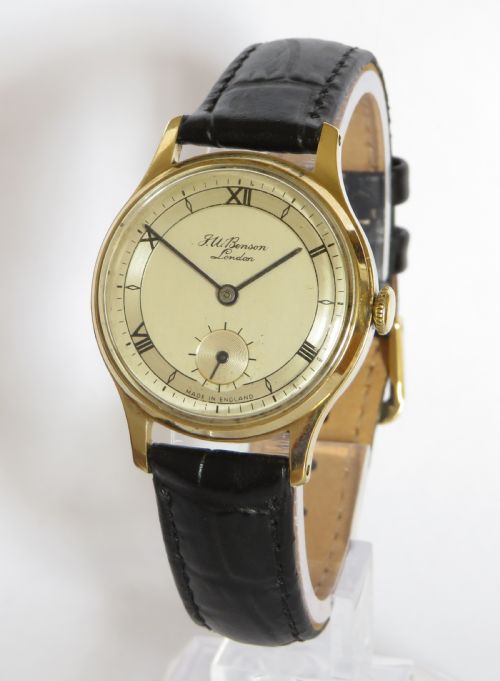
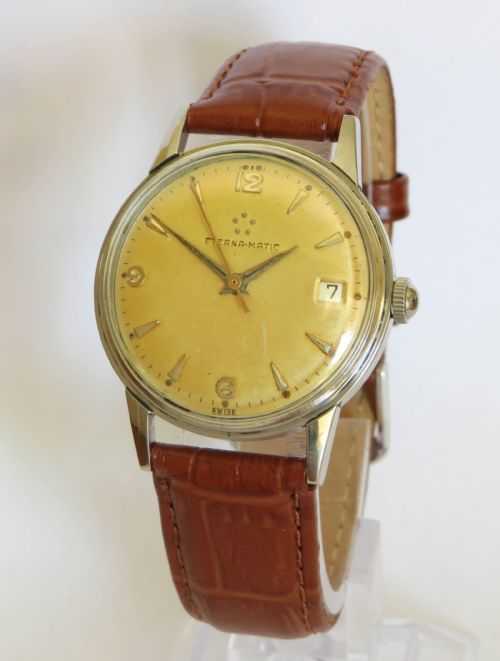
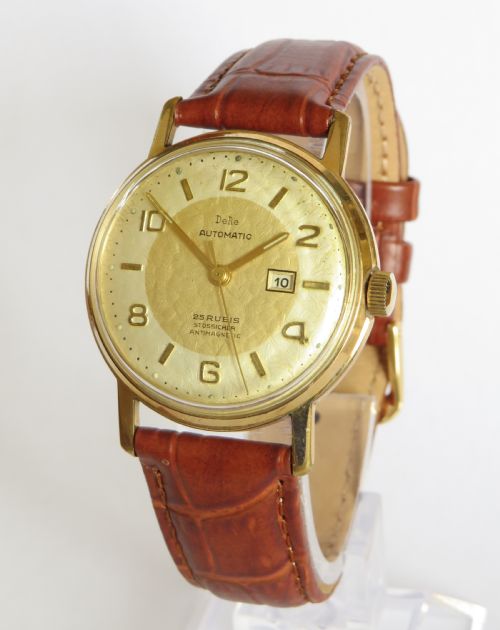
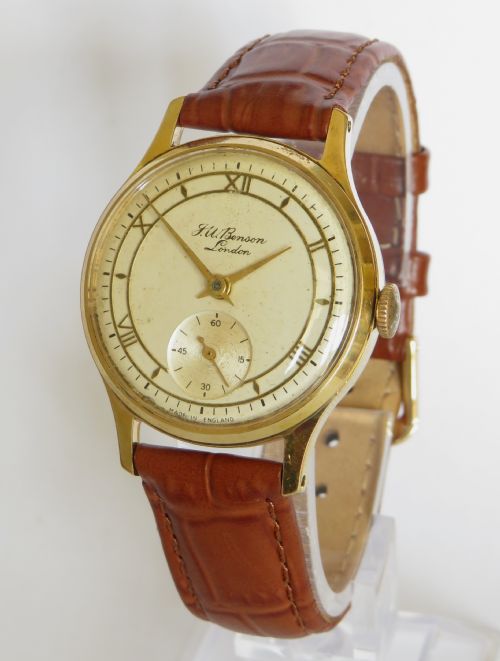
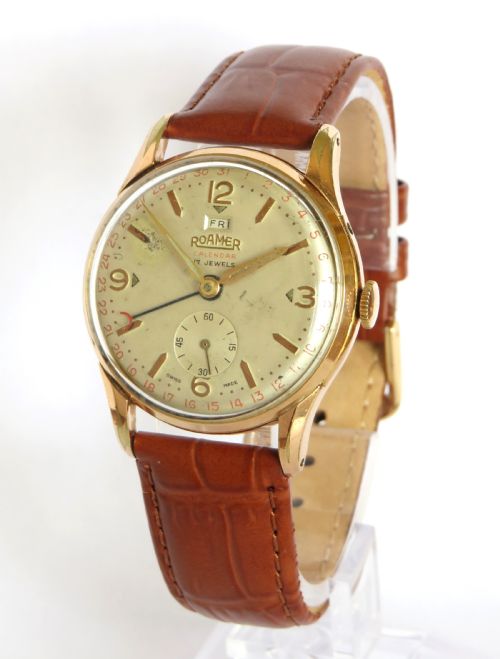
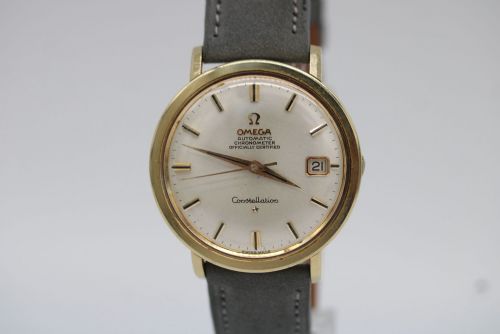
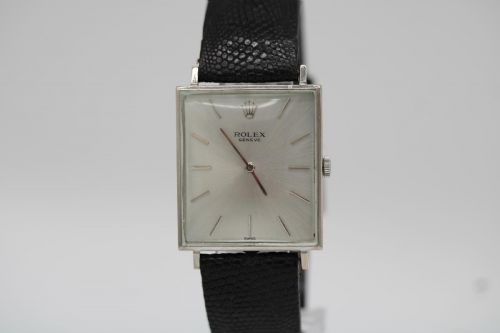
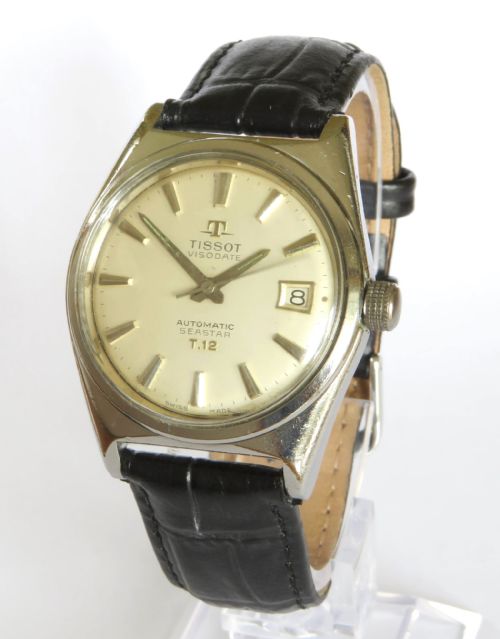
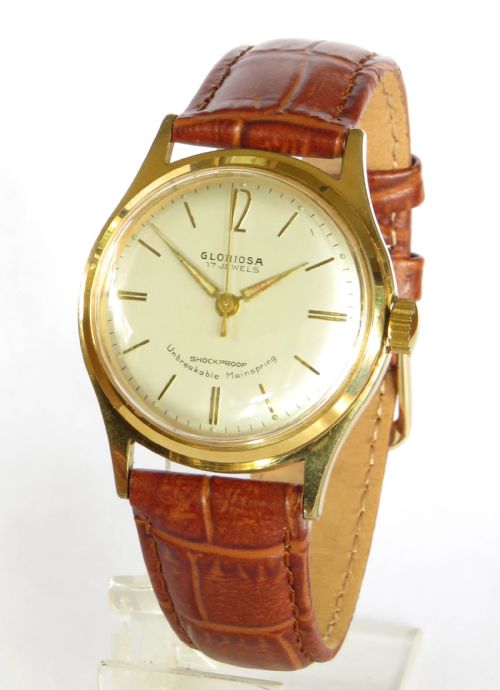
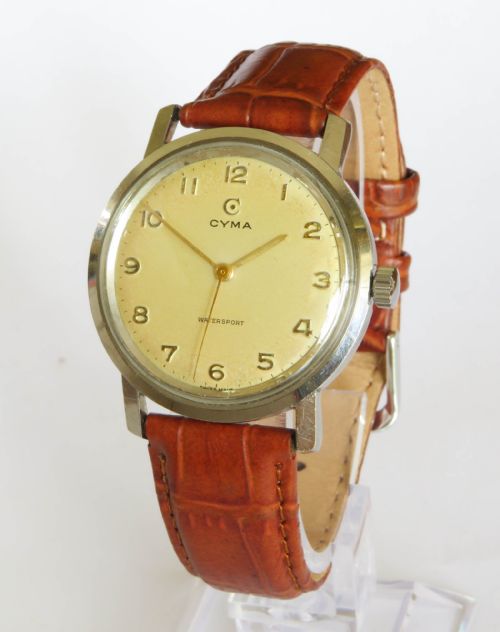
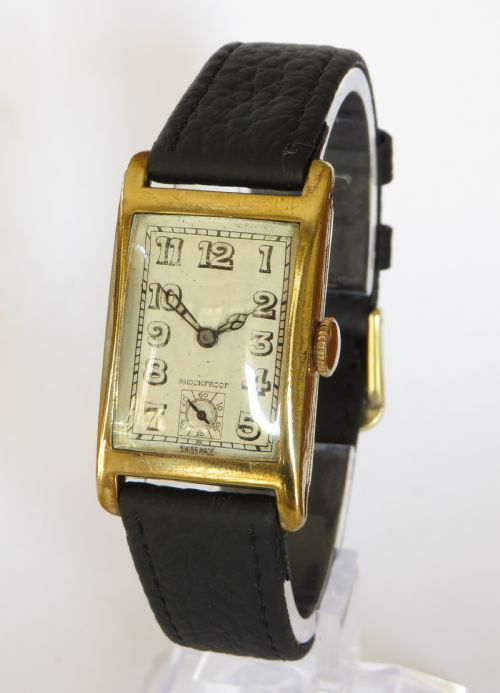
Gold Mechanical Wrist Watch
A gold mechanical wrist watch brings precision engineering and warm precious metal together in a wearable piece of history.
Gold Mechanical Wrist Watch
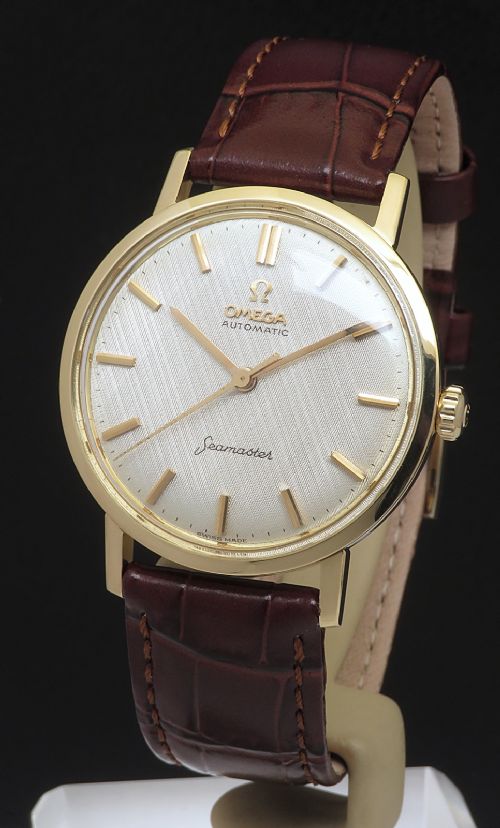
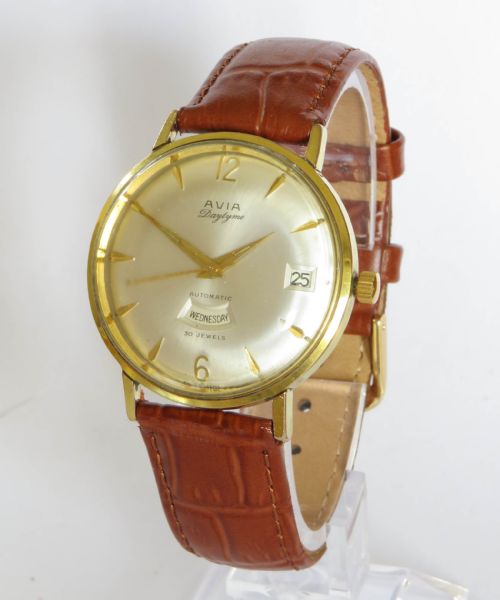
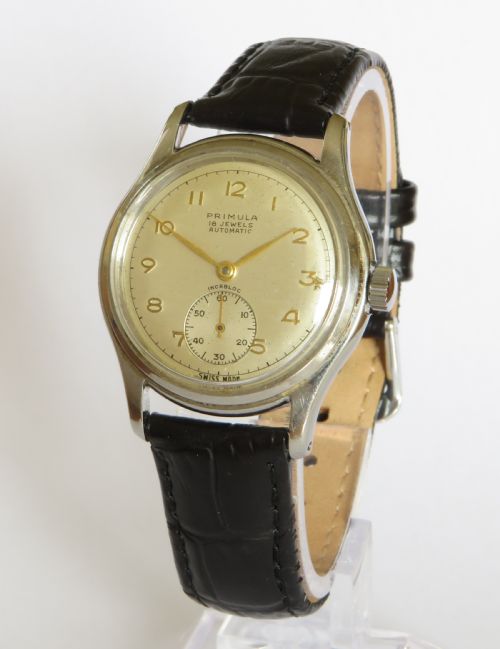
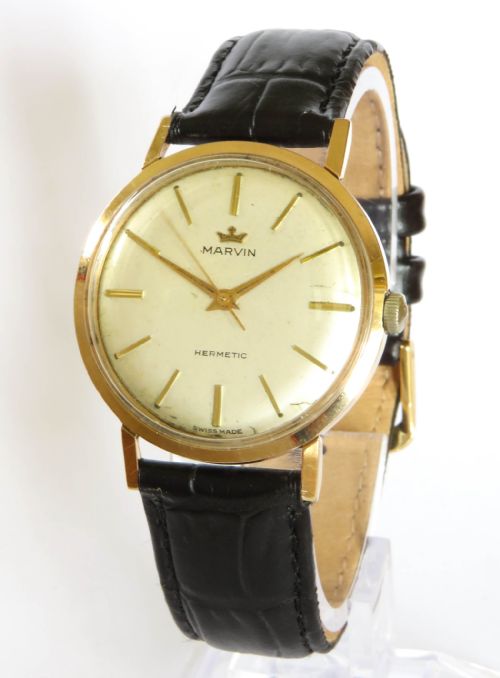
A gold mechanical wrist watch represents decades of horological heritage, spanning the 19th Century through the mid-20th century. Buyers seek these objects for their intricate internal movements and the enduring appeal of gold cases.
Most items originate from established Swiss and British makers, appearing in forms designed for gents or ladies. Cases utilise solid gold or gold plating, paired with leather straps or matching metallic bracelets.
How they were made
Watchmakers constructed cases using solid 9ct or 18ct gold, alongside gold plate over base metals and stainless steel. Dials sat behind protective lenses made from glass or acrylic glass materials.
Many vintage automatic watches proudly display their mechanical complexity through transparent or dust-resistant case backs.
What varies in quality
Quality differences stem from the purity of the metal casing, shifting between solid gold variants and plated alternatives. The complexity and reputation of the internal movement also dictate the calibre of the piece.
Originality preserves standing, particularly when boxes, papers, or signed components remain intact alongside the watch. The integrity of the dial and the precision of the mechanical movement further distinguish superior examples.
Omega·Smiths·Rolex·Eterna Matic·Zenith·Tissot
The Gold Mechanical Wrist Watch Glossary
- Calibre
- The specific internal movement design and model created by a watchmaker. This identifier helps distinguish different mechanical configurations.
- Acrylic glass
- A lightweight, shatter-resistant polymer used for watch crystals during the mid-century period. It could be easily polished to remove surface scratches.
- Mechanical movement
- A timekeeping mechanism driven by a mainspring and gear train rather than a battery. These movements require manual winding or an automatic rotor.
- Gold plate
- A thin layer of gold bonded to a base metal core such as steel or brass. This technique offered the appearance of solid gold at a lower production cost.
- Art Deco
- A design style spanning the 1920s and 1930s characterised by geometric shapes and streamlined forms. Watches from this era often feature rectangular or tonneau cases.
Gold Mechanical Wrist Watch: Frequently Asked Questions
How do I wind a mechanical watch?
Turn the crown clockwise between your thumb and forefinger until you feel gentle resistance. Stop immediately to avoid damaging the mainspring.
Perform this action at the same time each day to maintain consistent timekeeping.
Are these watches waterproof?
Vintage models generally lack modern waterproof seals and gaskets. Exposure to moisture or humidity can damage the internal metal components and dial.
Keep the watch away from water during daily wear and storage.
How often should a watch be serviced?
Mechanical movements require periodic cleaning and lubrication to ensure the gears operate smoothly. Watchmakers recommend a professional service every few years.
Regular maintenance prevents the natural oils from drying out inside the calibre.
What is the difference between manual and automatic?
Manual watches require daily hand-winding via the crown to store energy in the mainspring. Automatic movements feature an internal weighted rotor that winds the spring using natural wrist movement.
Both systems rely entirely on mechanical gears rather than electrical power.