



Gold Leaf Wood Carving
Gold leaf wood carving brings together carved timber forms and beaten metallic sheets, dominated here by grand mirrors, console tables, and seating.
Gold Leaf Wood Carving
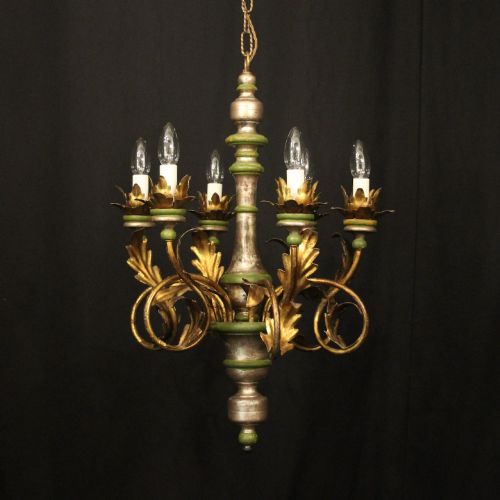
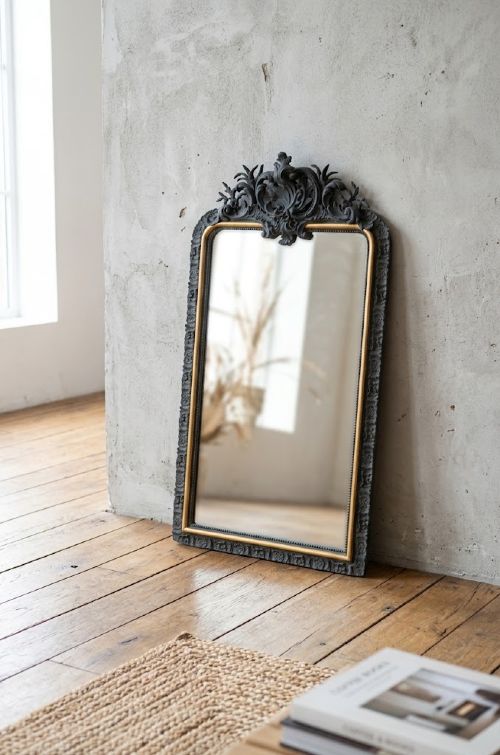
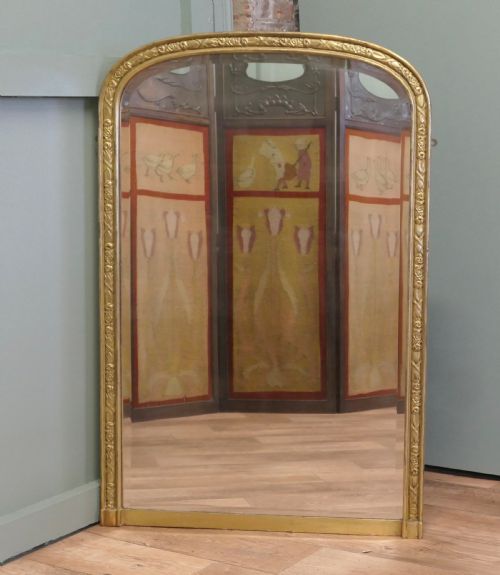
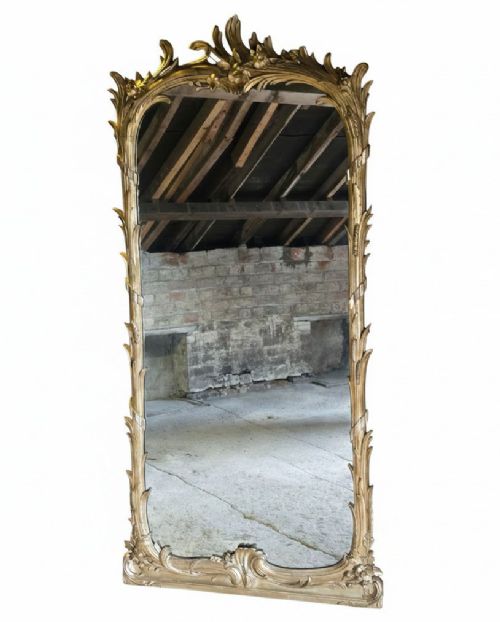
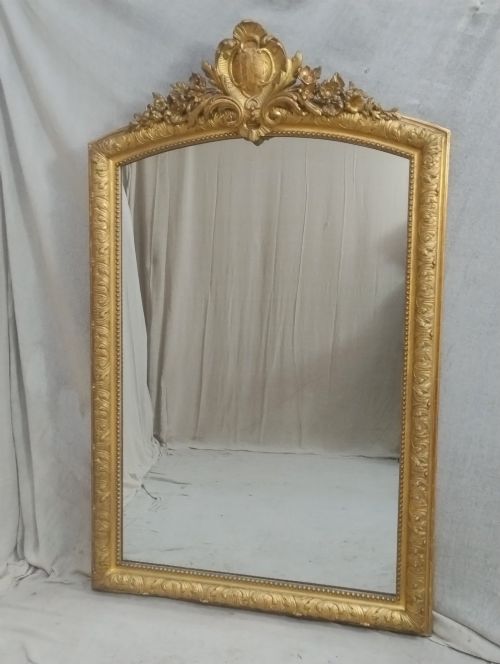
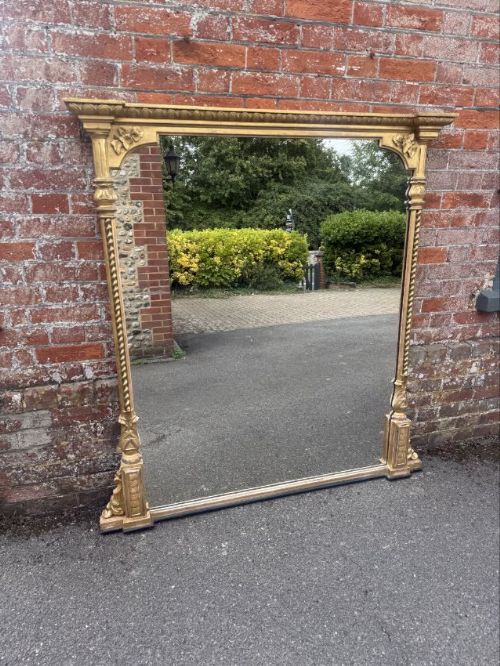
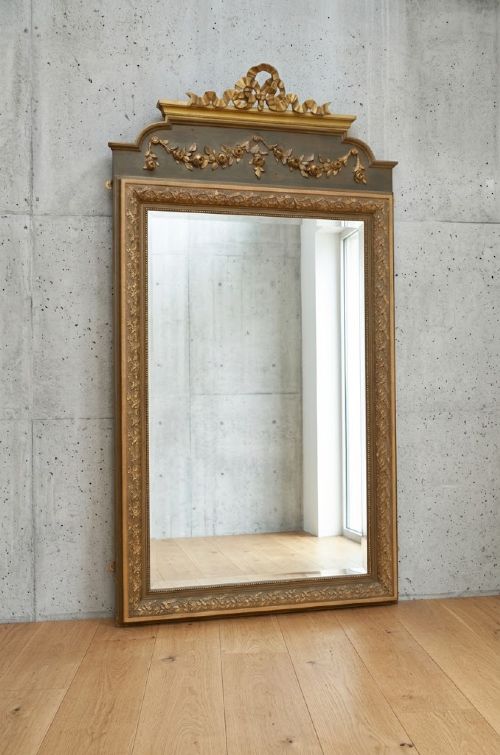
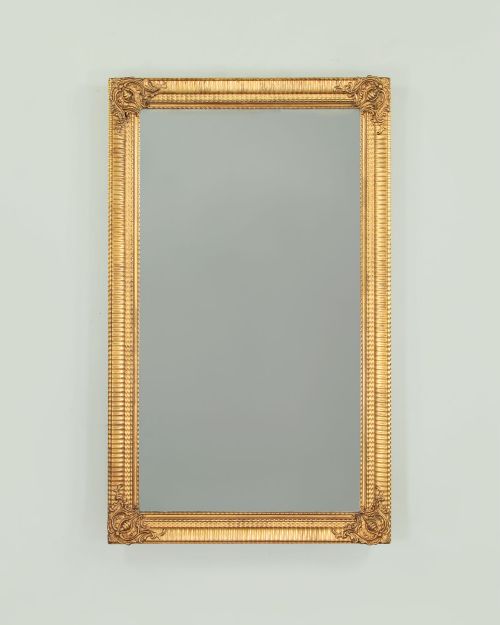
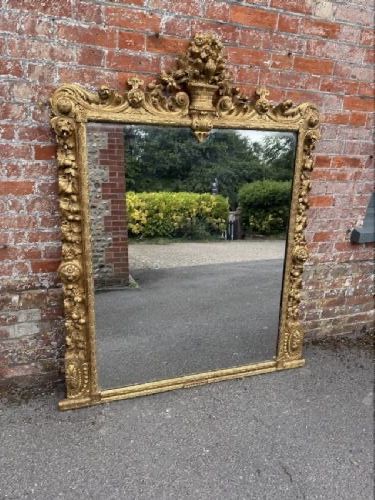
When you search for gold leaf wood carving, you encounter a selection of items primarily focused on wall mirrors, overmantels, and gilt-framed seating from the eighteenth and nineteenth centuries. These pieces reflect styles ranging from French Rococo Revival and Italian Baroque to Victorian and Louis Philippe.
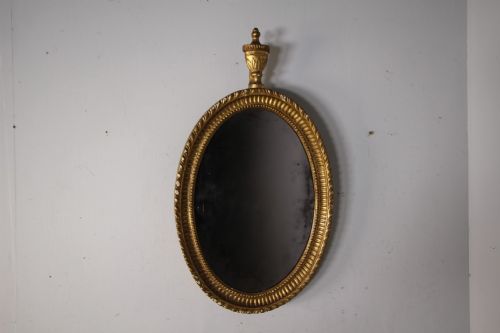
The most common formats on this page are large architectural wall mirrors and overmantels incorporating gesso and wood. Alongside these hang smaller oval mirrors, picture frames, and wall lights, complemented by occasional sofas, armchairs, and console tables.
Materials and Techniques
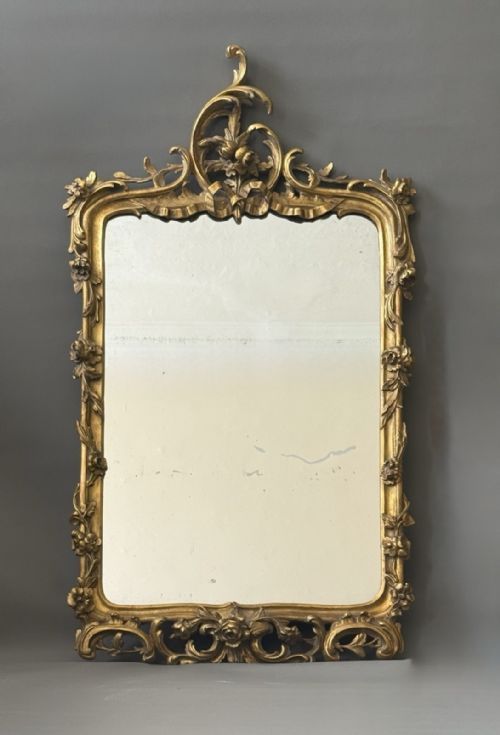
Craftsmen built the underlying structures from timbers such as mahogany, walnut, or general wood before applying layers of gesso to smooth the surface for carving. This plaster preparation allowed artisans to define crisp details like acanthus leaves, rope twists, and floral motifs.
The application of gold leaf or fine gilding finished the process, adhering the delicate metallic sheets over the prepared wood. Many surviving examples also incorporate mirror glass, antique plates, or marble tops.
Materials documented across the page include giltwood, gesso, painted wood, mirror glass, marble, and mahogany.
Distinguishing Quality
Quality rests in the depth and sharpness of the carved wooden ornament beneath the metallic surface. Skilled execution yields crisp relief work on acanthus leaves and mythological carvings rather than soft, indistinct contours.
The preparation of the gesso layer directly influences how well the gold leaf catches the light. Superior examples display harmonious proportions and intact gilding that reflects careful period craftsmanship.
The Gold Leaf Wood Carving Glossary
- Giltwood
- Wood that has been coated with gold leaf or a gold-coloured finish. This material defines the primary aesthetic of the mirrors and console tables listed here.
- Gesso
- A plaster-like mixture applied to wood to create a smooth surface for carving and gilding. It allows artisans to shape intricate relief details before applying gold leaf.
- Overmantel Mirror
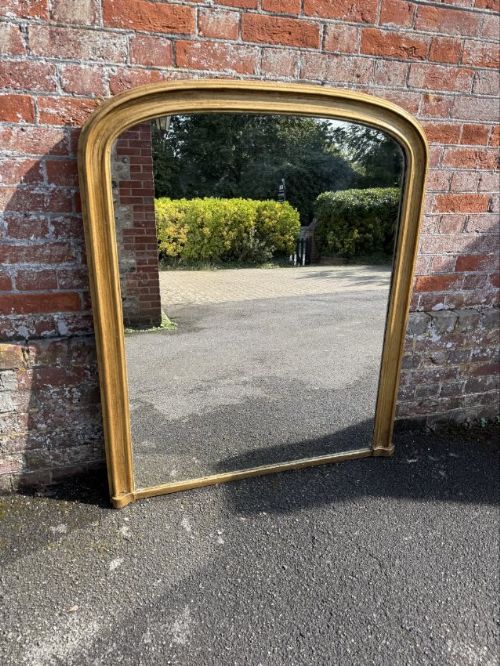
- A large mirror designed to hang above a fireplace mantel. These pieces frequently feature arched or shaped tops suited to nineteenth-century interiors.
- Parcel Gilt
- Woodwork where only specific carved elements or raised portions are gilded, leaving the underlying timber exposed. This technique highlights particular decorative motifs.
- Mercury Glass
- An antique glass type often featuring foxing and mottled dark spots behind the plate. It appears in eighteenth-century French mirrors.
Gold Leaf Wood Carving: Frequently Asked Questions
What periods do these carved pieces come from?
The listings span from the eighteenth century through the Victorian era and into the early twentieth century. Pieces from the 18th century often display Italian Baroque or French Rococo characteristics, while the 19th century brings substantial Victorian and Louis Philippe designs.
Later items stretch into the Belle Époque and the early 1930s. Each period introduces distinct framing styles and carving depths to the inventory.
How were large overmantel mirrors used originally?
Large overmantel mirrors were positioned directly above drawing room fireplaces to reflect candlelight and natural illumination around the interior space. Their grand scale helped anchor the room's decorative scheme.
Their substantial proportions also served to create an illusion of greater depth and height in period reception rooms.
How do I care for gold leaf wood carving?
Maintain these pieces by dusting gently with a dry, soft cloth or a clean feather duster. Avoid using commercial cleaning liquids, water, or abrasive cloths that can damage the delicate metallic surface.
Keep the items away from direct sunlight and excessive humidity to preserve both the timber substrate and the historic gilding.
How do I distinguish French styles from Victorian pieces?
French pieces on this page frequently exhibit Rococo Revival, Louis Philippe, or Empire characteristics such as ribbon crests, mythological carvings, and painted accents. Victorian items tend to feature robust timber frames with acanthus leaf decoration, rope twists, and deep gesso mouldings.
Examining the underlying construction and specific decorative vocabulary helps clarify the origin of each piece.