


Gold Leaf Table
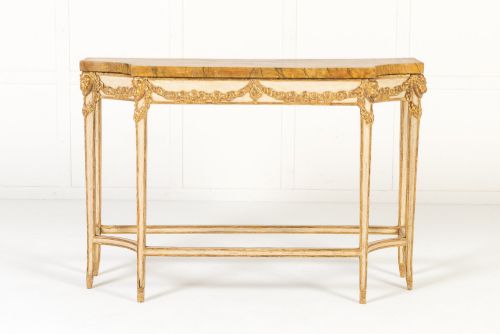
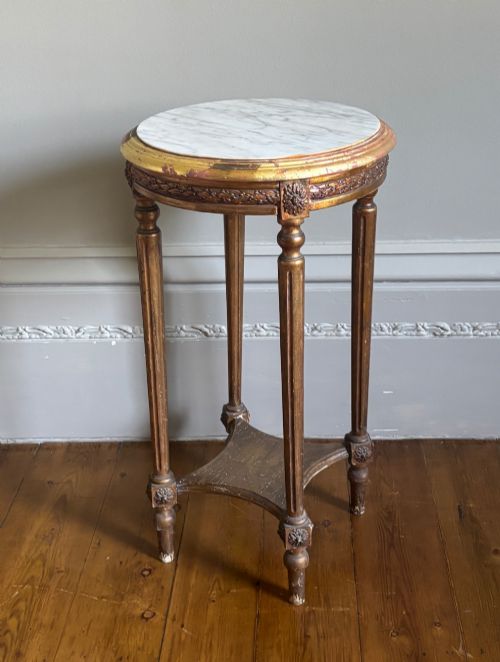
These gold leaf table pieces bring a distinct historic presence to a room, ranging from Italian console tables to small lamp tables.
Gold Leaf Table
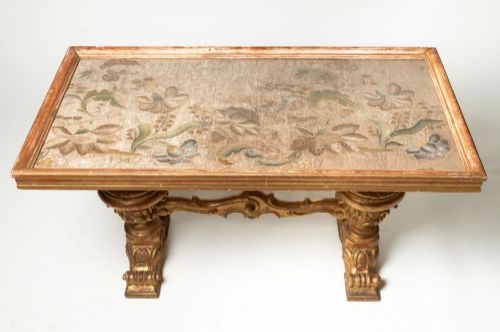
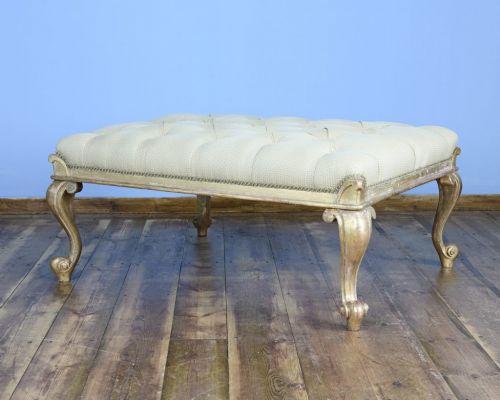
A gold leaf table search surfaces a variety of forms, with console tables and side tables appearing most frequently alongside smaller items like lamp tables and coffee tables. These pieces span several centuries, drawing heavily on Italian Baroque, French Rococo, and Neoclassical styles.
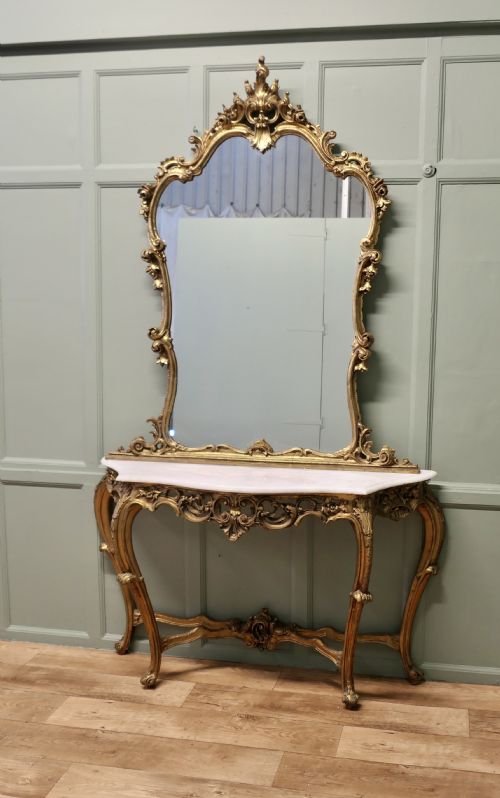
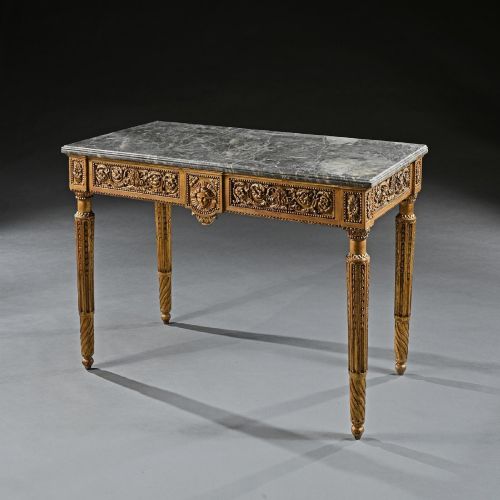
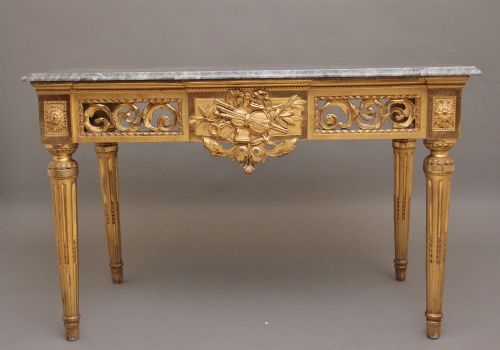
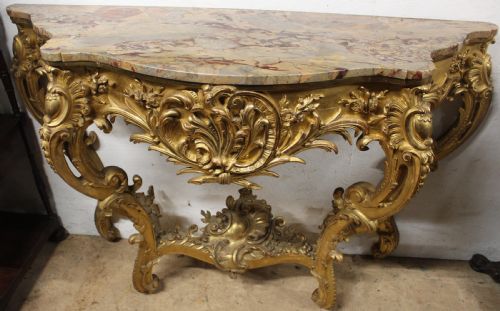
Italian console tables with carved wooden frames and marble tops form a central part of the selection, often dating to the eighteenth or nineteenth centuries. Alongside these, buyers find occasional tables, occasional lamp tables, and occasional variants finished in giltwood or gold paint.
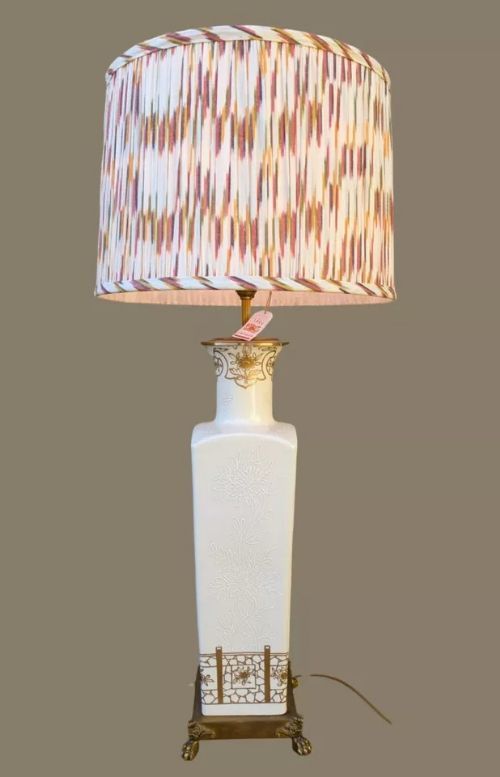
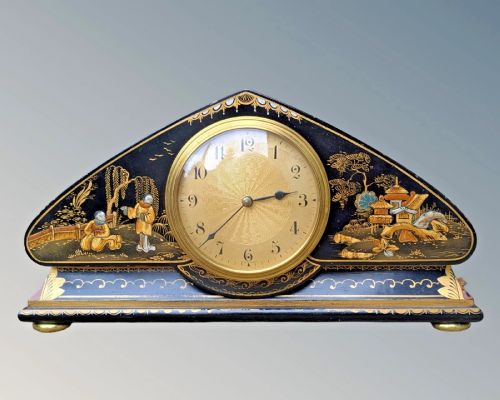
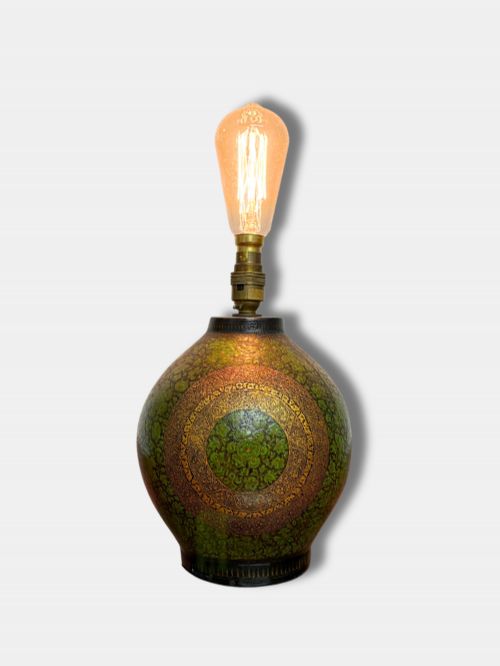
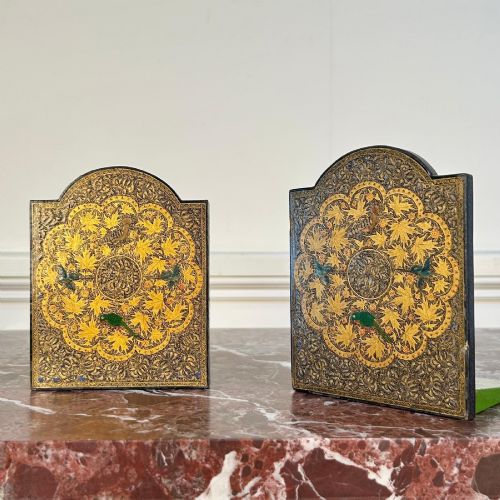
The material palette extends beyond standard wooden frames to incorporate diverse origins and decorative traditions, including Chinoiserie and Kashmiri pieces from the early twentieth century. These domestic and decorative items share a common metallic or gilded surface finish.
What varies in quality
The depth and intricacy of the hand-carving define the upper tier of sculptural frames, where botanical motifs and structural details retain crisp edges beneath the gilding. Lesser examples rely on simplified mouldings with less defined ornamental depth.
The integrity of the original gesso and gold leaf surface dictates the visual weight of a piece, with undisturbed historic gilding holding greater character than later painted overhauls or heavy restoration.
Gold Leaf Table Retail Price Guide 2026
Typical asking prices for gold leaf table among the pieces listed under this phrase on Sellingantiques today, from the lower quarter to the upper quarter. They describe what is for sale here now, not the wider market.
Listings feature items spanning from the seventeenth century through to the twentieth century, incorporating Giltwood, Marble, and Gesso.
Pierre Philippe Thomire·St Louis glassworks
The Gold Leaf Table Glossary
- Giltwood
- Wood that has been coated with thin sheets of gold leaf over a prepared gesso ground. This technique creates a luminous, reflective surface characteristic of formal European furniture.
- Console table
- A wall-mounted or freestanding table designed to stand against a vertical surface, frequently topped with marble. These pieces often feature elaborate carved legs and front skirts.
- Gesso
- A plaster-like mixture applied to wood substrates to create a smooth surface for gilding or painting. It holds fine sculptural detail before the gold leaf is laid down.
- Chinoiserie
- European decorative style reflecting Chinese artistic influences, popular in furniture and decorative objects. It often employs lacquered surfaces and painted gilt motifs.
- Rococo
- An ornate design style characterised by asymmetry, scrollwork, and naturalistic plant motifs. It heavily influenced eighteenth-century console tables and mirrors.
Gold Leaf Table: Frequently Asked Questions
Where should I place a console table?
Console tables suit entrance halls, reception rooms, and dining spaces where floor space is relatively narrow. They function well against flat walls beneath large mirrors or paintings.
Because many examples feature delicate carved legs and marble tops, they benefit from stable positioning away from heavy household traffic.
How do I care for giltwood furniture?
Giltwood surfaces require gentle dusting with a soft, dry cloth to prevent the accumulation of grit. Moisture and chemical cleaners should be avoided entirely to protect the delicate gold leaf layer.
Environmental stability is essential, as fluctuations in humidity can cause the underlying gesso and wood to expand or contract.
What is the difference between giltwood and gold paint?
Giltwood involves the application of wafer-thin beaten gold leaf sheets onto a prepared gesso ground. This method produces a deep, warm metallic lustre that ages with distinct character.
Gold paint uses suspended metallic particles in a liquid medium, resulting in a flatter and more uniform appearance without the depth of traditional leaf.
Are marble tops original to these tables?
Many eighteenth and nineteenth-century console tables retain their original fitted marble slabs, which provide a heavy, durable working surface. Some pieces feature coloured marble inserts or polished green stone.
Inspecting the underside of the top often reveals the historic fit and edge profiling characteristic of the period of manufacture.