
Gold Leaf Framed Picture
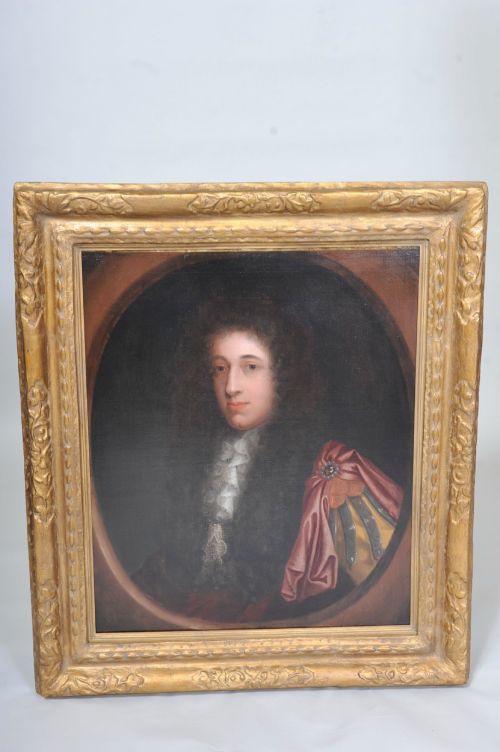
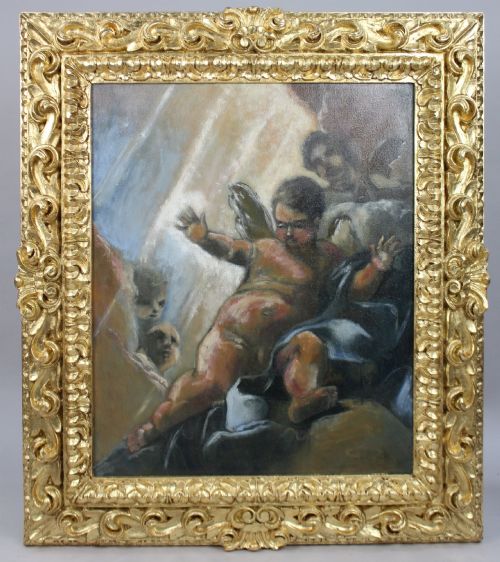
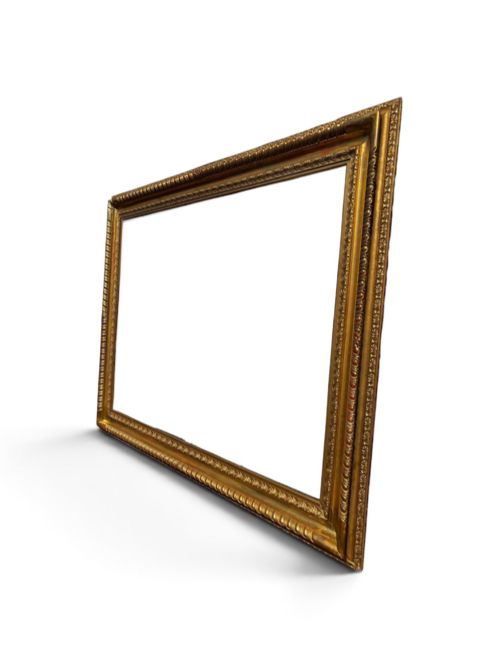
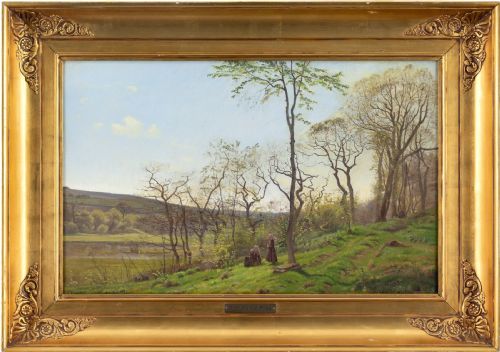
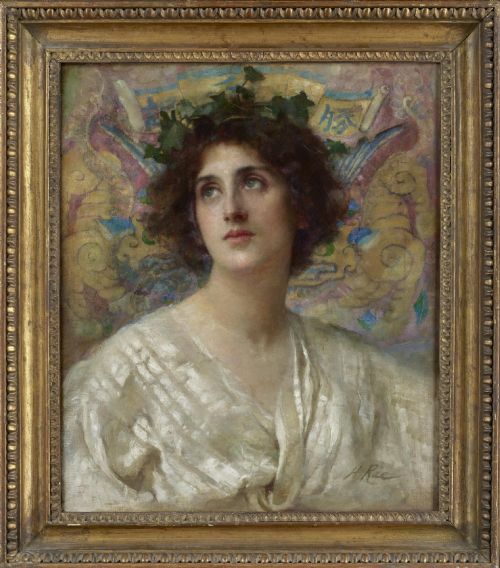
A gold leaf framed picture carries the weight of centuries, presenting oil paintings, watercolours, and engravings enclosed in gleaming metallic surrounds.
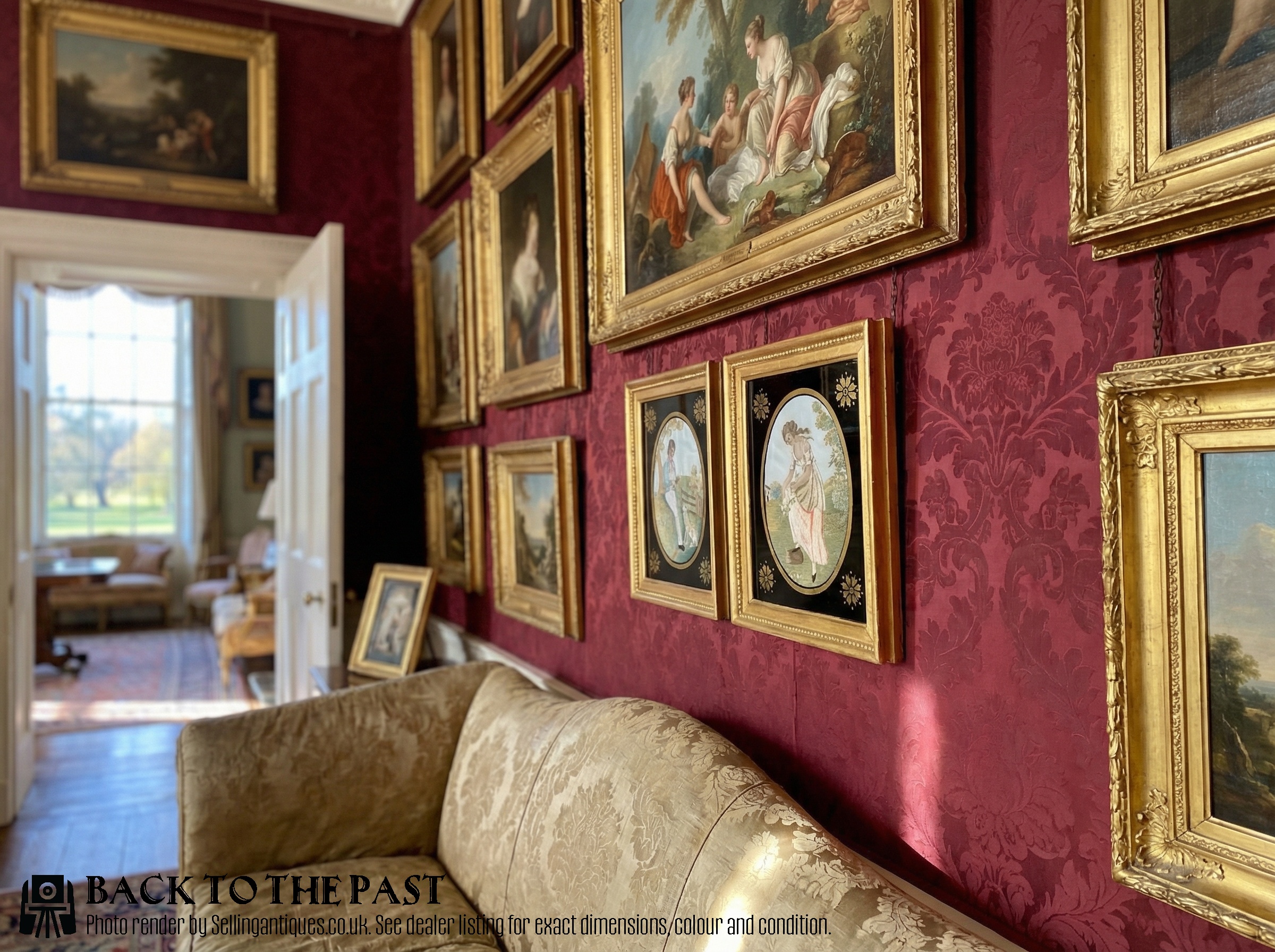
Gold Leaf Framed Picture
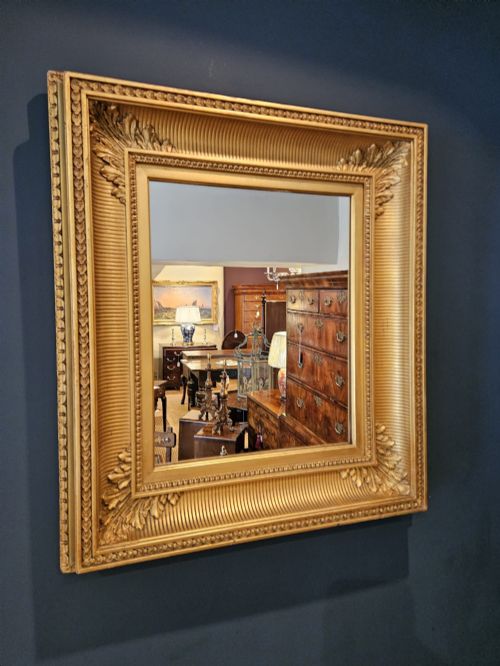
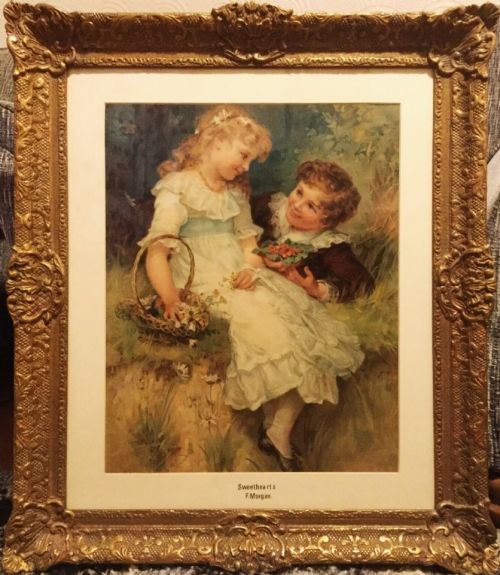
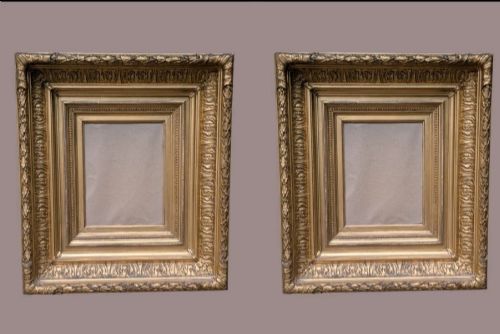
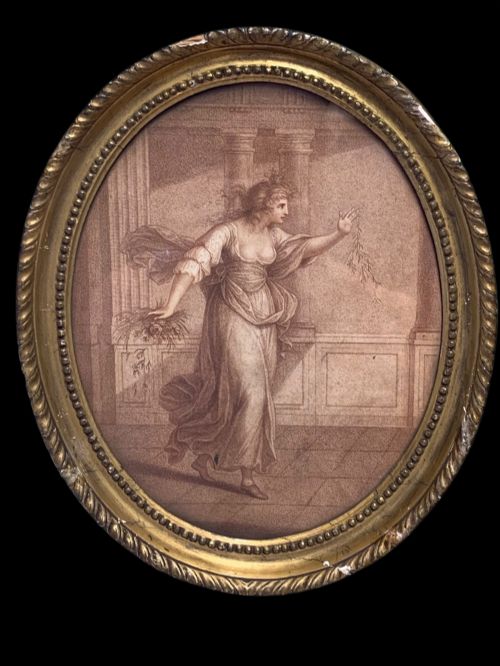
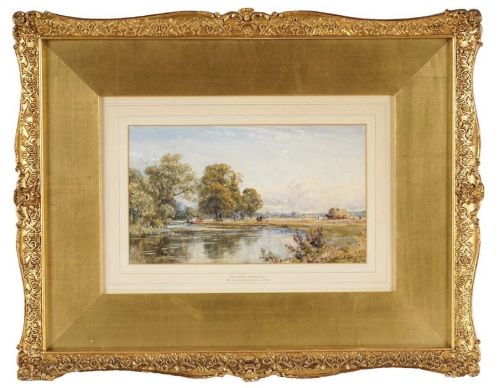
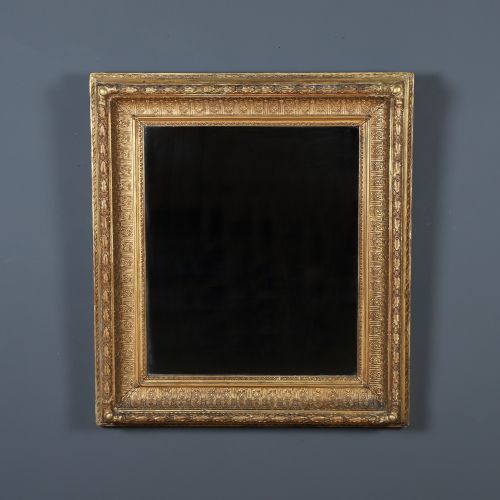
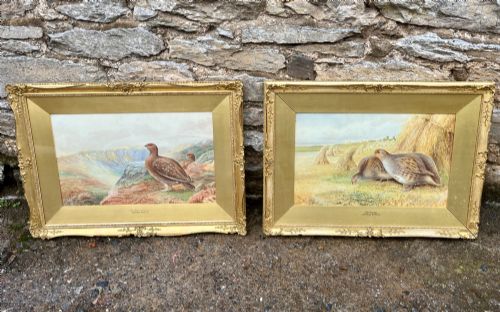
When you search for a gold leaf framed picture, you encounter a diverse collection of works spanning the eighteenth, nineteenth, and early twentieth centuries. These listings comprise oil paintings, watercolours, stipple engravings, and mirrors housed within elaborate decorative surrounds.
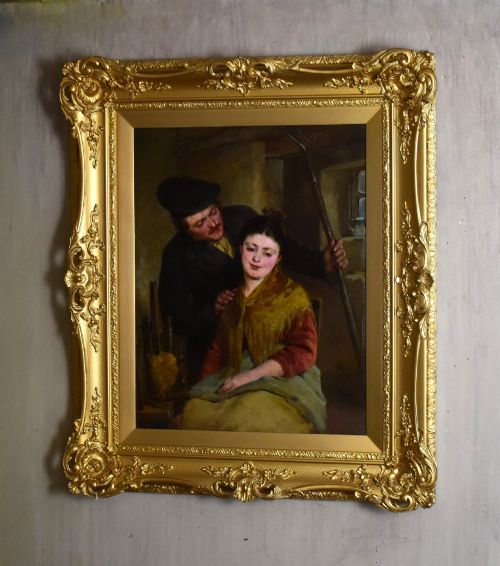
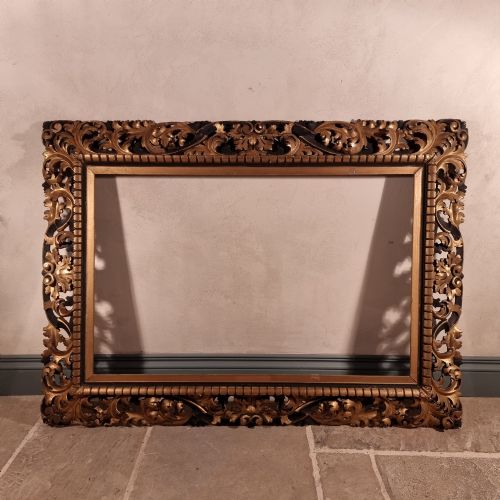
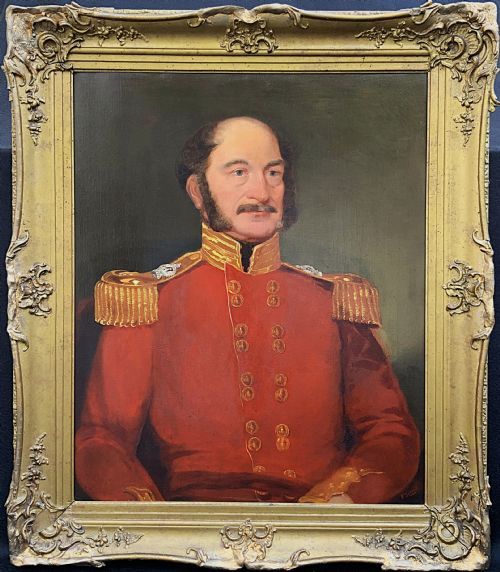
The most frequent items on this page are nineteenth-century oil paintings and mirrors set within ornamented surrounds. You will also discover Victorian portraits, landscape watercolours, and deep Florentine mouldings holding historical canvases.
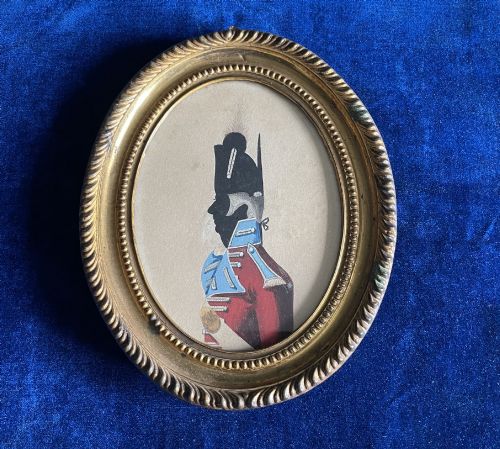
Periods represented stretch from the seventeenth century through to the Edwardian era, with Victorian examples appearing most regularly. The subjects range from military portraits and Scottish highland cattle to genre scenes and botanical studies.
How they were made
Makers constructed the structural foundations of these objects using timber, applying layers of gesso to build up intricate relief patterns before gilding. Artisans then laid delicate sheets of gold leaf over the prepared surfaces to achieve a luminous metallic finish.
Artworks housed within these surrounds utilise traditional media such as oil on canvas, oil on panel, watercolour, and pastel on paper. Glazing often protects works on paper, while oil paintings frequently display linen slips between the canvas and the moulded timber frame.
Gold Leaf Framed Picture Retail Price Guide 2026
Typical asking prices for gold leaf framed picture among the pieces listed under this phrase on Sellingantiques today, from the lower quarter to the upper quarter. They describe what is for sale here now, not the wider market.
Scottish highland cattle gaze out from several nineteenth-century canvases, faithfully watching over Victorian drawing rooms from within their gilded surrounds.
What varies in quality
The depth and intricacy of the moulding separate standard surrounds from exceptional examples. Deeper profiles featuring hand-carved acanthus leaves or elaborate rococo revival motifs demand greater craftsmanship than simple flat sections.
The preservation of the original gilt surface dictates the desirability of each piece. Surviving gilding that retains its original burnished lustre without heavy overpainting represents superior craftsmanship from historical workshops.
Frederick Morgans·Howard Helmick·Harald Foss·Henrietta Rae·George Rankin·Renato Moretti·Herman S Melville·Benjamin Eugene Fichel·Charles William Wyllie·Henry Robinson Hall·Alfred George Morgan·William Etty·Thomas Sidney Cooper·Charles Burton Barber
The Gold Leaf Framed Picture Glossary
- Giltwood
- Timber covered with a thin layer of gold leaf. This material forms the primary structure of many antique picture frames and wall mirrors.
- Gesso
- A plaster mixture applied to wood frames to create a smooth base for carving or gilding. Artisans model this substance into relief decorations such as flowers and scrolls.
- Stipple engraving
- A printmaking technique using dots to create tonal gradations rather than continuous lines. These works often appear in eighteenth-century portraiture.
- Linen slip
- A fabric-covered inner border placed between a painting and its outer frame. This textile element provides a neutral transition that separates the canvas from the gilt moulding.
- Rococo revival
- A nineteenth-century design style characterised by asymmetrical scrollwork, floral motifs, and shell shapes. Frames in this taste exhibit exuberant, curving ornamentation.
Gold Leaf Framed Picture: Frequently Asked Questions
How do I clean a gold leaf frame?
Dust the surface gently with a soft, dry brush to remove particles without disturbing the delicate metallic leaf. Avoid water, solvents, and modern cleaning sprays entirely, as moisture strips historical gilding.
Keep the piece away from direct sunlight and damp environments to preserve the underlying gesso and wood. Professional conservators should handle any structural repairs or major surface consolidation.
Are the frames original to the paintings?
Many nineteenth-century paintings remain housed in their contemporaneous surrounds, having stayed together since creation. Dealers often identify whether a pairing is original by examining the fit and historical wear patterns.
Replacement surrounds from matching periods frequently house older canvases. This practice has continued for centuries to protect and present historical artworks appropriately.
How do I date a gilt picture frame?
Examine the timber species, construction joints, and the composition of the gesso layer beneath the gold leaf. Nineteenth-century examples often utilise heavier plaster ornamentation and machine-sawn backing woods.
Stylistic indicators such as Victorian acanthus carving or rococo revival scrolls help narrow the decade of manufacture. Comparing the corner mitres and tool marks provides further clues to the workshop origin.
Can these heavy frames hang safely?
Large nineteenth-century giltwood frames carry substantial weight due to dense timber and thick gesso applications. Secure the piece directly into wall studs using appropriate masonry or timber fixings.
Install heavy-duty picture wire or steel D-rings rated well beyond the actual weight of the artwork. Professional installation ensures the security of large wall mirrors and oversized oil paintings.