



Gold Leaf Cabinet
These gold leaf cabinet pieces bring gilded porcelain and carved wood into your interior from Georgian, Victorian, and later periods.
Gold Leaf Cabinet
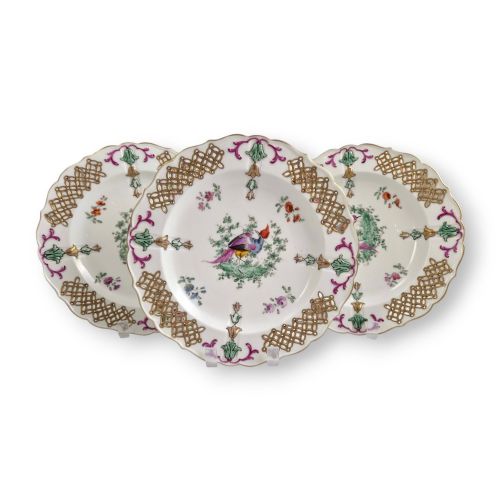
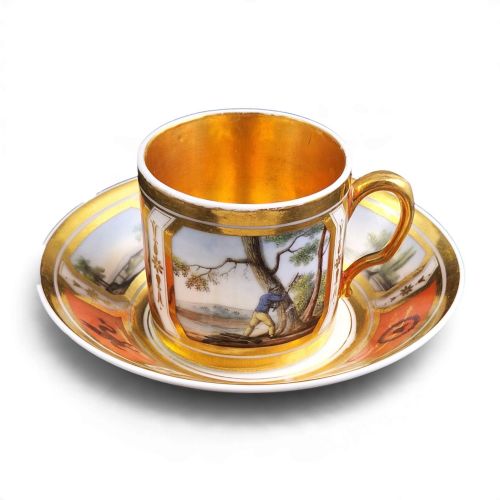
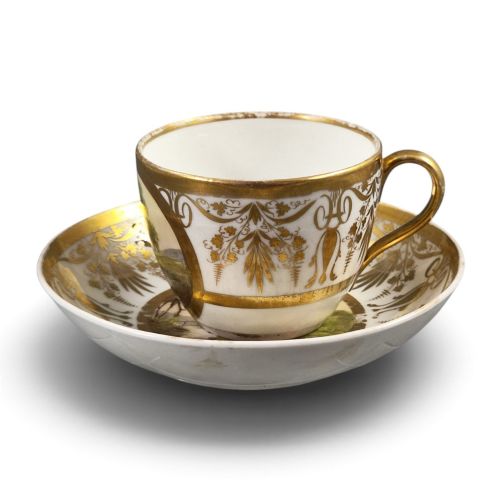
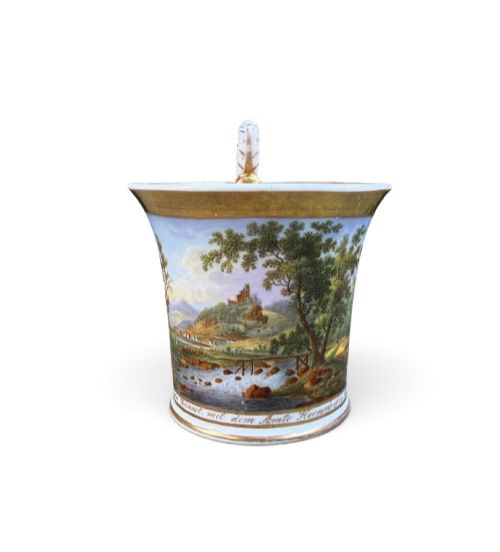
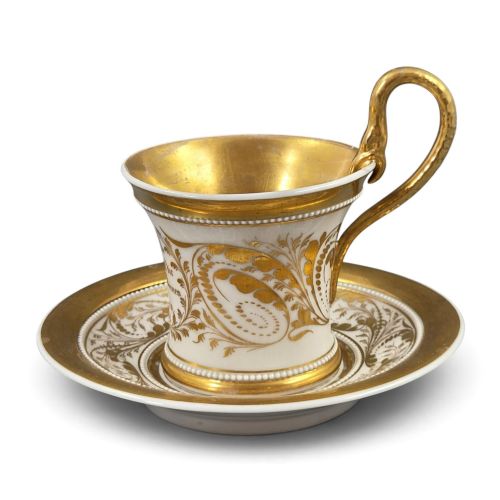
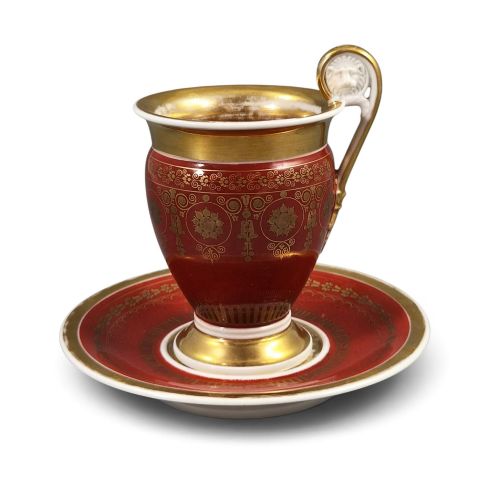
When you search for a gold leaf cabinet, you encounter two distinct forms across this inventory: display furniture finished in giltwood or gold leaf, and porcelain cabinet plates or cups meant for display rather than daily service.
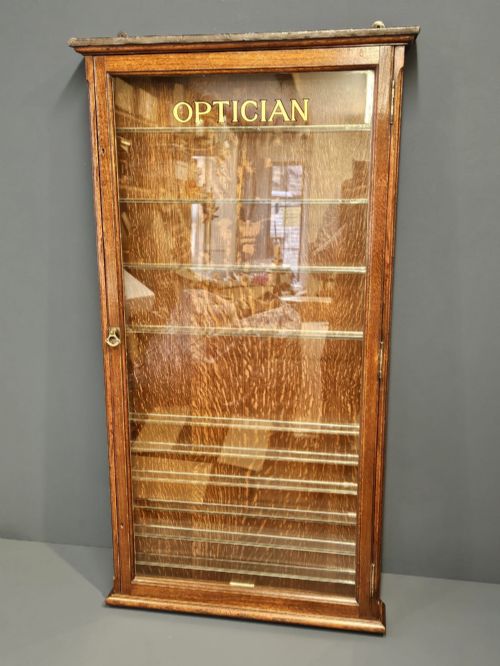
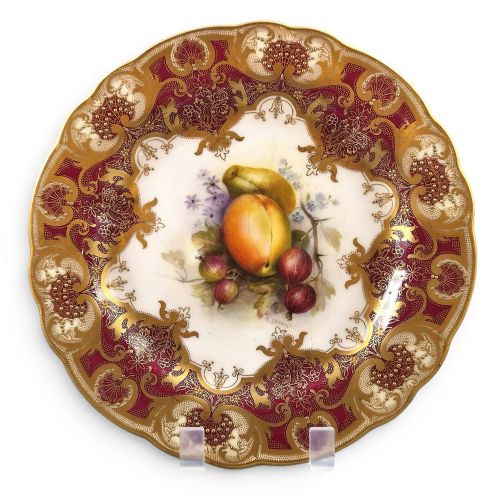
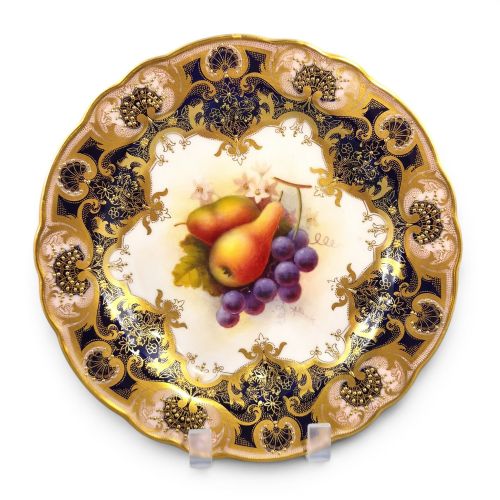
The porcelain pieces dominate the selection, ranging from Georgian cups and saucers to Edwardian fruit plates painted by named artists. Furniture examples include carved giltwood display cabinets and shop display cases featuring surface gilding.
Pieces span the nineteenth and early twentieth centuries, encompassing styles from Rococo Revival and Neoclassical to Biedermeier and Art Deco.
Materials and construction methods
Ceramic pieces utilise hard-paste porcelain, bone china, and enamel, decorated with hand-painted landscapes, botanical studies, and mythological scenes.
Furniture relies on carved wood substrates finished with gold leaf, gilding, or giltwood, alongside wood varieties such as burr walnut.
Surface ornamentation on porcelain frequently incorporates raised gilt accents, pairing finely ground gold leaf with intricate brushwork.
Gold Leaf Cabinet Retail Price Guide 2026
Typical asking prices for gold leaf cabinet among the pieces listed under this phrase on Sellingantiques today, from the lower quarter to the upper quarter. They describe what is for sale here now, not the wider market.
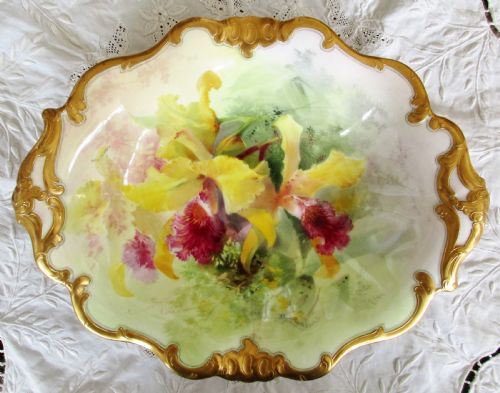
Subjects range from delicate orchids and Bacchus with Ariadne to the specific birth of Adonis.
Distinctions in quality and execution
Quality rests upon the precision of the hand-painted decoration, where signed works by notable artists command greater attention than standard transfer-printed or generic floral designs.
The application of gold leaf and gilding dictates the visual weight of each piece, distinguishing finely burnished surfaces from worn or flat metallic finishes.
In furniture and display cases, the crispness of the carved giltwood details and the structural integrity of the glazed panels define the standard of manufacture.
KPM Berlin·Royal Worcester·Royal Doulton·Royal Vienna·Minton
The Gold Leaf Cabinet Glossary
- Cabinet plate
- A decorative ceramic plate intended for display in a cabinet rather than for dining use. These often feature elaborate hand-painted scenes and gilt borders.
- Giltwood
- Timber, typically carved wood, treated with gold leaf or gold paint to simulate solid gold. It appears frequently on frames and display furniture from the nineteenth century.
- Hard-paste porcelain
- A durable ceramic material fired at high temperatures, composed of kaolin and petuntse. European factories such as KPM and Vienna utilised this paste for fine cabinet cups.
- Pate-sur-pate
- A ceramic decoration technique where liquid porcelain clay is built up in successive layers to create a low relief cameo effect. Minton utilised this method on decorative plates.
- Demitasse
- A small cup used for serving strong black coffee. Many nineteenth-century examples survive as cabinet pieces due to their delicate scale and painted panels.
Gold Leaf Cabinet: Frequently Asked Questions
How do I identify porcelain periods?
Identifying the period involves examining the factory marks stamped or painted on the underside, alongside the artistic style and colour palette. Georgian and early nineteenth-century pieces often display hand-written factory script and neoclassical motifs.
Later Victorian and Edwardian examples shift toward naturalistic fruit and floral painting executed by signed artists.
Where were giltwood cabinets placed?
Giltwood display furniture and shelves were designed for principal reception rooms to exhibit collections of porcelain, glass, or small antiquities. Their reflective gilded surfaces enhanced the gaslight or daylight of grand nineteenth-century interiors.
They served both as functional storage and as decorative statements.
How do I care for gilded porcelain?
Gilded porcelain requires gentle maintenance using a dry or barely damp soft cloth to preserve the delicate gold leaf and hand-painted enamel surfaces. Avoid harsh chemical cleaners or abrasive materials that can wear down the metallic highlights.
Display items safely within enclosed cabinets to protect them from dust and accidental impact.