


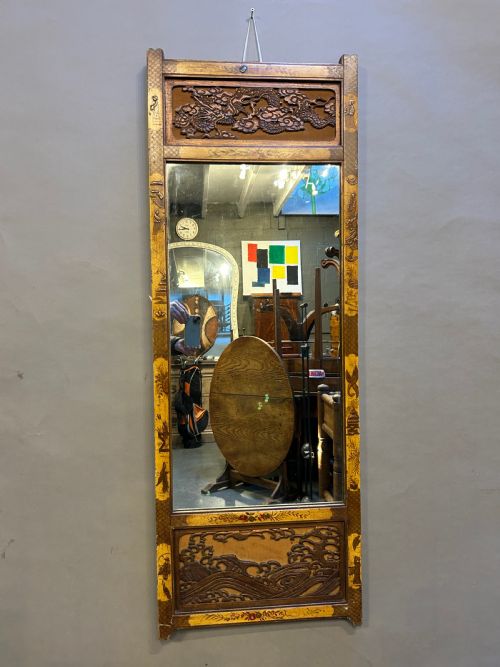


Gold Lacquer Mirror
A gold lacquer mirror brings instant warmth and depth to a room through layered motifs and rich finishes.
Gold Lacquer Mirror
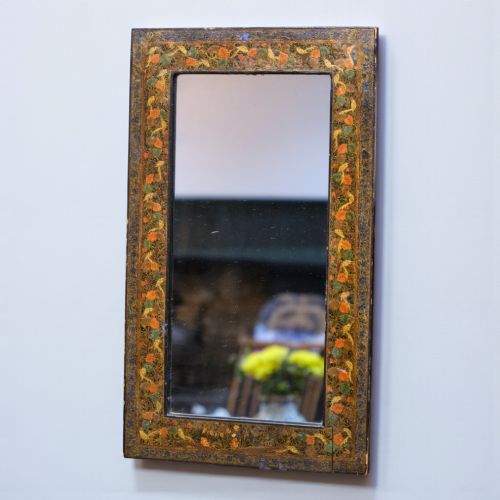
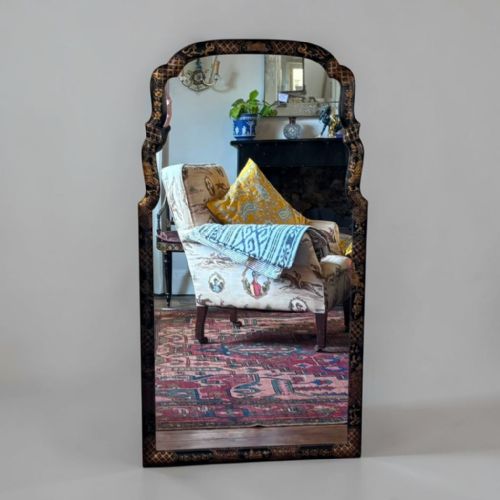
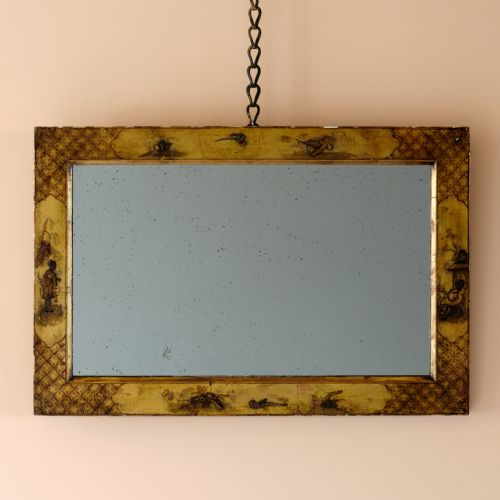
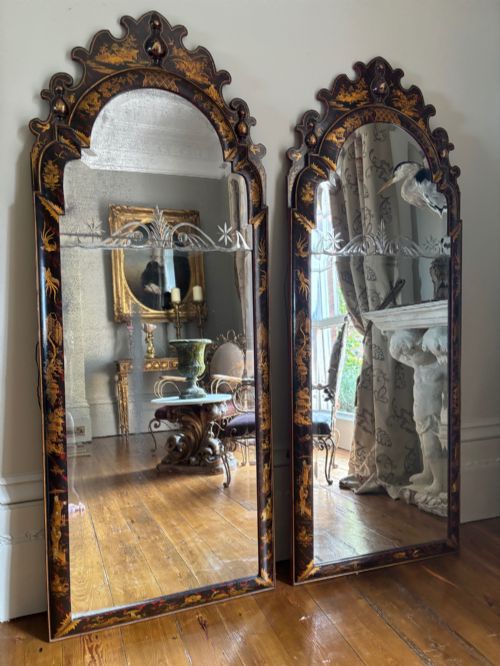
When you search for a gold lacquer mirror, you encounter decorative looking glasses defined by orientalist ornamentation and lustrous finishes. The selection here spans wall mirrors, table mirrors, and console tables with integrated glass.
You are most likely to meet pieces dating from the nineteenth and twentieth centuries, particularly works executed in the Chinoiserie taste or Kashmiri styles. These items range from compact dressing table pieces to large oval wall mirrors designed for prominent placement.
The aesthetic leans heavily on historical revivals, with Georgian, Queen Anne, and George II styles appearing frequently. Makers utilised ebonised wood, scarlet grounds, and black lacquer as backgrounds for intricate gilded detailing.
Materials and construction methods
Makers constructed these frames from solid timber substrates, frequently employing wood or ebonised wood as a foundation for the finishing layers. Artisans applied successive coats of lacquer to achieve a smooth, durable base before introducing decorative elements.
Decoration relied on gold leaf and giltwood applications to create contrasting metallic highlights against dark or coloured lacquer grounds. The reflective surfaces consist of traditional glass plates fitted securely within the carved and lacquered wooden housings.
Several mirrors include scarlet grounds, proving that eighteenth-century decorators understood the dramatic power of a bright red frame.
Distinctions in quality and execution
The standard of a gold lacquer mirror rests largely on the depth and complexity of the surface decoration. Finer examples display meticulous hand-painted details and carefully applied gold leaf that catches the light evenly across the frame.
Structural integrity also separates standard pieces from superior works, particularly in the joinery of the wooden frames and the preservation of the original lacquered surface. Pieces retaining their initial finish without heavy restoration command greater appreciation from collectors.
The Gold Lacquer Mirror Glossary
- Chinoiserie
- European decorative style reflecting Chinese artistic influences, commonly featuring figures, landscapes, and pavilions rendered in gold upon a dark lacquer ground. This aesthetic dominated many eighteenth-century interiors and experienced several Victorian and Edwardian revivals.
- Japanning
- European imitation of Japanese and Chinese lacquerwork involving layers of varnish heat-cured and polished. Artisans often applied raised metallic decoration to create textured surfaces on furniture and mirror frames.
- Ebonised wood
- Timber treated with chemical stains or black pigment to imitate ebony. This dark finish provided a high-contrast background for gilt ornamentation.
- Pier mirror
- A tall looking glass designed specifically to hang on the wall space between windows. These pieces often sat above matching console tables.
- Giltwood
- Wood that has been prepared and coated with thin sheets of gold leaf or gold powder. It forms the shimmering highlights characteristic of many antique frames.
Gold Lacquer Mirror: Frequently Asked Questions
How do I date a Chinoiserie mirror?
Dating relies on examining the construction methods of the wooden frame, the composition of the glass plate, and the characteristics of the lacquer. Earlier pieces often show hand-beveled glass and distinct joinery typical of the eighteenth and nineteenth centuries.
Stylistic cues also help narrow the period. Victorian and Edwardian revivals frequently incorporate machine-sawn timber and brighter modern gilding compared to genuine earlier examples.
Where should I hang a wall mirror?
These mirrors work effectively above mantlepieces, in hallways, or paired with console tables to reflect natural light and create a sense of space. Their decorative frames function as focal points in a room.
Ensure the wall fixings match the weight of the wooden frame. Secure hanging hardware distributes the load safely across the structure.
Are these mirrors fragile?
While the wooden frames and lacquer finishes are durable, they require careful handling to avoid chipping the delicate surface decorations. Sudden impacts can damage both the gilt details and the underlying wood.
Clean the glass gently using a soft cloth and avoid spraying liquids directly onto the lacquered frame. Moisture can seep into aged finishes and cause deterioration.
What is the difference between lacquer and japanning?
Traditional lacquer uses the sap of the lacquer tree native to Asia, applied in numerous thin coats. Japanning is the European adaptation developed to mimic this finish using resin-based varnishes and heat curing.
Both techniques produce a glossy, hard-wearing surface suitable for intricate gold decoration. Visual inspection under magnification often reveals the distinct material properties of each method.