




Decorative Hand Painted Mirror
A decorative hand painted mirror brings colour and painted charm to a room, offering surface detail that plain glass simply lacks.
Decorative Hand Painted Mirror
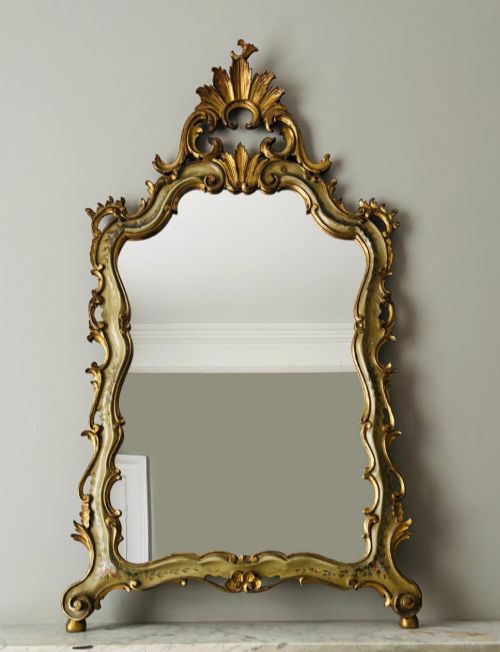
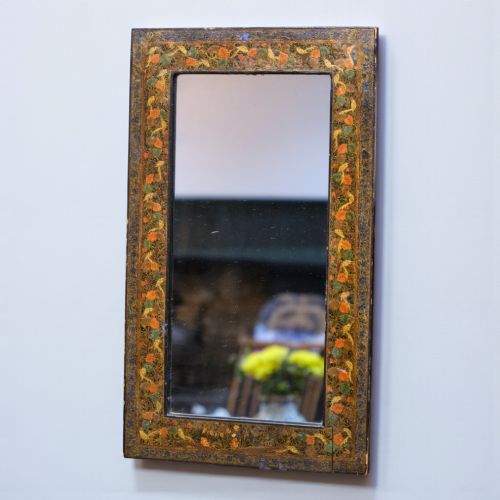
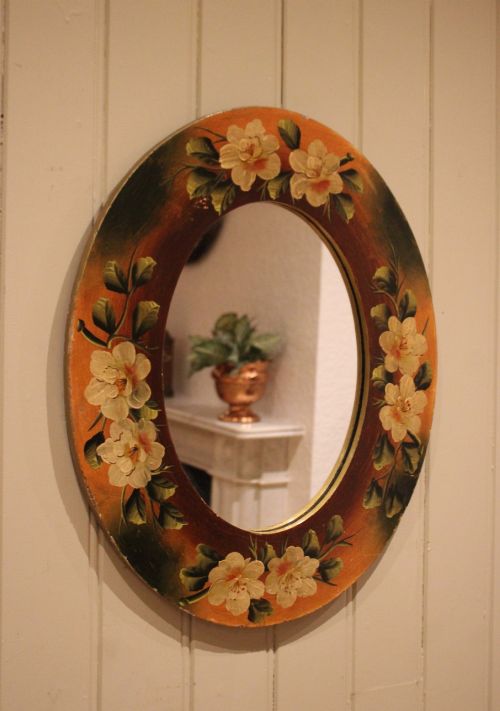
When you search for a decorative hand painted mirror, you are looking at wall pieces, pier glasses, and overmantel mirrors adorned with pigment and design. These items originate from periods spanning the nineteenth century up through nineteen twenty, alongside pieces dated around nineteen hundred.
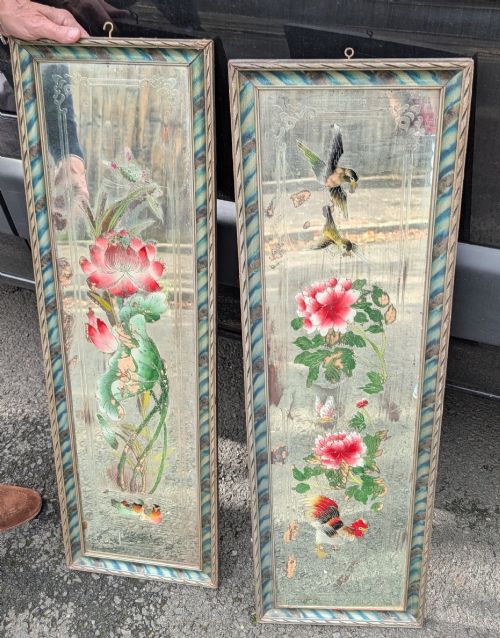
You are most likely to meet wall mirrors and pier glasses bearing painted wood, gilt, or gesso frames, often featuring floral motifs, silk inserts, or reverse painted glass. Styles range from Chinoiserie and Italian Rococo to Victorian and Aesthetic Movement designs.
Console tables with mirrors and gypsy mirrors also appear within the selection, showing how makers combined functional glass with applied artistry. Each piece offers a distinct visual character shaped by its particular period and regional style.
How they were made
Wood serves as the foundational material for these frames, which makers then prepared with gesso before applying paint, gilt, or gold leaf. Artisans utilised hand painting directly onto wood panels, silk inserts, and mirror glass to achieve intricate decorative surfaces.
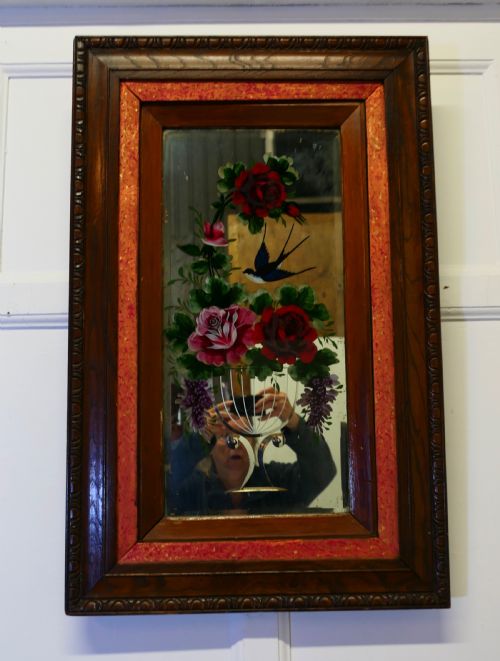
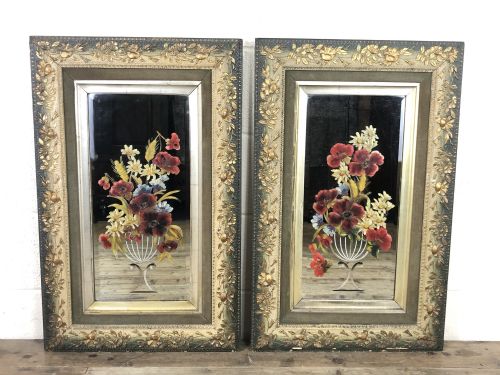
Techniques such as reverse painting and etching appear on specific Victorian pieces, creating depth and fine detail behind the glass. Gilding frames with gold leaf added rich contrast to the painted floral and foliate motifs.
One Victorian mirror comes complete with roses painted in reverse, proving that flowers refuse to wilt when trapped behind glass.
What varies in quality
The sophistication of the painted design largely separates the top of the range from simpler work, with finer brushwork and detailed foliate panels commanding attention. The application of gold leaf and the crispness of gesso moulding also indicate the level of craftsmanship involved.
The preservation of original painted surfaces and gilded details dictates the overall integrity of the piece. Integrated elements such as reverse painted glass or silk panels show varying degrees of preservation that influence the visual impact.
The Decorative Hand Painted Mirror Glossary
- Pier glass
- A tall mirror designed to hang on the pier or wall space between windows. These tall glasses often feature ornate painted or gilded wood frames.
- Overmantel mirror
- A large mirror intended to sit directly above a fireplace mantel. Such pieces frequently display decorative painting and elaborate framing styles.
- Gesso
- A plaster-like mixture applied to wood frames to create a smooth surface for gilding or painting. Artisans moulded this material into raised decorative reliefs before finishing.
- Chinoiserie
- A European artistic style reflecting Chinese motifs and decorative techniques. This aesthetic appears frequently on painted wooden frames and panels.
- Reverse painting
- A technique where an artist applies pigment directly to the back of the glass to be viewed from the front. This method creates a glossy, protected finish.
Decorative Hand Painted Mirror: Frequently Asked Questions
Where should I hang a decorative hand painted mirror?
These mirrors suit spaces where reflected light can illuminate their painted details, such as living room walls or above console tables.
Placing them strategically also enhances the sense of space in smaller rooms while showcasing the frame's artwork.
How do I clean a painted mirror frame?
Dust the painted wood gently with a soft, dry cloth to prevent any abrasion to the pigments or gilt surfaces.
Avoid using liquid cleaners or harsh chemicals near the painted areas to preserve the historic finish.
What is a gypsy mirror?
A gypsy mirror typically refers to a decorative wall hanging piece produced around the early twentieth century. These items often feature painted or fabric-backed frames with a distinct folk art charm.
They bring a softer, more informal aesthetic compared to formal gilt pier glasses.
How can I tell a Victorian painted mirror apart?
Victorian examples often incorporate specific decorative techniques like reverse painting, etching, or distinct floral motifs such as roses. The framing materials and stylistic cues also point toward nineteenth-century manufacturing methods.
Examining the backboards and glass helps confirm the period of origin.