

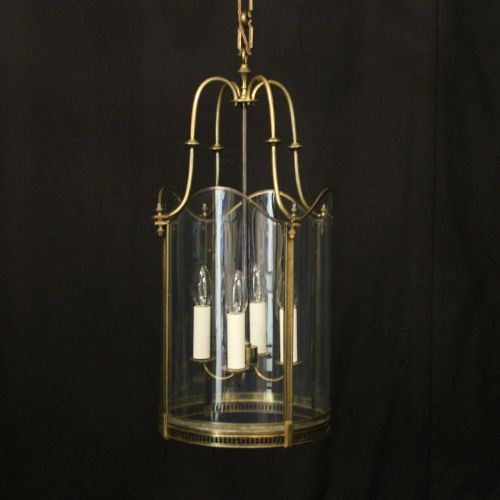
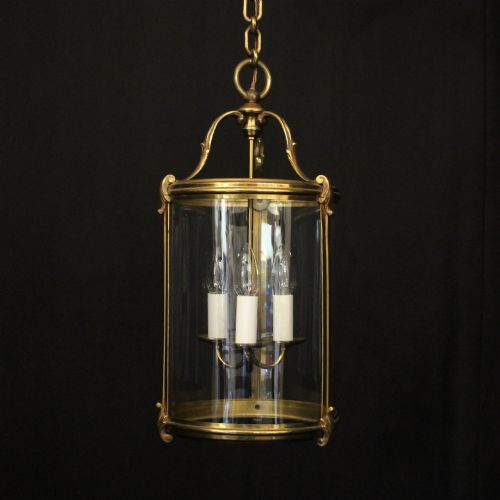
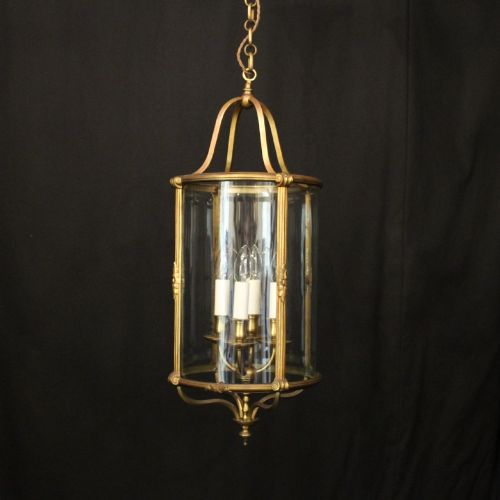
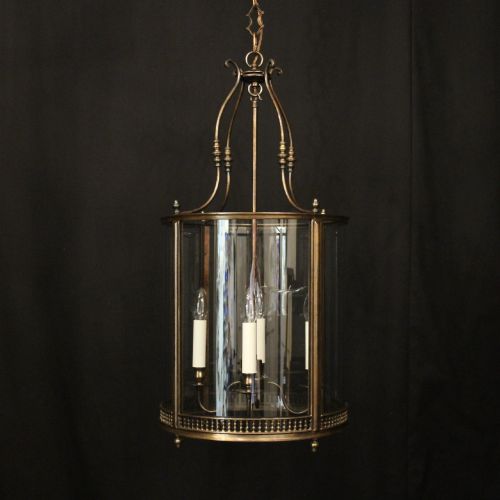
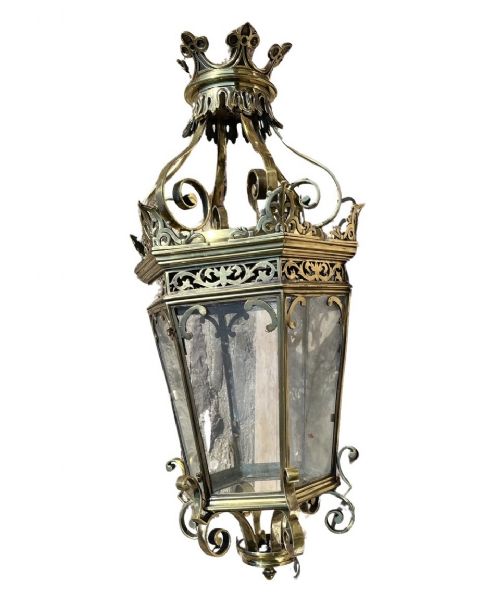
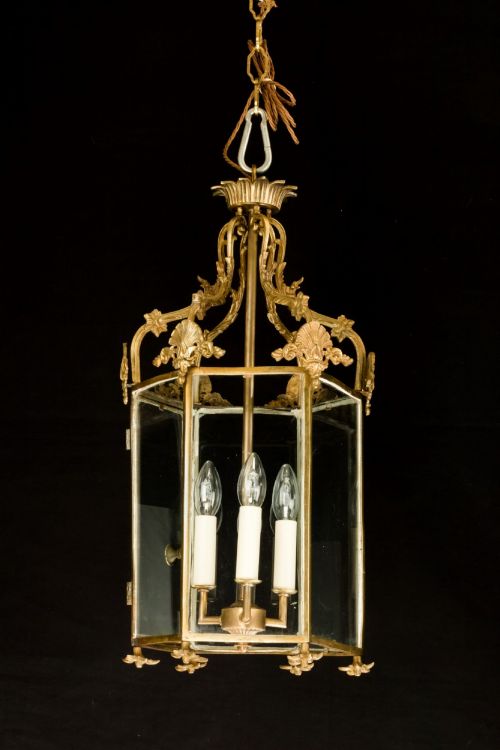
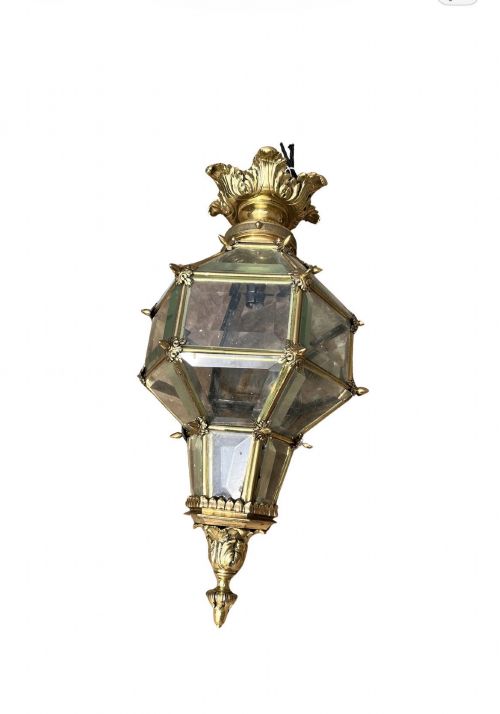
Gold Glass Lantern
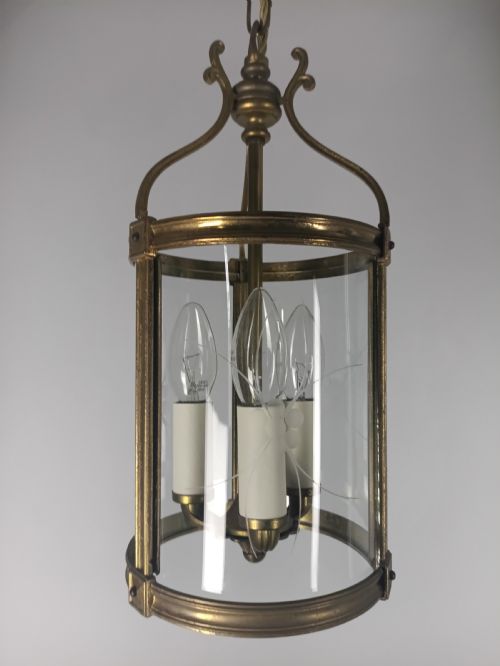
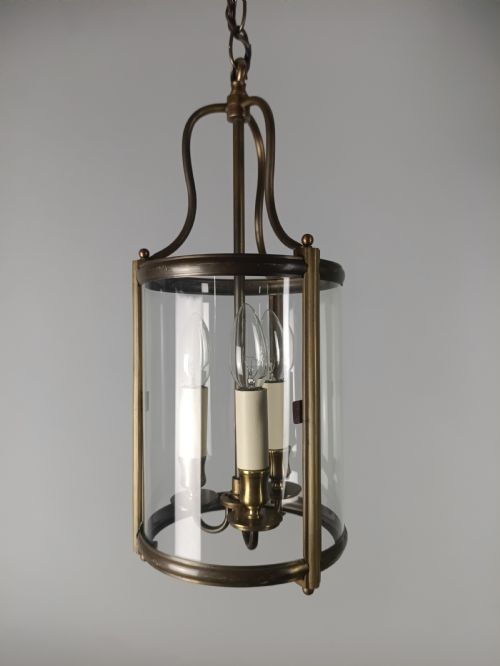
A gold glass lantern brings a warm, gilded glow to an entrance hall, combining brass frames with clear panels.
Gold Glass Lantern
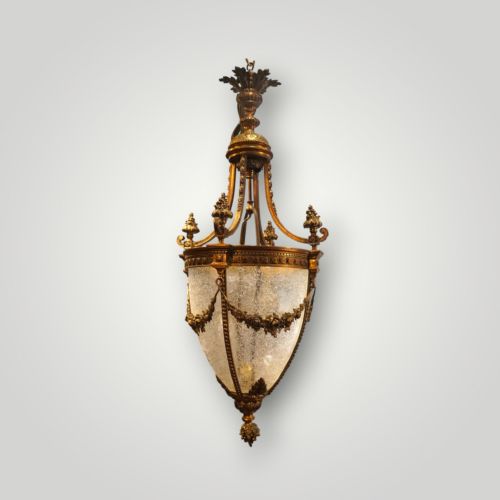
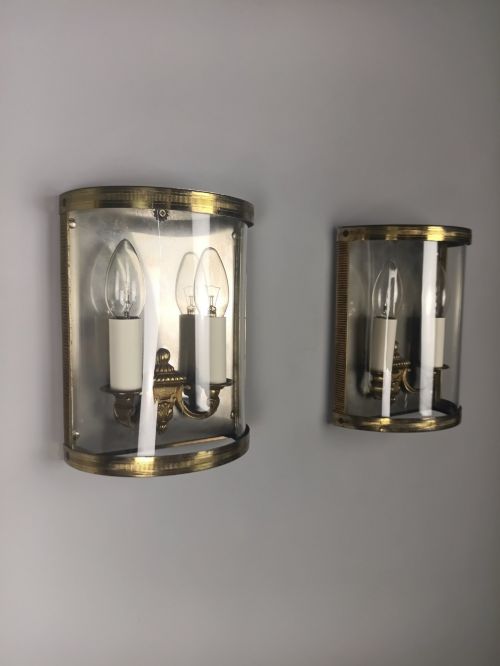
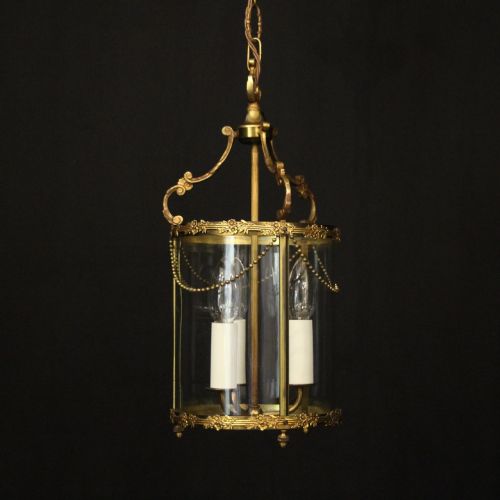
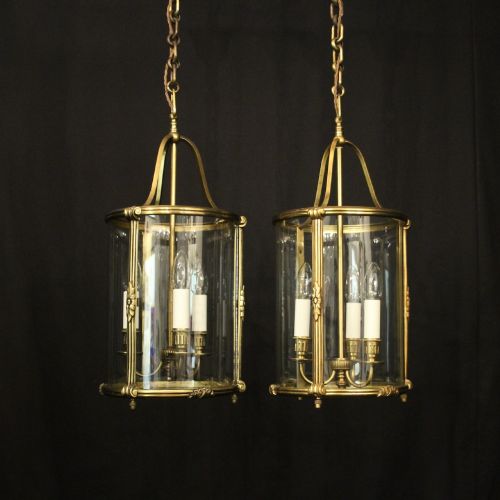
A gold glass lantern serves primarily as ceiling lighting or a wall light for entrance halls, utilising metal frameworks to secure glass panels. When searching for a gold glass lantern, buyers encounter numerous French examples alongside English pieces, typically dating from the nineteenth and early twentieth centuries. These fixtures range from single light hall lanterns to multi-light hanging pendants and half lanterns designed for walls.
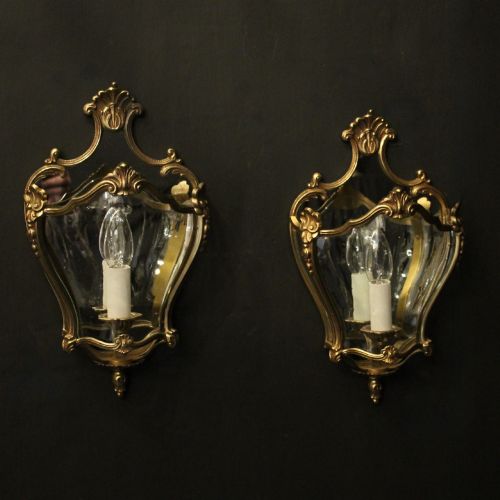
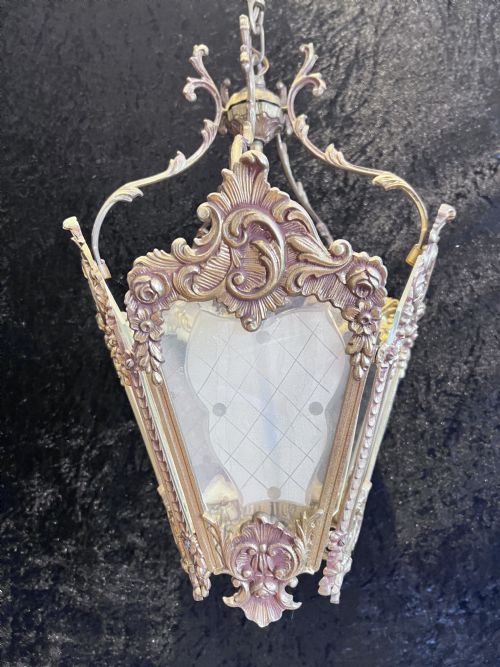
The prevalent forms on this page include convex hall lanterns, hexagonal brass designs, and multi-light fixtures framed in gilt bronze or brass. Styles lean heavily towards French Rococo, Neoclassical, and Chateau aesthetics, alongside Edwardian and Victorian iterations. Many pieces incorporate decorative doors, etched glass, or bevelled panes to enhance the distribution of light within a space.
How they were made
Constructors utilised brass, bronze, and gilt or gilded bronze to build the structural frames of these lanterns, often applying a gold-coloured finish to the metalwork. Glass components took various forms, including plain panes, bevelled glass, frosted glass, opaline glass, and etched surfaces held securely within the metal armature.
Lighting configurations evolved from single burners or candles to electrified setups accommodating multiple lights, triple lights, or four-light arrangements. Workshops shaped metal into hexagonal geometries, convex curves, and Rococo scrollwork, occasionally incorporating doors for interior access.
Listings feature brass and gilt bronze materials alongside frosted, bevelled, and etched glass panels across various periods.
What varies in quality
The refinement of the cast bronze or brass metalwork dictates the visual impact of the frame, where finely chased foliage and crisp architectural details distinguish superior examples from simpler industrial production. Weight and substance in the metal components also signal higher grade manufacturing.
The treatment of the glass elevates a piece, particularly when bevelled edges catch the light or when surfaces feature delicate etching rather than plain sheets. The integrity of the gilding and the harmony between the metal frame and the glass panels complete the assessment of excellence.
Perry And Co
The Gold Glass Lantern Glossary
- Convex glass
- Curved glass panels that bulge outward, designed to disperse light more widely across a hallway.
- Bevelled glass
- Glass panes with angled edges ground and polished to catch and refract light.
- Gilt bronze
- Bronze metal coated with a thin layer of gold, providing a durable metallic shine.
- Hall lantern
- A hanging light fixture specifically proportioned for entrance passages and corridors.
- Opaline glass
- A milky, semi-translucent glass that softens interior illumination.
Gold Glass Lantern: Frequently Asked Questions
Where should I hang a hall lantern?
These lanterns suit entrance halls, corridors, and high-ceilinged landings where hanging pendant lighting commands attention. Their glazed panels distribute light effectively in narrow or transitional spaces.
Ensure sufficient clearance beneath the fixture for walking, particularly with larger multi-light examples.
How do I identify a French style lantern?
French examples often display Neoclassical, Louis XV, or Rococo ornamentation, featuring gilt bronze frames and curved convex glass. Makers frequently incorporated elaborate cast metal foliage and distinct architectural proportions.
English variants tend toward simpler hexagonal shapes and polished brass construction.
Are these lanterns electrified?
Many period pieces have been adapted for modern electrical supplies to accommodate internal bulbs safely. Some listings specify multiple light configurations suitable for modern wiring.
Check individual details to confirm the current wiring status of each fixture.
What is a half lantern?
A half lantern is designed to mount flat against a wall rather than hang freely from a ceiling. They function as wall lights or sconces while retaining the glazed panels of a standard lantern.
Pairs of these fixtures often flank architectural entryways.