

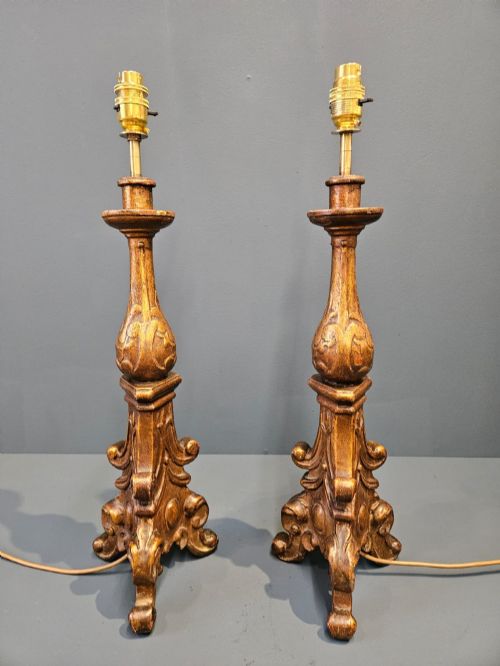


Gold Giltwood Lamp
A gold giltwood lamp brings warmth and carved detail into a room, offering a decorative light source rooted in centuries of craftsmanship.
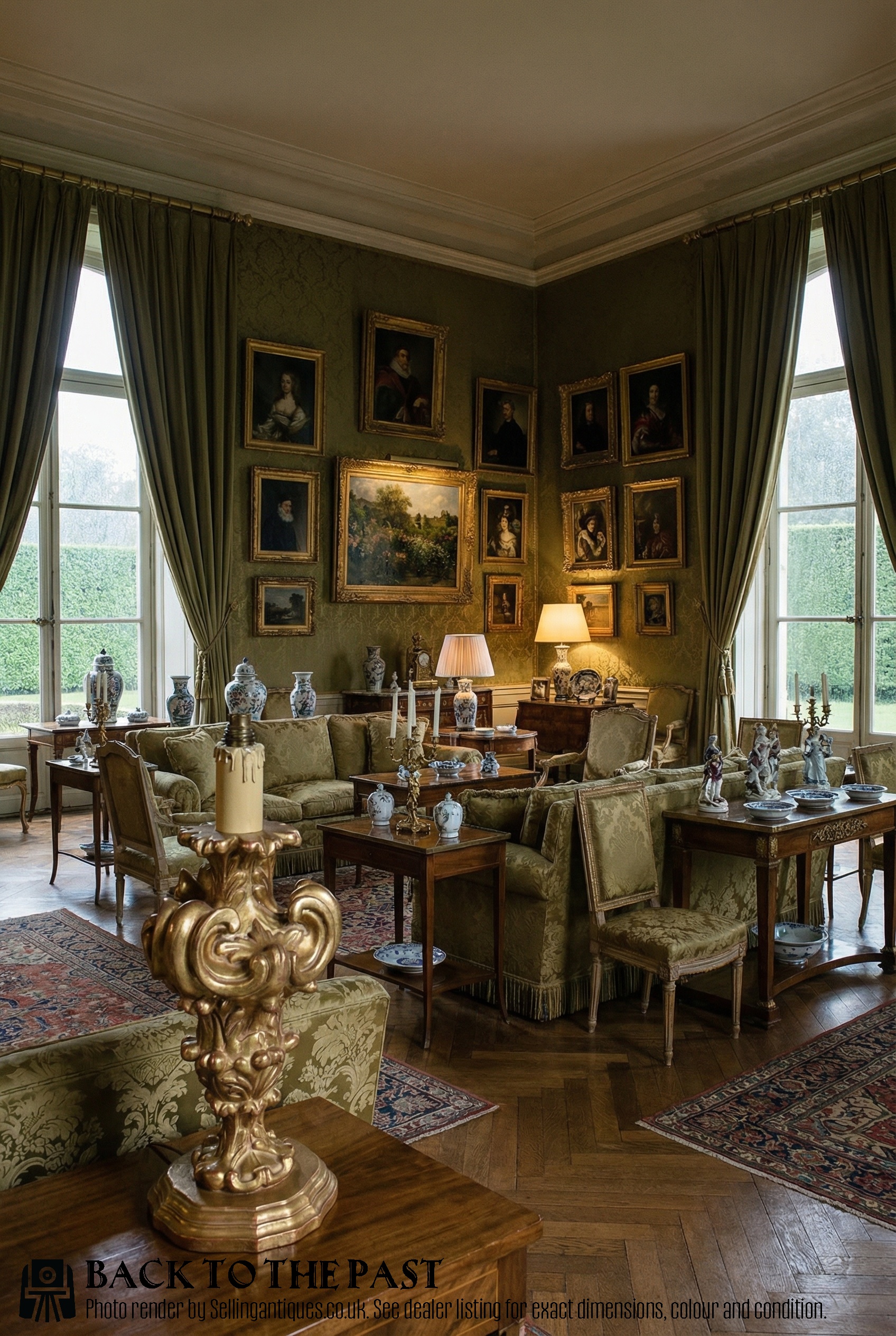
Gold Giltwood Lamp
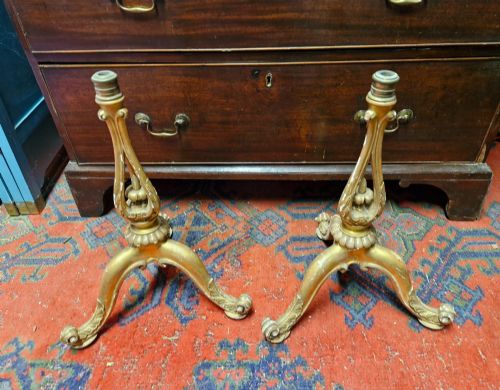
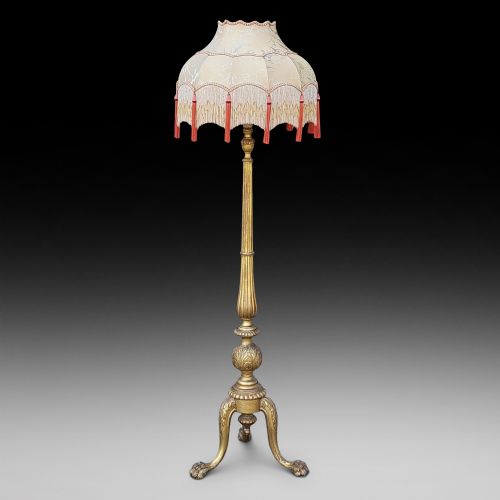
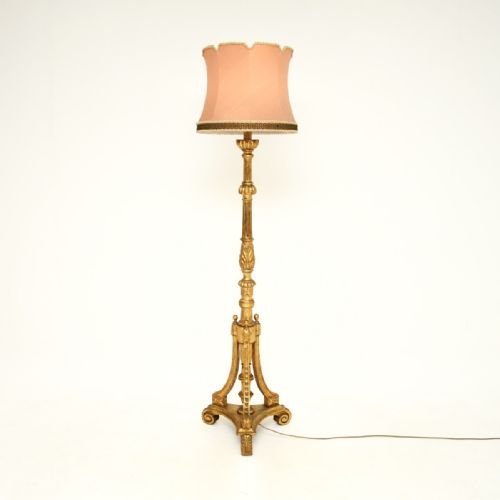
A gold giltwood lamp is a lighting fixture carved from timber and coated in fine gold leaf or gesso, creating a radiant finish that catches the light. These pieces range from substantial standard and floor lamps to smaller table lamps and converted candlesticks.
Buyers frequently encounter taller standard lamps alongside smaller table bases, often styled after Louis formats or Adam manners. Many pieces originate from conversions of earlier wooden altar candlesticks or decorative architectural elements.
Materials and construction methods
Makers carved these pieces from solid wood substrates, frequently applying a layer of gesso to smooth the surface before laying down thin sheets of gold leaf. This traditional water-gilding technique allows the burnished gold to reflect light with exceptional depth.
Structural elements occasionally incorporate secondary materials such as marble for stability or brass mounts for decorative accent. Fabric shades typically complete the ensemble, paired with wiring added during later adaptations.
Listings span the eighteenth century to the 1930s, incorporating wood, gesso, marble, and fabric elements across floor and table formats.
Assessing quality and craftsmanship
Quality rests primarily in the crispness and depth of the hand-carved wooden details beneath the gilding. Superior examples display sharply defined acanthus leaves, fluting, or scrolling motifs rather than soft, moulded contours.
The integrity of the gold leaf surface dictates visual presence, where burnished areas contrast deliberately against matte grounds. Patina accumulated over decades adds depth, distinguishing hand-finished antique surfaces from modern reproductions.
The Gold Giltwood Lamp Glossary
- Giltwood
- Timber that has been coated with gold leaf or powder over a prepared gesso base. This method provides the characteristic metallic sheen seen on period frames and lighting.
- Gesso
- A plaster-like mixture applied to wood surfaces as a smooth foundation for gilding. It allows carvers to achieve fine detail before the metal leaf is laid.
- Neoclassical
- A design style inspired by classical Greek and Roman art, popular in the eighteenth and early nineteenth centuries. It relies on symmetry, straight lines, and classical motifs such as urns and swags.
- Baroque
- An ornate European style marked by dramatic curves, rich ornamentation, and grand scale. Pieces from this tradition often feature bold, dynamic carving.
- Standard lamp
- A tall floor-standing lamp designed to illuminate a room from standing height. These fixtures often double as prominent decorative furniture pieces.
Gold Giltwood Lamp: Frequently Asked Questions
How do I date a gold giltwood lamp?
Dating relies on stylistic clues, tool marks left by carvers, and the composition of the underlying gesso and wood. Examining the base construction often reveals period-specific joinery methods.
Later adaptations, such as twentieth-century rewiring, sit alongside older structural timber. Comparing the decorative motifs against known Neoclassical or Baroque design periods helps narrow the manufacturing era.
Are these lamps converted from candlesticks?
Many older lighting pieces began life as wooden altar candlesticks or decorative pillars before receiving electrical fittings. Such conversions are standard practice for antique illumination.
These pieces retain their original hand-carved proportions while accommodating modern wiring safely. The presence of mounting holes or adapted top sections usually indicates a conversion history.
How should I clean a giltwood surface?
Giltwood requires gentle maintenance using a soft, dry brush to remove dust from carved recesses. Moisture and chemical cleaning agents can damage delicate gold leaf layers.
Avoiding abrasive cloths preserves the original burnished finish and underlying gesso. Regular, careful dusting prevents grime accumulation without disturbing the historic patina.
What interior styles suit these lamps?
These lamps complement both traditional period interiors and modern settings seeking a focal point of texture and metallic warmth. Their classical motifs bridge various historic design eras.
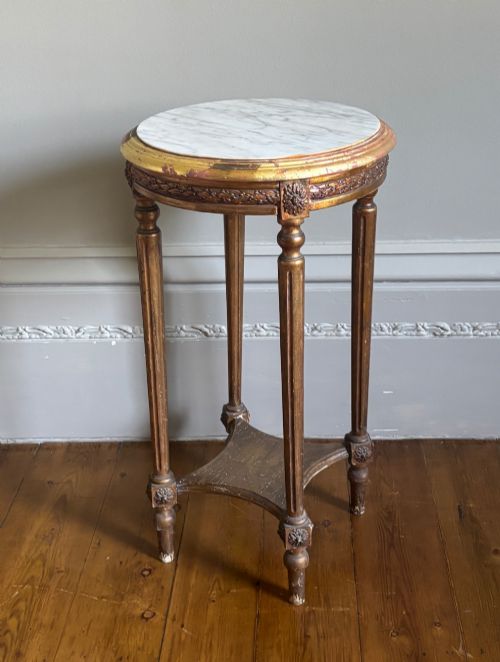
Placing a tall standard lamp beside darker wood furniture or minimalist walls creates a striking visual contrast. Table versions sit well on side tables or marble-topped surfaces.