


Vintage Gilded Lighting Base
A vintage gilded lighting base brings warmth and metallic sheen to a room, offering a decorative foundation for any interior scheme.
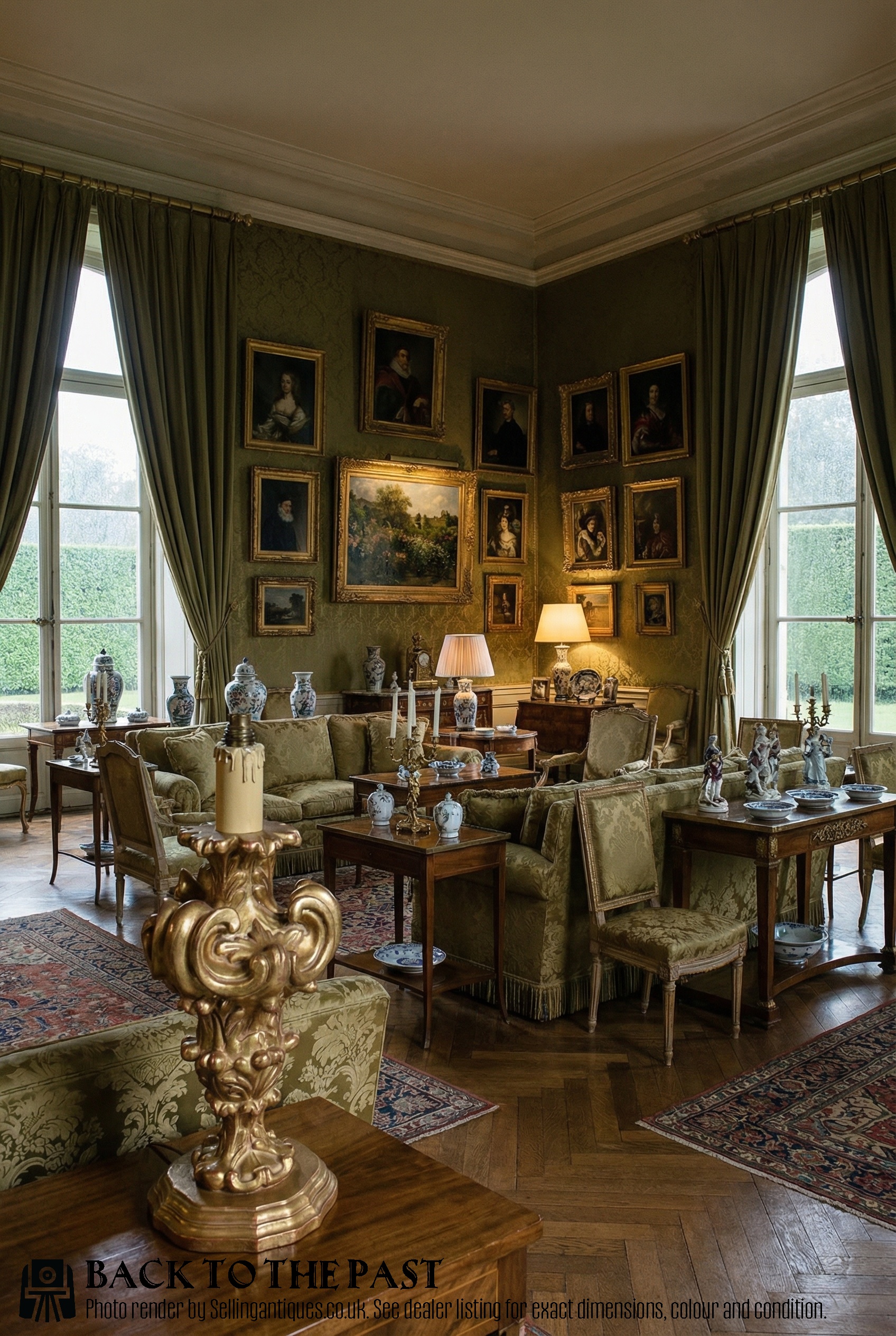
Vintage Gilded Lighting Base
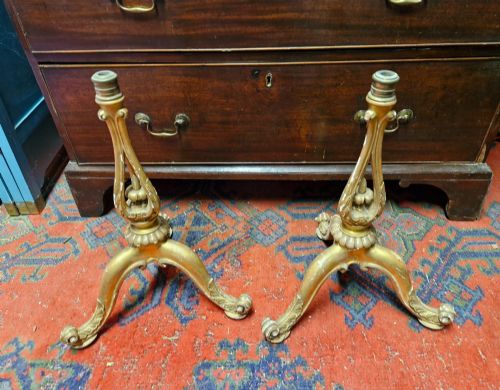
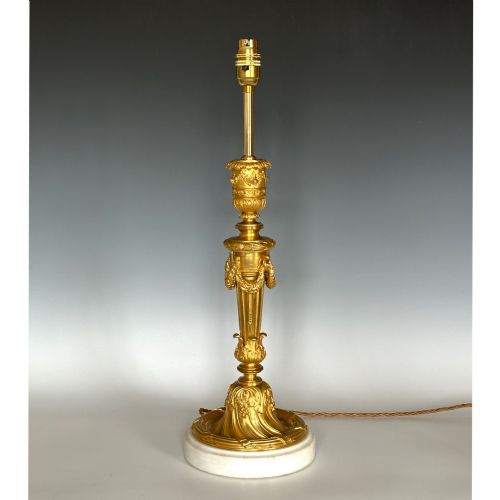
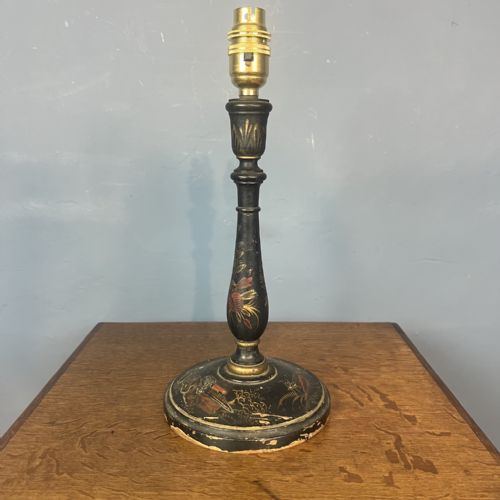
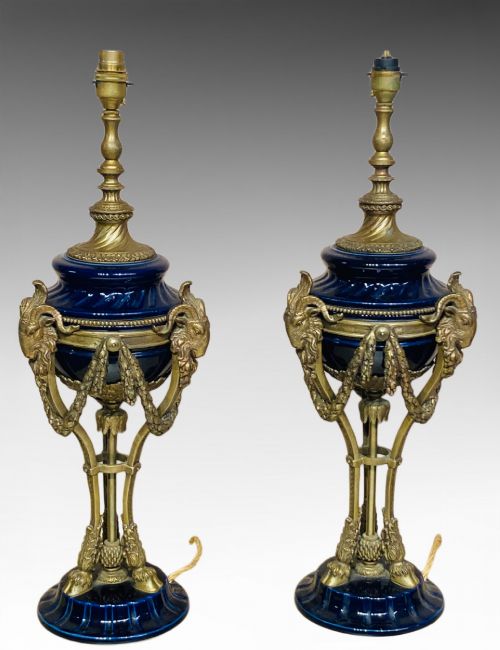
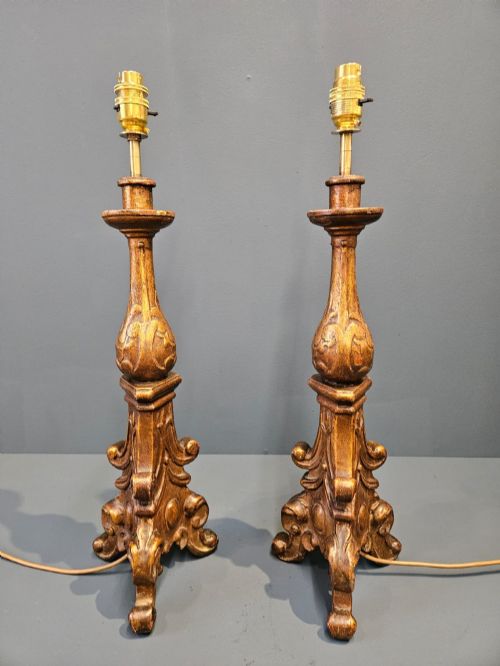
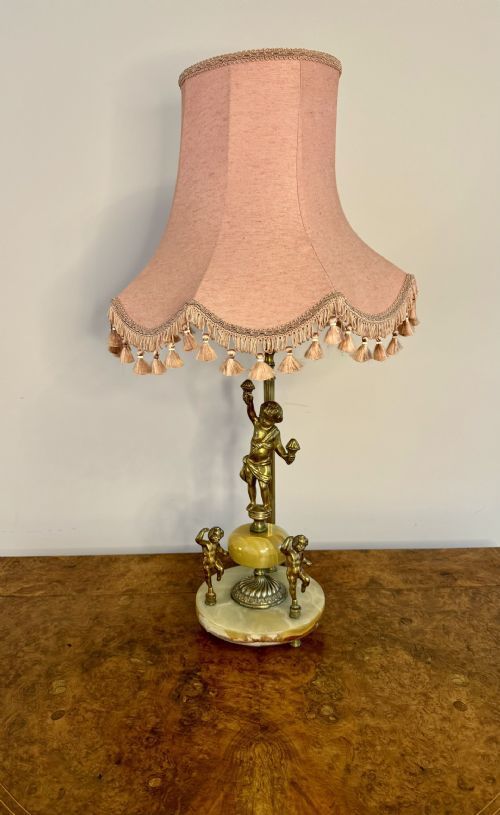
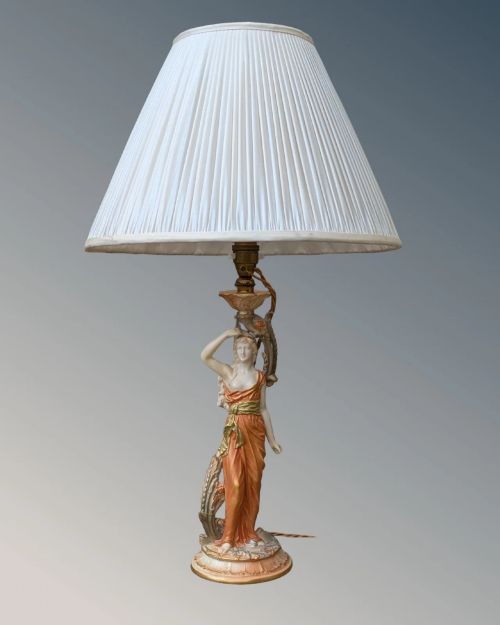
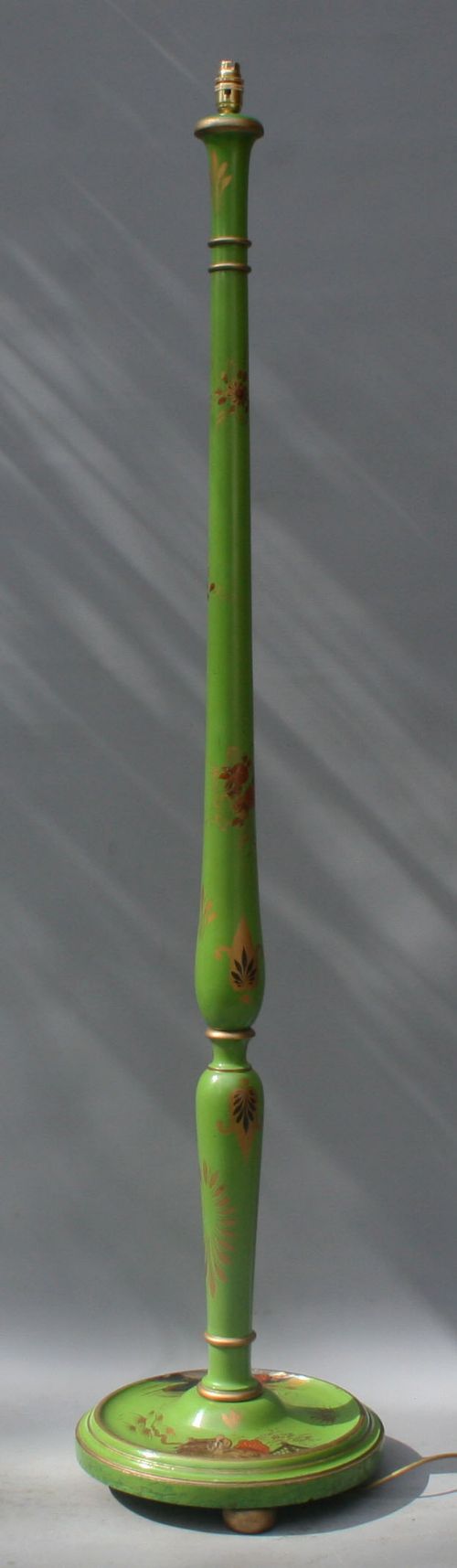
A vintage gilded lighting base encompasses various forms designed to illuminate interiors while adding metallic decoration to a space. Buyers searching for a vintage gilded lighting base encounter table lamps, floor lamps, standard lamps, and converted candlesticks.
The selections span the nineteenth century through the early decades of the twentieth century, reflecting Victorian, Neoclassical, French Rococo, and Chinoiserie aesthetics. Common configurations include single table models, matched pairs, and tall floor-standing standards.
Origins vary widely across these pieces, with English, French, and Italian examples appearing alongside Japanese Satsuma ceramics mounted in Europe. This diversity allows collectors to select pieces ranging from carved wooden standards to elaborate cast metal designs.
Materials and construction methods
Construction relies heavily on carved wood finished with gesso and gold leaf, cast brass, ormolu, and gilded bronze. Artisans shaped these materials using traditional joinery and metalcasting techniques suited to each period.
Surface ornamentation often involves applied gilding, lacquering, or porcelain elements integrated into the metal and wooden frames. Many pieces began life as candlesticks, oil lamps, or vases before conversion into electrical lighting.
Listings feature materials spanning brass, giltwood, gesso, ormolu, and porcelain across the nineteenth and early twentieth centuries.
Distinctions in craftsmanship and finish
Quality reveals itself in the crispness of the carving on wooden bases and the fine detail in cast bronze or ormolu mounts. Superior pieces display hand-chased metalwork and meticulously applied leaf that retains its depth and texture.
The integrity of the underlying material and the harmony of any converted components dictate the overall standard of the piece. Well-executed conversions preserve the original aesthetic without compromising the structural stability of the base.
The Vintage Gilded Lighting Base Glossary
- Ormolu
- A technique of applying finely ground high-carat gold to a bronze object. This process creates a rich, durable metallic finish popular in French decorative arts.
- Gesso
- A plaster-like mixture applied to wood surfaces as a base for gilding. It provides a smooth ground that artisans can carve or stamp before applying gold leaf.
- Giltwood
- Timber that has been coated with gold leaf or powder. It forms the primary structure for many decorative Italian and English floor standards.
- Pricket stick
- A candlestick featuring a central spike designed to hold a candle in place. These items frequently undergo conversion into lamp bases.
- Chinoiserie
- A European artistic style reflecting Chinese motifs and techniques. It appears on lacquered wooden lamp bases from the early twentieth century.
Vintage Gilded Lighting Base: Frequently Asked Questions
What is a vintage gilded lighting base?
A vintage gilded lighting base is a decorative stand made from materials such as wood, brass, or bronze with a gold-colored finish, adapted to hold a light bulb.
These pieces range from small table lamps to tall floor standards originating from the nineteenth and early twentieth centuries.
How do I use a converted oil lamp?
Converted oil lamps function as standard electric lamps while retaining their original nineteenth-century burners and reservoirs for decorative effect.
Position them on side tables or desks where their detailed metalwork and proportions can be appreciated up close.
Can I date a piece by its gilding?
Gilding methods and wear patterns help indicate age, with older pieces often showing hand-applied gold leaf over a red bole layer.
Combine observations of the surface finish with the construction style of the base to determine the likely period of manufacture.
Where were these lamp bases made?
The available pieces originate from workshops across England, France, and Italy, alongside Japanese ceramics mounted in European mounts.
Regional preferences show in the choice of materials, such as carved giltwood in Italy and cast ormolu in France.