
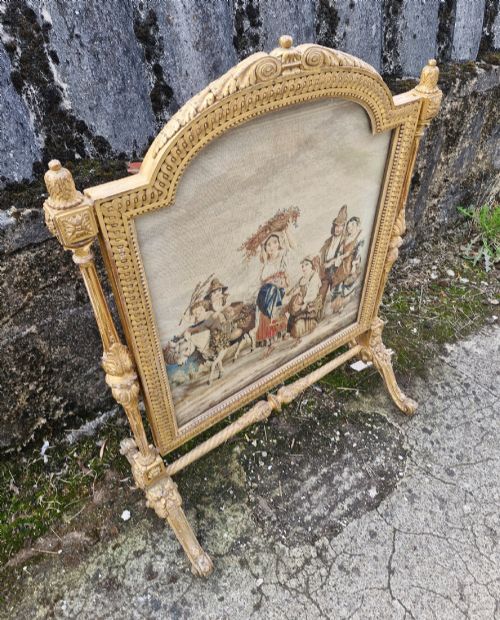
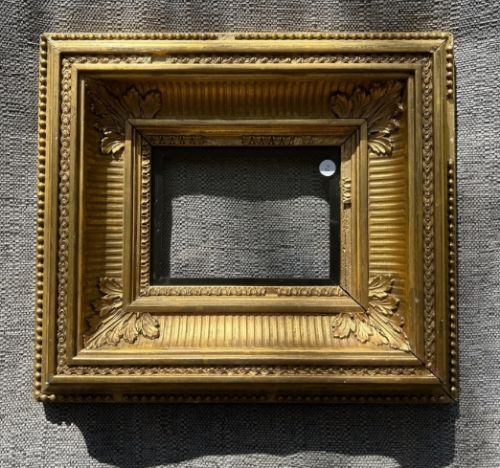
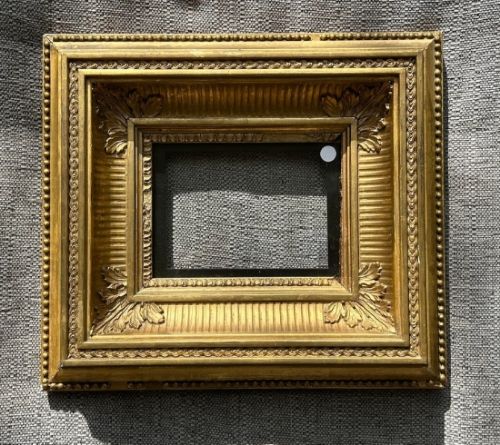
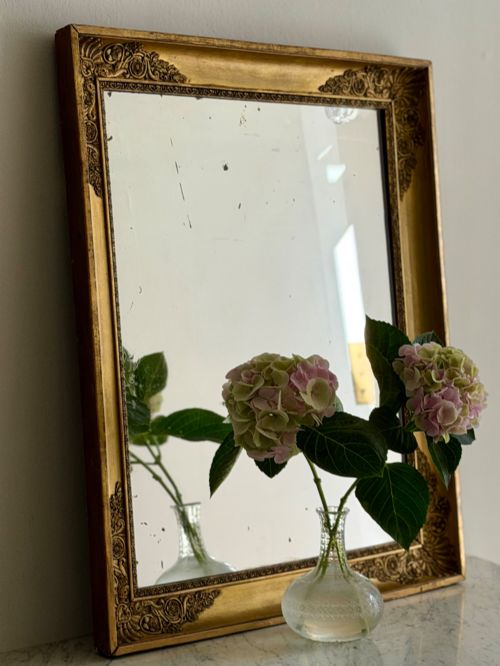
Gold Giltwood Frame
A gold giltwood frame brings warmth and historic presence to a room, holding oil paintings and mirrors with crafted depth.
Gold Giltwood Frame
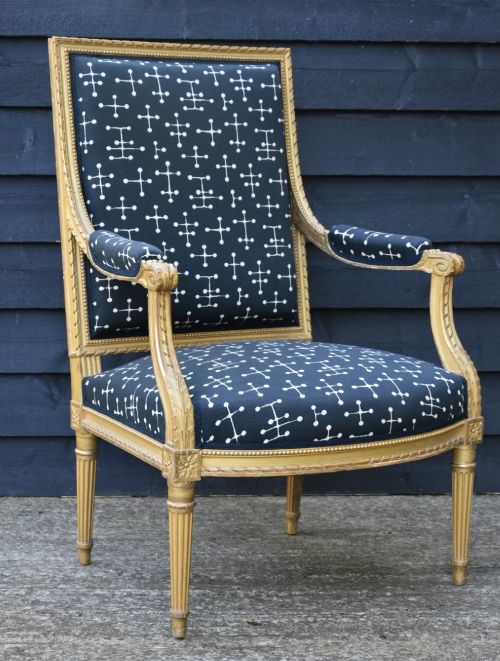
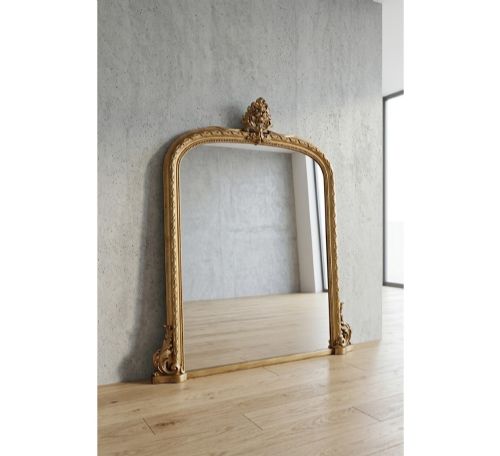
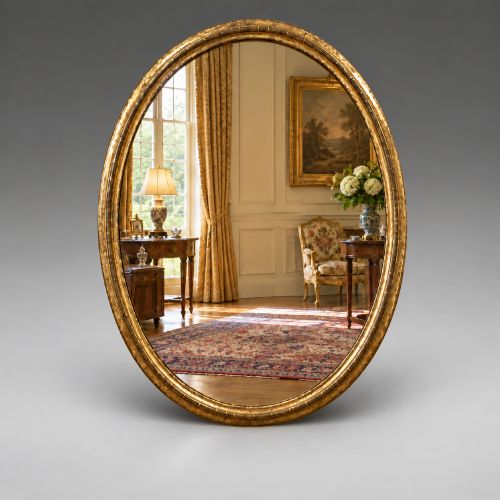
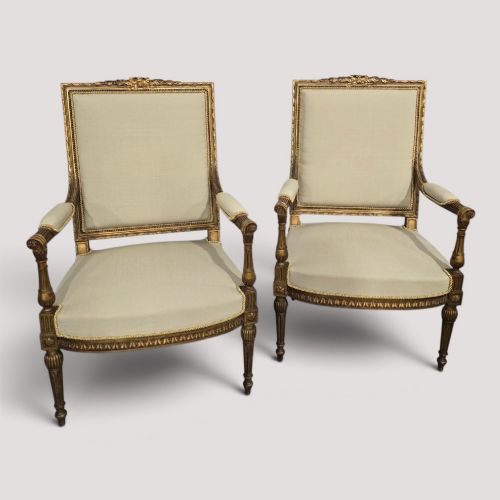
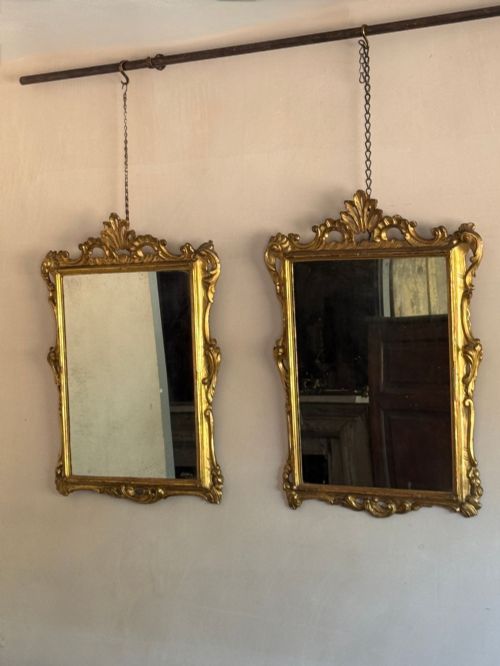
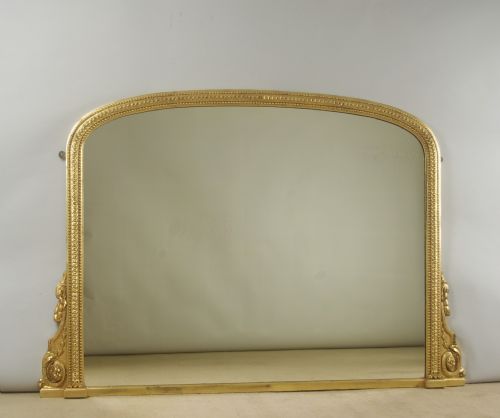
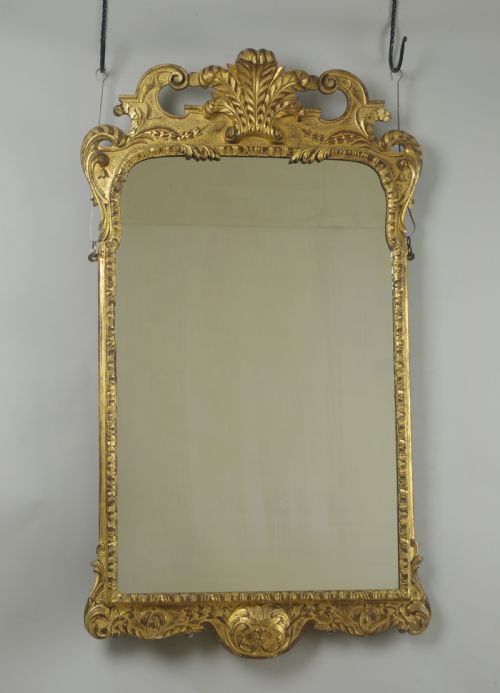
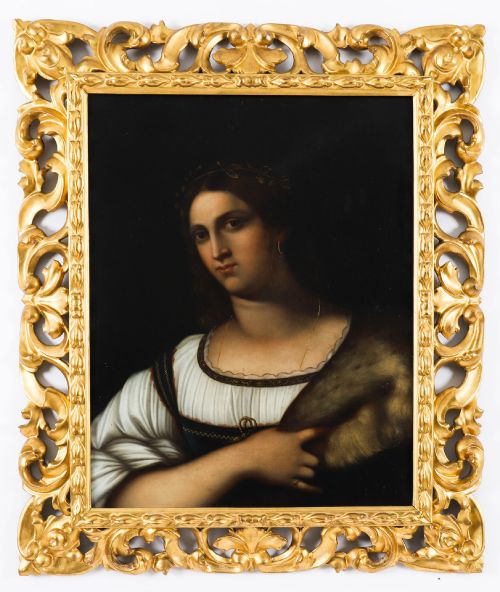
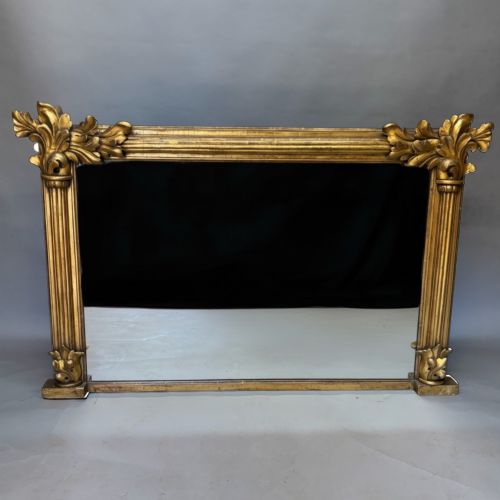
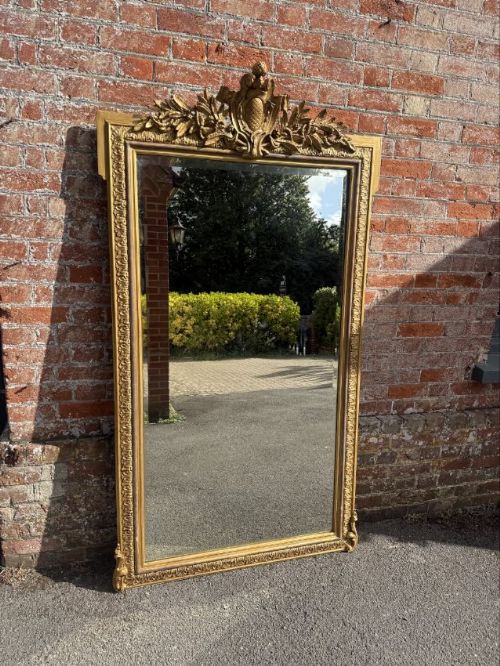
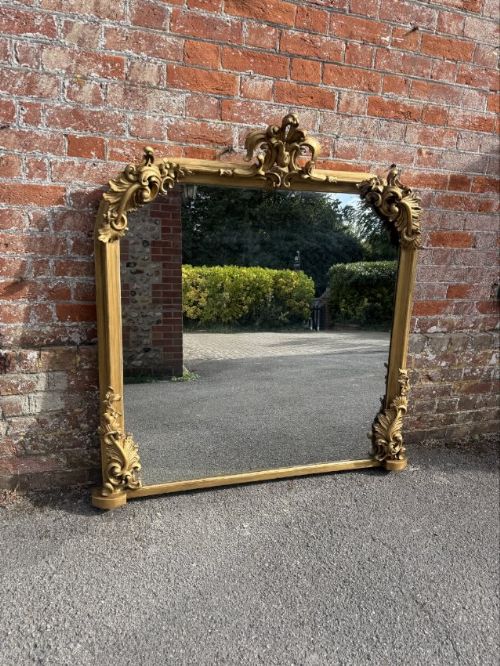
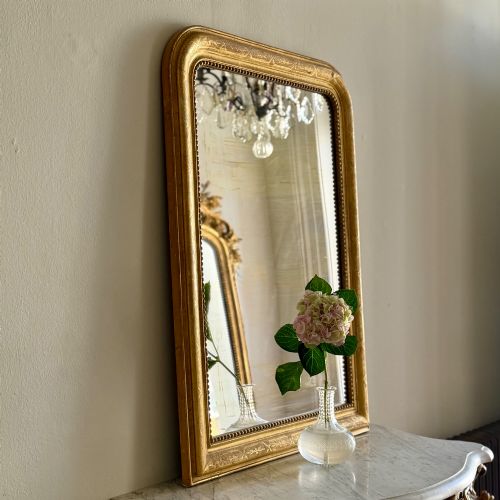
When you search for a gold giltwood frame, you encounter a variety of antique forms designed to display art or reflect light. Wall mirrors, overmantel mirrors, and oil paintings populate this selection, spanning the eighteenth, nineteenth, and early twentieth centuries.
English and French workshops produced the majority of these pieces, adopting styles that range from restrained Georgian ovals to ornate Victorian and Florentine overmantel designs. The selection frequently includes large statement pieces intended to anchor a room.
Materials and construction methods
Carved timber and wood form the foundational structure for these pieces, often built with gesso layers applied to smooth the surface before gilding. Artisans used gold leaf to achieve a lasting metallic finish that catches ambient light.
Many nineteenth-century examples incorporate composition ornament moulded over wooden frames to create intricate floral and acanthus leaf decorations efficiently. Glass plates, including period mercury glass, complete the mirror assemblies.
Assessing craftsmanship and finish
The depth and crispness of the hand-carved ornamentation dictate the standard of the piece, separating finely detailed work from simpler moulded production. Sharp relief in acanthus leaves, rope twists, and mythological carvings indicates superior artisan skill.
The integrity of the original gilding surface determines long-term visual appeal, as worn or poorly restored gold leaf alters how the frame reflects light. Heavy timber construction and well-joined corners further distinguish the finest examples from standard items.
Eugène Verboeckhoven·Jean-Baptiste Van Loo·Maurice Quentin de la Tour·Sir Anthony van Dyck·Thomas Murray
The Gold Giltwood Frame Glossary
- Giltwood
- Wood coated with gold leaf or gold powder. This finish provides the characteristic metallic sheen seen on antique mirrors and picture frames.
- Gesso
- A plaster mixture applied to a wooden frame to create a smooth base for carving or gilding. It allows artisans to model fine decorative details.
- Overmantel mirror
- A large mirror designed to hang specifically above a fireplace mantelpiece. These pieces often serve as central decorative focal points in a room.
- Pier glass
- A tall, narrow mirror designed to fit on the wall space between windows. They frequently feature detailed frames suited to formal reception rooms.
- Girandole
- A decorative wall mirror featuring attached candle sconces. The candle arms reflect additional light into the interior space.
- Mercury glass
- Silvered glass produced using a mercury amalgam technique before modern vacuum deposition. It typically exhibits characteristic foxing and spotting over time.
Gold Giltwood Frame: Frequently Asked Questions
How do I date an antique giltwood frame?
Examine the construction techniques, wood types, and decorative styles visible on the piece. Eighteenth-century frames often feature hand-carved wooden details, while nineteenth-century versions frequently employ moulded composition ornament over timber.
Look closely at the mirror glass or canvas backing where applicable. Older mercury glass displays natural foxing, and fastening methods often point to specific historical periods.
Where should I hang an overmantel mirror?
An overmantel mirror traditionally hangs directly above a fireplace mantelpiece to anchor the room's proportions. Ensure the wall structure securely supports the heavy timber and glass weight.
Positioning the piece opposite a window maximises reflected natural light. This placement enhances both the room's brightness and the visual impact of the ornate frame.
What is the difference between gesso and carved wood?
Carved wood involves shaping the actual timber foundation into decorative motifs using specialised tools. This method yields sharp, unique details characteristic of high-end craftsmanship.
Gesso acts as a preparatory surface layer that can be moulded or smoothed. In many pieces, artisans applied composition ornament over gesso to replicate intricate designs more rapidly.
How do I care for antique gold leaf?
Dust the surface gently using a soft, dry brush to prevent accumulation without disturbing the delicate metallic leaf. Avoid liquid cleaners, chemical sprays, or rough cloths that can strip the historic finish.
Keep the piece away from direct sunlight and high humidity environments. Stable indoor conditions protect both the underlying wood and the fragile gilt surface from cracking.