


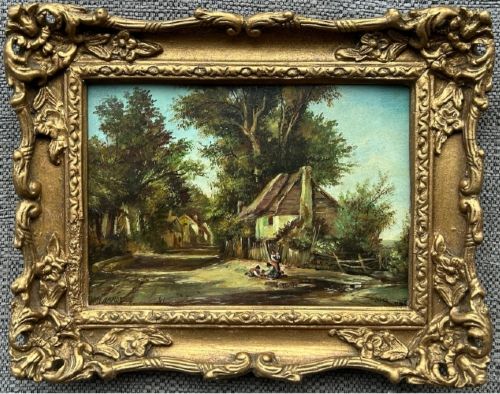
Gold Gilt Wood Frame
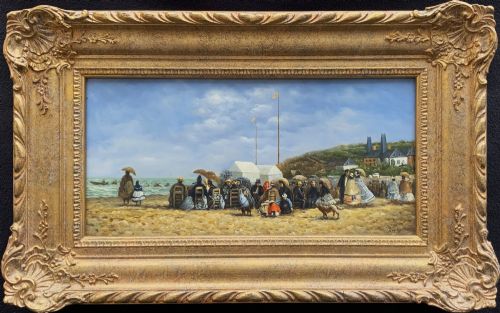
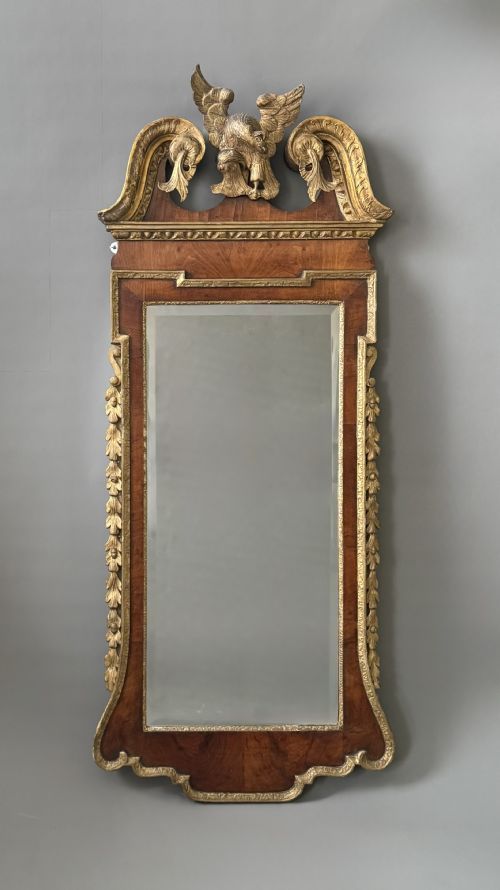
When you search for a gold gilt wood frame, you find ornate mirrors and oil paintings spanning the eighteenth, nineteenth, and twentieth centuries.
Gold Gilt Wood Frame
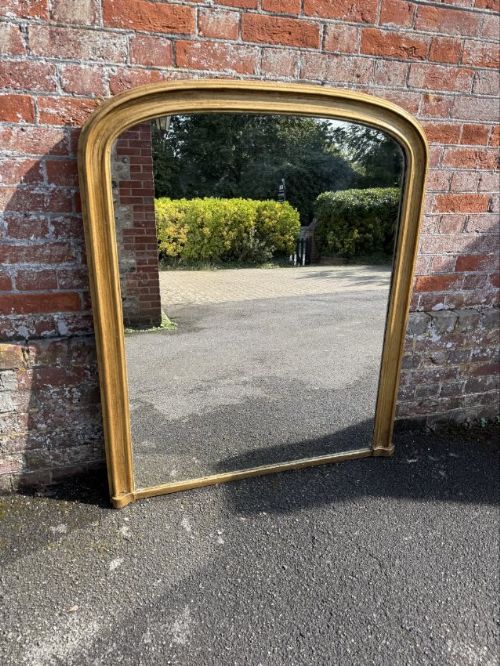
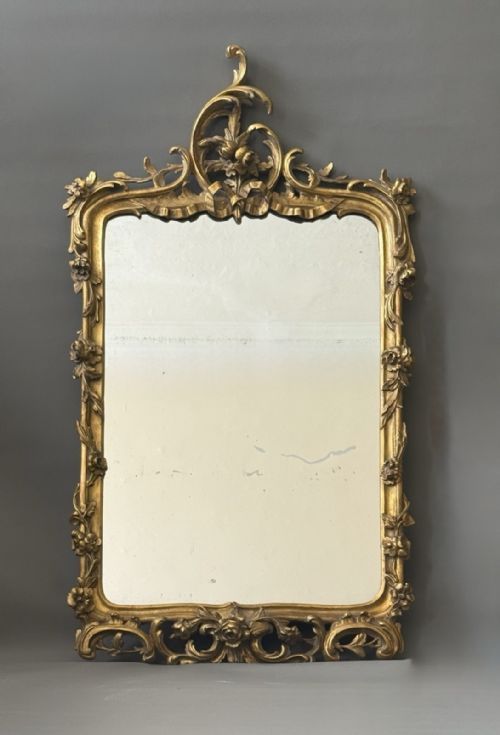
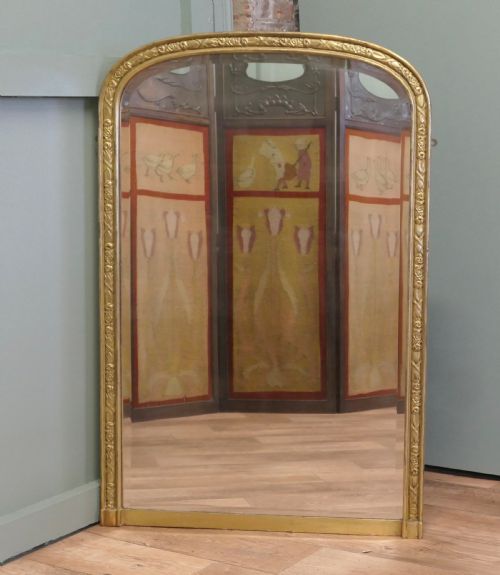
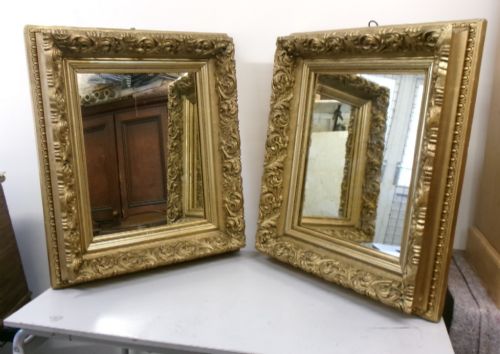
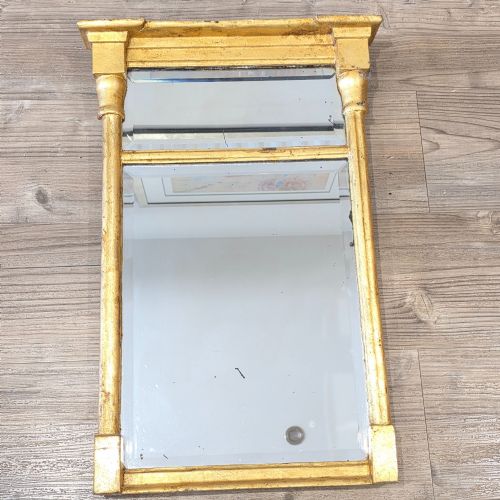
A gold gilt wood frame encompasses decorative wall mirrors, overmantel mirrors, and picture frames designed to house fine art or reflect light in a room. The items found in this collection span centuries, with significant representation from the Victorian and Regency periods alongside eighteenth-century French and English designs.
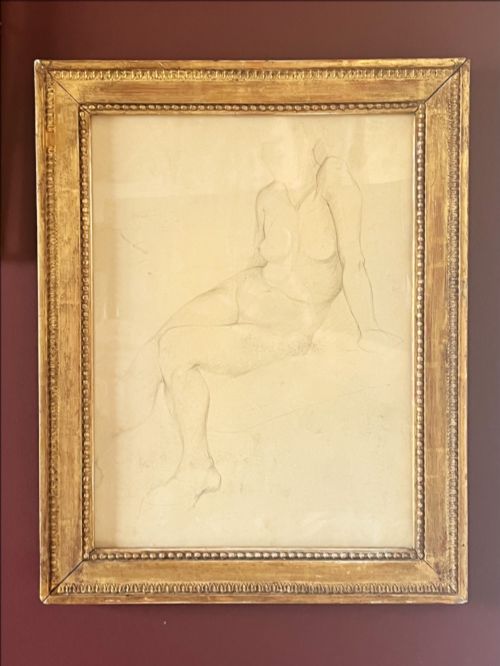
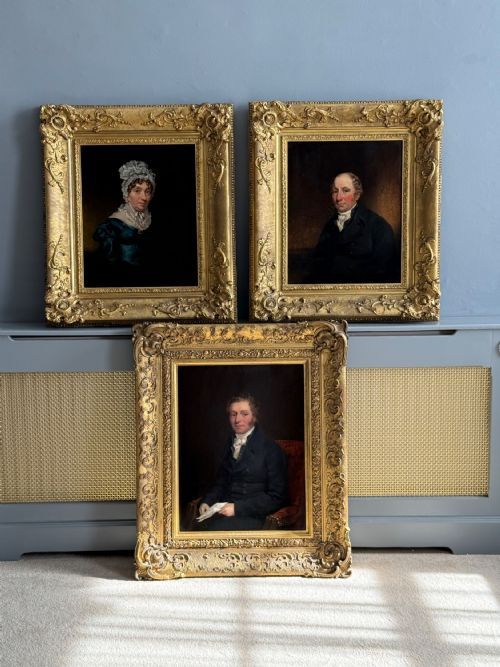
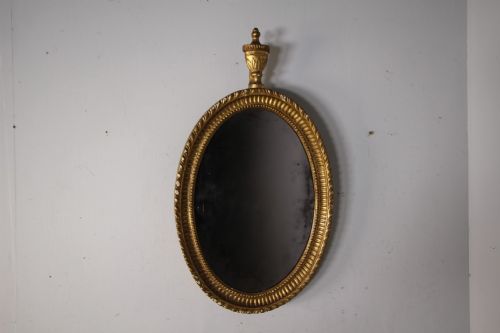
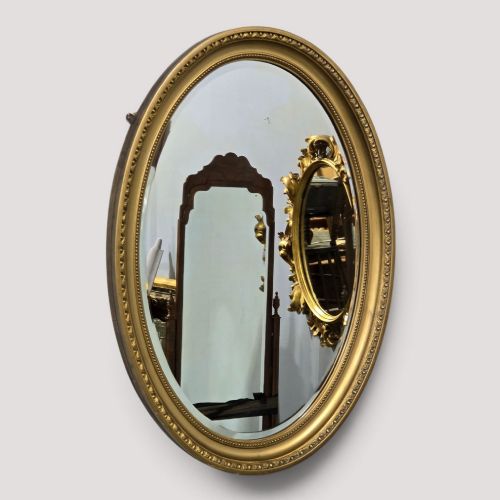
Mirrors dominate the selections, ranging from large architectural overmantel pieces with arched tops to smaller oval and pier glasses. Alongside these looking glasses, buyers encounter original oil paintings, pastel portraits, and life drawings housed within matching period surrounds.
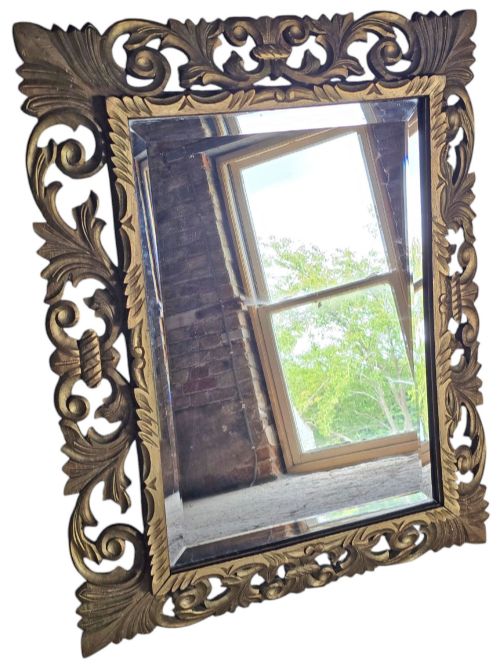
Origins vary between English workshops and continental makers, particularly French ateliers influenced by Louis XVI styles, Rococo revival, and Florentine craftsmanship. These objects function as historical focal points that bring reflective depth and metallic warmth to interior spaces.
Materials and construction methods
The foundation of these pieces relies on carved timber, often utilising solid wood substrates shaped by hand. Craftsmen applied layers of gesso - a plaster mixture - over the wood to create a smooth, responsive surface for intricate detailing.
Gilding involved the application of gold leaf or metal leaf adhered to the prepared surface, sometimes complemented by painted elements or walnut veneers. Mirror plates from earlier periods frequently feature mercury glass, displaying natural foxing and age spots accrued over generations.
Listings feature items from the eighteenth, nineteenth, and twentieth centuries, using giltwood, gesso, and oil on canvas.
Distinctions in craftsmanship and condition
Quality reveals itself in the depth and crispness of the carved ornamentation, where hand-tooled acanthus leaves, ribbon crests, and rope twists maintain sharp relief rather than softened edges from worn moulds. Superior examples demonstrate harmonious proportions between the timber moulding and the reflective plate or artwork housed within.
The integrity of the original gilt surface dictates much of the appeal, with preferred pieces showing an authentic, undisturbed metallic patina rather than modern repainting. Structural joinery in the underlying wood framework must remain solid, supporting the considerable weight of heavy glass and plaster decoration without excessive warping.
Joseph Clover RA
The Gold Gilt Wood Frame Glossary
- Giltwood
- Wood that has been coated with gold leaf or a gold-coloured metallic finish. This technique creates a radiant surface that catches interior light.
- Gesso
- A plaster-like preparation mixture used as a base for moulding fine details before gilding. It allows carvers to achieve sharp, ornate relief work.
- Overmantel mirror
- A large mirror specifically proportioned to hang above a fireplace mantelpiece. These pieces often feature architectural arched tops and heavy decorative frames.
- Pier glass
- A tall, narrow mirror designed to be hung on the wall between two windows. They frequently incorporate candle arms or girandole attachments.
- Mercury glass
- A type of double-walled silvered glass produced in the nineteenth century. It often develops characteristic dark spots and foxing over time.
Gold Gilt Wood Frame: Frequently Asked Questions
How do I hang a heavy overmantel mirror?
These large mirrors carry substantial weight due to their dense timber and gesso construction. Professional wall anchors fixed directly into masonry or studs are essential for secure installation.
Ensuring the hanging wire or integrated brackets match the load capacity prevents structural strain on the antique frame.
How should I clean a antique gilt surface?
The delicate gold leaf layers require minimal intervention to preserve the historic finish. Dusting gently with a dry, soft-bristled brush removes surface particles safely.
Avoid liquid cleaners, chemical solvents, or abrasive cloths entirely, as these substances strip away the metallic leaf and underlying gesso.
What is the difference between gesso and carved wood?
Carved wood forms the foundational structural skeleton of the piece, providing physical strength and primary contours. Gesso is the applied plaster layer sculpted on top to hold intricate fine details.
Together they create ornately decorated surfaces that mimic solid carved metal or heavy stonework while remaining manageable in weight.
Can I replace the mirror glass in an old frame?
Original mirror plates featuring mercury backing and foxing contribute significantly to the historic character and authenticity of the piece. Replacing them diminishes the age value recognised by collectors.
When original glass remains intact, retaining it preserves the true visual integrity of the period artwork or mirror.