
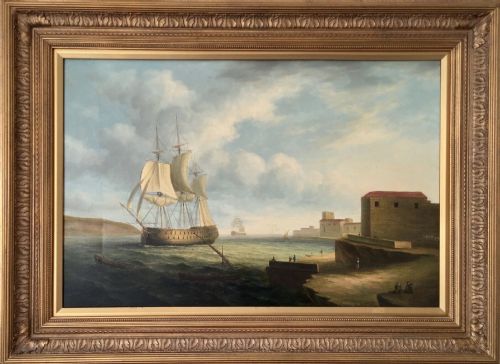
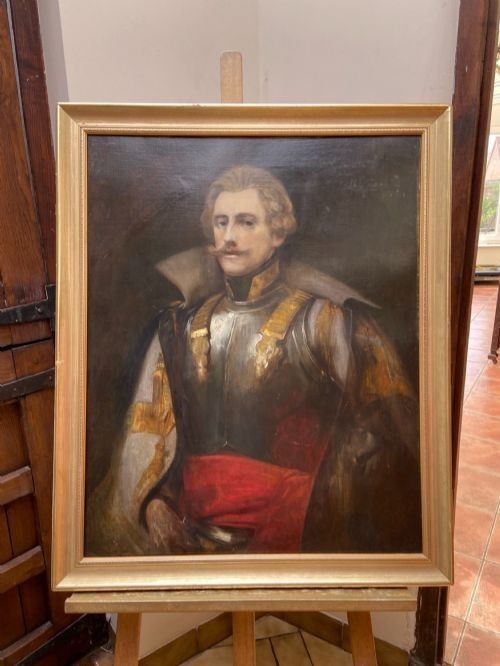
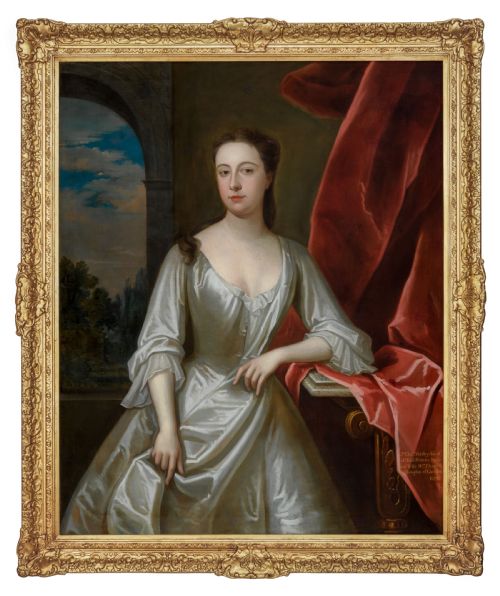
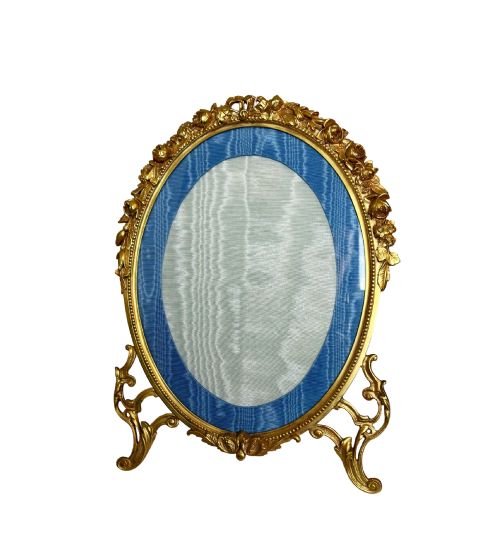


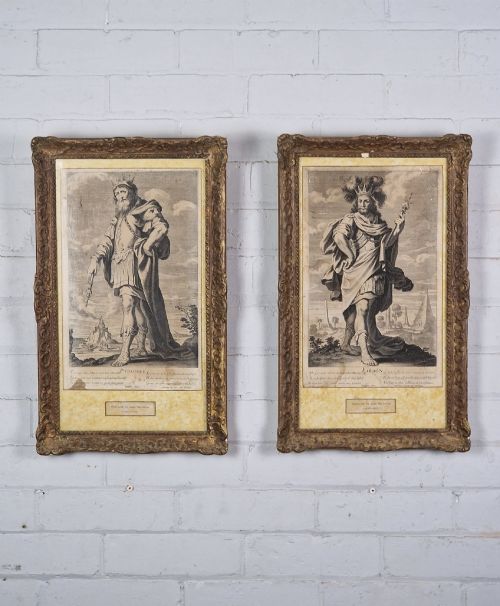
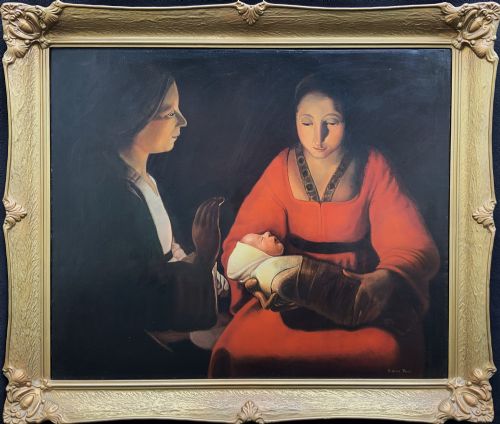
Gold Gilt Portrait Frame
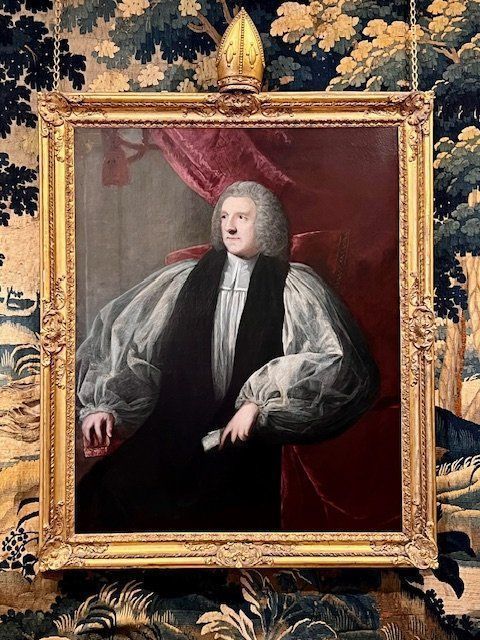
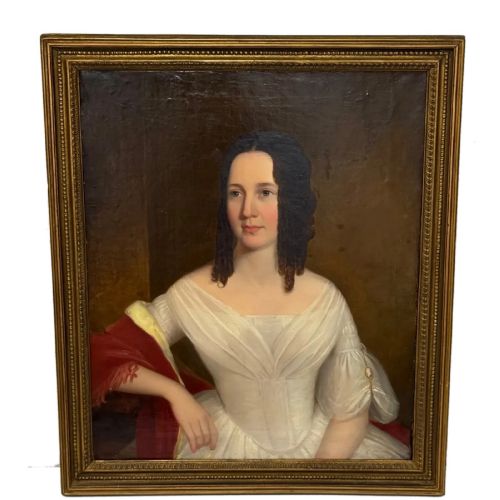
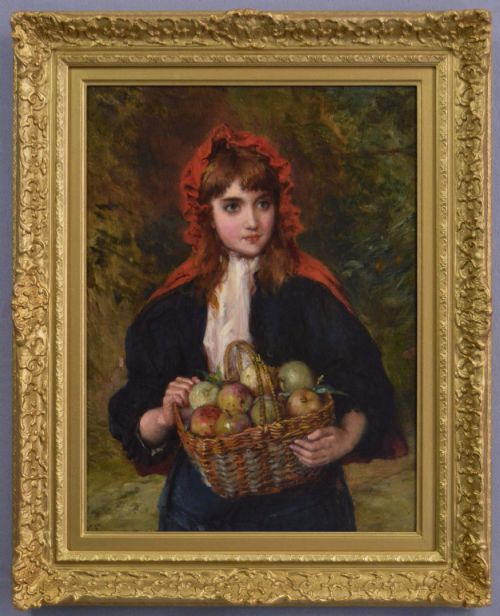
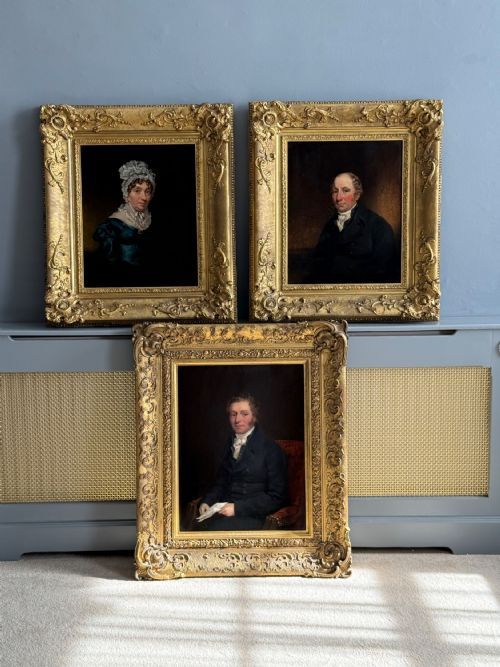
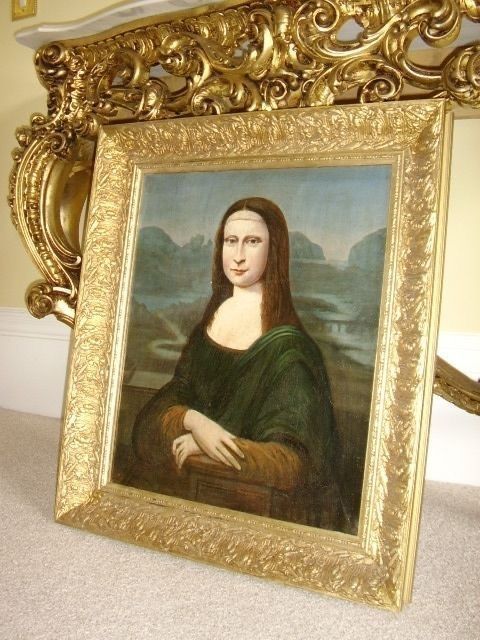
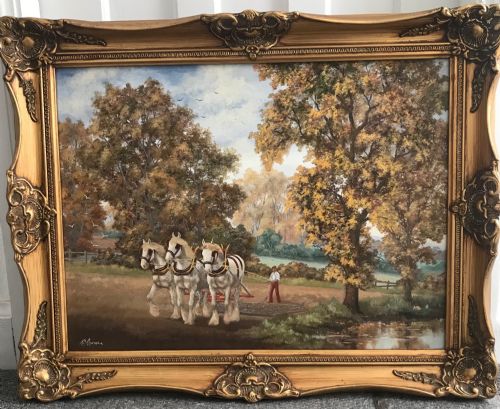
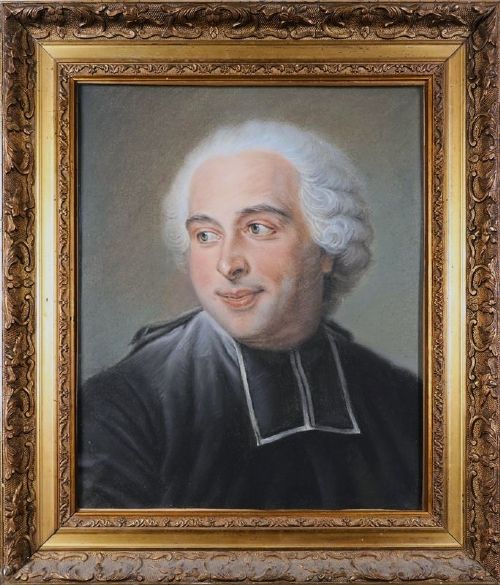
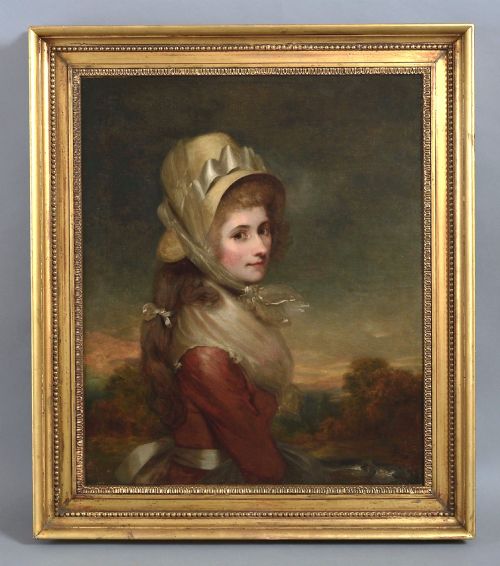
A gold gilt portrait frame houses historical likenesses and fine paintings across centuries of British and European craftsmanship.
Gold Gilt Portrait Frame
A gold gilt portrait frame encloses oil paintings, pastels, and watercolours depicting subjects from the seventeenth century through to the mid-twentieth century. These pieces encompass stately depictions of nobility, clergymen, and officers, alongside intimate studies of everyday figures.
The selections span distinct historical periods including the Georgian, Regency, Victorian, and Edwardian eras. Buyers encounter both original canvas works and period picture frames designed to complement traditional portraiture.
Many items derive from British and continental schools, capturing evolving stylistic preferences from Baroque grandeur to French Rococo ornamentation. These artefacts connect modern interiors with historic portrait traditions.
How they were made
Makers constructed the foundational structures using timber, applying layers of gesso and bole to prepare surfaces for gilding. Artisans then laid gold leaf over these prepared grounds, often burnishing the metal to achieve varied lustres.
Artworks within these settings utilise oil paint on canvas, panel, or board, while others employ pastel or watercolour on paper. Frame mouldings frequently feature carved or moulded ornamentation reflecting the aesthetic of the period.
The listings feature oil paintings, pastels, and engravings spanning the seventeenth to the twentieth centuries, housed in wood and giltwood frames.
What varies in quality
The depth and intricacy of the carved or moulded decoration on the woodwork separate standard examples from finer pieces. Heavy swept leaf borders and detailed corner cartouches indicate superior craftsmanship.
The purity and application of the gold leaf influence the overall visual impact of the frame. Original gilding retaining its natural patination demonstrates better preservation than later overpainting.
Sir Godfrey Kneller·Sir Joshua Reynolds·William Oliver·Jean-Baptiste Van Loo·Joseph Clover·Sir Anthony van Dyck·Sir Peter Lely·Lemuel Francis Abbott
The Gold Gilt Portrait Frame Glossary
- Giltwood
- Wood that has been coated with gold leaf or gold powder. This finish provides the characteristic metallic sheen seen on period frames.
- Baroque
- An artistic style prevalent during the seventeenth and early eighteenth centuries, known for dramatic ornamentation. Frames from this period often display bold, sculptural motifs.
- Rococo
- A decorative style of the eighteenth century featuring asymmetrical scrolls, shell motifs, and organic curves. Swept frames of this design display elaborate fluid patterns.
- Oil on canvas
- Pigment suspended in drying oil applied to a stretched woven fabric support. This technique forms the primary medium for historical portraiture.
Gold Gilt Portrait Frame: Frequently Asked Questions
How do I identify the period of a frame?
Examine the underlying timber construction and the style of the corner ornamentation. Different eras favoured distinct moulding profiles and decorative motifs.
Changes in the preparation layers beneath the gold leaf also offer clues regarding the date of manufacture.
Were these frames made specifically for the portraits?
Many period portraits retain their original frames, designed concurrently to complement the artwork. Other pairings occurred later as collectors matched paintings with suitable historic surrounds.
Checking the dimensions and rabbet fit helps determine if the pairing is contemporary to the creation of the artwork.
How should I clean a gilded surface?
Dust the gilding gently with a soft, dry brush to remove accumulated particles. Avoid using water, chemical solvents, or abrasive cloths which can damage the delicate gold leaf.
Professional conservators should handle any structural repairs or deep cleaning of fragile surfaces.
What distinguishes gesso from wood carvings?
Gesso is a mixture of binder and chalk applied to the timber base to create a smooth surface for gilding. Artisans often moulded decorative details directly in gesso rather than carving the solid wood.
Examining the relief under magnification reveals whether the ornamentation is built up from composition material or carved.