

Gold Gilt Box
A gold gilt box brings a gleam of polished metal or leaf to a dressing table, holding small treasures with understated charm.
Gold Gilt Box
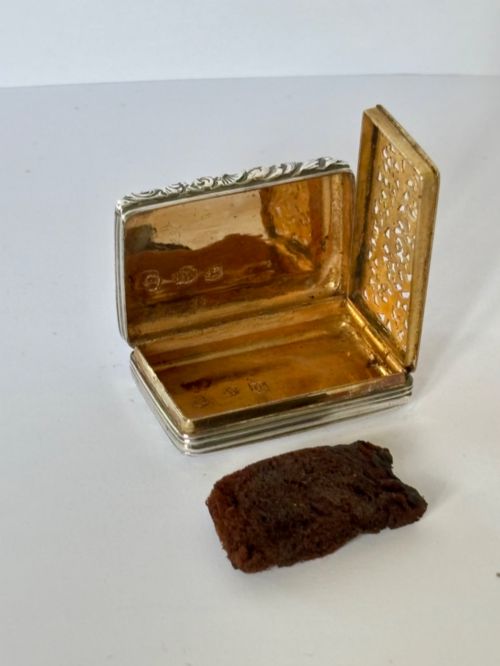
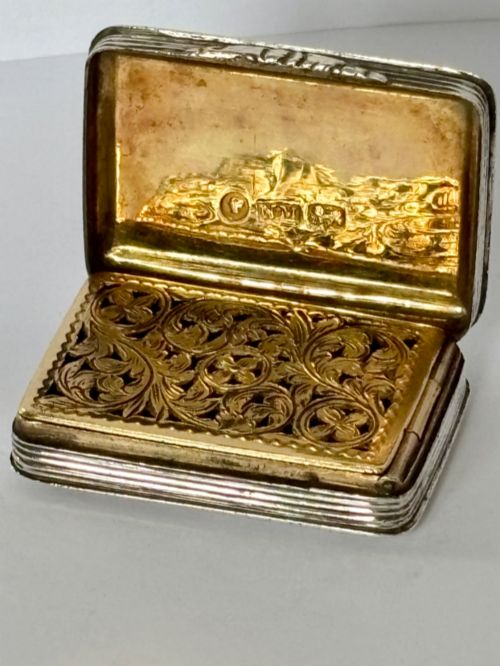
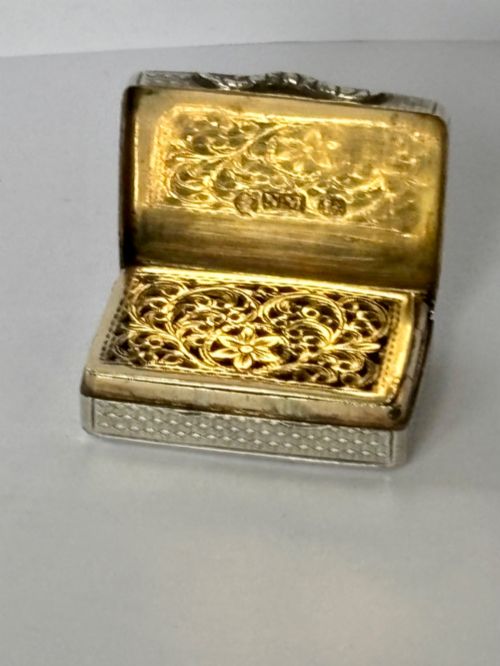
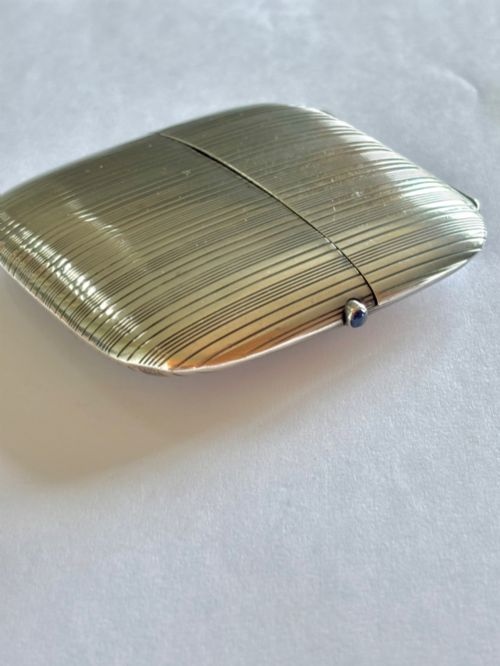
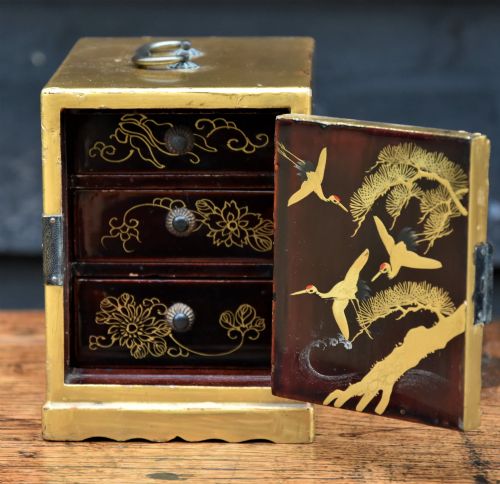
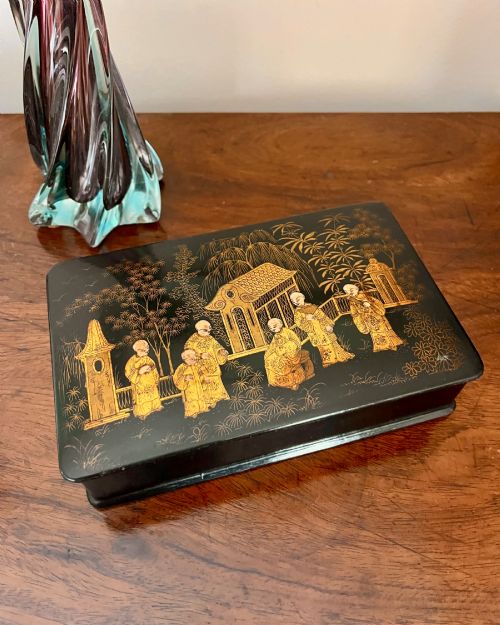
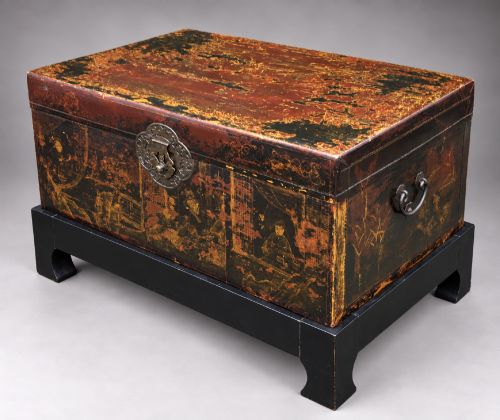
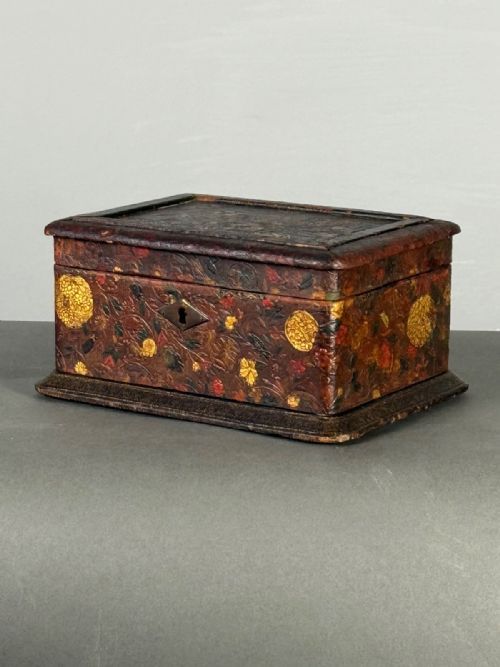
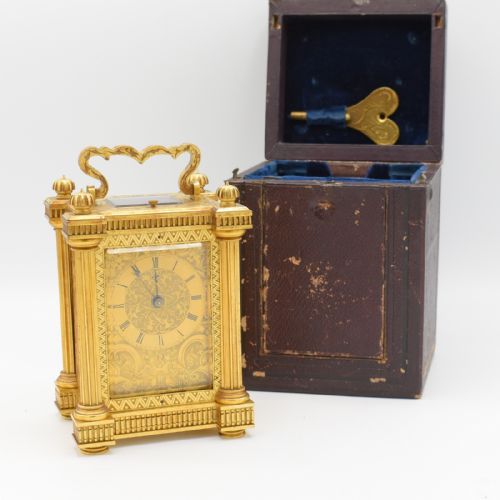
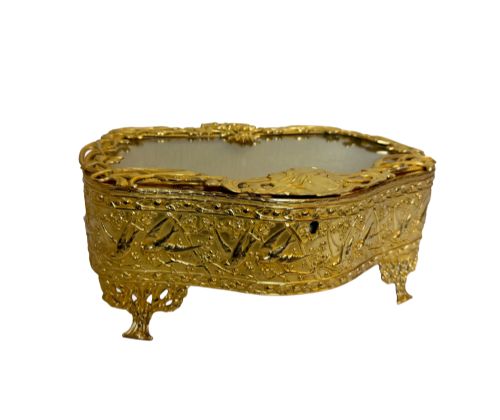
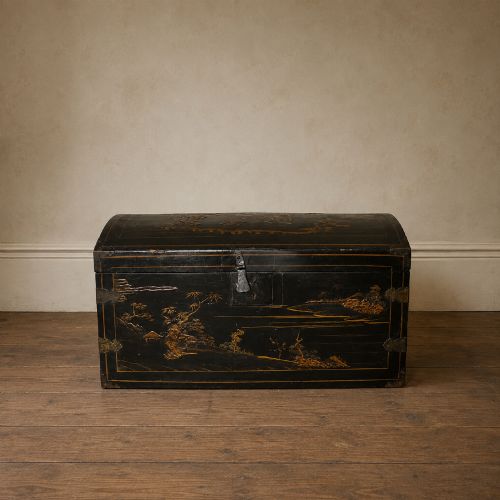
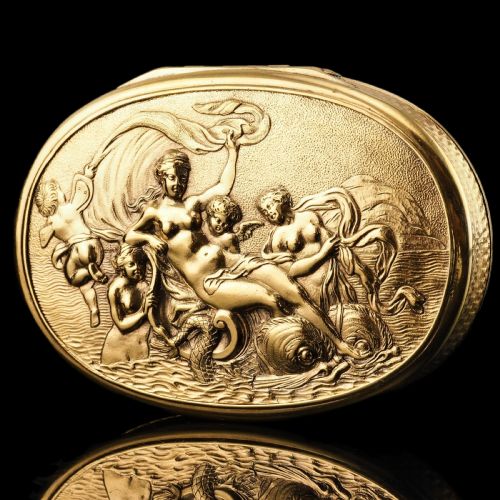
A gold gilt box encompasses small personal containers designed for snuff, trinkets, jewellery, and vinaigrettes alongside larger lacquered chests and cabinets. When searching for a gold gilt box, a buyer typically encounters pieces spanning the Georgian, Victorian, and nineteenth-century periods, fashioned from silver gilt, wood, or lacquer.
The objects take diverse forms, from pocket-sized silver vinaigrettes fitted with internal sponge grills to Japanese export lacquer boxes and French ormolu caskets. Most examples originate from British silversmiths, continental makers, or Asian export workshops, reflecting varied domestic and decorative uses across centuries.
How they were made
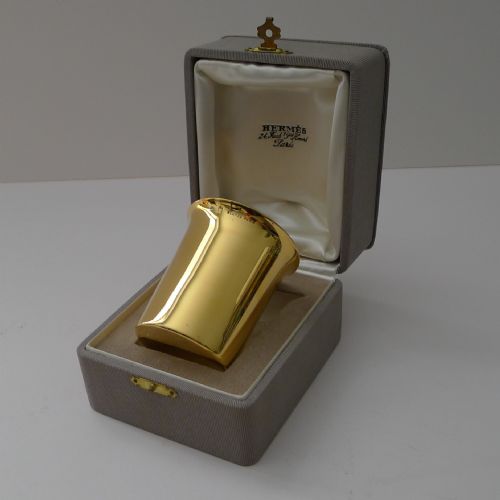
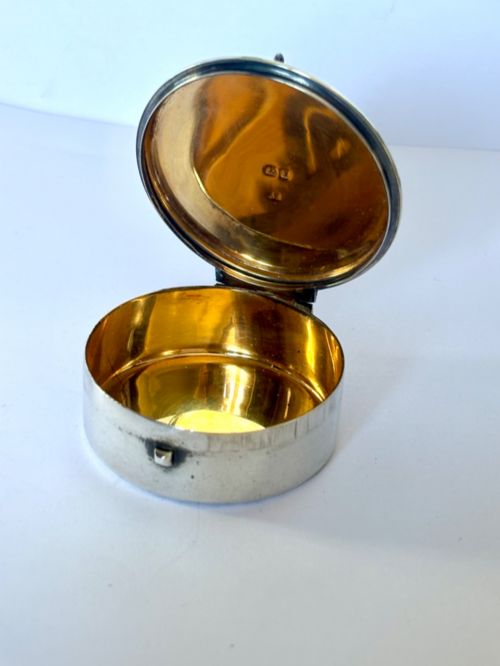
Silversmiths utilised sterling silver treated with a gilt wash, known as silver gilt or vermeil, applying gold to the interior or exterior surfaces. Makers employed techniques such as chasing, engraving, and casting to decorate metal boxes with intricate floral patterns or figural scenes.
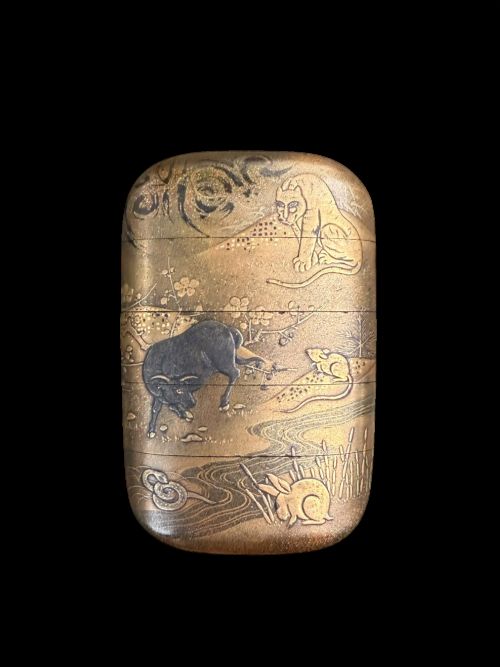
Wooden and leather pieces relied on distinct methods, incorporating applied gold leaf, polychrome paint, or lacquer layers over carved timber carcases. Japanese export items employed traditional lacquer techniques with gold powder dusted onto resin bases to create detailed pictorial designs.
Gold Gilt Box Retail Price Guide 2026
Typical asking prices for gold gilt box among the pieces listed under this phrase on Sellingantiques today, from the lower quarter to the upper quarter. They describe what is for sale here now, not the wider market.
Listings feature items from the seventeenth century through to the mid-twentieth century, including Georgian silver and Japanese Meiji lacquer.
What varies in quality
The standard of a piece rests upon the crispness of the chasing on metal surfaces and the depth and preservation of the lacquer or gold leaf on wooden examples. Finer items display sharp, unrubbed maker marks, well-fitted hinges, and secure internal components such as original sponge inserts in vinaigrettes.
Design complexity and material choice also define the tier of the object, distinguishing standard utility containers from elaborate works featuring inset porcelain plaques, cabochon stones, or detailed hand-painted miniatures.
JOSEPH WILLMORE BIRMINGHAM·NATHANIEL MILLS BIRMINGHAM·Hermes Paris·SUSSE FRERES PARIS·BURNS OATS & WASHBOURNE·Toshozan·Marson & Jones Birmingham
The Gold Gilt Box Glossary
- Vinaigrette
- A small ornamental box containing a perforated grille, originally holding a sponge soaked in aromatic vinegar. These pocket containers date frequently to the Georgian and Victorian eras.
- Silver gilt
- Sterling silver that has been coated with a thin layer of gold, often called vermeil. This technique provides the visual warmth of solid gold while utilising a silver base.
- Lacquer
- A durable finish applied to wooden boxes in Asian and European workshops, built from natural resins and often embellished with gold leaf or powder decorations.
- Ormolu
- Gilded bronze or brass mountings used extensively on nineteenth-century French decorative boxes and caskets. The technique involves applying a gold-mercury amalgam to shaped metal.
- Inro
- A traditional Japanese multi-tiered case for carrying small items, suspended from a sash and frequently decorated with gold lacquer work.
Gold Gilt Box: Frequently Asked Questions
What is a gold gilt box used for?
These boxes served practical and personal functions historically, holding dried herbs, tobacco, visiting cards, or precious jewellery. Their compact designs allowed owners to carry them in pockets or display them on desks and dressing tables.
Today, collectors utilise them for storing small modern trinkets or simply display them as decorative art objects that showcase historical metalwork and lacquer techniques.
How do I date a silver gilt box?
Dating relies heavily on hallmarks stamped into the metal, which reveal the assay office, the active year, and the maker's mark. Stylistic clues such as floral motifs, neoclassical shapes, or Victorian engraving styles also help narrow down the period of production.
Items without metal hallmarks require stylistic analysis of the wood, lacquer techniques, construction methods, and hinges to estimate their age within a broader historical span.
What is the difference between silver gilt and solid gold?
Silver gilt consists of a sterling silver base covered with a thin layer of gold applied through fire-gilding or electroplating. This method gives the object the rich yellow colour of gold while maintaining the structural strength and distinct hallmarks of silver.
Solid gold pieces contain the precious metal throughout their entire thickness and carry distinct gold purity hallmarks rather than standard silver marks like the lion passant.
How should I care for an antique lacquer box?
Antique lacquer requires stable environmental conditions away from direct sunlight and excessive humidity, which can cause wood to warp and lacquer to craze. Dusting should be done gently with a soft, dry cloth without applying modern chemical polishes.
Maintaining moderate room temperatures protects the organic materials and keeps the delicate gold leaf decorations stable over time.