

Gold Gilded Urns
Gold gilded urns bring classical presence to a room, uniting metallic lustre with porcelain, earthenware, or carved wood.
Gold Gilded Urns
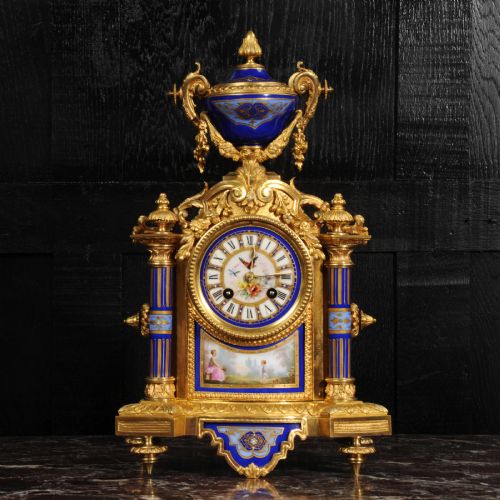
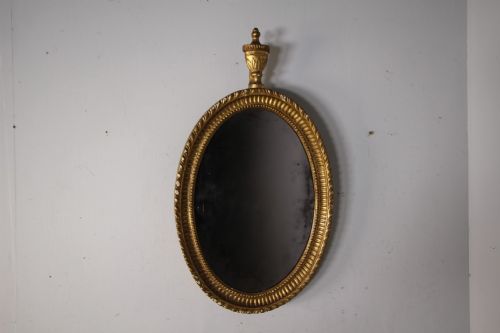
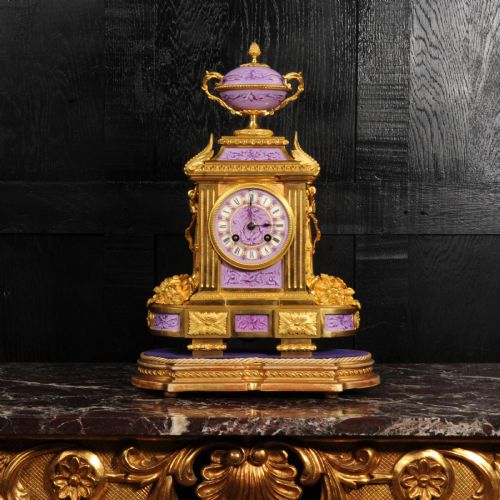
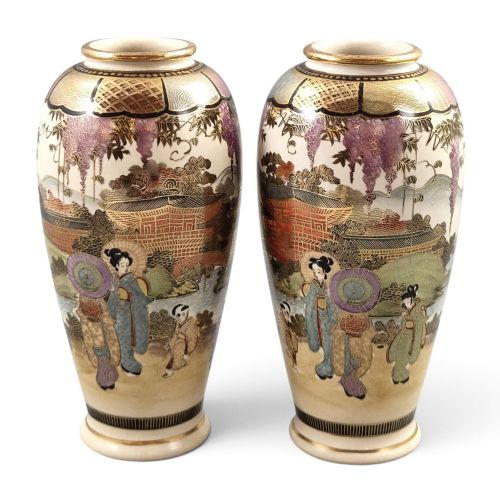
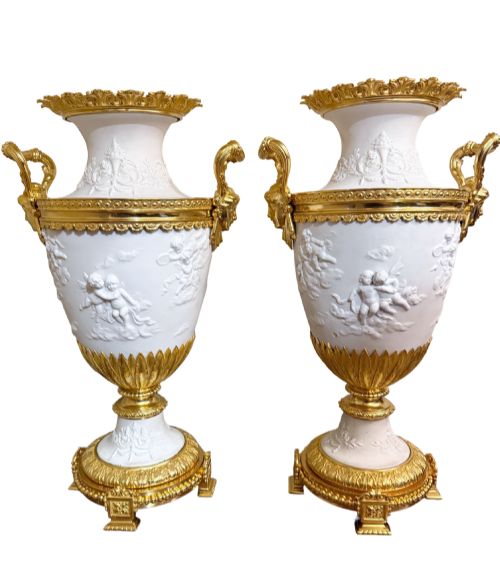
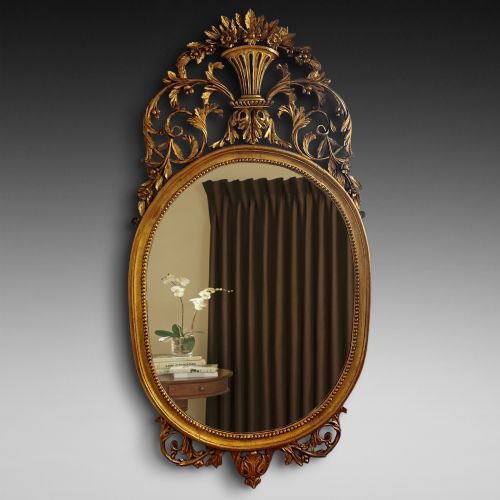
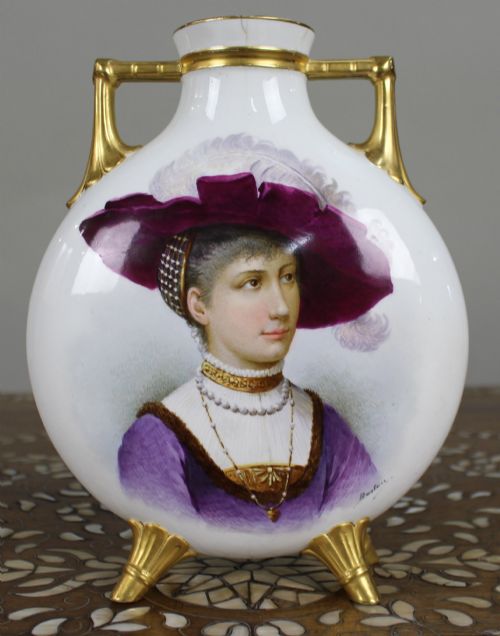
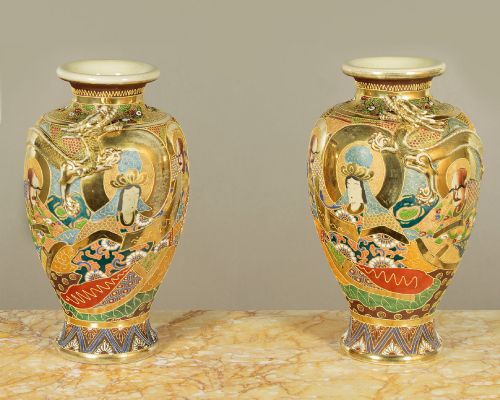
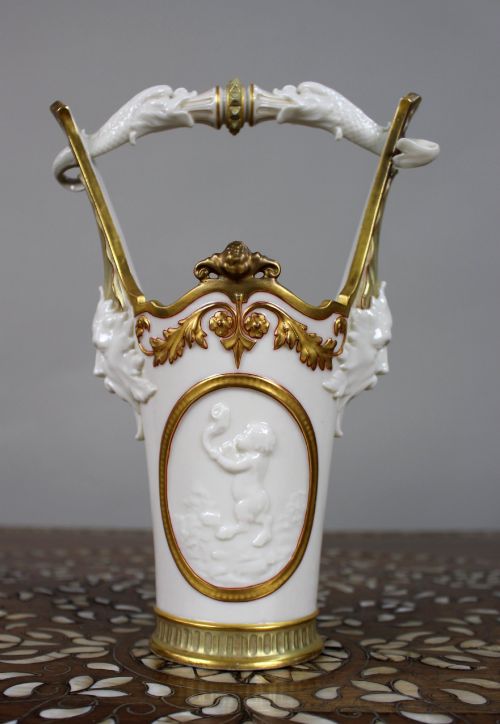
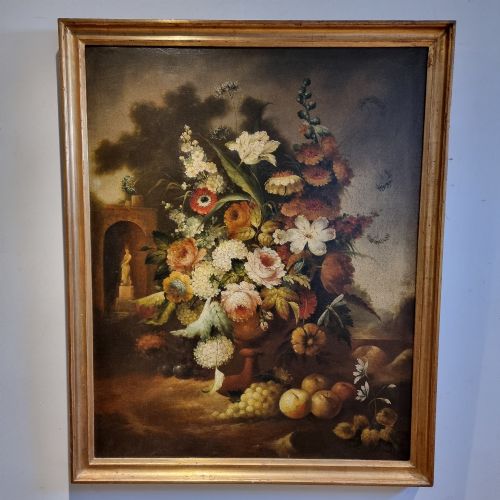
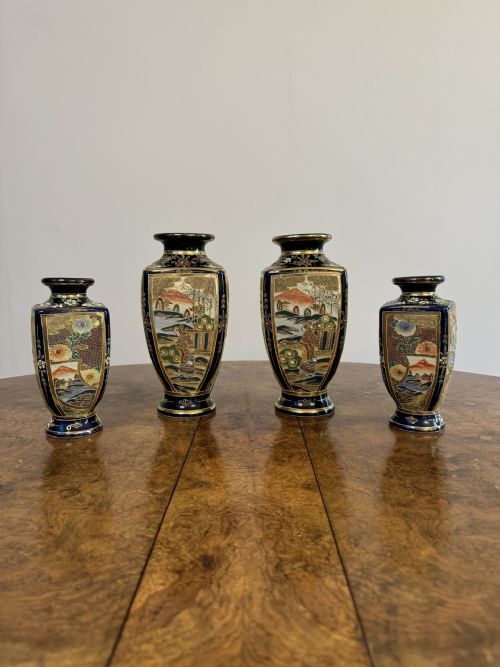
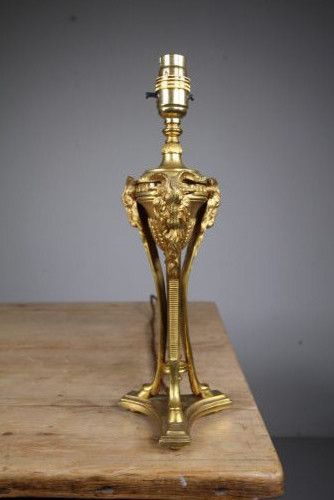
When you search for gold gilded urns, you encounter a varied assembly of decorative vessels, table lamps, and mirrors spanning several centuries. The selection encompasses Georgian porcelain, 19th-century French ormolu, and Japanese Satsuma wares finished with metallic leaf or paint.
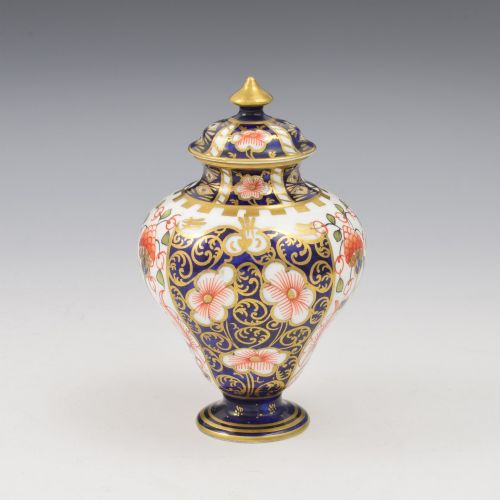
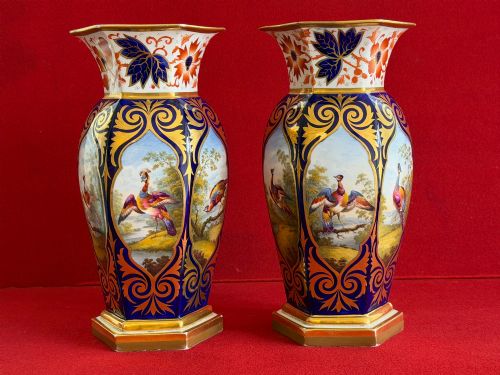
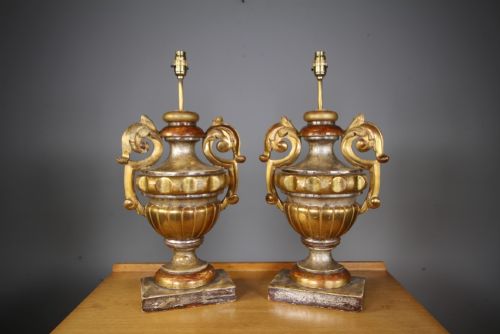
Most examples on this page are porcelain vases, ceramic jardinières, or carved wooden mounts given a brilliant metallic finish. These pieces frequently manifest Neoclassical, Regency, or Victorian design principles, translating ancient vessel forms into domestic ornaments.
How they were made
Makers formed these objects from hard-paste porcelain, earthenware, carved pine, or cast bronze before applying the decorative skin. Artisans utilised gold leaf, giltwood, and ormolu to highlight surface relief, framing hand-painted panels of flora, figures, or abstract motifs.
Techniques range from the fire-gilding of bronze mounts to the delicate application of gold leaf over gesso on carved wooden mirrors and lamp bases. Ceramic pieces often combine enamel pigments with raised gilding fired in kilns to achieve lasting brilliance.
Several porcelain urns depict thousands of butterflies or tiny human figures painted with extraordinary microscopic precision.
What varies in quality
The distinction between ordinary and exceptional pieces lies in the crispness of the modelling and the precision of the hand-painting. Finer examples display deeply carved detail in wood or sharply cast ormolu, whereas lesser items rely on softer, shallower surface work.
The handling of the gilding itself marks the grade of the piece, with burnished gold leaf showing a deep, varied lustre compared to flat metallic paint. Furthermore, signed works by notable factories or individual artists elevate the stature of the object.
Royal Crown Derby·Flight, Barr and Barr·Achille Brocot·Shozan·Royal Worcester·A.B. Daniell and Son·Spode·Barr, Flight and Barr·Chamberlain Worcester·Mason·Vienna Porcelain·Reissner, Stellmacher and Kessel·Manpei·Kinkōzan·Hotoda·Coalport
The Gold Gilded Urns Glossary
- Ormolu
- Gilded bronze, typically produced by applying a mercury-gold amalgam to cast brass or bronze. This technique was widely employed on French and English decorative objects during the 18th and 19th centuries.
- Satsuma
- Japanese earthenware pottery characterised by a fine crackle glaze decorated with polychrome enamels and extensive gilding. Production flourished during the Meiji period and early 20th century.
- Gesso
- A plaster-like mixture applied to wood surfaces as a base for carving and gilding. It provides a smooth ground that artisans could shape and polish before laying gold leaf.
- Campagna urn
- A classical bell-shaped vessel with a wide mouth and a footed base, derived from ancient Roman marble prototypes. English porcelain and ironstone factories frequently reproduced this shape in miniature and large scales.
- Imari
- A style of Japanese export porcelain featuring deep underglaze blue and iron red, accented with gold. British potteries frequently copied these distinctive palettes on their own earthenware and porcelain bodies.
Gold Gilded Urns: Frequently Asked Questions
What are gold gilded urns?
These pieces are ornamental vessels, lamps, and mirrors finished with gold leaf, ormolu, or metallic paint across ceramic, glass, or wooden foundations.
They derive their aesthetic from classical antiquity, interpreted through various historical revivals over the past three centuries.
How were they used historically?
Many served as decorative garnitures on mantelpieces, central ornaments on sideboards, or functional containers for pot-pourri.
Others were later adapted into lighting fixtures or mirrors, reflecting light and displaying craftsmanship in formal reception rooms.
How do I live with them?
Place them away from direct sunlight and excessive moisture to protect delicate gold leaf and hand-painted enamel surfaces.
Dust them gently with a soft, dry brush rather than liquid cleaners, which can erode the historic metallic finishes.
How can I tell periods apart?
Georgian and Regency examples tend to feature restrained classical motifs and hand-painted English porcelain bodies.
Later Victorian and Edwardian items often incorporate heavier ornamentation, mixed media, or distinct East Asian influences.