

Gold Gilded Porcelain
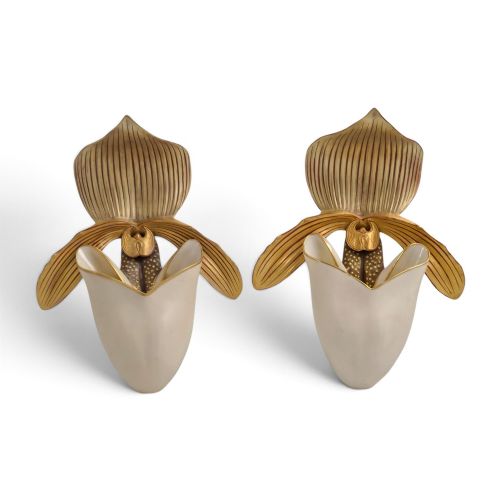
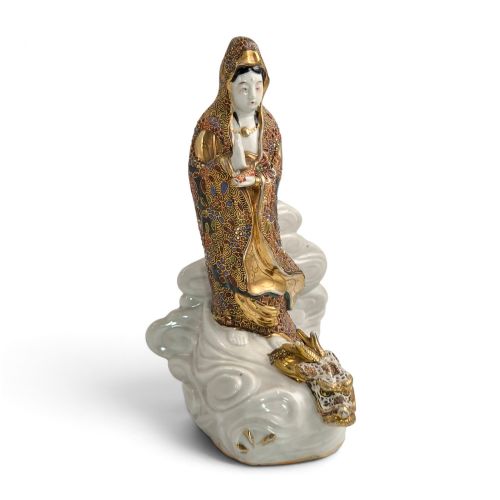
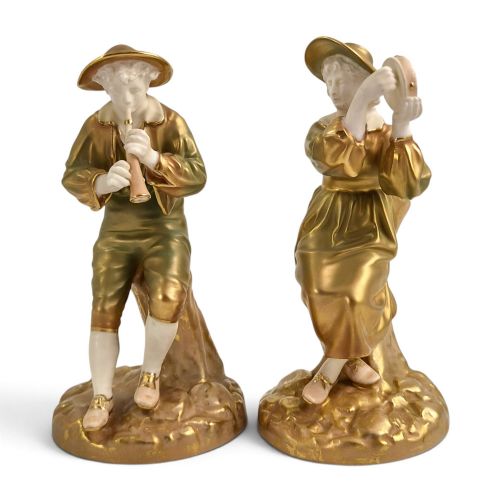
Gold gilded porcelain brings together fired ceramic and precious metal leaf, spanning Regency campana vases and Victorian mantel clocks.
Gold Gilded Porcelain
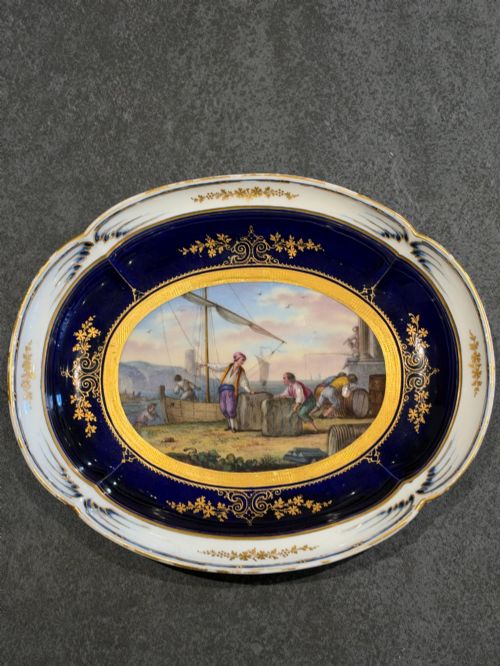
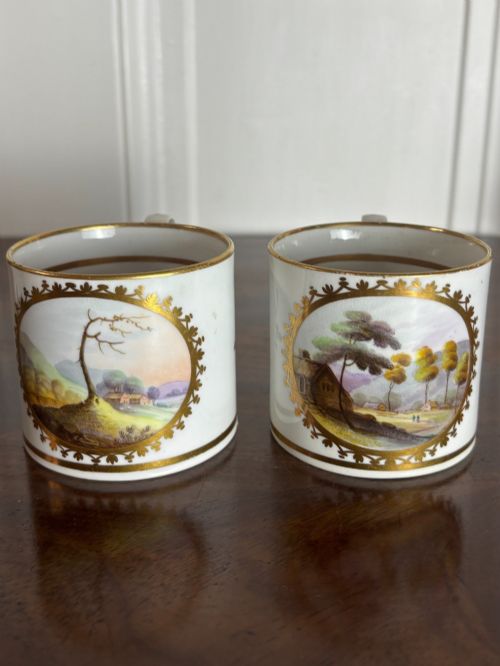
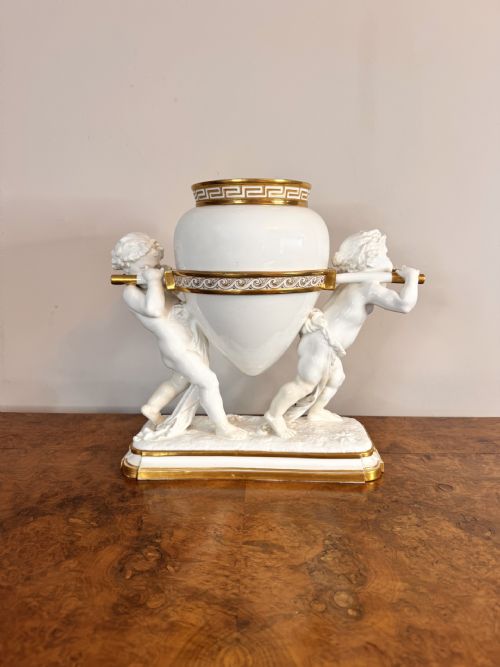
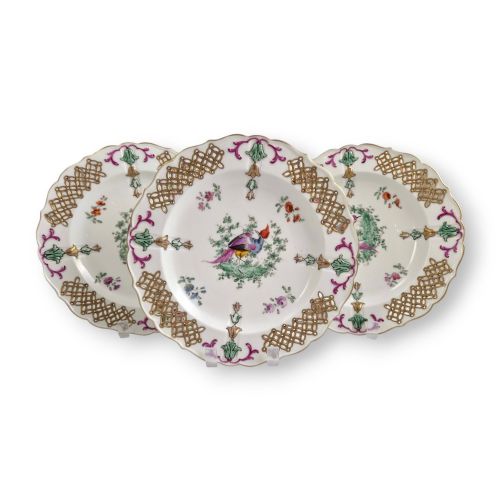
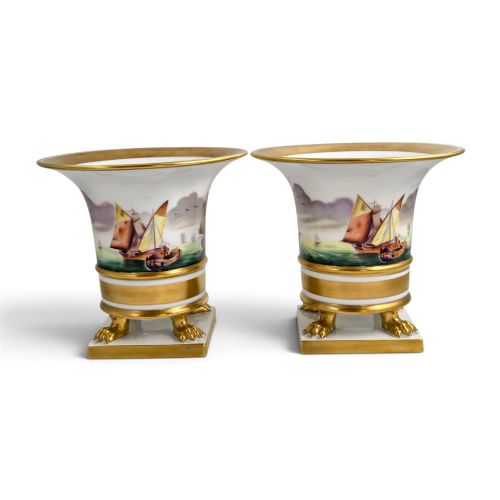
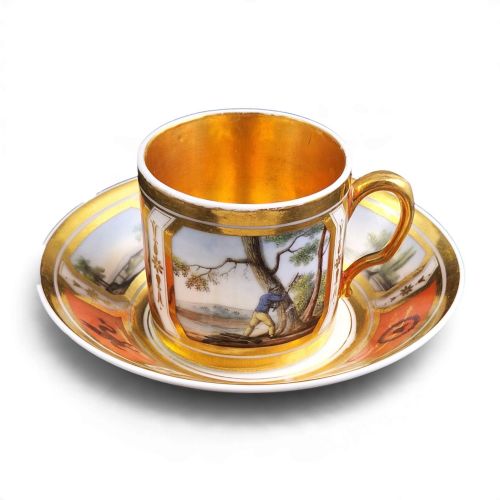
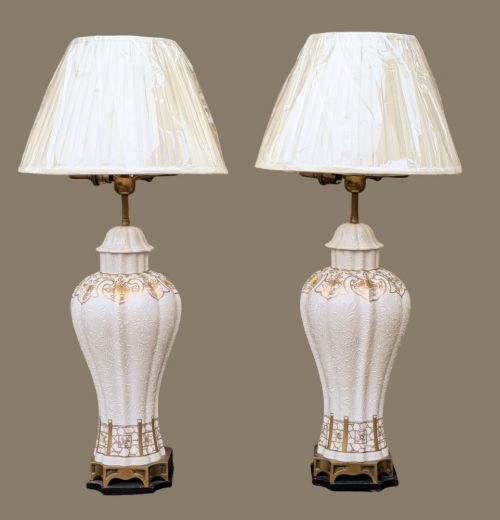
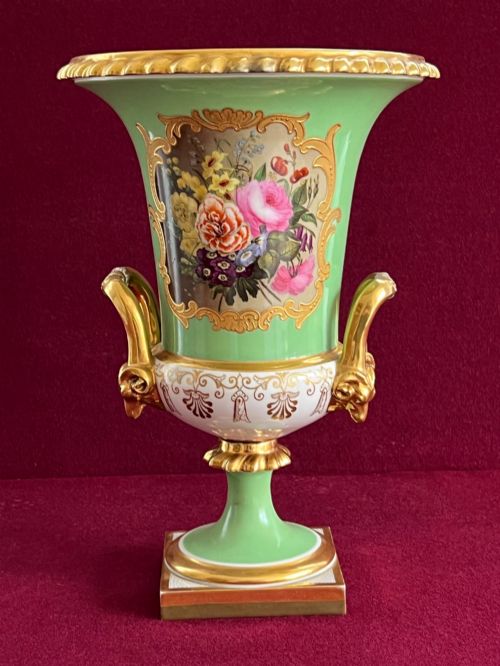
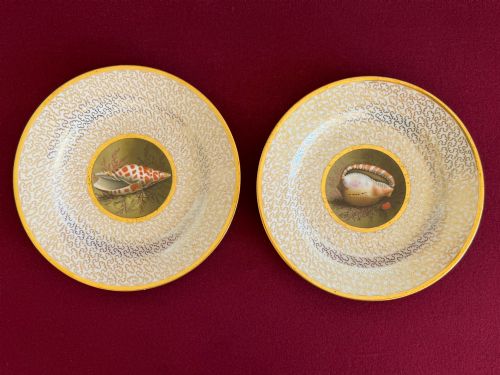
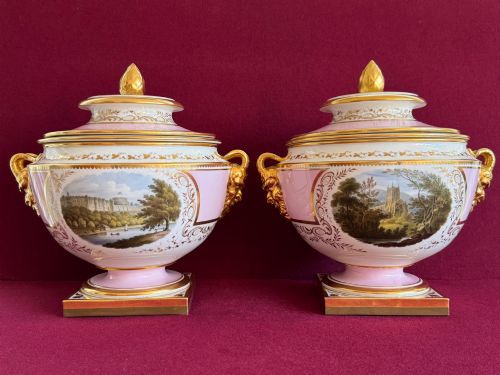
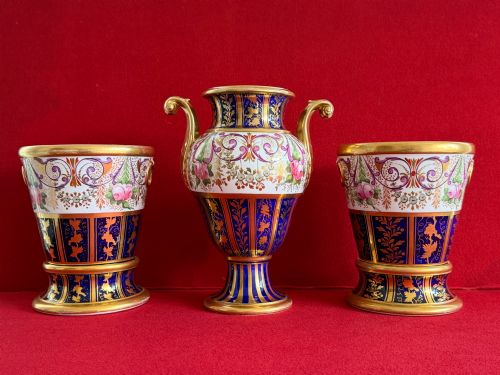
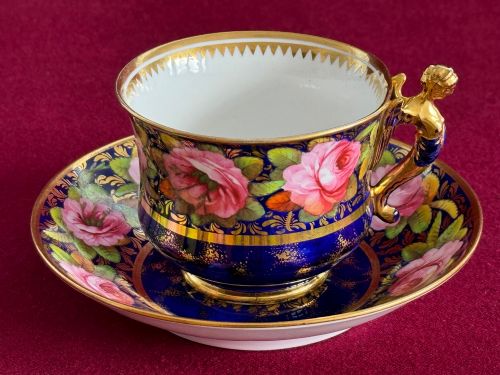
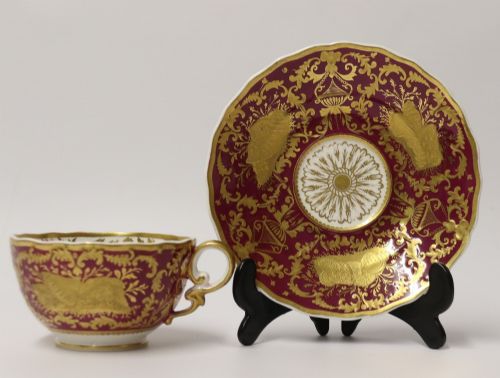
The most common forms met here include tea services, decorative plates, and campana shaped vases. These objects frequently combine hand painted scenes with applied gold leaf or heavier gilding upon bone china, porcelain, and earthenware bodies.
Originating from factories such as Worcester, Spode, and Derby, as well as continental manufacturers like KPM Berlin and Sèvres, these pieces reflect the shifting neoclassical and revivalist tastes of the eighteenth, nineteenth, and early twentieth centuries.
Manufacturing and materials
Makers shaped refined pastes of porcelain, bone china, or earthenware on the potter's wheel or within moulds before firing the body at high temperatures. Artisans then applied enamel colours and gold leaf, burnishing the metallic surfaces by hand to achieve contrasting matte and brilliant finishes.
Several objects integrate ceramic bodies with metal mounts, pairing porcelain plaques or urns with cast ormolu, gilt bronze, and gilt brass. These combined items required both ceramic firing expertise and precise metalworking skills to unite the divergent materials securely.
Gold Gilded Porcelain Retail Price Guide 2026
Typical asking prices for gold gilded porcelain among the pieces listed under this phrase on Sellingantiques today, from the lower quarter to the upper quarter. They describe what is for sale here now, not the wider market.
The listings span multiple centuries, incorporating Georgian, Regency, Victorian, and 1930s objects created across English, German, French, Austrian, and Japanese traditions.
Assessing quality and execution
The standard of gold gilded porcelain depends heavily upon the precision of the hand painting and the thickness of the applied metal work. Superior examples exhibit finely detailed brushwork, such as topographical landscapes or botanical studies executed by named artists, alongside crisp, burnished gilding that retains its texture and depth.
Form and proportion also distinguish the finer items, where handles, lids, and mounts integrate harmoniously with the vessel body rather than appearing heavy or disjointed. Pieces retaining factory marks, pattern numbers, or provenance linked to significant services command greater attention from discerning collectors.
Flight Barr and Barr·Royal Crown Derby·Imperial Porcelain Factory·Japy Freres·Achille Brocot
The Gold Gilded Porcelain Glossary
- Campana
- A bell shaped vessel form popular for classical vases and ice pails during the Regency period. This profile draws inspiration from ancient Roman pottery.
- Garniture
- A set of three or more matching vases or decorative objects designed to be displayed together on a mantelpiece or sideboard. They typically feature a central larger vessel flanked by symmetrical smaller pieces.
- Ormolu
- Finely chopped high-karat gold applied to a bronze base through a mercury amalgamation process, or cast gilt brass used for decorative mounts on nineteenth-century French clocks and porcelain.
- Imari
- A decorative style featuring rich underglaze blue and iron red overglaze enamels, heavily accented with gold. This aesthetic originated in Japan and was widely copied by European factories including Royal Crown Derby.
- Pastille burner
- A small ceramic vessel pierced with holes in the lid, designed to diffuse scented smoke from fragrant pastilles placed inside. These domestic pieces often received intricate gilding and hand-painted panels.
Gold Gilded Porcelain: Frequently Asked Questions
How do I clean gilded porcelain safely?
Dust surfaces gently with a soft, dry artist brush to remove particles without disturbing delicate metallic leaf. Avoid liquid cleaners, abrasive cloths, or immersion in water, as moisture can degrade aged enamels and adhesives.
Store pieces away from direct sunlight and fluctuating humidity to protect both the ceramic body and the bright burnished gold details from tarnishing or flaking over time.
How can I date a piece of porcelain?
Examine the underside of the vessel for painted factory marks, impressed ciphers, or pattern numbers that correspond to specific historical production periods. Stylistic cues such as Regency neoclassical shapes or Victorian floral motifs also help narrow down the decade of manufacture.
Reference marks against known factory timelines maintained by museums and specialist ceramic societies to confirm whether a piece belongs to the Georgian, Victorian, or later eras.
What is an ormolu mount?
Ormolu refers to cast bronze or brass treated with a gold finish, used to frame and support decorative porcelain clocks, vases, and urns. These metal additions provided structural reinforcement and added visual grandeur to nineteenth-century French and English decorative arts.
Artisans cast and chased the metal components by hand, securing them tightly around the ceramic body to create unified ornamental objects for formal interiors.