
Gold Gilded Framed Art
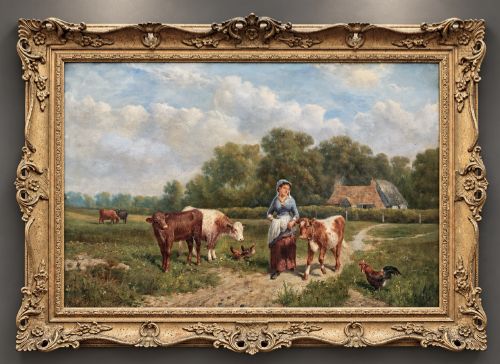
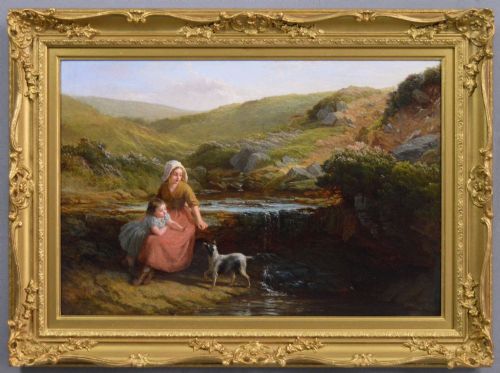
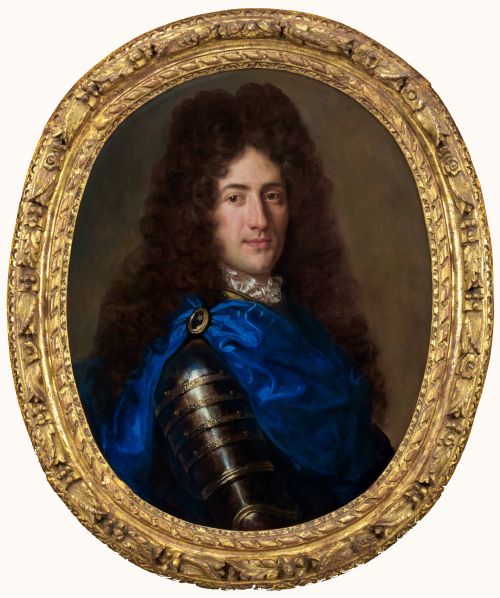
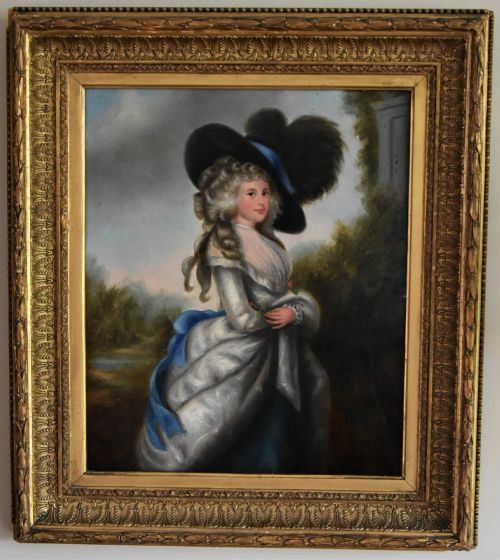
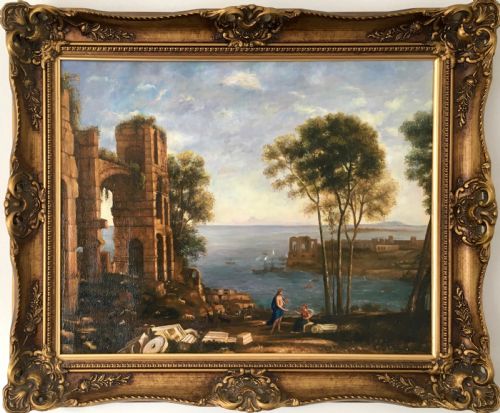
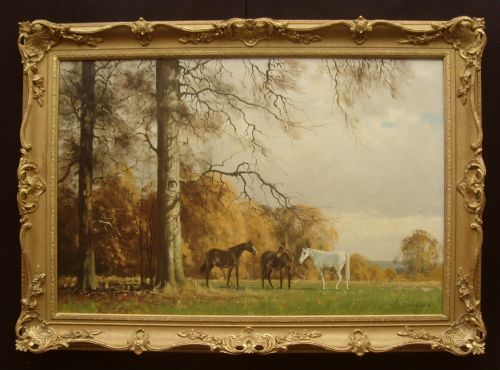
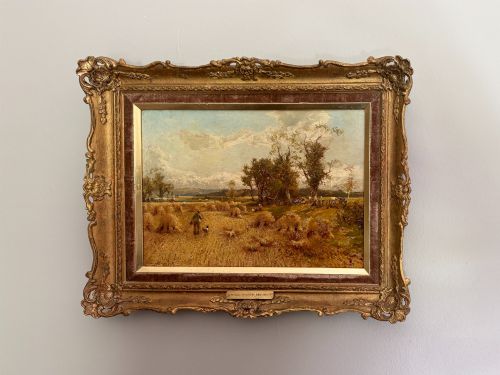
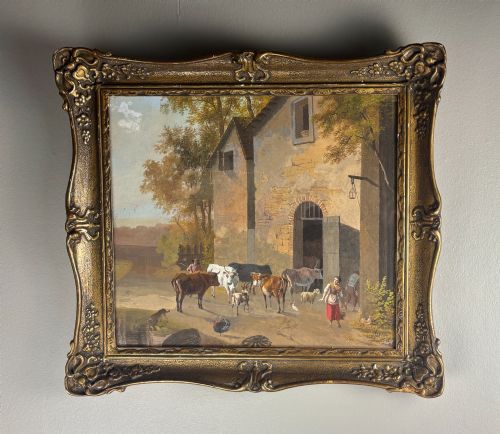
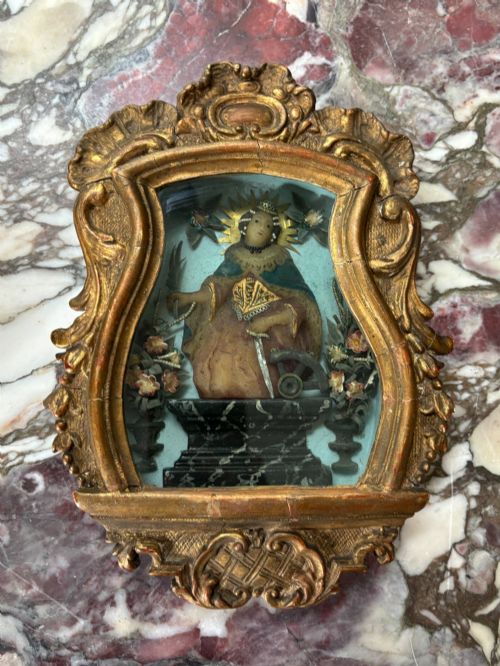
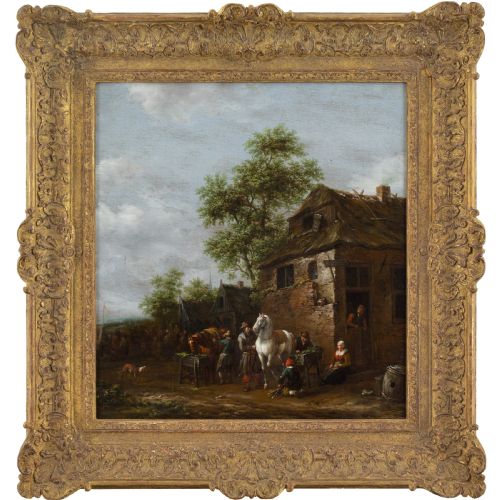
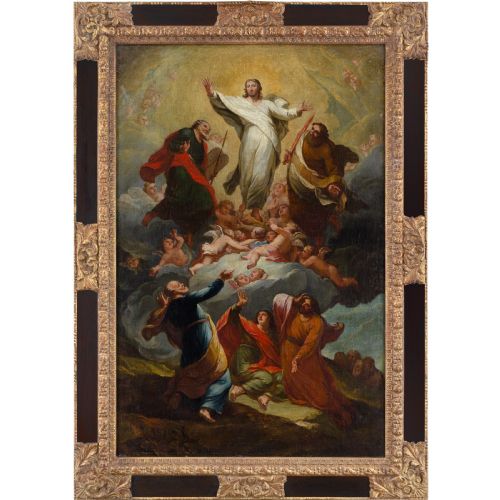
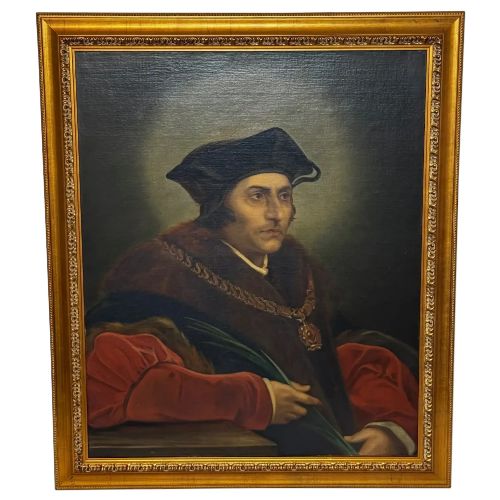
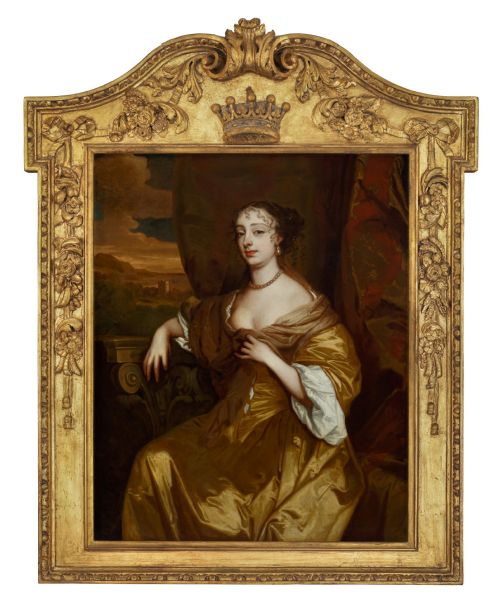
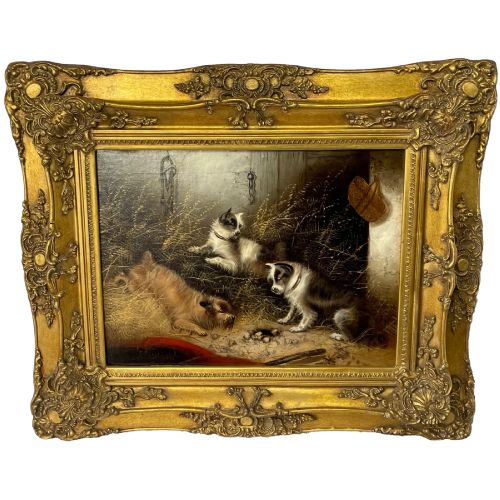
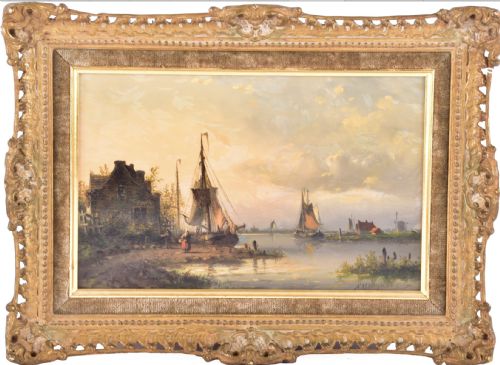
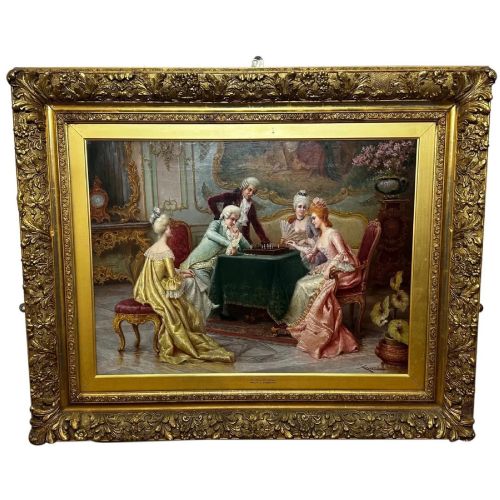
Gold gilded framed art brings together centuries of painted oil portraits, landscapes, and floral still lifes enclosed within ornate wooden borders.
Gold Gilded Framed Art
Gold gilded framed art primarily encompasses oil paintings on canvas or panel produced across the seventeenth, eighteenth, nineteenth, and twentieth centuries. Buyers seeking these pieces encounter portraits, landscapes, and botanical scenes held inside decorative boundaries.
The objects span varied aesthetic movements including the Georgian, Victorian, Regency, and French Rococo styles. Portraits of nobility sit alongside pastoral landscapes and Dutch style floral still lifes within this grouping.
Surviving examples range from small panel paintings to monumental canvases measuring several feet across. Many pieces reflect academic traditions, studio copies, and regional school works from Britain and continental Europe.
Materials and Construction
Makers constructed the support structures from seasoned timber, stretching linen canvas or mounting wooden boards to receive the ground layer. Artists then applied oil paint, pastel, or watercolour pigments to build up the composition.
Frames utilised carved wood or moulded gesso as a base, onto which artisans applied thin sheets of gold leaf. This metal leaf layer created a reflective metallic surface that enhanced the visual depth of the artwork contained within.
Several paintings feature watchful family pets peering out from the canvas alongside their human owners.
Judging Quality and Execution
Superior examples display confident brushwork, accurate anatomical proportions in portraiture, and subtle modulation of light and shadow across the canvas. Lesser works often reveal rigid lines, flat colour application, or hurried execution by provincial studio assistants.
The quality of the frame frequently mirrors the importance of the artwork itself, featuring deep relief carving and smooth application of gold leaf rather than heavy, uniform modern casting.
Sir Godfrey Kneller·Charles Antoine Coypel·Sir Joshua Reynolds·Joseph Clover·Sir Martin Archer Shee
The Gold Gilded Framed Art Glossary
- Giltwood
- Wood that has been treated with a thin layer of gold leaf or gold powder. This finish provides a bright metallic sheen to picture frames.
- Gesso
- A plaster mixture applied to wood frames to create a smooth surface for gilding. Artisans carved intricate decorative motifs directly into this dried layer.
- Oil on Canvas
- Pigment mixed with drying oils applied to a stretched woven fabric support. This technique dominated European painting from the Renaissance onward.
- Post-Impressionism
- An artistic movement following Impressionism where painters explored emotional depth and expressive forms. Works in this style often retain visible brushstrokes and bold palettes.
Gold Gilded Framed Art: Frequently Asked Questions
How do I date an old gold frame?
Examiners look at the underlying gesso composition, corner joinery, and tool marks left by the carver. Older frames utilise hand-cut wooden mitres and layered preparation materials beneath the gold leaf.
Changes in moulding profiles across periods from Regency to Victorian provide further chronological clues for the collector.
What is a portrait after an old master?
This term describes a painting created in the style of, or directly copied from, a renowned earlier artist. Such works served as study pieces for students or commissioned replicas for private collections.
Many of these secondary versions possess independent artistic merit and high-quality framing.
How should I clean a gilded frame?
Maintenance requires gentle removal of surface dust using a soft, dry brush or feather duster. Moisture and chemical solvents must be avoided to prevent lifting the delicate gold leaf.
Professional conservators should handle any structural repairs or deeper cleaning to protect the original gilding.
Where were most of these paintings produced?
The pieces originate primarily from British and continental European workshops, including prominent centres in France, the Netherlands, and Spain. Regional academies and local portrait studios contributed significantly to the surviving volume.
Artists frequently trained within established traditions before establishing independent practices.