


Gold Framed Oil Artwork
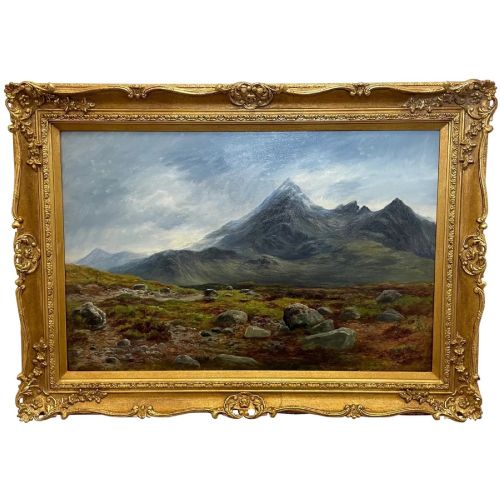
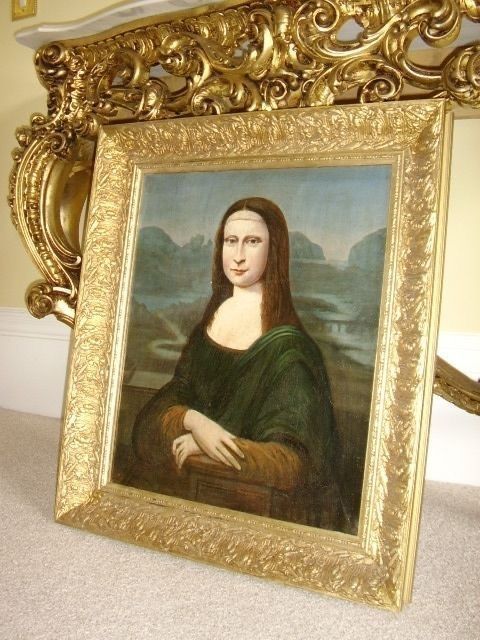
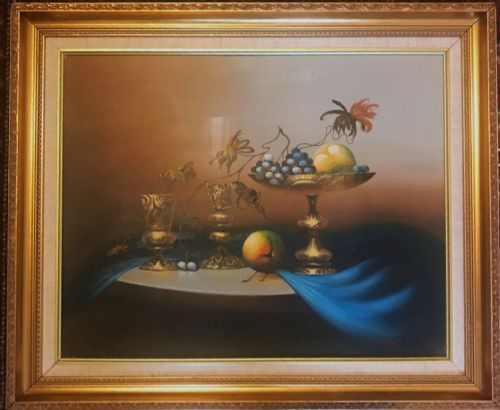
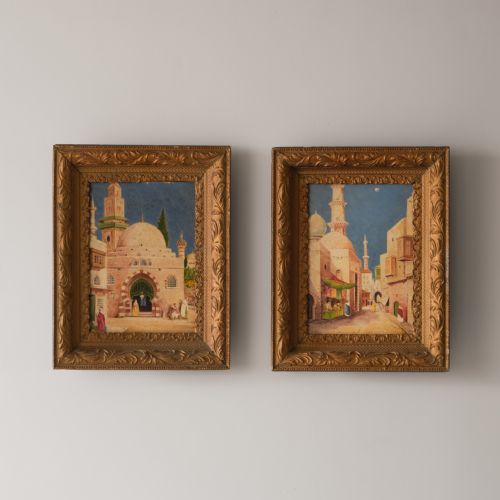
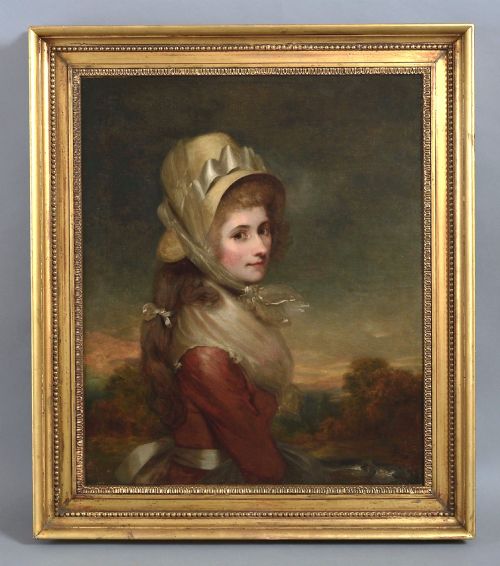
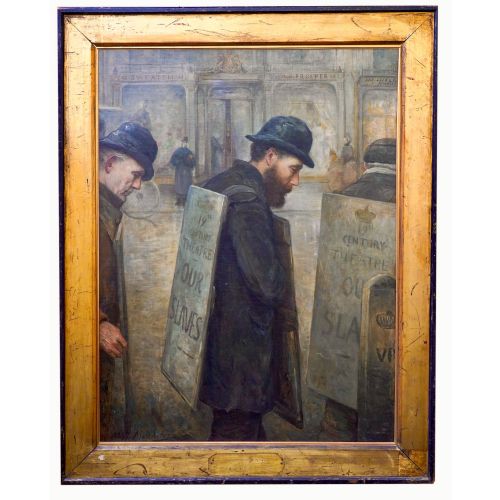
A gold framed oil artwork brings centuries of painted pigment and carved timber together on the wall, offering traditional portraits and landscapes for the interior.
Gold Framed Oil Artwork
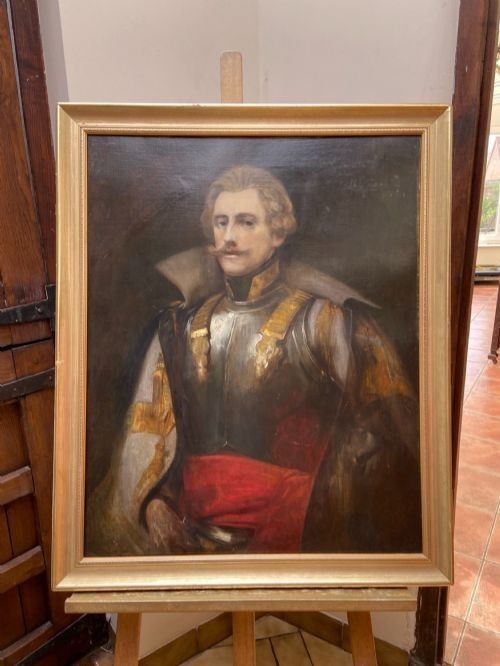
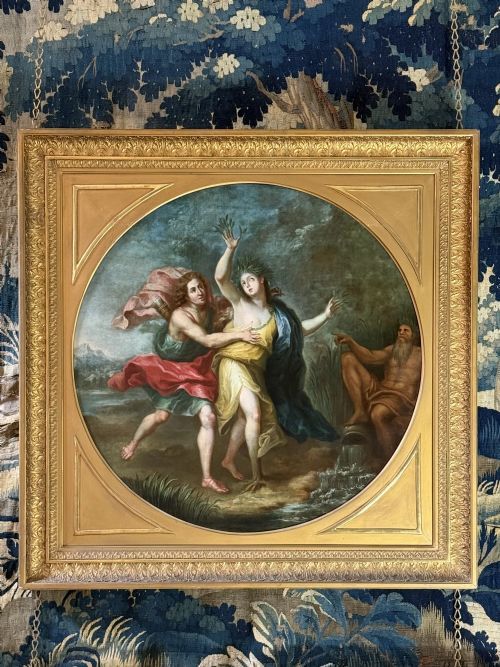
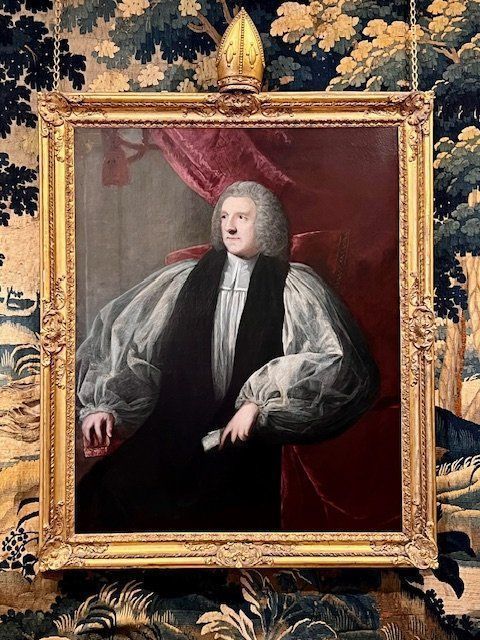
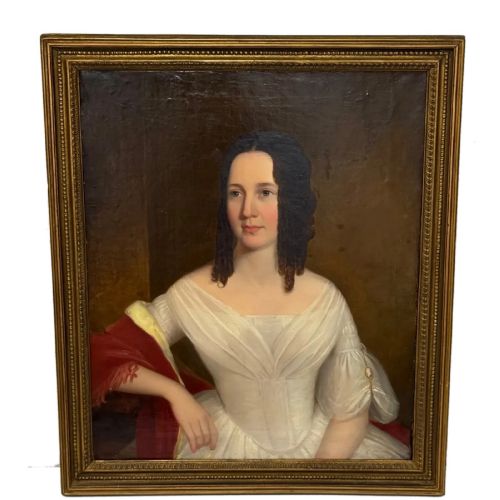
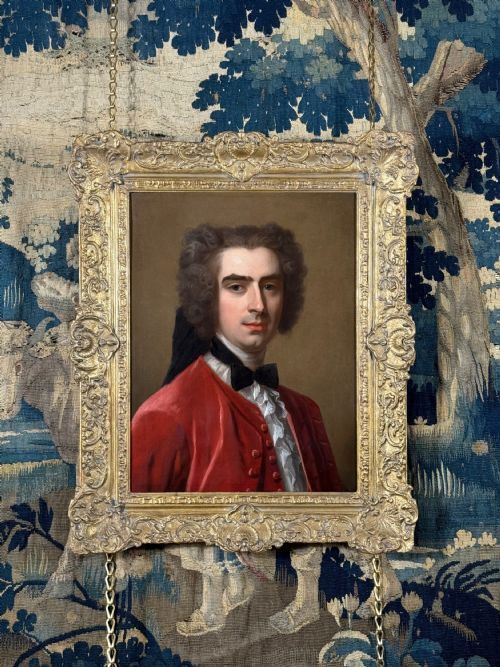
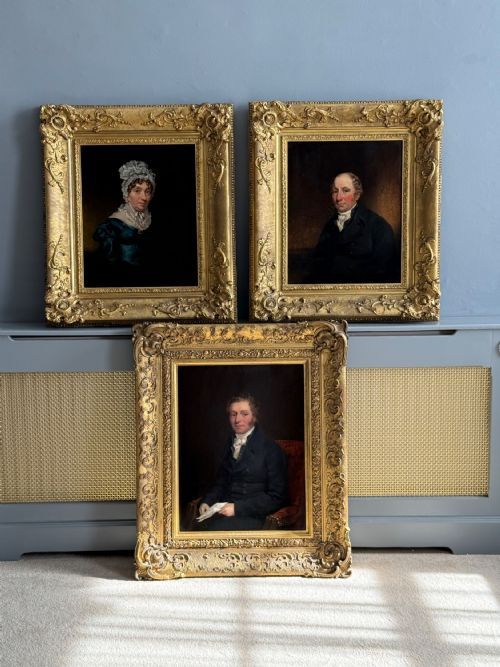
When searching for gold framed oil artwork, collectors encounter portraits, landscapes, and maritime scenes spanning from the seventeenth century through to the mid-twentieth century. The selection includes grand historical depictions of nobility alongside quieter pastoral views and still lifes.
The version most commonly met on this page is the nineteenth-century canvas, often set within a heavy wooden moulding finished in leaf or gilt. These pieces range from intimate panel paintings to monumental works capturing social history and individual likenesses.
Earlier examples stretch back to the seventeenth and eighteenth centuries, bearing the distinctive dark varnishes and classical compositions of the Baroque and Georgian periods. Later twentieth-century entries show the lingering influence of Victorian styles alongside post-impressionist handling.
Materials and construction
These pieces are built upon woven canvas stretched over wooden frames, or occasionally solid wooden panels prepared with a gesso ground. Artists applied oil paint in layers, working from foundational priming up to fine glazes and surface details.
The surrounding surrounds are constructed from carved or moulded wood, finished with layers of gold leaf or gilt applied over a bole layer. This traditional framing process protects the perimeter of the canvas while providing a reflective border that draws the eye into the painted depth.
Gold Framed Oil Artwork Retail Price Guide 2026
Typical asking prices for gold framed oil artwork among the pieces listed under this phrase on Sellingantiques today, from the lower quarter to the upper quarter. They describe what is for sale here now, not the wider market.
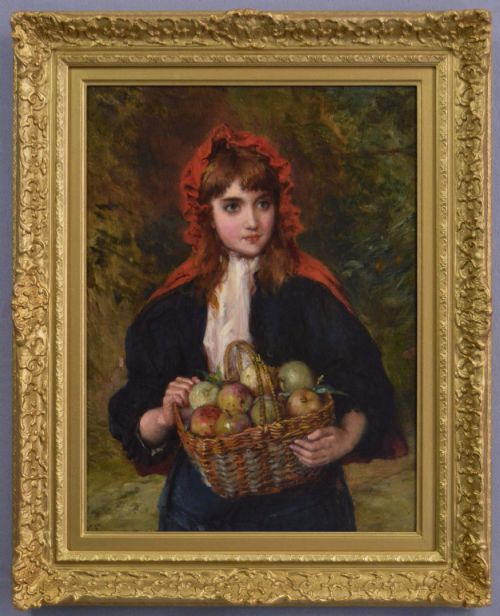
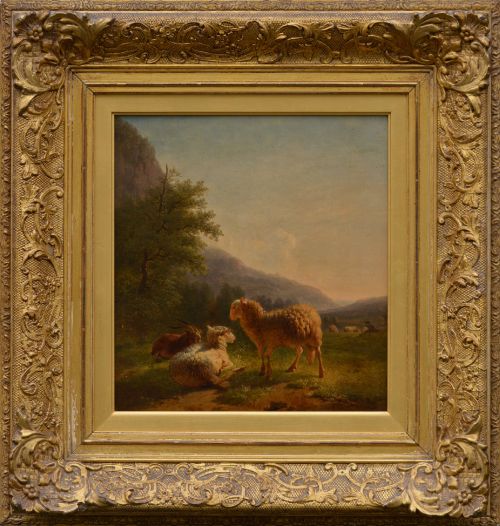
Several sheep, a goat, and an assortment of apples manage to maintain their composure alongside visiting admirals and archbishops.
Assessing quality and execution
Quality in these paintings rests upon the draughtsmanship of the composition, the handling of light and shadow, and the condition of the original paint layer. Master hands achieve depth and texture in drapery and flesh tones that lesser studio copies miss.
The integrity of the surrounding woodwork also dictates value, with hand-carved gilt frames holding greater artisanal merit than later moulded plaster replacements. Original matching pairings of canvas and frame represent a higher level of historical preservation.
Charles Antoine Coypel·Sir Joshua Reynolds·William Oliver·Eugène Verboeckhoven·Jean Baptiste Van Loo·Joseph Clover·William Beattie Brown·Jozsef Molnar·Sir Martin Archer Shee·Felix Stone Moscheles·Valentine T Garland·Dumini Leopoldo·Sir Peter Lely·William Howard Hardy·Arthur Wardle·Jeremiah Davison·Francois Boucher·Eugène Louis Gillot·John Horace Hooper·Robert Heinrich·William McAlpine·Reginald Arthur Borstel·Sir Godfrey Kneller·Pieter Borsseler·William Joseph Shayer Senior
The Gold Framed Oil Artwork Glossary
- Giltwood
- Wood that has been coated with gold leaf or a gold-coloured metallic finish. This material forms the characteristic bright borders surrounding historic paintings.
- Oil on Canvas
- Pigment mixed with a drying oil such as linseed, applied to a woven fabric support. This combination provides flexibility and rich colour saturation for the artist.
- Panel painting
- Artwork executed on a rigid flat surface made of wood rather than stretched fabric. These supports are typical of earlier historical periods.
- Gesso
- A plaster mixture used as a smooth base coat on wooden panels or frame mouldings before gilding. It provides a bright, uniform foundation for subsequent layers.
- Provenance
- The documented history of ownership associated with a painting. Clear records help establish the authenticity and lineage of portrait subjects.
Gold Framed Oil Artwork: Frequently Asked Questions
How should I clean a historic oil painting?
Surface dust can be removed gently with a very soft, dry brush, taking care not to press against the canvas tension.
Any deeper cleaning or removal of aged varnish requires a professional conservator to prevent damage to the underlying pigment.
Are these frames original to the paintings?
Many historic works retain their period surrounds, though frames were frequently updated by past owners to match changing interior fashions.
Close inspection of the rebate and corner mitres often reveals whether the timber housing shares the same age as the canvas within.
How do I identify the period of a portrait?
Clothing styles, hairstyles, and framing techniques provide the clearest initial clues for dating historical likenesses.
Written inscriptions on the reverse of the canvas or stretcher bars often record the sitter's identity and the year of creation.
What is the best way to hang heavy oil paintings?
Monumental works require secure fixings anchored directly into wall studs or masonry using appropriate weight-rated hardware.
Picture wire should be inspected regularly and replaced if showing any signs of fraying or fatigue under tension.