

Gold Framed Nautical Artwork
Gold framed nautical artwork brings together historic marine oil paintings and watercolours enclosed within gilded wooden surrounds.
Gold Framed Nautical Artwork
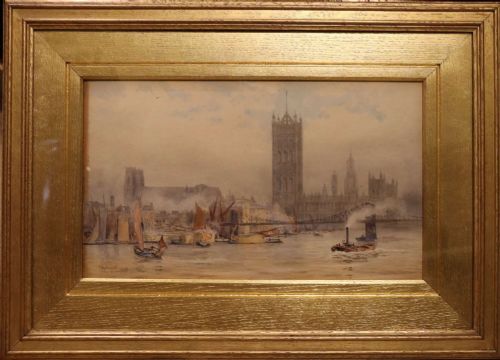
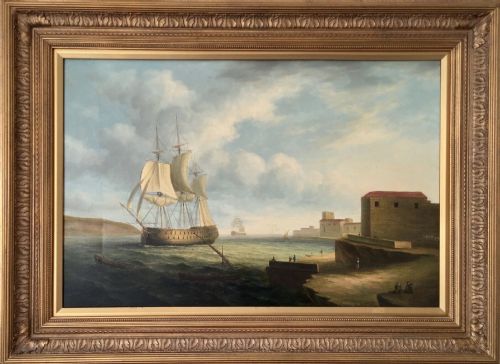
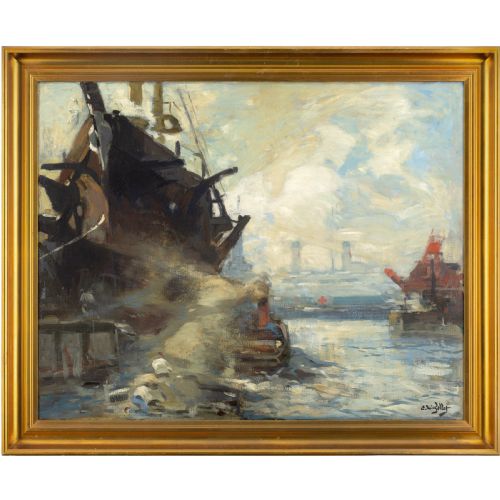
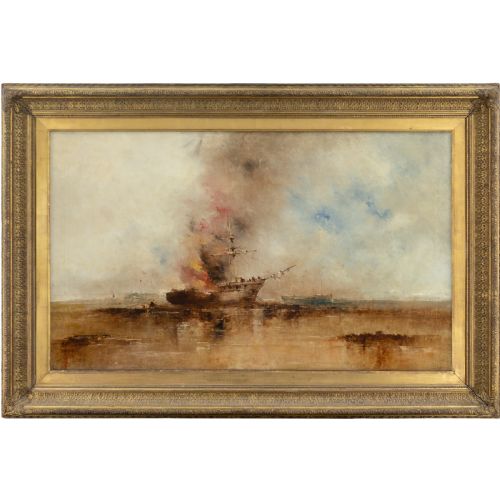
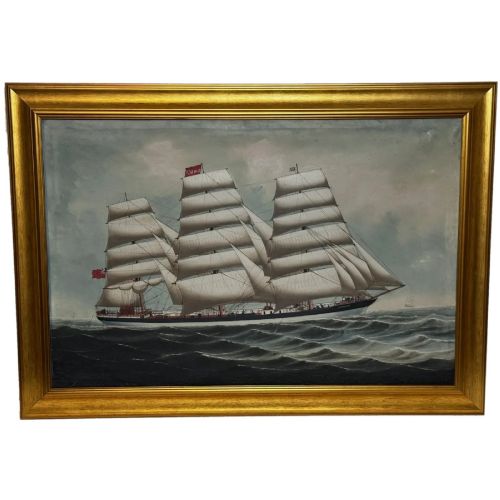
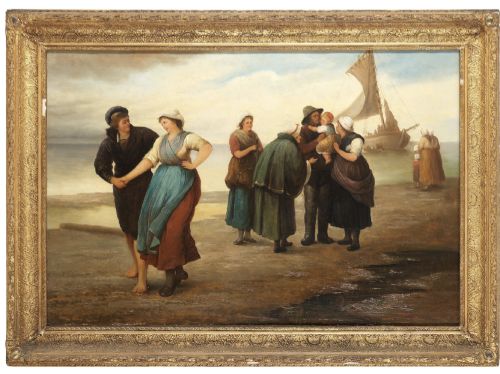
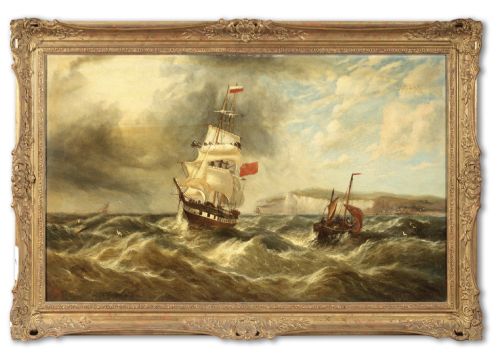
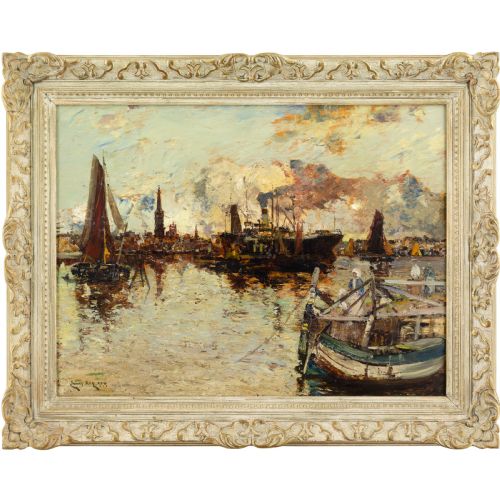
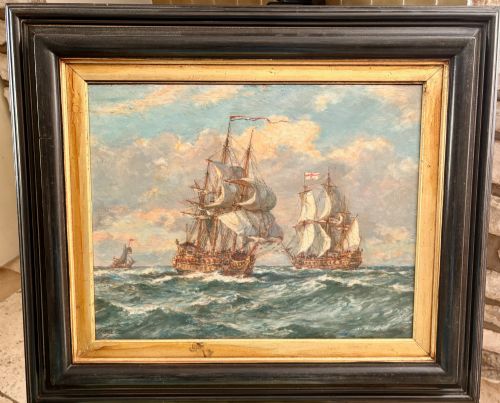
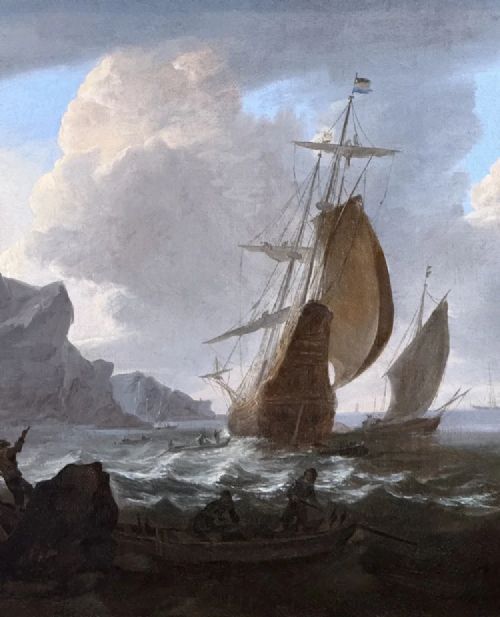
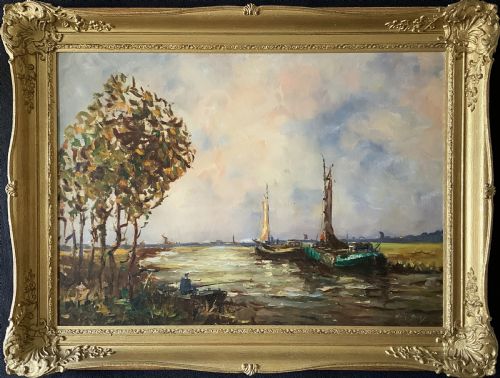
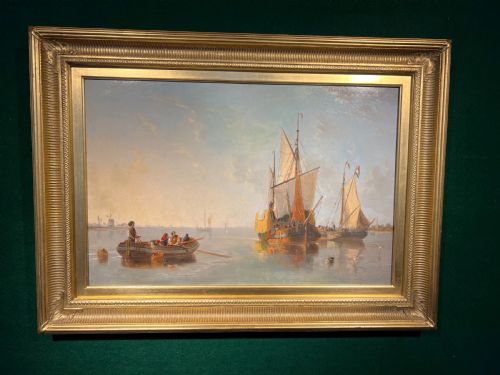
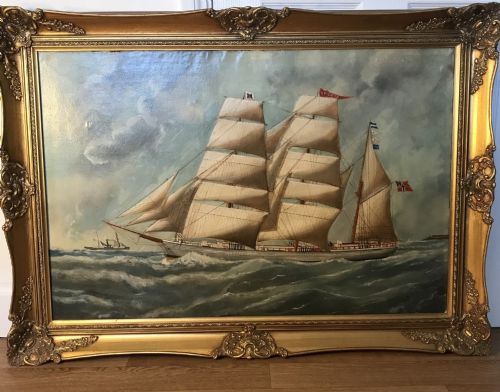
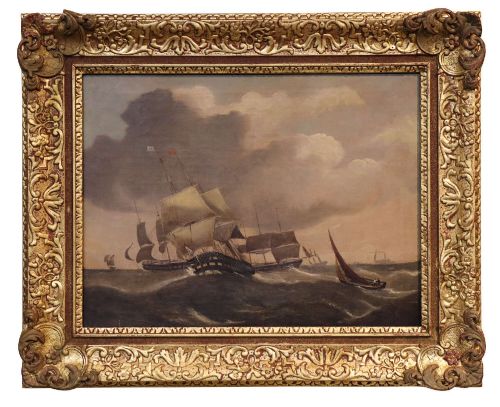
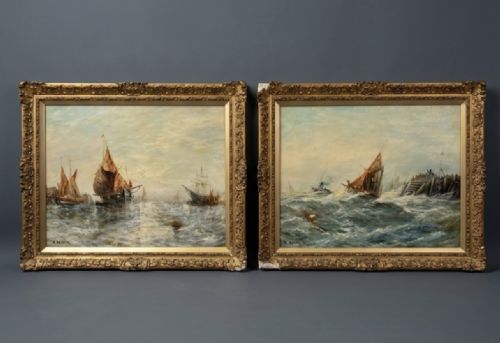
When you search for gold framed nautical artwork, you encounter historical marine paintings depicting ships, harbours, and coastal scenes. These works capture maritime subjects ranging from rough seas to peaceful ports in oil on canvas, board, and watercolour. Victorian and Edwardian periods dominate the selection, alongside nineteenth-century works and mid-century examples.
The visual focus rests heavily upon sailing vessels, three-masted schooners, warcraft, and local fishing boats captured near lighthouses or dramatic shorelines. Many compositions portray specific British and European coastal locations, including the Thames, Cornwall, and Dutch waters. The surrounding gilt frames often complement the maritime themes with period decorative moulding.
Materials and Construction
Artists painted primarily in oil on canvas, wood panel, or card, utilising pigment layers that record maritime light and weather. Watercolour on paper appears frequently in works from the later nineteenth and early twentieth centuries. Glass often protects these watercolours within their housing.
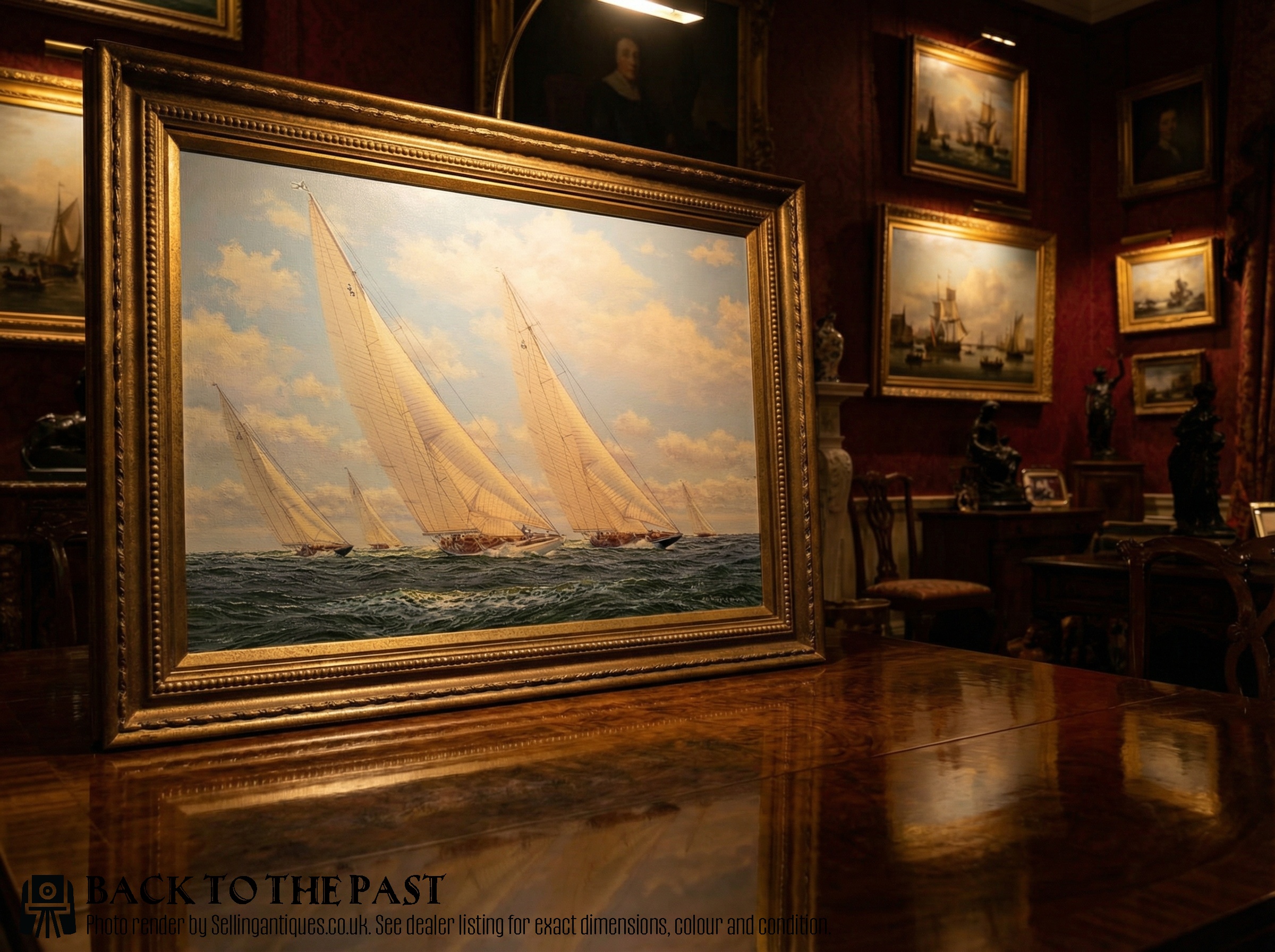
The frames consist of wood treated with gesso and gold leaf or gilt finishes to create a reflective border around the canvas. These surrounds range from simple gilded mouldings to ornate Victorian frames designed to project the painting forward from the wall.
Listings feature works spanning the Victorian, Edwardian, and mid-century periods, executed in oil and watercolour on canvas, board, and paper.
Distinctions in Quality
Quality depends upon the artist's ability to render the movement of water, the rigging of ships, and atmospheric light accurately. Works by documented painters command attention for their detailed brushwork and historical accuracy regarding maritime architecture. Anonymous or school works vary according to the precision of the draughtsmanship and the balance of the composition.
The condition and period authenticity of the gilt frame also influence the overall standard of the piece. Frames that retain their original gilding without excessive modern intervention preserve the historical integrity of the artwork.
Eugène-Louis Gillot·John Wilson Carmichael·Abraham Hulk I·Charles Napier Hemy·Pieter Cornelis Dommersen
The Gold Framed Nautical Artwork Glossary
- Gilt wood
- Wood covered with a thin layer of gold leaf or gilt paste. This finish provides the characteristic metallic sheen seen on period frames.
- Marine oil painting
- An artwork executed in oil paints depicting ships, the sea, or coastal views. These pieces form the core of maritime collections.
- Gouache and watercolour
- Water-soluble media used on paper to render coastal scenes with delicate washes and opaque highlights. These works require glass protection.
- Barque
- A sailing vessel with three or more masts, frequently seen in nineteenth-century maritime compositions. Artists recorded these ships for their commercial and naval importance.
Gold Framed Nautical Artwork: Frequently Asked Questions
How do I care for an antique oil painting?
Keep the canvas away from direct sunlight and sudden temperature changes to prevent the paint layers from cracking. Dust the surface gently with a soft, dry brush without applying pressure.
Avoid using water or chemical cleaners on both the canvas and the gilt frame. Professional conservators should handle any cleaning of the paint surface.
Are these paintings original period pieces?
The listings comprise historic works created during the nineteenth and early twentieth centuries by British and European artists. Materials such as old canvas, wood panels, and period pigments indicate genuine age.
Signatures, dates, and stylistic conventions help place each work within its specific artistic school. Documentation often ties individual paintings to known marine painters of the era.
How should I hang maritime artwork?
Select a wall with stable humidity and minimal exposure to strong natural light to protect the paper or canvas. Ensure the fixing supports the combined weight of the painting and its heavy gilt frame securely.
Position the piece at eye level to appreciate the details of the rigging and coastal topography. Allow adequate space around the frame so the gilded border can reflect room light effectively.
What subjects do these marine paintings feature?
The works depict merchant ships, naval vessels, fishing boats, and royal yachts navigating coastal waters or battling rough seas. Scenes often include specific landmarks such as lighthouses, breakwaters, and harbour walls.
Artists recorded commercial shipping lanes and naval engagements against the backdrop of British and continental ports. Calm river estuaries and dramatic sunsets along the shoreline appear with equal frequency.