





Gold Frame Silk Embroidery
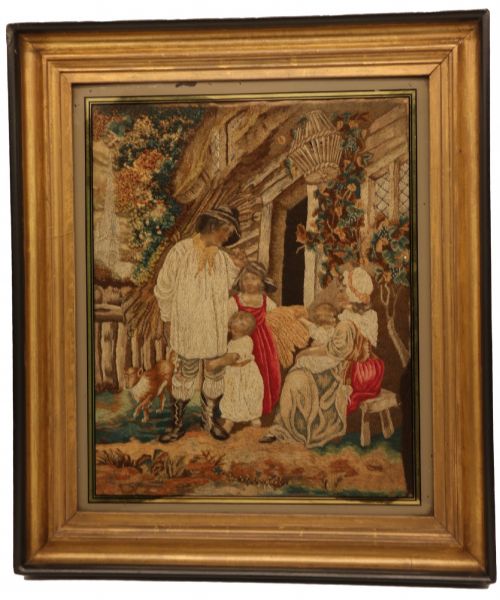
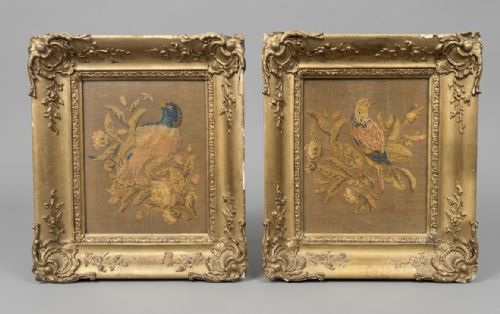
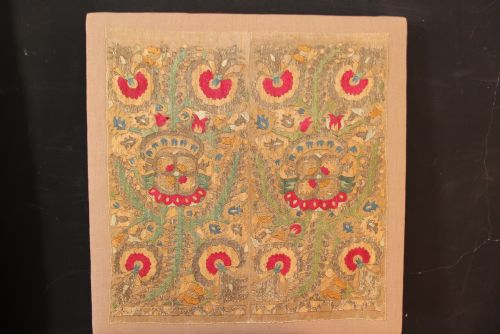
Gold frame silk embroidery pieces combine delicate needlework with lustrous metallic threads, offering a rich historical visual texture that draws collectors.
Gold Frame Silk Embroidery
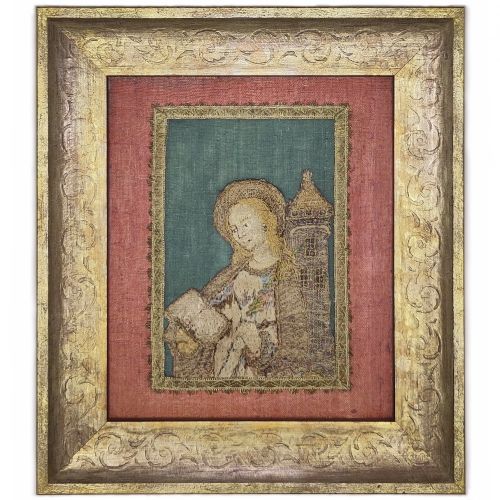
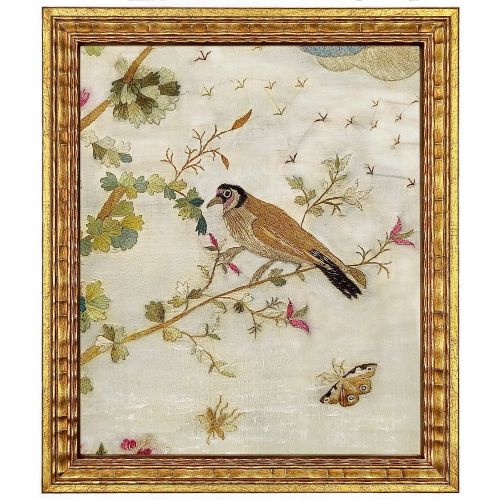
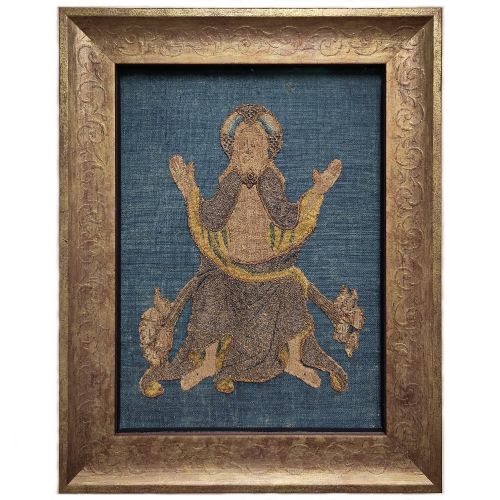
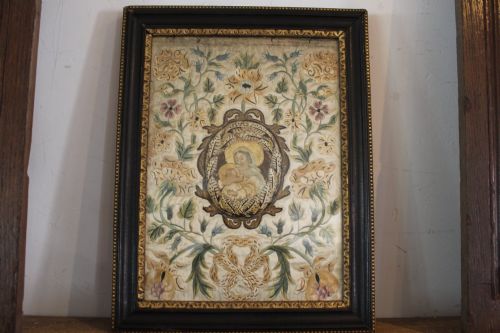
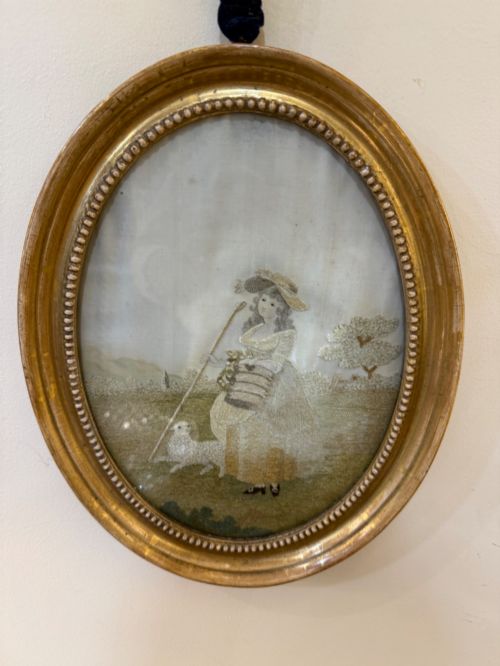
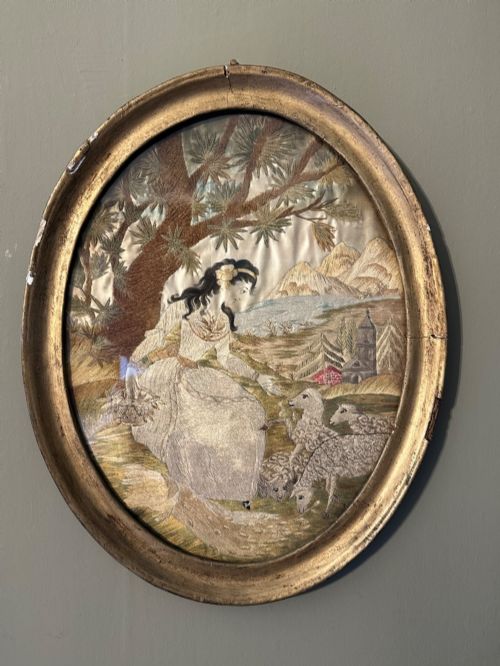
When you search for gold frame silk embroidery, you encounter textile art spanning the seventeenth, eighteenth, and nineteenth centuries, alongside regional pieces from places such as India, China, and Greece. The selection on this page leans heavily toward nineteenth-century English needlework pictures, Georgian and Regency silk works, and seventeenth-century panels framed behind glass in giltwood.
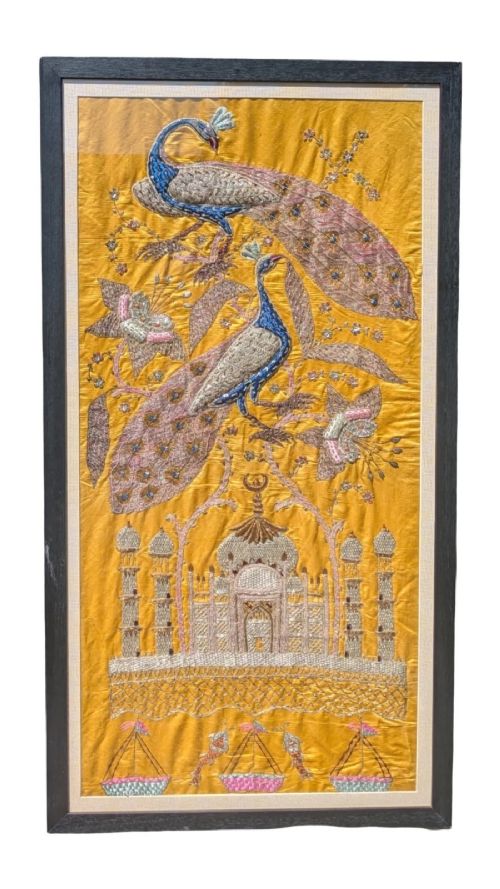
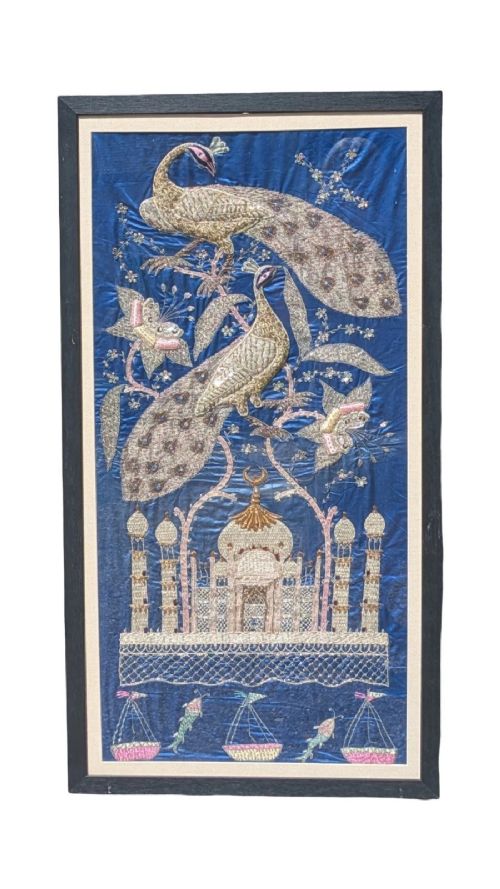
These framed artworks encompass diverse subjects, ranging from horse racing tracks and commemorative military pieces to architectural landmarks like the Taj Mahal, alongside floral motifs and historical figures. Textile forms include crewel work, stumpwork, and hand-painted silk pictures enhanced with metallic thread and wool on linen grounds.
Origins vary widely across the inventory, incorporating English, Dutch, Ottoman, Turkish, Kurdish, and East Asian traditions. Buyers encounter everything from small circular wire thread depictions to large framed panels housed in original water-gilded oval or octagonal wooden frames.
How they were made
The supporting frames are constructed from wood, specifically taking the form of giltwood, gilded wood, or water-gilded frames that often feature mezzotint black glass borders. These housings were built to protect delicate textile art from dust and atmospheric degradation while complementing the shimmer of the metallic thread inside.
Gold Frame Silk Embroidery Retail Price Guide 2026
Typical asking prices for gold frame silk embroidery among the pieces listed under this phrase on Sellingantiques today, from the lower quarter to the upper quarter. They describe what is for sale here now, not the wider market.
Object types recorded include needlework pictures, wall art, framed textile panels, and embroidered garments from multiple continents.
What varies in quality
The sophistication of the needlework technique separates standard decorative pieces from exceptional works, visible in the tightness of the stitch and the complexity of the threadwork. Figures rendered with detailed expression and nuanced shading demonstrate a higher level of artisan skill than simpler geometric or repetitive patterns.
The preservation of the materials and the originality of the housing dictate the standing of a piece within the range. Works retaining their original water-gilded wooden frames and unblemished glass hold greater historical integrity than those with later or replacement surrounds.
The Gold Frame Silk Embroidery Glossary
- Stumpwork
- A style of raised embroidery popular in the seventeenth century that uses padded foundations to create three-dimensional figures and motifs. This technique often depicts historical or biblical scenes with remarkable depth.
- Giltwood
- Wood that has been coated with a thin layer of gold leaf or gold paint. This finish was standard for framing fine needlework pictures across the Georgian and Regency periods.
- Mezzotint glass
- Darkened or black glass used in framing to create a contrasting decorative border around the artwork. It enhances the visual focus of the central silk embroidery.
- Metallic thread
- Flat or twisted metal wire, often gold or silver in appearance, used in needlework to add reflective highlights. It requires careful handling to prevent tarnishing.
Gold Frame Silk Embroidery: Frequently Asked Questions
Are these pieces original to their frames?
Many listings retain their period giltwood or water-gilded frames, though some older textile panels have been reframed over the centuries.
Check the descriptions for mentions of original glass and framing details to confirm period authenticity.
What is stumpwork embroidery?
Stumpwork is a raised embroidery technique that uses padding and wire supports to make figures and elements stand out from the background.
Seventeenth-century examples often feature elaborate costume details and royal portraits executed in this manner.
Where were these embroideries made?
The pieces originate from various regions, with a strong representation of English, Dutch, Ottoman, and Asian craftsmanship.
Each geographic tradition utilises distinct colour palettes, motifs, and framing styles characteristic of its origin.
How do I date a silk picture?
Dating relies on the style of the needlework, the costume of any depicted figures, and the construction methods of the wooden frame.
Georgian and Regency pieces often show distinct pictorial conventions compared to seventeenth-century or later nineteenth-century works.