

Gold Frame Oil Canvas
A gold frame oil canvas brings together centuries of painted artistry and sculptural woodwork to anchor a room.
Gold Frame Oil Canvas
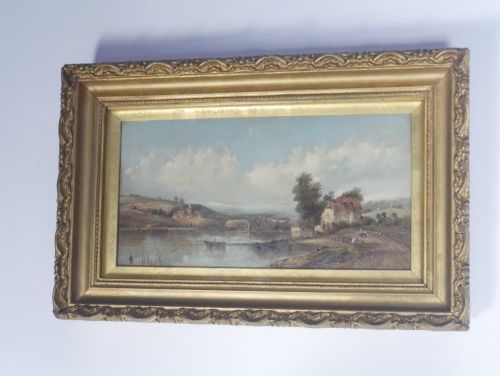
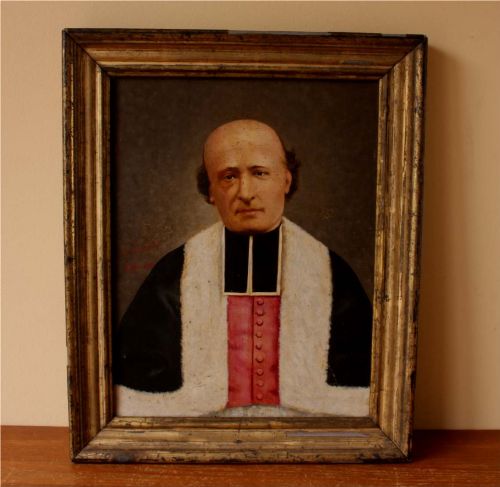
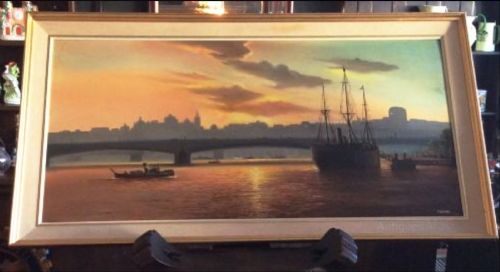
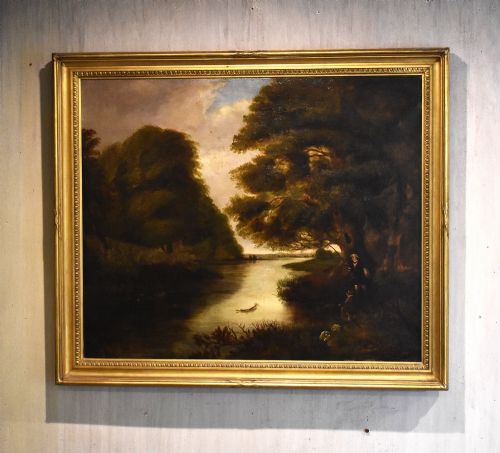
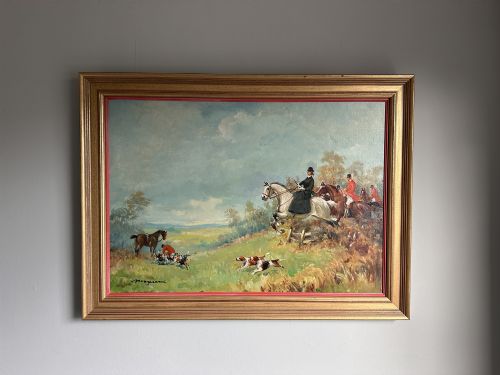
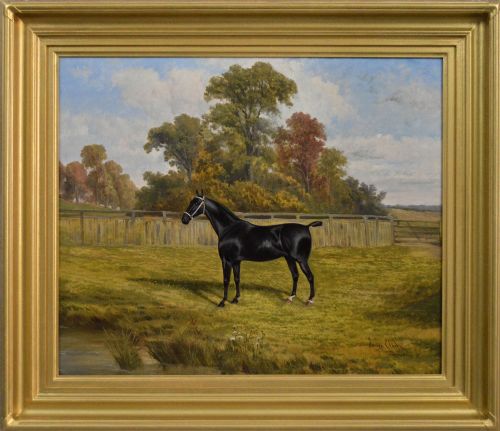
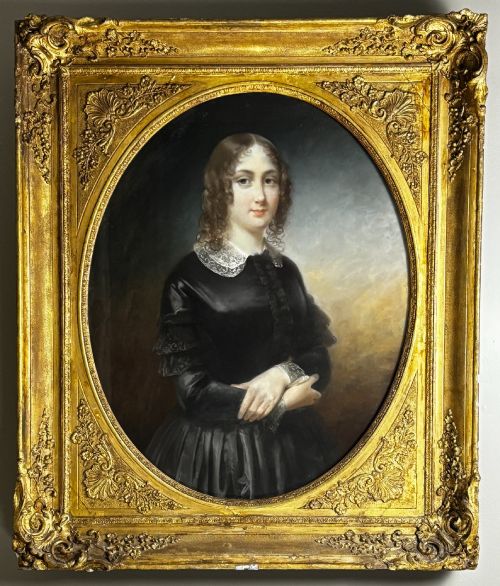
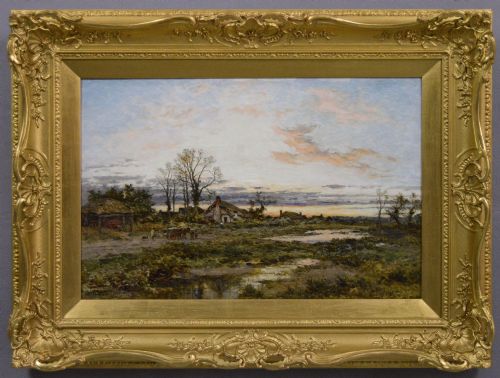
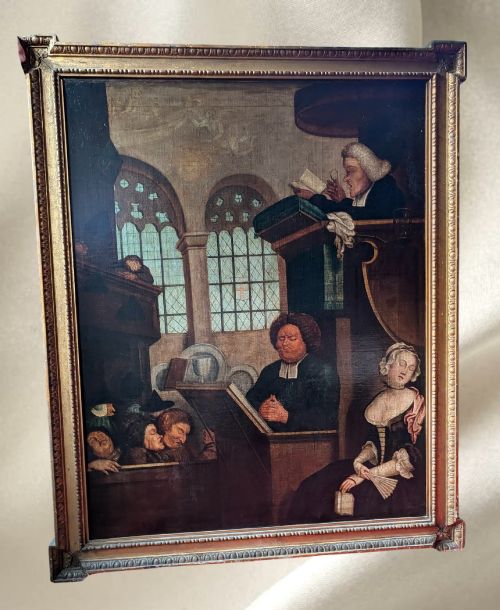
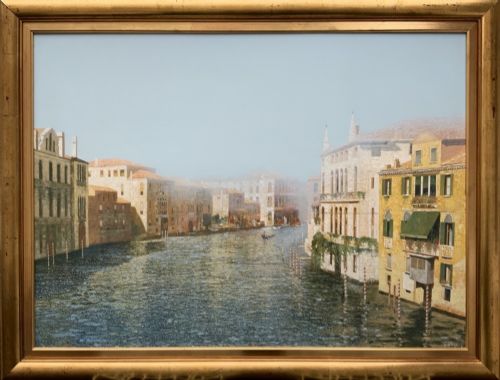
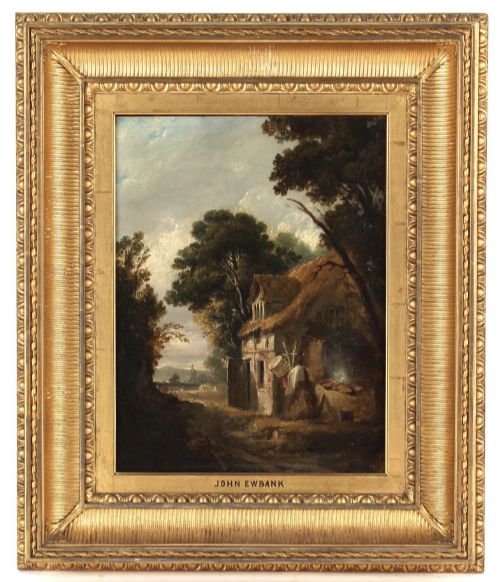
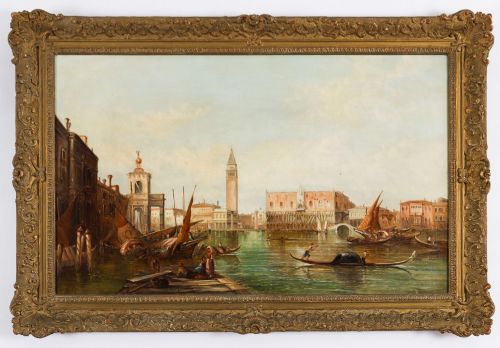
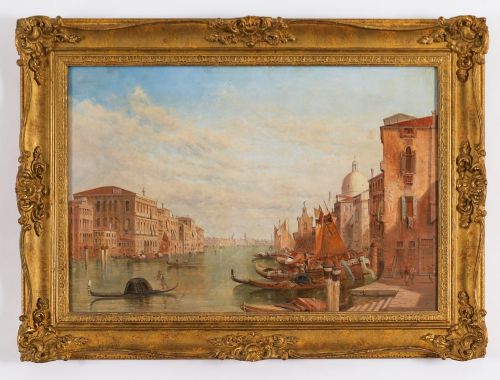
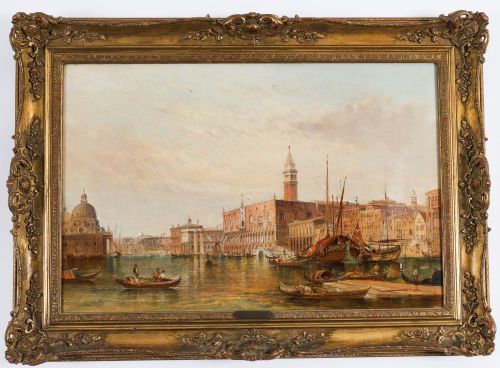
When searching for a gold frame oil canvas, collectors encounter historic works spanning the seventeenth through to the twentieth centuries, featuring oil paint applied to stretched fabric. Portraits, landscapes, and still lifes dominate the selection, often housed in surrounds made of wood treated with gold leaf or gilt.
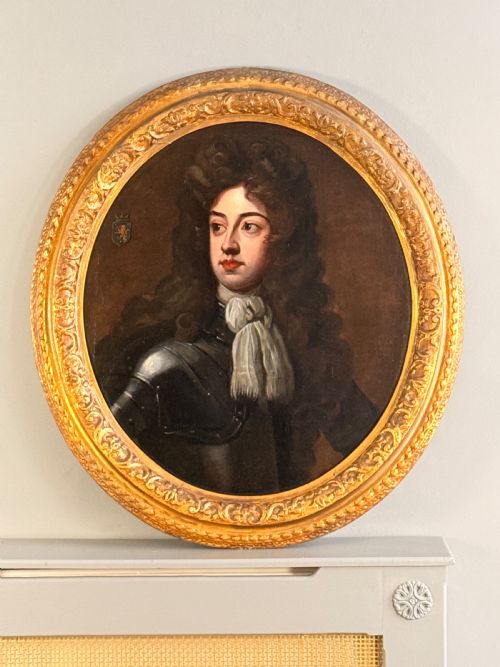
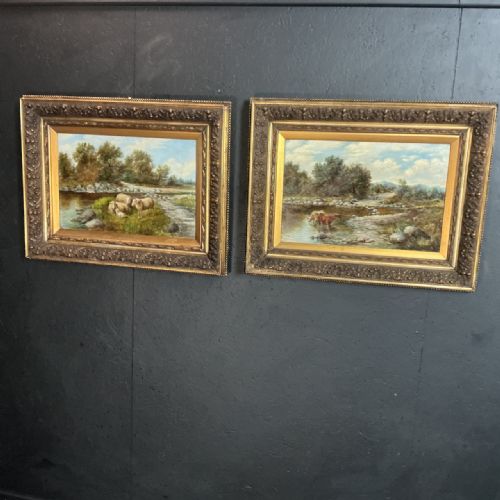
The nineteenth-century pieces and eighteenth-century portraiture appear most frequently on this page, reflecting the enduring popularity of figurative and landscape subjects from those eras. These works range from intimate depictions of country girls and domestic animals to grand military and aristocratic portraits.
Framing forms an integral part of these items, with heavy giltwood borders completing the visual presentation of the canvas. The aesthetic draws on established historical movements such as the Baroque, French Rococo, and Victorian styles.
Materials and technique
Artists painted using oil pigments on woven canvas supports, building up rich layers of colour and shadow that have survived across centuries. The resulting surfaces retain the distinct texture of brushwork and the deep tones characteristic of historic oil painting.
Surrounding the paintings are frames fashioned from timber such as wood, which artisans then coated with gold leaf, gilt, or giltwood. These surrounds often feature intricate mouldings and carved details that reflect the decorative tastes of periods like the Georgian and Victorian eras.
Gold Frame Oil Canvas Retail Price Guide 2026
Typical asking prices for gold frame oil canvas among the pieces listed under this phrase on Sellingantiques today, from the lower quarter to the upper quarter. They describe what is for sale here now, not the wider market.
Listings feature works from the seventeenth century through to the nineteen-sixties, utilising oil on canvas and giltwood.
What separates the fine from the ordinary
Quality in these works rests upon the precision of the brushwork and the anatomical or spatial command shown by the artist. Master paintings display subtle gradations of light and shadow, particularly in portraiture and landscape depth, whereas lesser works rely on stiff composition and flat application.
The craftsmanship of the housing matters equally, with hand-carved giltwood surrounds showing crisp ornament and deep relief compared to simpler, heavily restored mouldings. Original pairings of painting and frame elevate the overall integrity of the piece.
G. J. S. Bary·George Armfield·Theude Grönland·Charles Antoine Coypel·Sir Joshua Reynolds·William Oliver·Eugène Verboeckhoven·William Beattie Brown·Jozsef Molnar·Sir Martin Archer Shee·Felix Stone Moscheles·Georges de La Tour·John Hayls·Valentine T. Garland·John Maler Collier·Dumini Leopoldo·Sir Peter Lely·Arthur Wardle·Jeremiah Davison·Francois Boucher·Eugène Louis Gillot·John Horace Hooper·William McAlpine·Reginald Arthur Borstel·Sir Godfrey Kneller
The Gold Frame Oil Canvas Glossary
- Giltwood
- Wood that has been coated with a thin layer of gold leaf or metallic gilt for decorative effect. This material is characteristic of high-status antique frames.
- Oil on Canvas
- A painting technique utilising pigments suspended in a drying oil, applied to a stretched canvas support. This medium allows for rich blending and enduring colour depth.
- Baroque
- An artistic style spanning the seventeenth and early eighteenth centuries, known for drama, deep colour, and grand theatrical compositions. Pieces from this period often feature intense contrasts of light and dark.
- Rococo
- A decorative style originating in France, characterised by ornate curves, asymmetry, and whimsical motifs. Frames and paintings from this tradition display elaborate, flowing ornamentation.
Gold Frame Oil Canvas: Frequently Asked Questions
How do I date an oil painting?
Dating relies upon stylistic cues in the clothing, hair, and background architecture, alongside the construction methods of the stretcher and frame. Pigment analysis and canvas weave also offer clues to the period of creation.
Signatures, inscriptions, and artist records provide further confirmation when present on the reverse or front of the canvas.
Are original frames important?
Original frames contribute significantly to the historical integrity and visual harmony of an antique oil painting. They show the matching aesthetic tastes of the period in which the artwork was housed.
Swapped or later frames alter the overall presentation, though many historic works underwent reframing during subsequent centuries.
How should I hang canvas art?
Canvas art requires stable wall fixings that match the weight of the heavy timber and gilt frame. Secure picture wire or D-rings distribute the load evenly across the structure.
Placement should avoid direct sunlight, damp walls, and heat sources to prevent the canvas from sagging and the oil paint from cracking.
What is the difference between schools?
Attributions to specific schools, such as the English or Flemish school, indicate the regional training and stylistic traditions of the artist. These designations help contextualise the handling of light, subject matter, and composition.
Many historic works remain unsigned, making regional school attribution the primary method for identifying their artistic origin.