

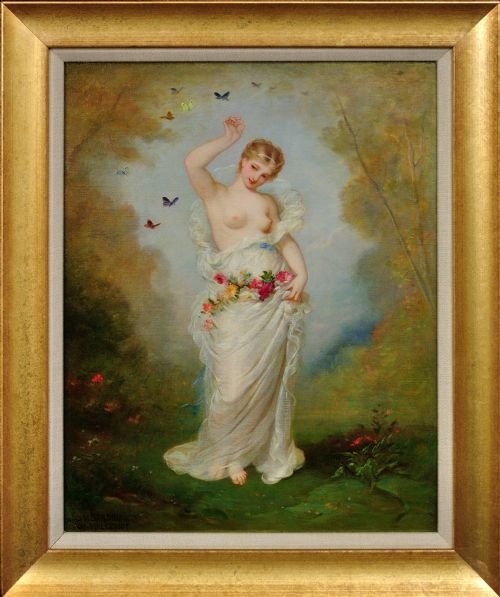


Victorian Era Oil Canvas
When you search for a victorian era oil canvas, you enter a world of painted portraits, rural landscapes and coastal scenes spanning the nineteenth century.
Victorian Era Oil Canvas
A victorian era oil canvas encompasses fine art paintings created across the nineteenth century, including works from the Regency period, the 1860s, and the 1880s.
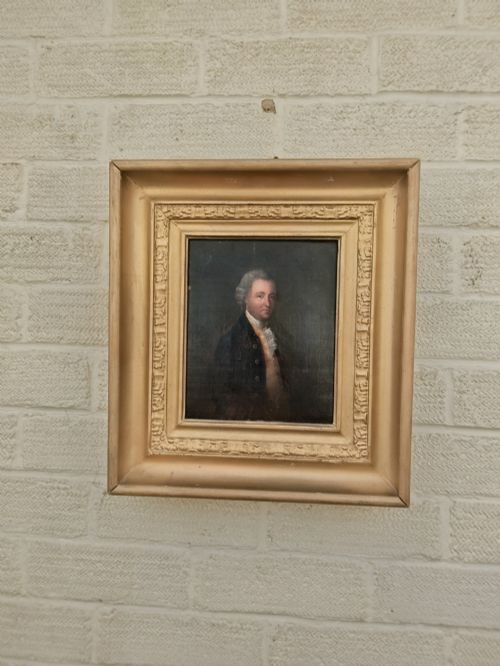
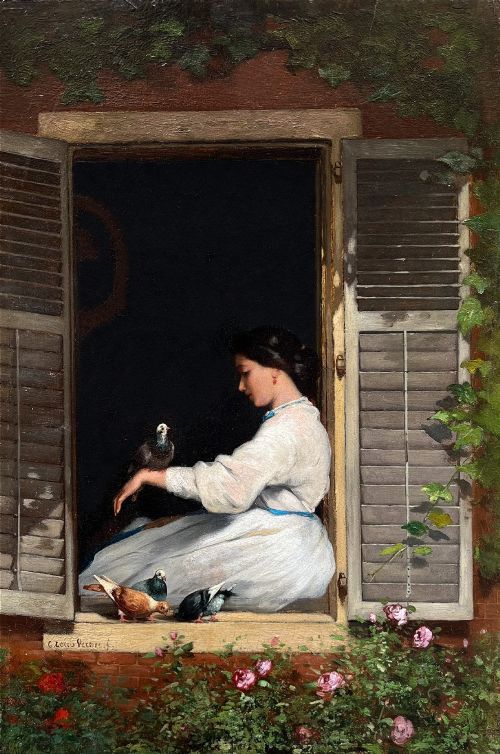
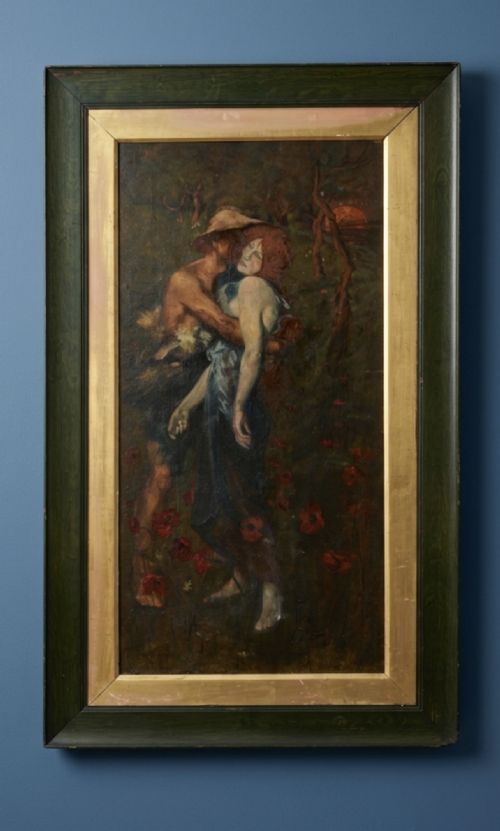
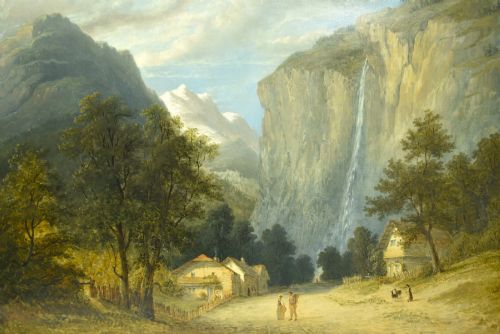
Buyers encounter a variety of subjects on this page, ranging from Dutch marine seascapes and Swiss waterfalls to intimate genre portraits of figures and animals.
Many works show distinct regional approaches, such as French academic styling, British portraiture, and Italian school landscapes.
Materials and Technique
The primary foundation of these works is oil paint applied to a stretched canvas, often housed within wood, gesso, and giltwood frames.
Artists utilised rich pigments and gold leaf details to create depth in romantic, realist, and academic compositions.
Several canvases capture sheep, barrels, and wandering rain walkers with remarkable nineteenth-century solemnity.
Qualities of the Work
The distinction between standard works and master canvases rests on the handling of light, brushwork precision, and the expressive depth of the subjects.
Signed compositions by recorded continental and British painters command attention for their established provenance and distinct regional styles.
Margaret Sarah Carpenter·Louis Charles Verwee·Karl Herrle·Federico Andreotti·Anthonij Anton Mauve
The Victorian Era Oil Canvas Glossary
- Oil on Canvas
- A traditional painting medium where pigments suspended in drying oils are applied to a woven fabric support. This combination allowed artists to build rich textures and subtle tonal gradations.
- Giltwood
- Wood carved and coated with a thin layer of gold leaf or gold paint. Frames finished in this manner were commonly used to enclose significant nineteenth-century paintings.
- Genre Painting
- The pictorial representation of scenes from everyday life, involving ordinary people engaged in common activities. These works frequently depict figures in landscapes, market settings, or domestic interiors.
- French Academic
- A style of painting and sculpture produced under the influence of the academies of design in France. It adheres to strict classical standards of composition, draughtsmanship, and finish.
Victorian Era Oil Canvas: Frequently Asked Questions
How do I identify a nineteenth-century canvas?
Examine the weave of the fabric and the preparation layers on the reverse. Nineteenth-century supports often show specific stretcher construction and ageing characteristics unique to the period.
Signatures, dates, and framing materials also provide reliable indicators of the era in which the work was produced.
Where were these paintings displayed?
Works of this scale and finish hung primarily in domestic drawing rooms, galleries, and stately homes across Britain and continental Europe. They served to showcase the cultural interests and social standing of the owners.
Today, these paintings continue to function as focal points in period and contemporary interiors alike.
How should I care for an oil painting?
Keep the canvas away from direct sunlight and major fluctuations in temperature and humidity to prevent the paint surface from cracking. Dust the gilded frames gently with a dry, soft brush.
Avoid using water or chemical solvents on either the painted surface or the giltwood surround.
What subjects are most common?
The selection includes formal portraiture, pastoral landscapes, marine views, and narrative genre scenes. Artists often drew inspiration from travels in Italy, Switzerland, and local rural settings.
Each subject category reflects the dominant romantic and realist aesthetics of the nineteenth century.