

Antique Narrative Genre Art
Antique narrative genre art captures human stories and domestic moments on canvas, offering a vivid window into past daily life that collectors treasure.
Antique Narrative Genre Art
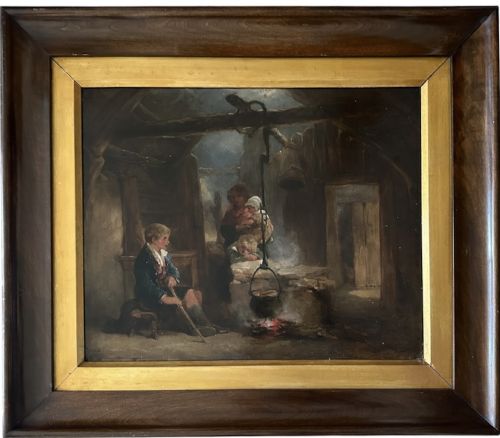
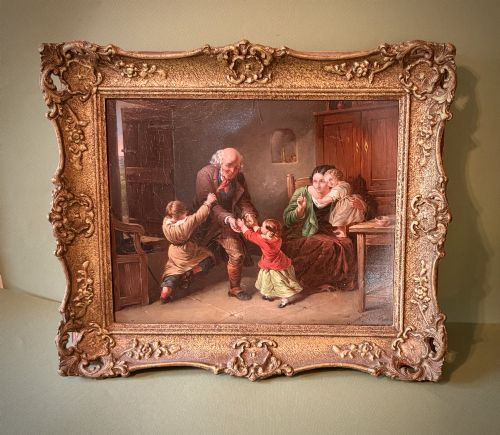
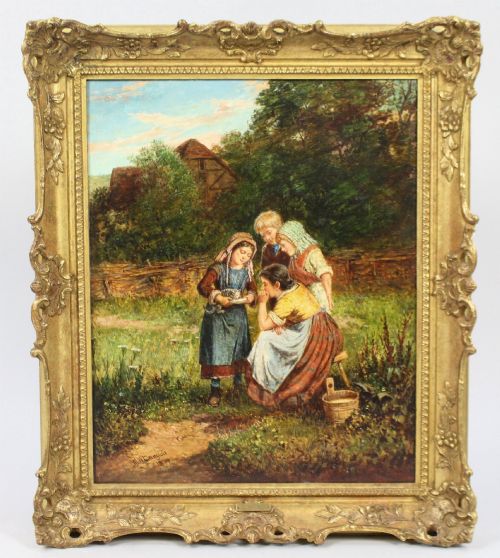
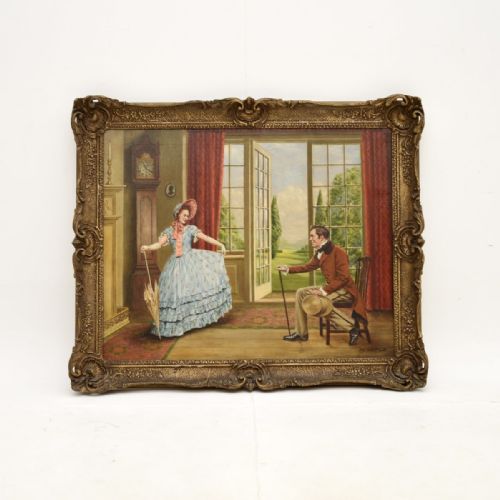
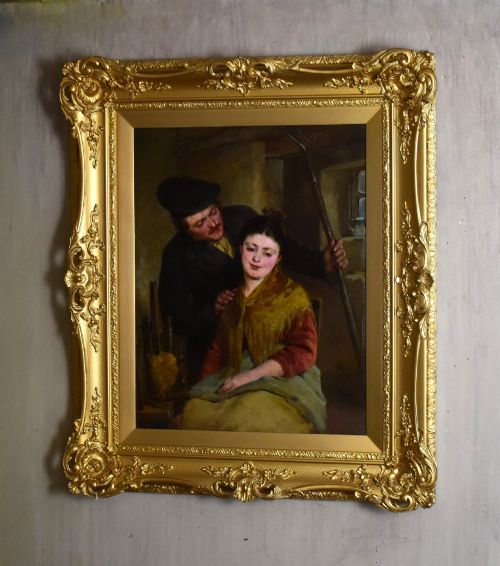
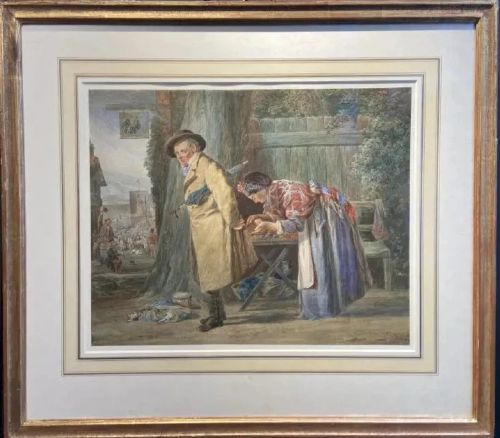
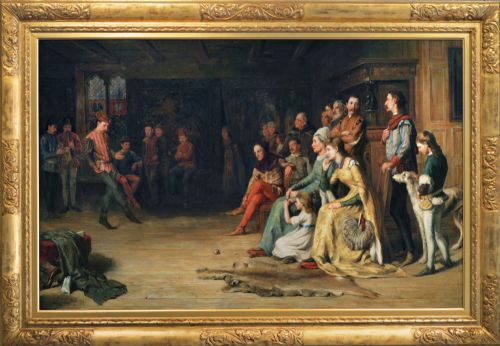
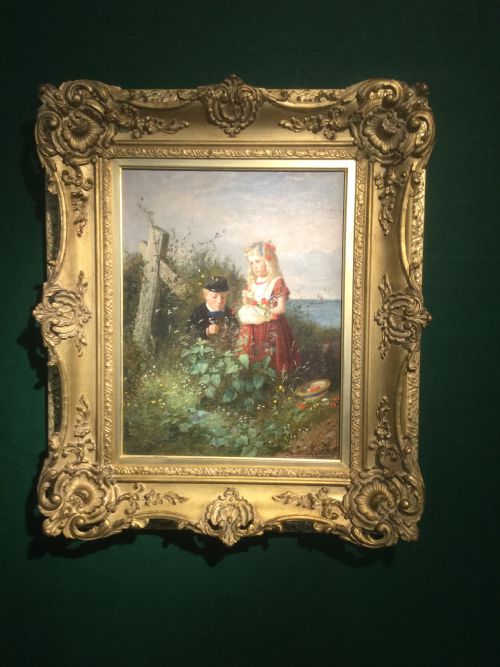
When buyers search for antique narrative genre art, they are looking at framed paintings that depict everyday human moments, domestic interiors, and social history scenes. These works capture specific stories, from children playing in cottages to formal gatherings in country houses.
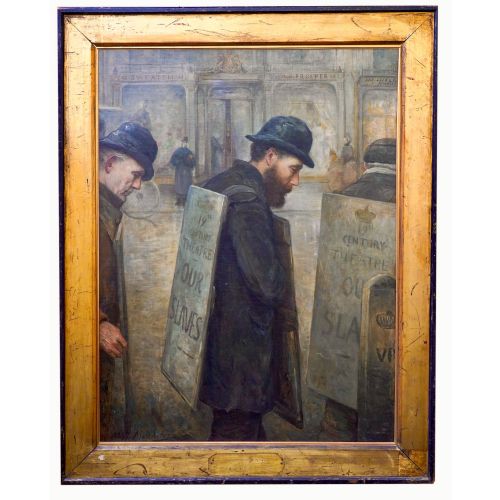
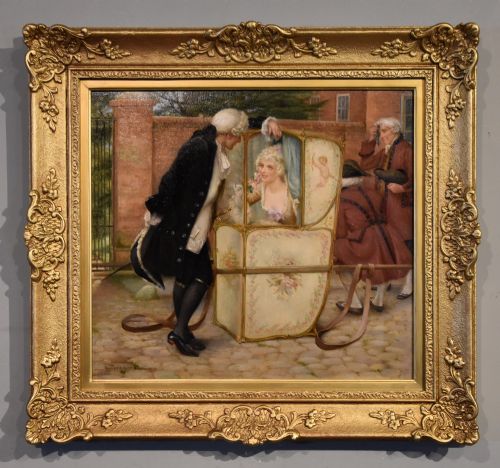
The pieces on this page span the nineteenth and early twentieth centuries, encompassing Victorian social realism, Edwardian scenes, and nineteenth-century French and Scottish school works. Canvas and oil paint dominate the selection, often housed in period giltwood or gesso frames.
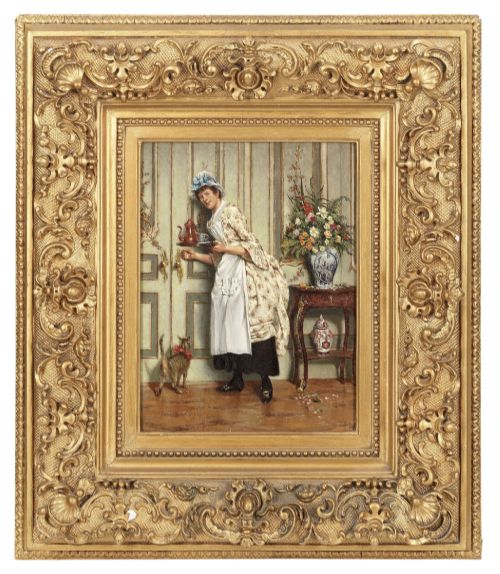
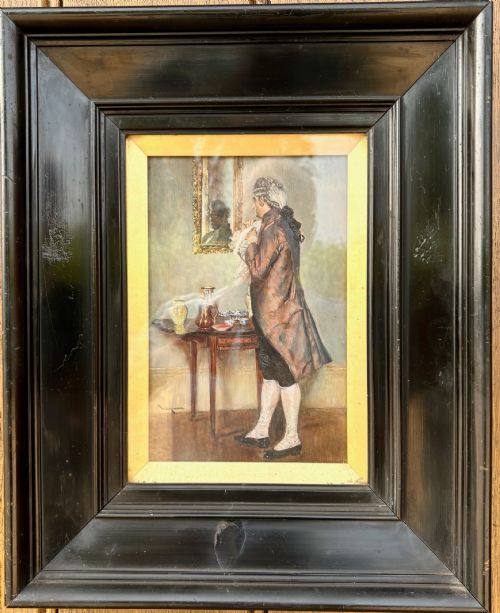
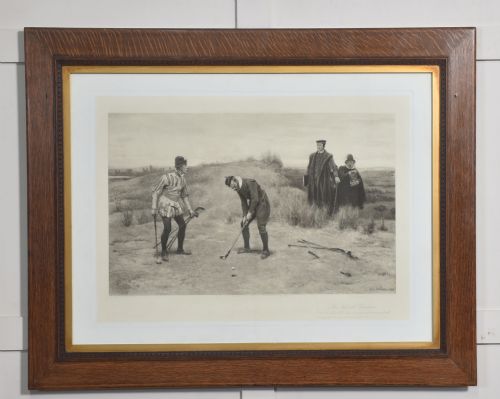
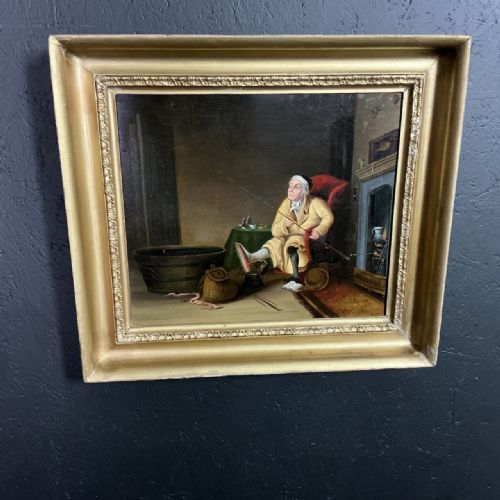
Subjects range from quiet domestic interactions, such as tea time scenes and fireside chats, to historical and humorous vignettes involving servants, monks, and cavaliers. Each piece tells a distinct story rooted in the social observations of its era.
How they were made
These works rely primarily on oil paint applied to canvas or panels, capturing fine details of costume, expression, and interior decoration. Artists layered pigments to build depth in domestic settings, utilising natural light to direct focus toward the central figures.
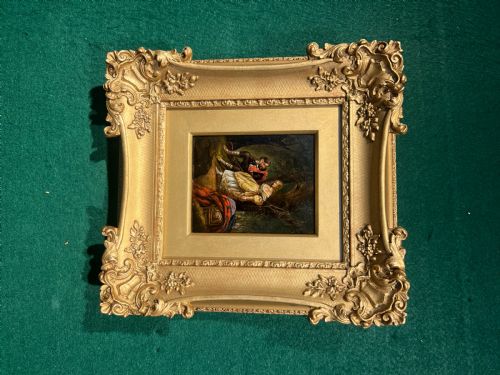
Frames play a significant part in the presentation, constructed from wood and finished with gesso, gold leaf, or giltwood. These ornate surrounds were designed to complement the narrative within, echoing the status of the household depicted.
Listings span the nineteenth and early twentieth centuries, featuring oil on canvas, wood panels, and giltwood frames.
What varies in quality
Quality rests heavily on the artist's ability to render human expression and anatomical proportion with convincing naturalism. Superior examples manage lighting and composition to heighten the emotional weight of the narrative without losing the intimacy of the scene.
The handling of surrounding textures, such as woven fabrics, polished wood furniture, and cottage interiors, separates masterworks from standard productions. Original framing and the preservation of the surface paint layer also influence the standing of any given canvas.
Felix Stone Moscheles·Stephen Samuel Lewin·Mark William Langlois·Alfred Lyndon Grace·Howard Helmick·James Hamilton·Charles Hunt·Delapoer Downing·Harry Brooker·Byam Shaw·William Arthur Breakspeare·John Arthur Lomax·Charles Haigh Wood·Haynes King·Charles Burton Barber·James Kyd·Friedrich von Kaulbach·Léon Joseph Voirin·Edwin Thomas Roberts·Robert Alexander Hillingford·George Smith·Edwin Hughes·Alfred Holst Tourrier·Arthur Longley Vernon·Hendricus Joseph Dillens
The Antique Narrative Genre Art Glossary
- Genre painting
- A style of art depicting scenes from everyday life, ordinary people, and domestic interiors rather than grand historical or mythological subjects. These works provide valuable social history through their detailed observation of contemporary manners and dress.
- Oil on canvas
- A traditional painting technique where pigments suspended in drying oils are applied to stretched fabric. This method allows for rich colour blending and subtle tonal gradations.
- Giltwood
- Wood carved and coated with gold leaf or a gold-coloured metallic finish. It is commonly found on the ornate frames enclosing nineteenth-century paintings.
- Gesso
- A plaster-like mixture used as a smooth base for paint or applied to wood mouldings before gilding. It enables intricate relief decoration on picture frames.
- Social realism
- An artistic movement highlighting the everyday conditions of the working classes and poor. These paintings often carry subtle commentary on contemporary social structures.
Antique Narrative Genre Art: Frequently Asked Questions
What is narrative genre art?
Narrative genre art consists of paintings that tell a story through the depiction of everyday human activities and domestic interactions.
These works focus on ordinary people in recognizable settings, such as cottage interiors or country house parlours.
How do I date these paintings?
Dating relies on the artist's recorded working life, stylistic markers of clothing and furniture, and exhibition records.
Nineteenth-century works often carry signatures, dates, or framer labels that assist in establishing an accurate period.
Where should I hang these paintings?
These works suit traditional living spaces, libraries, and dining rooms where their intimate domestic subjects can be appreciated at close range.
Direct sunlight and high humidity should be avoided to protect the oil paint and canvas over time.
Are original frames important?
Original giltwood and gesso frames enhance the historical context and visual appeal of nineteenth-century canvases.
Matching the frame style to the period of the painting ensures a cohesive presentation.