


Classic Portrait Landscape Painting
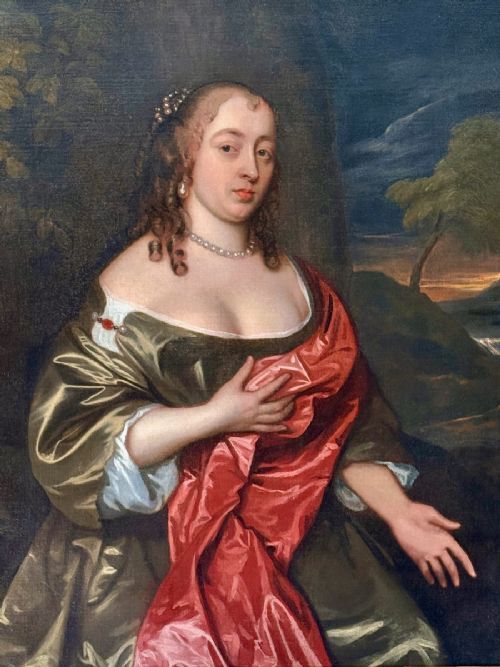
These classic portrait landscape painting examples combine human figures and rural vistas, offering a glimpse into historic estates and pastoral scenes.
Classic Portrait Landscape Painting
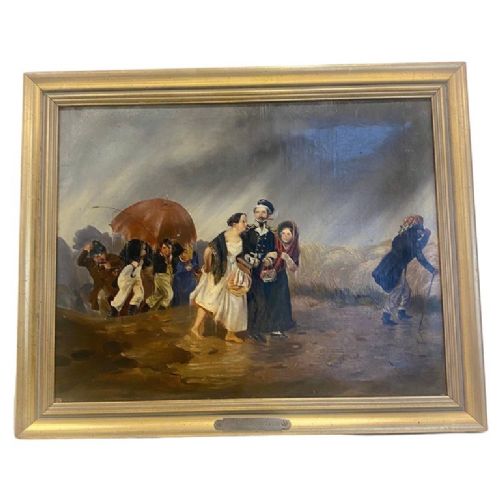
A classic portrait landscape painting places human subjects, animals, or domestic scenes within expansive rural, parkland, or architectural backgrounds. You will most frequently encounter nineteenth century examples on this page, ranging from pastoral sheep scenes to formal depictions of individuals set against extensive countryside views.
The subjects span from seventeenth century nobility in formal estates to Victorian courting romances and rural genre scenes outside houses. Artists of these periods balanced the detailed likeness of the sitter or animal with the atmospheric depth of the surrounding landscape.
Materials and construction
These works are executed in oil paint upon canvas or occasionally wood panels, utilising the rich pigments and blending capabilities of the medium to achieve realistic textures in fabric, foliage, and skin. The application of oil paint allows for subtle shifts in light across both the central portrait subject and the distant horizon.
Assessing quality
The handling of secondary elements, such as livestock, architecture, and foliage, separates exceptional works from more formulaic studio productions. Furthermore, the preservation of the original canvas and the integrity of the period gilt wood frame contribute significantly to the overall standing of the piece.
John Hayls·William Arthur Breakspeare·William Henry Mander·Clifton Tomson·Sydney Kendrick·A Davis·Wilhelm Alexander Meyerheim·Ralph Leslie Swinden·George Romney
The Classic Portrait Landscape Painting Glossary
- Oil on canvas
- Pigment mixed with drying oil applied to a woven fabric stretched across a wooden frame. This combination provides a durable and flexible surface that supports intricate layering and detail.
- Gilt wood
- Wood carved and coated with a thin layer of gold leaf or metallic powder. This finish adds a reflective boundary that enhances the visual weight of the painting.
- Genre painting
- Artwork depicting scenes from everyday life, ordinary people, and domestic activities. These compositions often capture social narratives alongside the physical setting.
- Pastoral style
- Artistic representation that romanticises rural life and shepherds or livestock in natural landscapes. This approach emphasises tranquility and harmony between humans and nature.
- Baroque
- A seventeenth century artistic style characterised by dramatic use of light, rich colour palettes, and theatrical composition. Works from this movement often display intense emotional depth and grand scale.
Classic Portrait Landscape Painting: Frequently Asked Questions
What defines a classic portrait landscape painting?
These works feature a prominent human or animal subject integrated into an outdoor vista, such as a parkland, farm, or extensive countryside. The composition gives equal weight to the likeness of the sitter and the atmospheric detail of the scenery.
Such pieces bridge portraiture and landscape art, capturing both social status and rural environment within a single canvas.
How do I date an antique oil painting?
Dating relies on examining the stretcher frames, canvas preparation, and the specific pigments used by the artist. Stylistic clues in the clothing, hairstyles, and framing techniques also provide clear indicators of the period.
Comparative analysis with known works from artists working in the seventeenth through the nineteenth centuries helps narrow the creation window.
Where were these paintings displayed originally?
Historic owners placed these works in the reception rooms, libraries, and galleries of country houses and urban townhouses. They served as family records, demonstrations of social standing, or celebrations of agricultural estates.
The inclusion of specific livestock or local scenery often reflected the personal property and interests of the commissioner.
How should I care for an oil painting on canvas?
Maintain stable environmental conditions away from direct sunlight, extreme temperature fluctuations, and high humidity. Keep the surface free from dust using a soft, dry brush without applying pressure to the canvas.
Avoid using liquid cleaners on either the painted surface or the gilt wood frame to prevent moisture damage.