

Gold Frame Miniature Painting
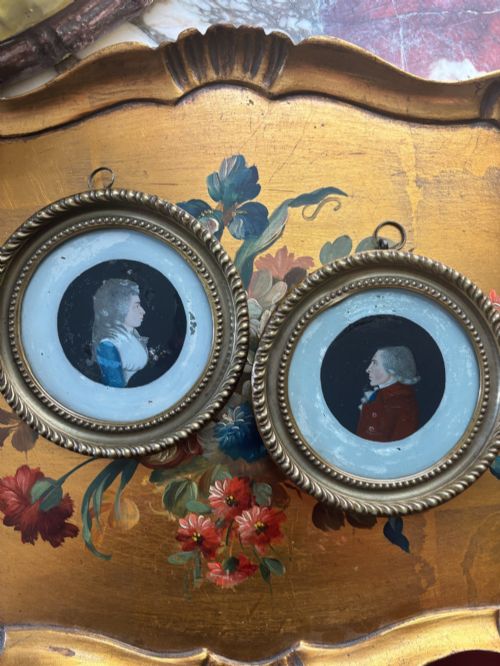
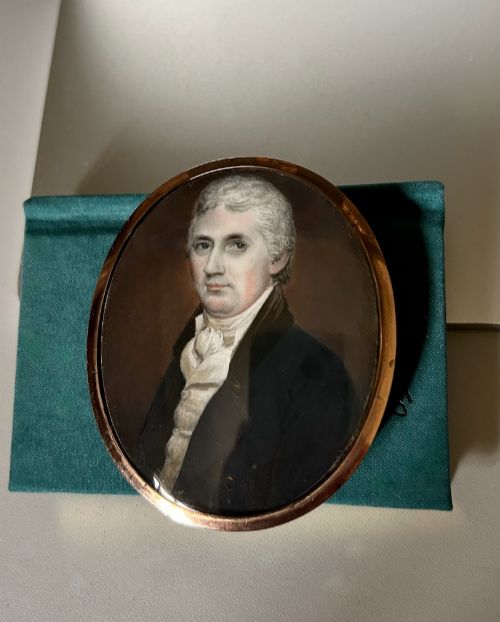
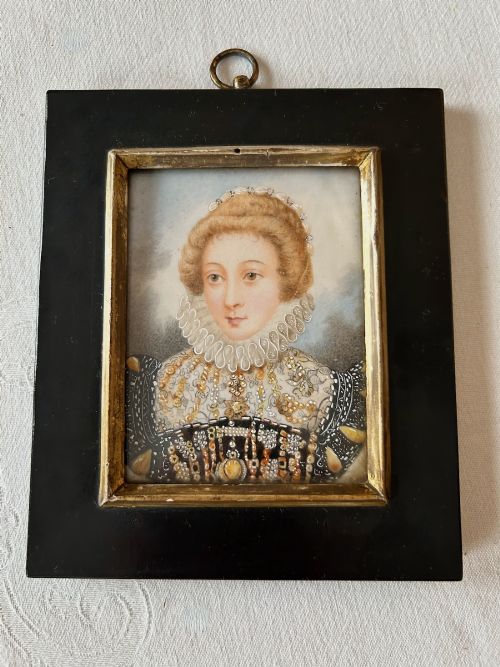
Gold frame miniature painting works on a small scale, bringing together portrait subjects and delicate surrounds from the eighteenth and nineteenth centuries.
Gold Frame Miniature Painting
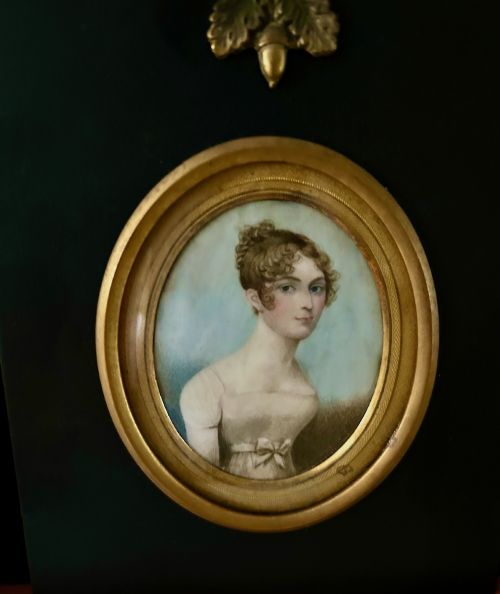
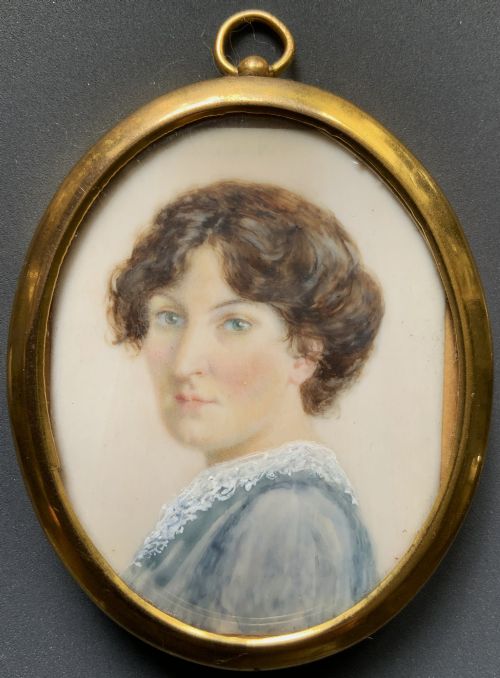
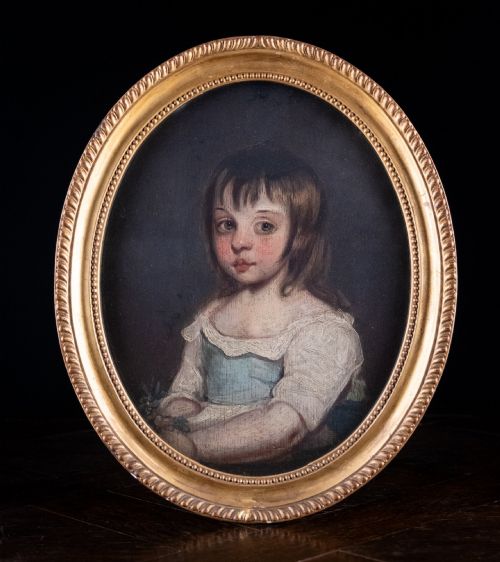
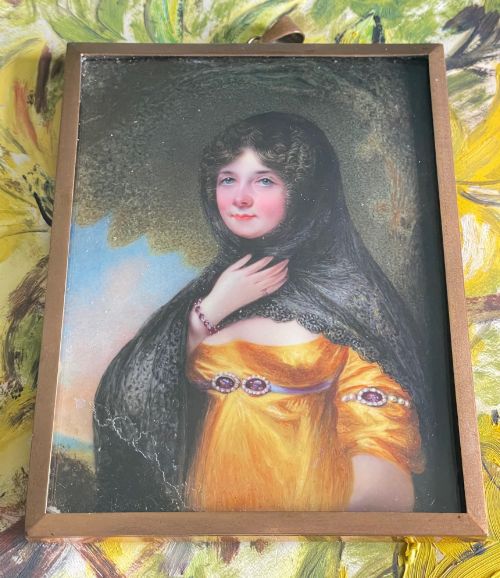
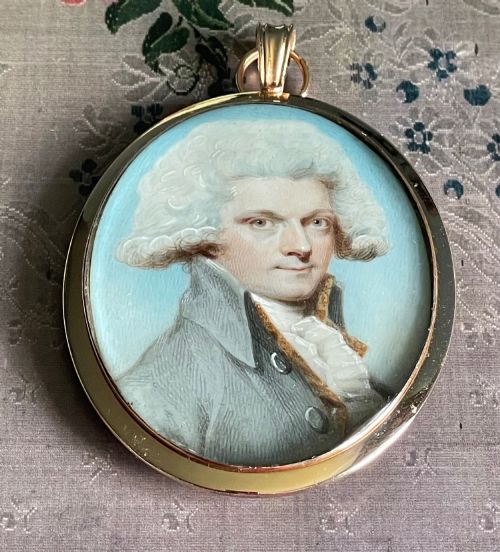
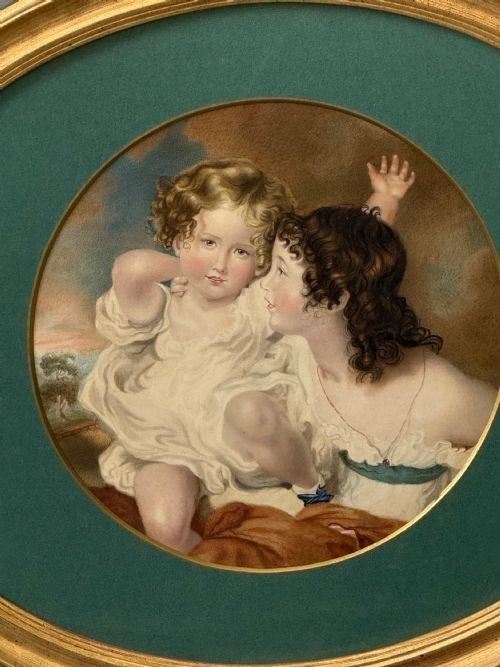
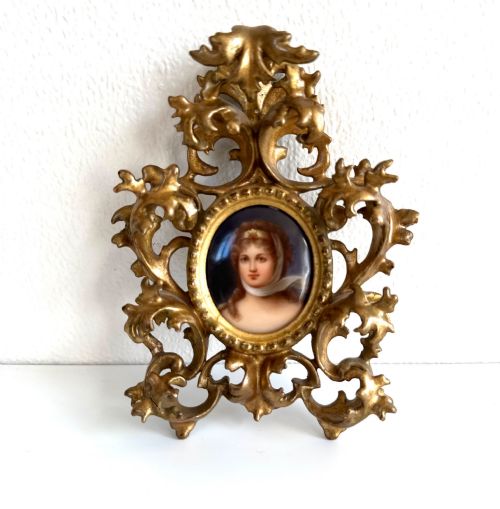
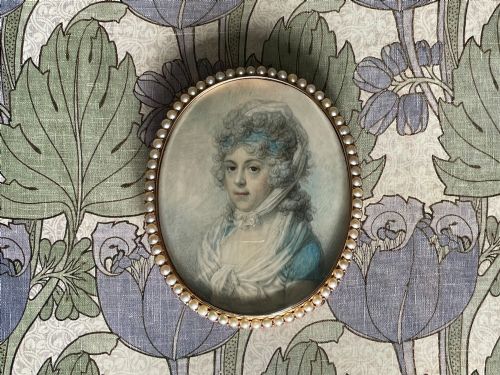
A gold frame miniature painting presents a small portrait or subject housed within a metallic or gilded surround, often designed for personal wear or intimate display. The works found here date predominantly from the Georgian, Regency, and Victorian periods, capturing subjects ranging from aristocratic sitters to children and religious figures.
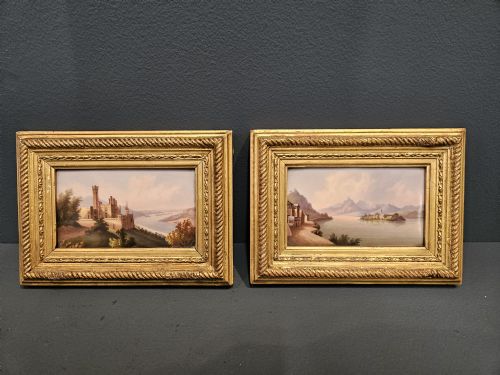
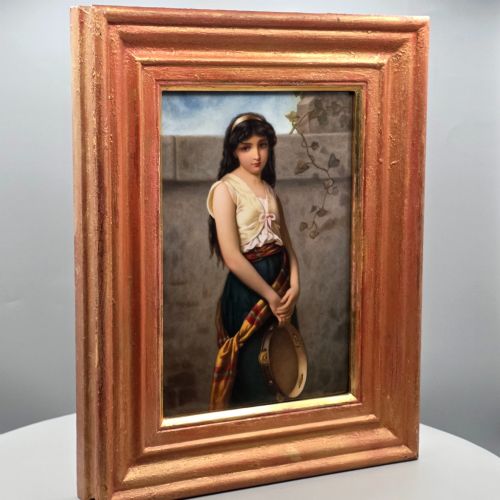
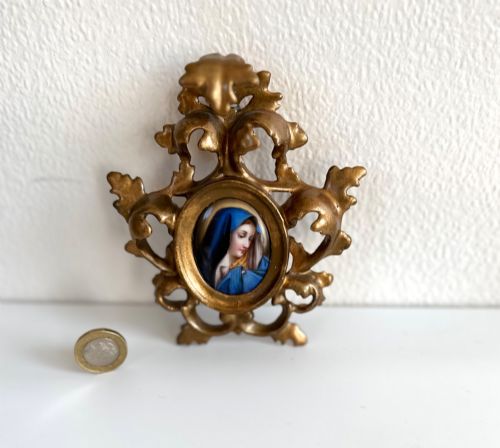
The form encompasses various physical manifestations, including watercolour on paper, enamel on metal, and painted porcelain plaques. These pieces arrive in enclosures fashioned from gilt metal, giltwood, and wood, frequently protected by glass to preserve the delicate pigments beneath.
Makers and schools from Britain, Europe, India, and beyond contributed to this tradition, producing works that reflect the distinct aesthetic preferences of the eighteenth and nineteenth centuries. Collectors encounter both signed pieces by known miniaturists and anonymous works executed by regional schools.
How They Were Made
Artists utilised watercolour on paper or ivory, enamel, and gouache to achieve high levels of detail within a restricted compass. Enamel works involved fusing powdered glass pigments to a metal substrate under high heat, resulting in a durable surface with lasting colour.
The enclosing structures rely on materials such as gilt metal, solid gold, and carved gilt wood. Craftsmen fashioned these housings to complement the scale of the painting, frequently incorporating glass fronts and specialised stands or suspension loops.
A painted portrait of a country girl shares space with depictions of nobility and saints, proving that historical art appreciated both high society and simple charm.
What Varies in Quality
The integrity of the housing plays a major role, with original gilt metal or gold mountings maintaining greater historical cohesion than later replacements. The preservation of the underlying paper, enamel, or glass surface directly influences the visual impact of the piece.
Henri Fradelle·James Sharples·Henry Bone·Horace Hone·Charles Shirreff·Richard Cosway·John Miers·Jean Baptiste van Loo·Frederick Buck·Charles Hayter·Christian Friedrich Zincke·William Naish·J Bizo·Albin R Burt·George Engleheart
The Gold Frame Miniature Painting Glossary
- Miniature painting
- A small-scale portrait or artwork executed with fine detail, often created using watercolour, enamel, or oil on surfaces such as paper, card, or porcelain.
- Gilt metal
- Base metal treated with a thin layer of gold or gold-coloured finish to provide the appearance of solid precious metal while maintaining structural rigidity.
- Enamel
- A glassy substance fused to a metal backing through firing, allowing for vibrant colours that resist fading over centuries.
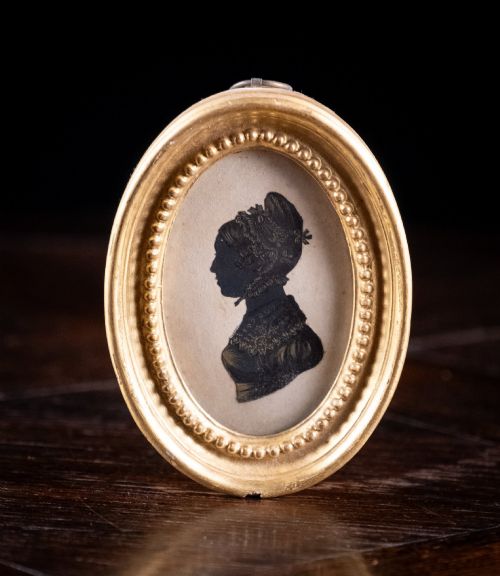
- Silhouette
- A solid dark profile portrait, typically cut from paper or painted onto card or glass, popular during the Georgian and Regency eras.
- Porcelain plaque
- A flat ceramic tablet painted with enamels and fired, frequently used during the nineteenth century to reproduce masterworks or create detailed portraits.
Gold Frame Miniature Painting: Frequently Asked Questions
How were these miniature paintings displayed?
Owners kept these works in various settings depending on their format and period. Many featured loops for wearing as jewellery or carried attachments for tabletop display.
Others hung directly on walls within small groupings, forming intimate galleries inside domestic interiors.
What materials protect the paintings?
Glass serves as the primary barrier against dust and moisture, shielding the delicate watercolour or enamel surfaces from physical contact.
This transparent cover sits within the surrounding metal or wooden frame to secure the artwork in place.
How do I identify a Regency piece?
Regency examples often feature distinct clothing styles, such as high-waisted dresses for women and specific cravat styles for men, dating from the early nineteenth century.
The framing and mounting techniques also align with the prevailing neoclassical design tastes of that specific decade.
Are all the frames made of solid gold?
The housings utilise a range of materials, including solid gold, gilt metal, and carved gilt wood. Many pieces employ gilded base metals rather than precious bullion to achieve the desired golden appearance.